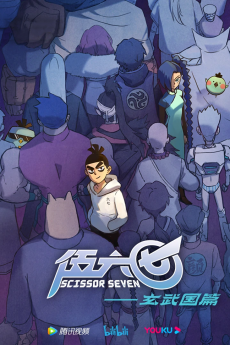
Scissor Seven Season 3
In order to protect the residents of Xiaoji Island and the peaceful life there, Wu Liuqi with his partners Dabao and Xiaofei embarks on an adventure to the Xuanwu Kingdom to find out the truth about his identity and a way to save the island. Waiting for them are more mysteries and adventures.
(Source: bilibili, translated)
📺Anime Details
📝Editorial Analysis
The salt-stung wind off Xiaoji Island doesn’t just carry the scent of fish and damp rope—it carries weight. Not the weight of impending doom, but the quiet, stubborn heft of a man holding a teacup with one hand while his other instinctively drifts toward the scabbard strapped low on his hip. Wu Liuqi stands there, barefoot on sun-bleached wood, watching Dabao argue with a crab over stolen dumplings—and for a breath, the amnesia isn’t a plot device. It’s a physical hollow behind his ribs. He knows how to break a neck, how to fold silk into origami cranes, how to whistle the island’s lullaby—but he doesn’t know why his left palm bears the faint, spiraling scar of a cultivation seal long since faded. That moment—stillness wrapped in motion, memory as both wound and compass—is where Scissor Seven Season 3 lives.
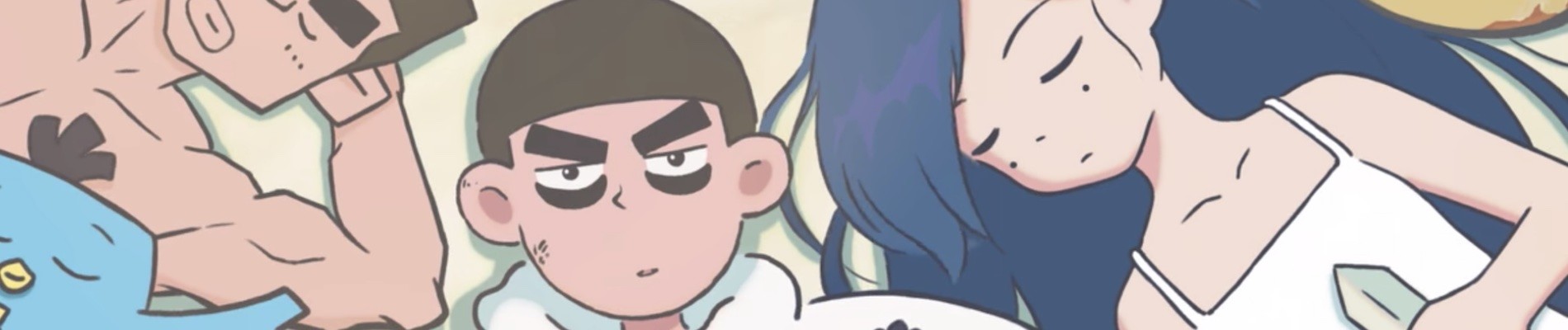
This isn’t action-as-catharsis or comedy-as-distraction. It’s action infused with melancholy, comedy stitched with reverence. The Xuanwu Kingdom isn’t just a new map—it’s a hall of mirrors reflecting Wu Liuqi’s fractured self: every martial arts master he spars with echoes a forgotten teacher; every absurd bureaucratic checkpoint in the capital feels like a parody of his own lost lineage; even the swordplay flickers between lethal precision and slapstick misfire, as if the body remembers what the mind refuses to name. You don’t watch this season—you lean in, heart caught between laughter and aching recognition. It makes you think about identity not as a fixed point, but as terrain you traverse while forgetting the map—and how love, loyalty, and dumb, stubborn kindness become your only true landmarks.
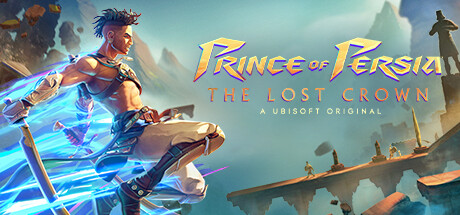
That emotional architecture resonates powerfully with Prince of Persia, whose next-gen reboot trades sandworms for melancholic exploration: a prince walking ruins older than his own name, uncovering truths that rewrite his bloodline—not through exposition, but through crumbling frescoes and silent, echoing courtyards. A player review calls it “a new prince, new lands, a brand new story completely separate from the sands”—mirroring Wu Liuqi’s journey into Xuanwu, where every temple gate opened is less about conquest and more about reassembly. Both treat power not as domination, but as fragile inheritance—the Prince’s time-bending dagger, Wu Liuqi’s half-remembered cultivation techniques—tools that hum with history they can’t yet read.
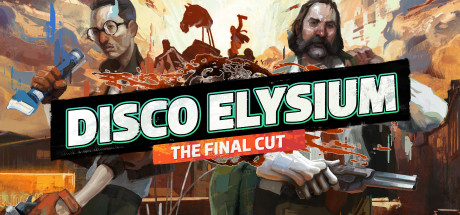
Then there’s Disco Elysium - The Final Cut, where the detective’s amnesia isn’t metaphorical—it’s systemic, neurological, political. Like Wu Liuqi, he walks a world saturated with meaning he can’t access, parsing clues from graffiti, weather reports, and the way a bartender avoids his eyes. The game’s description promises “a unique skill system” and “a whole city to carve your path across”—exactly how Scissor Seven Season 3 frames its quest: not as linear progression, but as navigating layers of buried truth, where a joke from Xiaofei might unlock a memory fragment just as surely as a failed persuasion check reveals a hidden motive. One player review quotes Capital’s cruel irony—how critique gets absorbed by the very system it opposes—echoing the anime’s quiet tension: Wu Liuqi’s fight to save Xiaoji Island isn’t against villains, but against the erasure embedded in Xuanwu’s official histories, its cultivated orthodoxy.
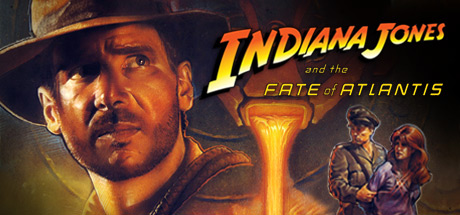
And you feel it again in Indiana Jones® and the Fate of Atlantis™, where the 1939 setting isn’t backdrop—it’s pressure. Nazis hunting mythic power, Indy racing not just against time, but against the collapse of meaning itself. The player review calls it “an archaeological wonder trapped in amber”—a perfect phrase for Scissor Seven Season 3’s tone: ancient systems (cultivation, imperial bureaucracy, assassin codes) treated with irreverent tenderness, as if the past isn’t dead—it’s just waiting for someone clumsy, kind, and slightly ridiculous enough to dust it off and ask, “Who did you belong to before they told you who you were?”
This pairing sings for the viewer who cries during a pratfall, who pauses mid-fight scene to trace the grain of a wooden floorboard in the background, who carries maps of fictional cities in their head like heirlooms. It’s for the player who saves before every dialogue choice—not out of fear of failure, but because every conversation might be the one that stitches the self back together. They don’t want answers handed down. They want salt wind, cracked teacups, and the electric hush right before a sword leaves its sheath—not to kill, but to remember.
🎮68 Games That Match the Vibe










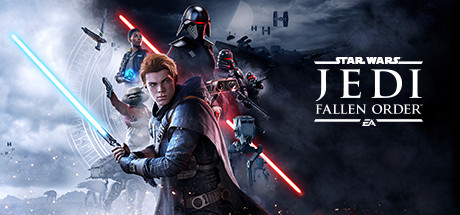






Match Dimensions Explained
❓Frequently Asked Questions
Why does Prince of Persia keep coming up in Scissor Seven Season 3 game recommendations?
Because both lean hard into that razor-sharp blend of high-stakes action and deadpan, absurdist comedy — like when the Prince flips off a collapsing pillar mid-backflip, mirroring Seven’s nonchalant parkour escapes during chaotic rooftop chases. Its 'Action Spectacle' + 'Comedy & Parody' dimensions (scored 83) match Season 3’s tone better than most platformers.
Is there a Scissor Seven video game adaptation?
No official Scissor Seven game exists yet — but fans keep circling back to Disco Elysium because its melancholic exploration and razor-witted parody (82 score) echo Seven’s layered humor: think Detective Kim’s weary monologues juxtaposed with sudden slapstick, just like Disco’s broken-cop inner voices cracking jokes while staring at a rain-soaked alley.
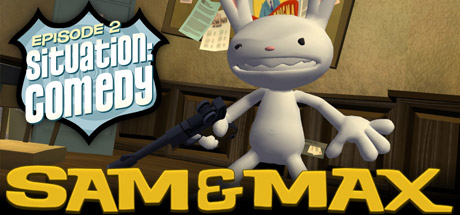
How is Sam & Max 102: Situation: Comedy different from Runaway, A Road Adventure?
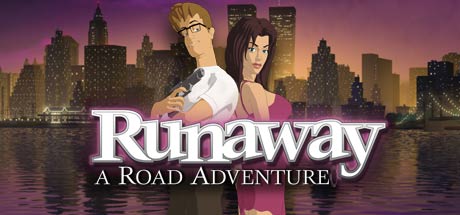
Sam & Max leans into rapid-fire, cartoonish satire — like Max smashing a talk-show set with a rubber chicken while dissecting media absurdity — whereas Runaway’s 2000-era point-and-click charm is more grounded in screwball noir (think Brian dodging mobsters in a diner while a mysterious woman drops cryptic clues). Both nail 'Mystery & Detective' + 'Comedy & Parody', but Sam & Max is pure Looney Tunes logic; Runaway feels like a Coen brothers caper with pixel-art polish.
What’s the best game like Scissor Seven Season 3 if I want that mix of witty banter and gritty-but-goofy detective work?
Indiana Jones® and the Fate of Atlantis™ — hands down. It’s got Indy’s sarcastic quips mid-punch, Nazi villains who monologue like over-caffeinated bureaucrats, and puzzle-solving that’s equal parts clever and ridiculous (like using a rubber chicken to distract a guard). Its 'Mystery & Detective' + 'Comedy & Parody' combo (81 score) mirrors Season 3’s balance of danger and daffy charm — especially scenes where Seven pretends to be incompetent while secretly dismantling the whole operation.