
Bully: Scholarship Edition
Bully tells the story of mischievous 15-year-old Jimmy Hopkins as he goes through the hilarity and awkwardness of adolescence. Beat the jocks at dodge ball, play pranks on the preppies, save the nerds, kiss the girl and navigate the social hierarchy in the worst school around.
🎮Game Details
💬What Players Say
"I played this game on my Steam Deck and it worked great I’ve had no crashes. But on a regular pc the game keeps on crashing and is unplayable. So it’s better to play on the Steam Deck."
"(Already finished this game before, ignore my time played) ✅ One of Rockstar’s most unique settings ✅ School environment is surprisingly fun and full of personality ✅ Strong writing with classic Rockstar humor ✅ Missions are varied and never feel too long ✅ Mini‑games (classes) are actually enjoyable ✅ Soundtrack is iconic and fits the vibe perfectly ✅ World feels alive despite being small ❌ Broken and unplayable on modern Windows system. I only got it working on my secondary OS, Bazzite ❌ Combat is simple and gets repetitive ❌ Some missions rely too much on escorting or waiting ❌ Camera can be annoying in tight spaces ❌ Controls feel dated, especially on PC ❌ Occasional bugs and jank that Rockstar never patched ❌ 30 FPS lock."
"This game has wacky characters and even wackier missions. Bully needs a sequel or remake."
📝Editorial Analysis
The first time Jimmy Hopkins trips over his own shoelaces while sprinting across the cracked asphalt of Bullworth Academy’s quad—dodging a rogue dodgeball, flinching at a preppy’s sneer, then catching himself just in time to wink at a passing nerd—you feel it: awkward, alive, unmoored. Not heroic. Not tragic. Just fifteen, breathing hard, caught between laughter and shame in a world that refuses to take itself seriously—even as it quietly insists on meaning something. That’s the pulse of Bully: Scholarship Edition, pulled straight from its official description: “the hilarity and awkwardness of adolescence,” where beating jocks, pranking preppies, saving nerds, and kissing the girl aren’t plot points—they’re rites of passage disguised as chaos.
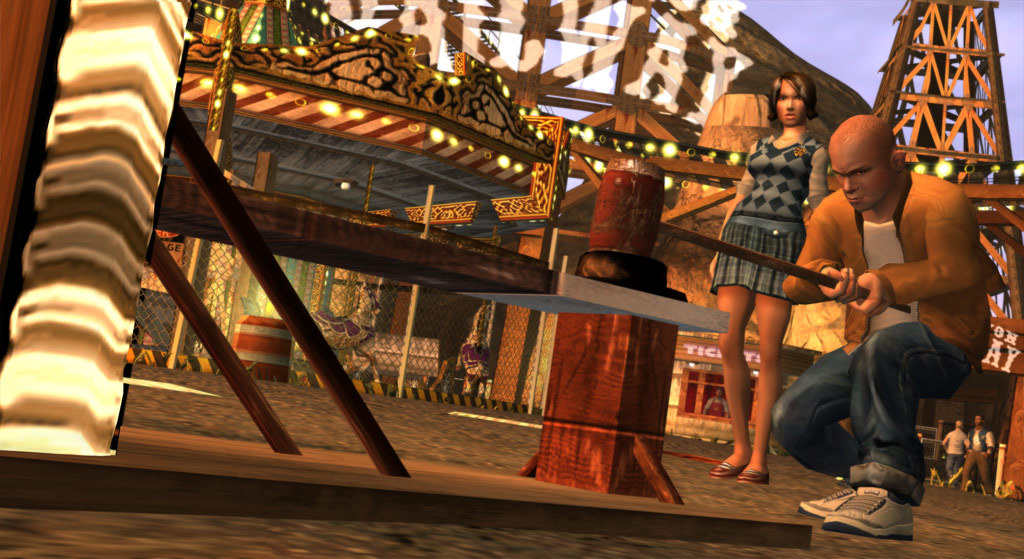
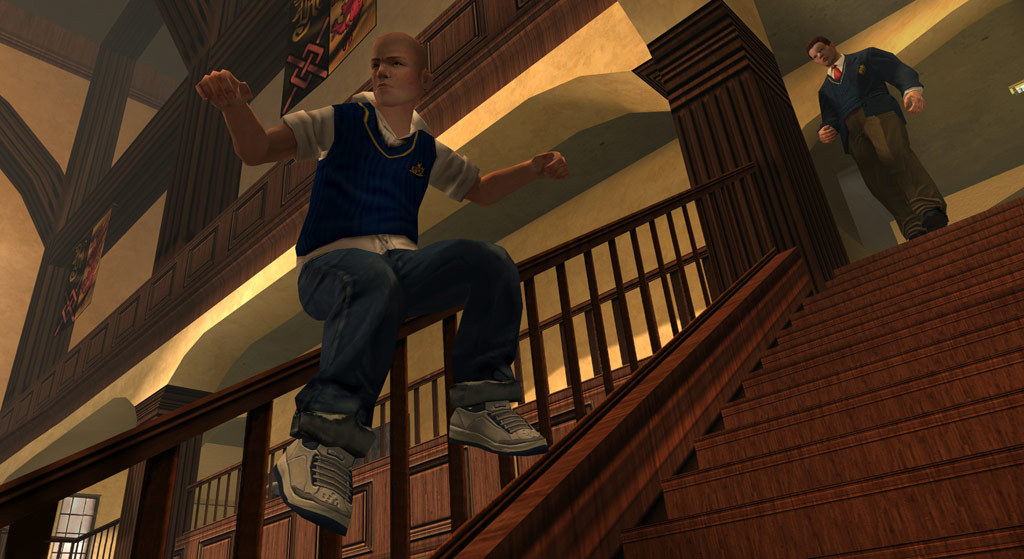
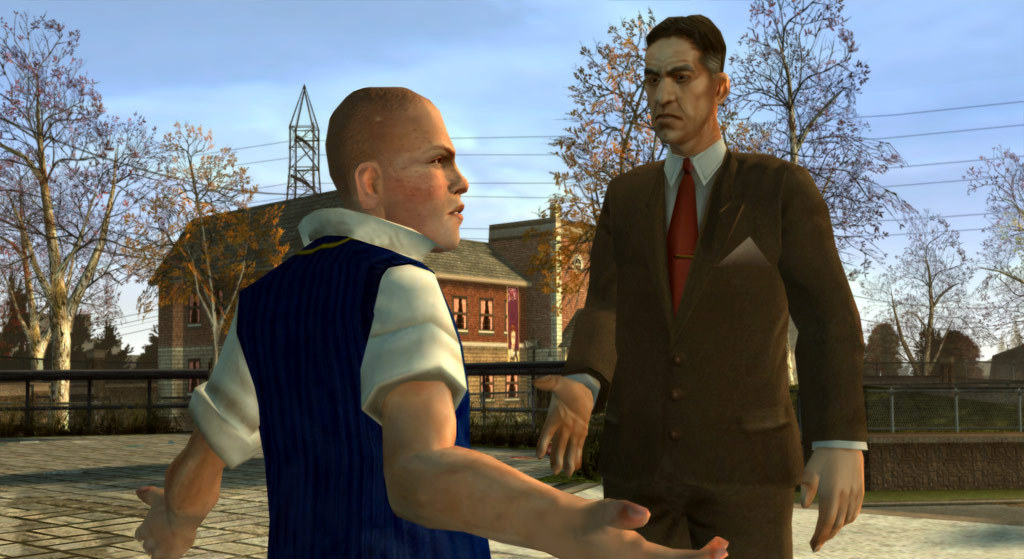
What makes this game’s atmosphere unique isn’t its open world or Rockstar pedigree—it’s how dense the emotional air feels. Every hallway hums with unspoken social physics; every lunchroom table is a tectonic plate shifting under whispered alliances. You don’t just navigate a school—you recalibrate your moral compass inside one. The writing isn’t just “strong” (as one player noted), it’s classically Rockstar: sardonic but tender, absurd yet anchored in real adolescent ache. The Steam Deck review confirms something subtle: this world only holds together when it’s held—when the hardware doesn’t fracture the illusion. On PC, crashes shatter the spell; on the Deck, it works, and suddenly Bullworth breathes again—clumsy, persistent, weirdly sacred. It’s not nostalgia you’re chasing. It’s the feeling of being seen, mid-stumble, by a story that refuses to look away.
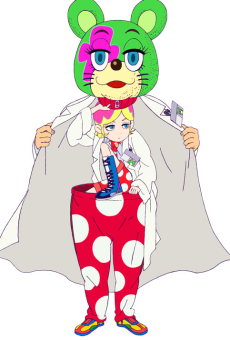
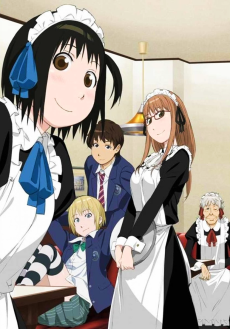
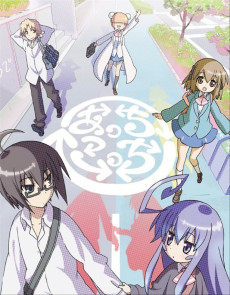
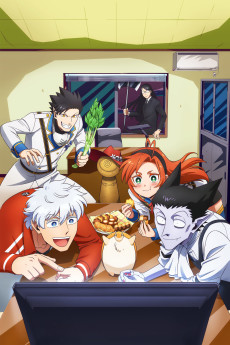
That same resonance lives in The Comic Artist & His Assistants, where comedy and parody aren’t escapes—they’re shields against melancholic exploration of creative burnout, isolation, and the quiet terror of adult responsibility. Like Jimmy faking confidence while his locker creaks shut behind him, the protagonist masks exhaustion with slapstick and self-deprecation. Both works treat adolescence—and its extended shadows—as a liminal space where jokes land too hard and silences linger too long. Then there’s Maison Ikkoku, where the boarding house isn’t just setting—it’s a pressure cooker of miscommunication, longing, and stubborn hope. Its rhythm mirrors Bullworth’s: chaotic surface, tender undercurrent, adults who are either absent or absurdly flawed. The shared dimension isn’t just “Comedy & Parody”—it’s how both use absurdity to defuse pain without denying it. And Arakawa Under the Bridge? Pure tonal kinship: wacky characters, wackier missions, yes—but beneath the surrealism lies a raw, almost painful sincerity about belonging. When Jimmy helps the outcast janitor fix his radio, or when Nino sings off-key to bridge a chasm no logic can cross, it’s the same truth: connection happens despite the nonsense, not because of it.
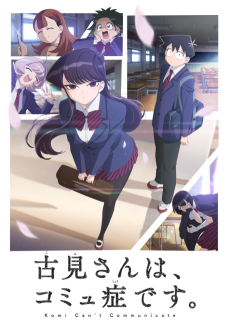
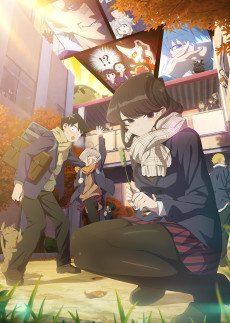
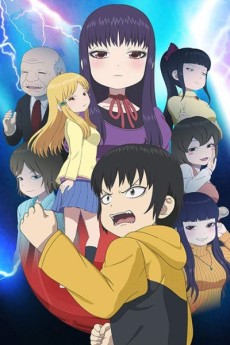
Who loves these pairings? The person who rewatched Komi’s first classroom panic attack—not for the gag, but for the way her trembling fingers grip her notebook like an anchor. The one who paused Bully mid-prank to watch a squirrel dart across the football field, wondering if Jimmy ever just watches too. Not fans of “school anime” as genre—but those drawn to stories where humor isn’t relief, it’s resistance: resistance to being flattened into a label, to being written off as “just a kid” or “just a joke.” They’re the readers who underline lines in manga margins about loneliness wearing a clown mask. The players who replay the bike-riding minigame not for speed, but for the wind in Jimmy’s hair—the one moment where no hierarchy applies, no mission marker glows, and he’s just moving, unobserved, free. That’s the thread: the fragile, flickering dignity of growing up sideways, in a world that keeps handing you dodgeballs instead of answers.
→153 Anime That Match the Vibe

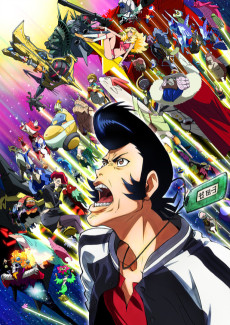
Connected through 3 aesthetic dimensions.

Connected through 3 aesthetic dimensions.

Connected through 3 aesthetic dimensions.

Connected through 3 aesthetic dimensions.
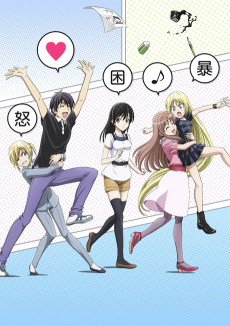
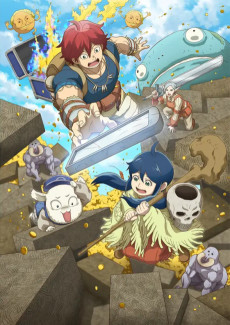
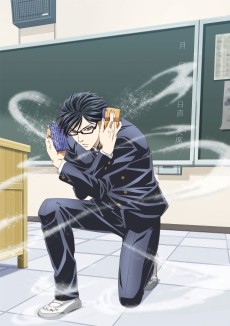
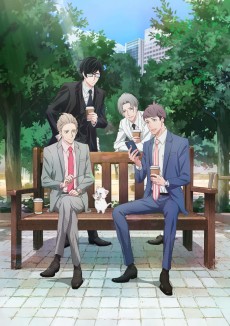
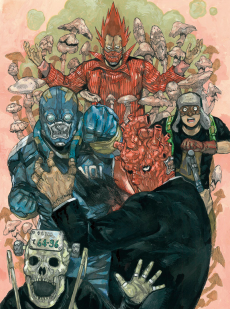
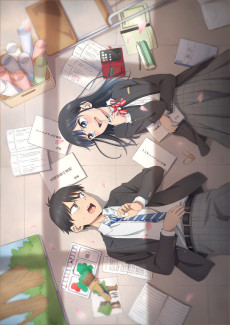
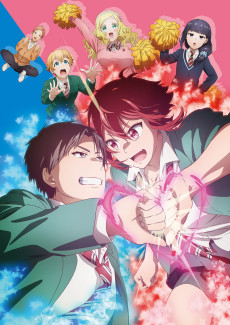
Jimmy’s crumpled cafeteria lunch—stolen, shared, then abandoned—mirrors Ashisu’s quiet sigh as she sketches Aito’s hollow love interest for the third time. Unlike most coming-of-age stories, both works weaponize comedy & parody to expose adolescent alienation beneath slapstick: Jimmy’s pranks mask grief; Ashisu’s ecchi choreography masks emotional labor. This resonance feels startling—dark seinen textures threading through school corridors and manga studios alike.

Connected through 3 aesthetic dimensions.
Connected through 3 aesthetic dimensions.

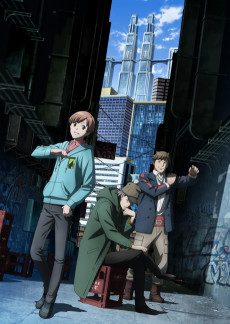
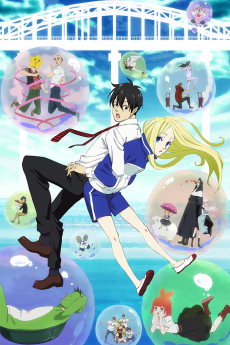
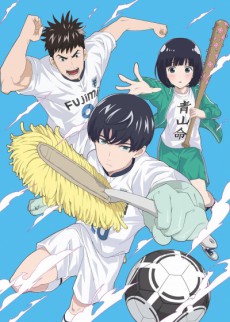
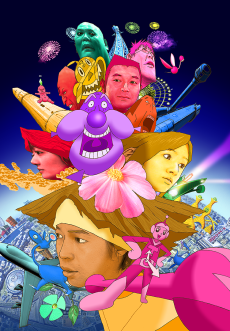
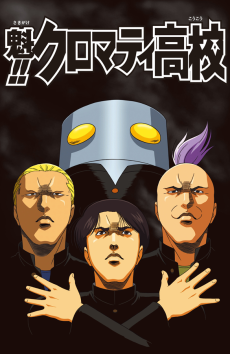
Nino’s riverbank rescue of Ko—pantsless, absurd, and laced with quiet desperation—mirrors Jimmy’s first day at Bullworth: chaos masking vulnerability beneath performative rebellion. 😂 Comedy & Parody here isn’t just slapstick; it’s the shared language through which both works dissect adolescent alienation—Jimmy pranking preps to deflect exclusion, Ko clinging to his family motto to avoid emotional exposure. What’s startling is how deeply 🌿 Melancholic Exploration pulses beneath the farce: Nino’s delusions and Jimmy’s absentee mother aren’t punchlines, but anchors of real, aching loneliness.
Connected through 3 aesthetic dimensions.
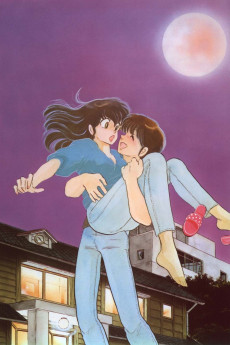
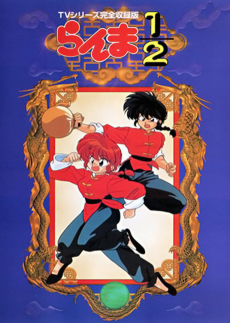
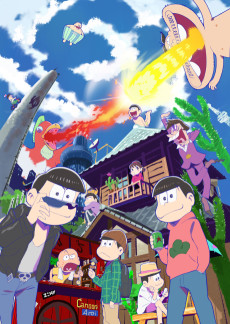
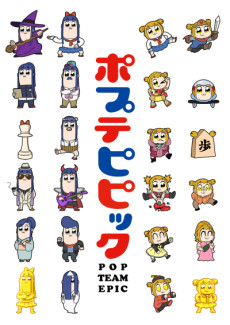
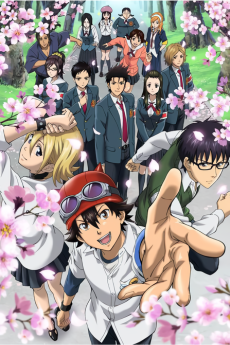
Kyoko Otonashi’s quiet grief in Maison Ikkoku—lingering at her husband’s grave, adjusting to life at the boarding house—echoes Jimmy Hopkins’ unspoken loneliness beneath Bully’s slapstick chaos. Unlike most teen comedies, both use 😂 Comedy & Parody not to deflect pain but to frame it: Godai’s clumsy romantic failures mirror Jimmy’s pranks as fragile armor against vulnerability. This mutual layering of melancholy and farce makes their resonance startlingly tender—not despite the absurdity, but *through* it.





























































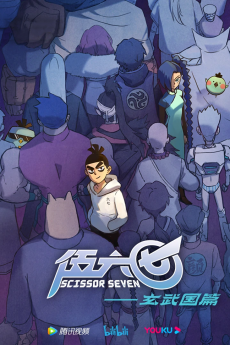





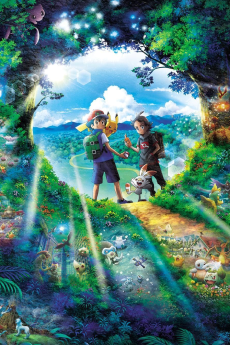
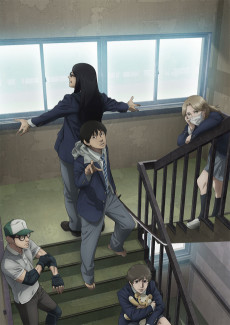


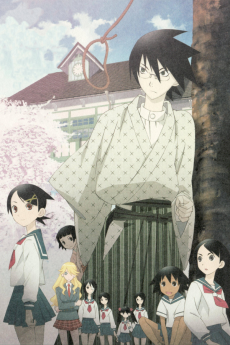











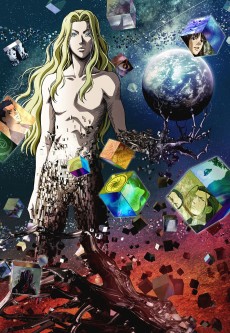





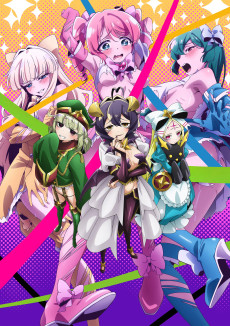

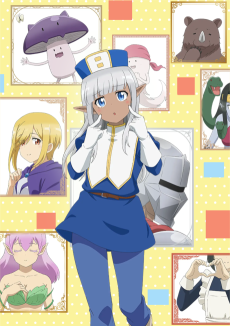


Match Dimensions Explained
❓Frequently Asked Questions
Why is The Comic Artist & His Assistants considered similar to Bully: Scholarship Edition?
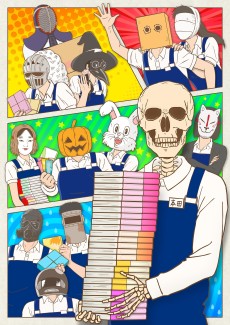
It nails Bully’s blend of absurd school-adjacent chaos and grounded emotional stakes—like when Aoki gets dragged into increasingly ridiculous ‘assistant training’ scenarios that mirror Jimmy’s escalating pranks and social maneuvering at Bullworth. Both use humor to explore isolation and identity, especially in scenes where the protagonist stumbles through awkward social rituals (think Jimmy trying to impress Zoe vs. Aoki fumbling his way through manga deadlines and romantic missteps).
Is there an anime adaptation of Bully: Scholarship Edition?
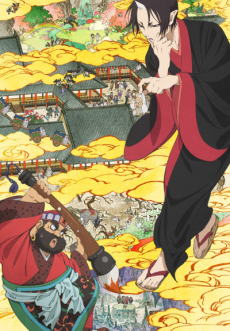
Nope—Rockstar never made an anime adaptation, and none exist officially. But if you’re craving that same vibe, Maison Ikkoku delivers with its richly drawn boarding house setting, layered character dynamics, and tonal balance: one minute you’re laughing at Godai tripping over his own feet like Jimmy dodging jocks in dodgeball, the next you’re quietly gutted by a melancholic moment in the rain—just like Jimmy’s quieter walks past the dorms after a tough mission.
How does Komi Can’t Communicate compare to Bully in terms of school hierarchy and social navigation?
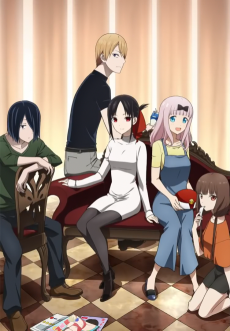
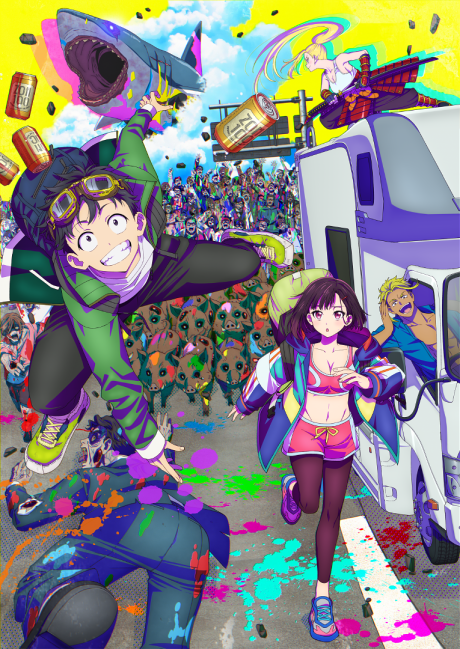
Both zero in on how exhausting—and hilarious—it is to decode unspoken social rules: Komi’s silent panic during class roll call or lunchroom seating mirrors Jimmy’s early-game anxiety sizing up cliques in the cafeteria. And just like Jimmy gradually earns trust by helping nerds (like Rusty) or standing up to bullies (like Gary), Komi builds real connection through small, brave acts—like finally whispering her name to Tadano, echoing Jimmy’s first genuine handshake with a former enemy.
What if I love Bully’s mix of mischief and melancholy but want something less violent and more slice-of-life?
Then Arakawa Under the Bridge is your perfect match—it swaps dodgeball for surreal street-living, but keeps that same heart: quirky characters orbiting a socially adrift teen (Kou), absurd yet meaningful missions (like retrieving a stolen umbrella from a gang of pigeons), and sudden quiet moments—like Kou staring at the bridge at dusk—that hit with the same wistful weight as Jimmy sitting alone on the hill overlooking Bullworth Academy.