
Tatsuki Fujimoto 17-26
An anthology series adapting 8 short stories created by manga artist Tatsuki Fujimoto between ages 17 and 26.
1) A Couple Clucking Chickens Were Still Kickin' in the Schoolyard (Dir. Seishirou Nagaya, ZEXCS)
2) Sasaki Stopped a Bullet (Dir. Nobukage Kimura, Lapin Track)
3) Love is Blind (Dir. Nobuyuki Takeuchi, Lapin Track)
4) Shikaku (Dir. Naoya Ando, GRAPH77)
5) Mermaid Rhapsody (Dir. Tetsuaki Watanabe, 100Studio)
6) Woke-Up-as-a-Girl Syndrome (Dir. Kazuaki Terasawa, Studio Kafka)
7) Nayuta of the Prophecy (Dir. Tetsuaki Watanabe, 100Studio)
8) Sisters (Dir. Osamu Honma, P.A.WORKS)
Note: This anime had a pre-release world premiere at the "Global Stage Hollywood 2025" film festival on October 5, 2025. A general two-week theatrical run in Japan divided into two parts released on the same day October 17, 2025. The anime series later streamed worldwide in Amazon Prime Video on November 8, 2025.
📺Anime Details
📝Editorial Analysis
The fluorescent hum of a school hallway at 3:17 p.m., just after the last bell — not empty, but thin: two students leaning against lockers, one holding a cracked plastic egg that won’t hatch no matter how long they stare, the other humming a tune with no melody. No punchline lands. No magic flares. Just the quiet weight of something almost meaningful, slipping through fingers like warm sand. That’s Tatsuki Fujimoto 17–26 — not in its explosions or mermaids or bullets stopped mid-air, but in the hush between them.

What makes it ache isn’t the surrealism — it’s how casually it treats consequence. A boy stops a bullet, yes — but the real tension lives in his roommate’s offhand remark about laundry detergent. A mermaid sings in a bathtub while her human friend scrolls TikTok, both pretending the water isn’t rising. There’s no grand mythology anchoring these stories — just urban gravity: the way family dinners feel heavier when no one speaks, how magic flickers like a faulty streetlamp, how love arrives wrapped in awkwardness so precise it stings. It doesn’t ask what if? — it asks what now?, and answers with shrugs, sighs, and sudden, startling tenderness. You don’t feel wonder here — you feel recognition, sharp and quiet, like hearing your own heartbeat in an empty room.
That same emotional DNA pulses in Prince of Persia, where melancholic exploration isn’t about ruins, but about time’s soft erosion — the way the new Prince moves through sun-drenched courtyards with a lightness that feels borrowed, haunted by echoes he can’t name. The player review nails it: “a new prince, new lands… completely separate” — just like Fujimoto’s anthology, each story is a self-contained world built on absence, not exposition. The comedy isn’t slapstick; it’s the parody of legacy, the absurdity of carrying a title you didn’t choose — mirroring how Fujimoto’s teens wield magic like hand-me-down coats, too big, slightly ridiculous, deeply personal.
Then there’s Tank Universal, where the sci-fi spectacle hides something rawer: a child playing tanks with dad, then losing the game, then losing the dad. The description calls it a “rich virtual sci-fi 3D world,” but the review fractures it open — “Play cool tank game with dad when you were 6… Grew up dad passes away…” That’s the anime’s rhythm: vast, colorful, technically dazzling surfaces, under which thrums emotional narrative as tactile as a worn controller. Fujimoto’s Sasaki Stopped a Bullet doesn’t linger on physics — it lingers on Sasaki’s thumb brushing his classmate’s wrist as they pass a soda can. Same texture. Same melancholic exploration — not of dungeons or deserts, but of the space between people who almost connect.
And Disco Elysium - The Final Cut, with its “unique skill system” and “whole city to carve your path across,” mirrors the anthology’s structural daring — every short story is a mind you enter, fully formed, with its own logic, trauma, and dark humor. The player review quotes capital subsuming critique — Fujimoto does the same: his characters weaponize irony, deflect grief with non-sequiturs, wear absurdity like armor. Both understand that comedy & parody aren’t escapes from pain — they’re the language pain learns to speak when it’s been living in cramped apartments and crowded classrooms for too long.
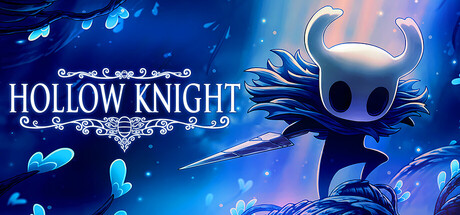
This pairing isn’t for fans of lore dumps or power fantasies. It’s for the person who rewatched Mermaid Rhapsody three times because of how the mermaid’s tail flicks just once against the porcelain rim — not for spectacle, but because it looked tired. It’s for the player who paused Hollow Knight not at the boss fight, but at the silent shot of a broken lantern swaying in windless air. It’s for anyone who’s ever laughed too loud at a funeral, cried during a grocery run, or held a dead phone to their ear just to hear the dial tone one more time — quiet, aching, and utterly alive.
🎮26 Games That Match the Vibe




Match Dimensions Explained
❓Frequently Asked Questions
Why does Tank Universal feel so emotionally heavy compared to other tank games?
It’s not just the tanks—it’s how the game wraps melancholy into its core: that bittersweet player review about playing with your dad at age 6, then losing access, then losing him… that emotional throughline echoes in the lonely neon corridors and AI allies who quietly remember you. Hollow Knight nails this too, especially in the silent, rain-soaked ruins of Deepnest or the hollowed-out devotion of Hornet’s shrine—but Tank Universal leans harder into personal memory as world-building.
Is there an anime or manga adaptation of Disco Elysium or Hollow Knight that captures the same Tatsuki Fujimoto vibe?
No official anime or manga adaptations exist for either—Disco Elysium remains a purely narrative-driven RPG (with zero cutscene animation beyond static portraits), and Hollow Knight’s lore is delivered via environmental storytelling and cryptic bug-dialogue, not serialized panels. That said, fans often compare Hollow Knight’s fragmented tragedy—like the Quiet Council’s fall or the Pale King’s grief—to Fujimoto’s layered, morally ambiguous character collapses.
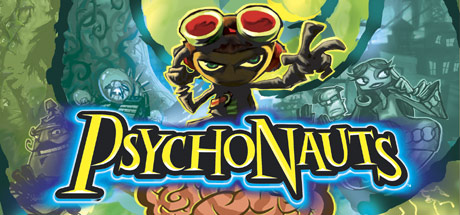
How does Prince of Persia (2024) compare to Psychonauts in terms of balancing absurd comedy with melancholic exploration?
Both lean into surrealism to soften sorrow—but Prince of Persia uses slapstick timing and fourth-wall-breaking banter (like the Prince groaning at his own narration) amid crumbling, sand-choked palaces, while Psychonauts dives headfirst into therapy-gone-wild: think Coach Oleander’s delusional military parade level or the heartbreaking ‘Butt Massage’ memory sequence. Their shared ‘Comedy & Parody + Melancholic Exploration’ dimension makes them spiritual cousins—not clones.
What’s the best game like Tatsuki Fujimoto 17-26 if I want something deeply sad but also weirdly funny while exploring?
Disco Elysium — The Final Cut is your top pick. It’s got that exact Fujimoto tonal whiplash: one minute you’re negotiating with a sentient piece of trash named ‘The Drowned’ in a rain-lashed alley, next you’re having a full existential breakdown over capitalism while your Skill checks mutter sarcastic commentary. The ‘Melancholic Exploration, Comedy & Parody, Emotional Narrative’ triple-dimension match isn’t accidental—it’s baked into every drunken monologue and failed persuasion roll.