
Just Cause 2
Dive into an adrenaline-fuelled free-roaming adventure with 400 square miles of rugged terrain and hundreds of weapons and vehicles.
🎮Game Details
💬What Players Say
"Just Cause 2 was special. it never had aspirations to be more than a fun b-movie game with lots of stunts and explosions and in every way, is a delight. Grappling to basically anything, pulling the chute to start flying and using the grappel to pull yourself along is fun, but also when applied to quickly hijacking vehicles, or surfing atop them, the pure act of getting around is just fun...."
"this game has a lot of problems but still fun to play and cause choas. the grappling is way better than Just Cause 1 and there is no invisible dogs and chickens that do not stfu. the motorcyles are terrible to drive because the camera tilt when I turn in corners, also braking while driving cars at high speeds cause it to slide even when driving in a straight line...."
"Good Fun Game Love The Pyshics Graphics areant top notch but other than that i reccomened this game!"
📝Editorial Analysis
You’re dangling upside-down from a cable car, one hand gripping the rusted railing, the other holding a detonator. Below you, a convoy of enemy trucks swerves wildly as your grappling hook yanks the lead vehicle sideways—crunch—into a palm tree. A coconut drops. A chicken squawks. You laugh—not because it’s clever, but because it’s stupid, and the physics let it happen, and no one’s stopping you. That’s Just Cause 2: 400 square miles of rugged terrain where chaos isn’t scripted—it’s permitted, even encouraged, as long as it’s loud, loose, and lopsided.

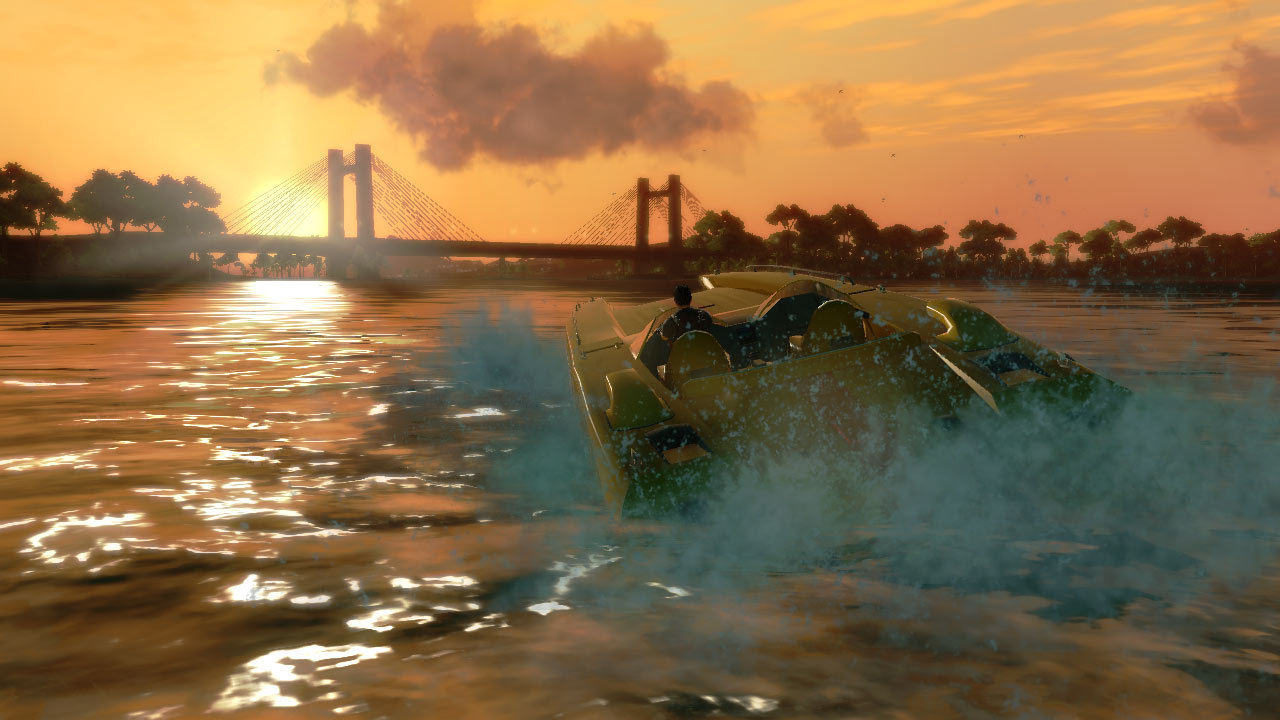

This isn’t about stakes or consequence. It’s about permission. The official description promises “adrenaline-fuelled free-roaming,” but what it delivers is something quieter and rarer: the emotional relief of a system that refuses to take itself seriously. Player reviews call it a “fun b-movie game”—not ironic, not apologetic, just unburdened. There are no invisible dogs or chickens that “do not stfu,” no nagging UI, no moral calculus—just grappling to basically anything, pulling the chassis off a tank like it’s taffy, watching motorcycles flip mid-air with physics that prioritize joy over realism. The graphics aren’t top notch, the story doesn’t linger—but none of that matters, because the game’s core feeling is lightness: the giddy, almost melancholic lightness of knowing nothing here has to mean anything at all.
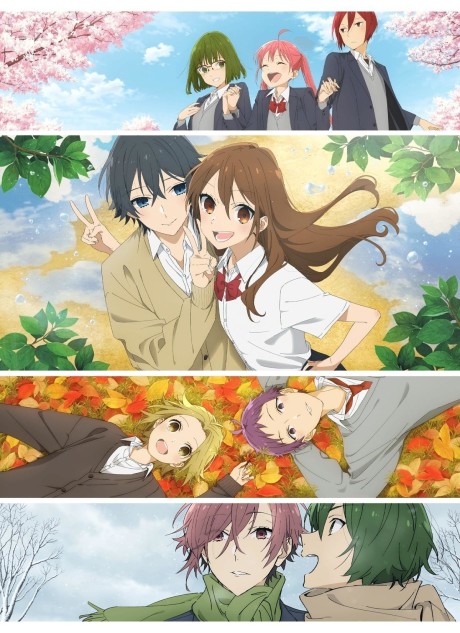
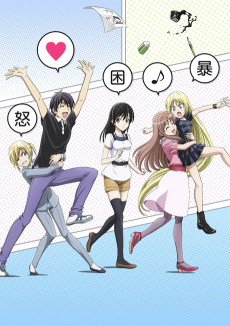
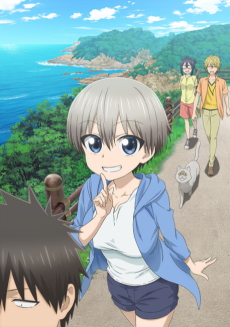
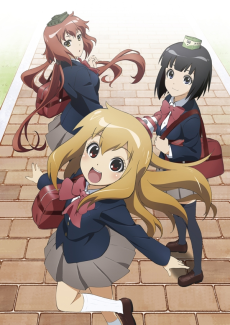
That’s why its emotional DNA syncs so precisely with anime like Komi Can’t Communicate, Tonari no Seki-kun, and Take My Brother Away!—all scoring 72 on the same dimensions: Comedy & Parody, Melancholic Exploration. Not melancholy as sadness, but as gentle, shared awareness of life’s absurd weight—and the defiant, playful choice to distract yourself from it. In Komi Can’t Communicate, silence isn’t emptiness; it’s fertile ground for escalating, surreal physical comedy—Komi’s panicked freeze-frame expressions, the way her classmates invent increasingly elaborate workarounds just to hear her voice. Like Just Cause 2, it treats emotional vulnerability as a launchpad for slapstick, not a barrier to it. The grappling hook isn’t just a tool—it’s a metaphor: reaching out, awkwardly, repeatedly, without fear of looking foolish.
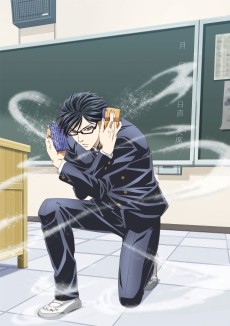
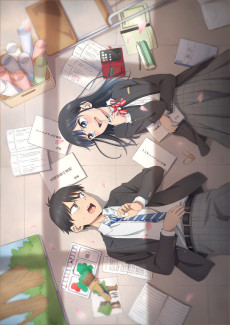
Tonari no Seki-kun mirrors this with surgical precision. Seki’s desk-based theatrics—miniature battles, Rube Goldberg eraser traps, origami espionage—are pure, uncut parody of seriousness. He doesn’t escape reality; he over-engineers distraction, turning boredom into an art form. That’s Just Cause 2’s entire design ethos: every weapon, every vehicle, every crumbling radio tower exists not to advance plot, but to interrupt gravity, to turn a patrol route into a Rube Goldberg chain reaction of explosions and flailing soldiers. Both understand that melancholic exploration isn’t wallowing—it’s noticing how thin the line is between dread and delight, then choosing delight with full awareness of the cost.
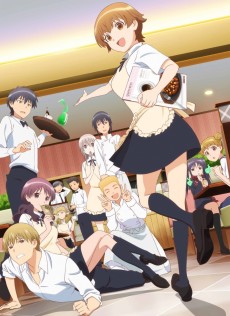
And Take My Brother Away!? Its frantic, fourth-wall-bending energy—the way siblings weaponize annoyance into choreographed farce—is the anime equivalent of stealing a helicopter just to drop a cow onto a parade. No motive beyond what if?, no payoff beyond the shared, breathless yes. The review says the motorcycles are t…—cut off, like laughter mid-sentence. That’s the tone: half-asleep, half-alive, typing with fingers still sticky from breakfast cereal, utterly committed to the nonsense. These anime don’t resolve their melancholy—they host it, serve it tea, and then slide a whoopee cushion under its chair.
So who loves this pairing? Not the player grinding for gear scores or the viewer tracking lore spreadsheets. It’s the person who’s ever stared at a ceiling fan and wondered what if I jumped and grabbed the blade?—then spent ten minutes sketching the trajectory in their notes app. It’s the reader who re-reads Komi’s silent panic attacks not for catharsis, but for the texture of her eyelashes trembling mid-blink. It’s the kind of person who finds deep comfort in systems that say, plainly: you don’t have to be efficient. You don’t have to be meaningful. You can just—grapple. To anything. Again.
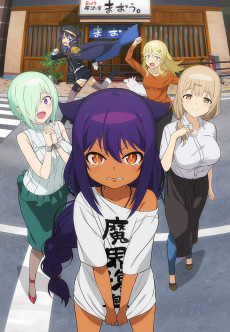
→130 Anime That Match the Vibe
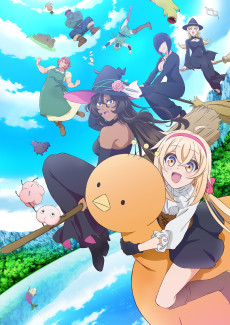
Connected through 3 aesthetic dimensions.
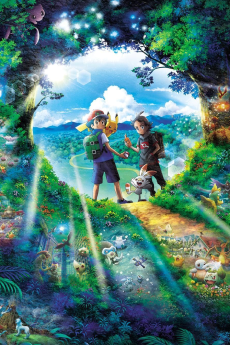
Connected through 2 aesthetic dimensions.
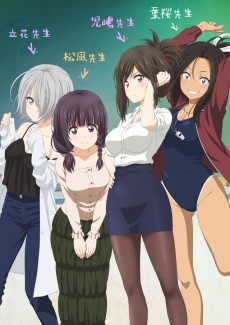
Komi’s silent classroom panic—fingers gripping her desk, breath shallow—mirrors Rico’s first parachute drop into Panau: both moments pivot on overwhelming sensory chaos masking deep vulnerability. 😂 Comedy & Parody emerges not from slapstick alone, but from how each work weaponizes absurd escalation (a grappling hook yanking a tank into orbit / Komi’s 100-step mental checklist before saying “hi”) to expose fragile interiority. Unlike most action or rom-com pairings, their melancholic exploration roots joy in the quiet courage of showing up—unarmed, unscripted, and utterly, hilariously human.
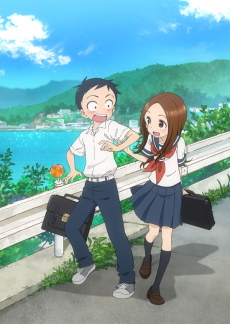
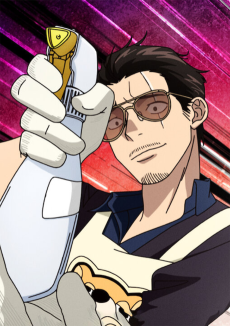
Takagi’s quiet smirk as she watches Nishikata fumble with his shoelaces echoes Rico’s grin mid-air—both weaponizing absurdity to disarm tension. Unlike most comedies that resolve embarrassment, *Teasing Master Takagi-san* (Season 1) lingers in the blush, just as *Just Cause 2* luxuriates in chaotic suspension: parachuting off cliffs, looping a jeep around a radio tower—not to win, but to feel the giddy, melancholic weight of freedom unmoored from consequence. 😂 and 🌿 aren’t opposites here; they’re the same breath—playful, tender, and strangely weightless.
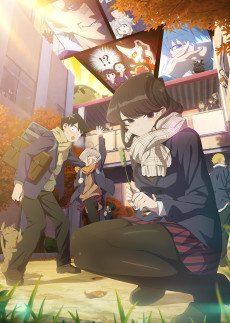
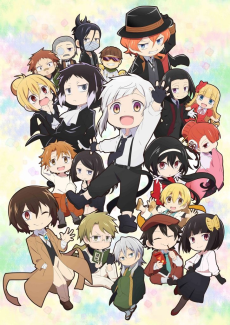
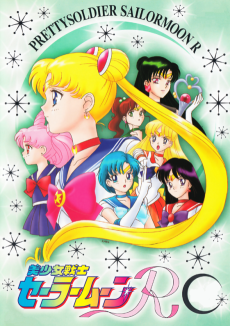
What if absurdity became a lifeline? In *Just Cause 2*’s volcanic chaos—where grappling hooks yank jeeps into typhoons—comedy isn’t just relief; it’s structural defiance against isolation. Similarly, *Komi Can’t Communicate Part 2* deepens its melancholic exploration as Komi’s silent yearning meets Tadano’s quiet persistence, turning everyday hallways into tender, trembling arenas—both weaponize 😂 Comedy & Parody to disarm despair, not evade it. That shared refusal to let vulnerability collapse under weight is startlingly resonant.

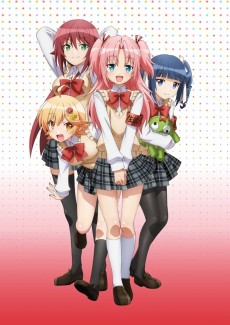
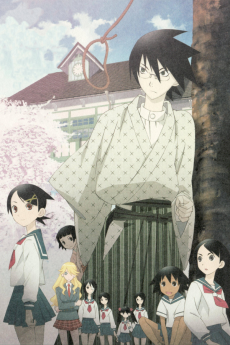
Seki-kun’s paper-clip catapults and origami armies—tiny, defiant acts of classroom anarchy—echo Rico Rodriguez’s absurd physics-driven chaos in Panau’s jungles and rooftops. 😂 Comedy & Parody thrives in both: Yokoi’s exasperated narration mirrors the game’s self-aware tone as Rico straps rockets to goats or triggers avalanches with a well-placed grenade. Unlike most sandbox games or school comedies, neither justifies its mayhem—they luxuriate in it, turning boredom and freedom into shared, melancholic play.
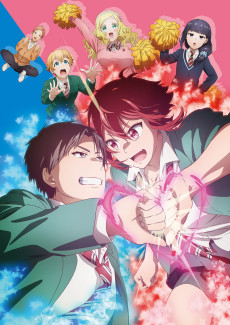
Connected through 2 aesthetic dimensions.
Connected through 3 aesthetic dimensions.
Connected through 2 aesthetic dimensions.

Connected through 2 aesthetic dimensions.




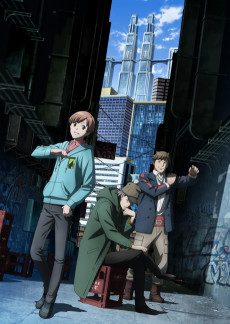

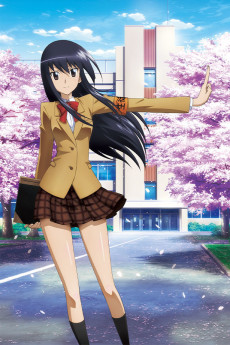
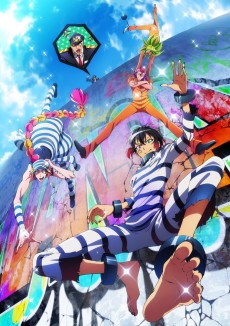
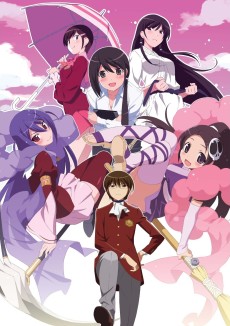












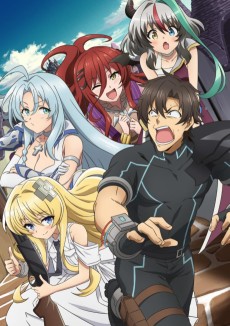
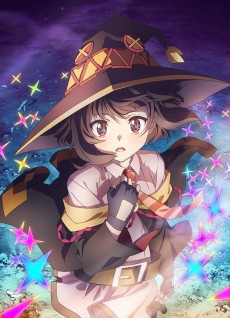
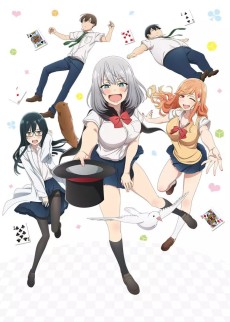
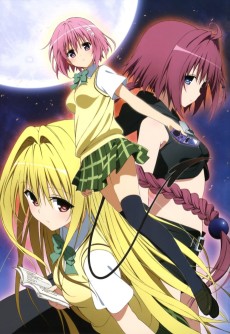














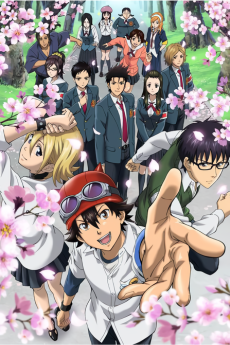

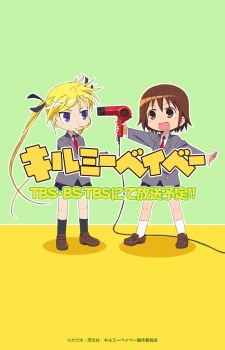

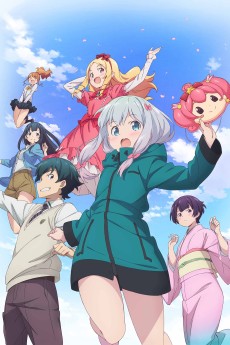


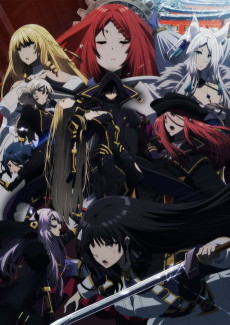
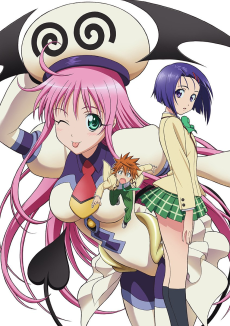


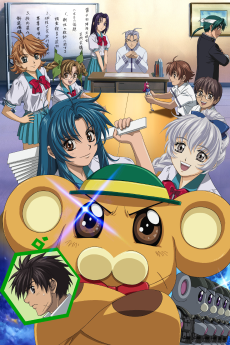
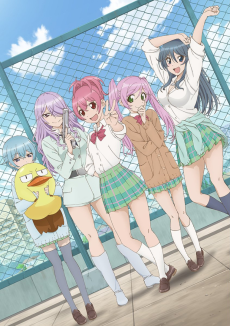



Match Dimensions Explained
❓Frequently Asked Questions
Why does Komi Can't Communicate show up on 'Anime Like Just Cause 2' lists when it's about social anxiety, not explosions?
It’s all about that shared *tonal whiplash*—just like JC2’s absurd grappling physics yanking you off cliffs into chaotic mid-air tumbles, Komi’s quiet panic spirals suddenly explode into hyper-stylized, physics-defying gags (like her collapsing into a perfect geometric pile of books or levitating mid-scream). Both weaponize over-the-top escalation for pure comedic release, not realism.
Is there an anime adaptation of Just Cause 2?
Nope—no official anime adaptation exists. But if you’re craving that same vibe of relentless, rule-of-cool chaos, Tonari no Seki-kun nails it: Seki’s desk-based ‘missions’ involve Rube Goldberg-level pranks with toy helicopters, rubber bands, and instant noodles—mirroring JC2’s ‘grapple anything, yank everything’ energy in miniature, school-supply form.
How accurate is the match between Just Cause 2 and The Comic Artist & His Assistants?
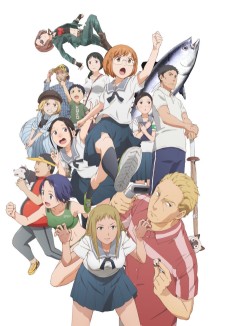
Surprisingly spot-on for tone: both treat creative chaos as sacred. JC2’s ragdoll physics and motorcycle stunts feel like the anime’s meta-gags—like when Asai’s manga panels literally tear through the page mid-fight, or his assistants hijack a scene with slapstick vehicular mayhem (a scooter ramping off a stack of manga volumes). It’s not about plot—it’s about joyful, self-aware demolition of expectations.
What if I love Just Cause 2’s ‘pull anything, cause chaos anywhere’ freedom but hate serious plots?
Then Take My Brother Away! is your jam—zero stakes, maximum silliness. Think JC2’s grappling hook replaced by Yui’s relentless, physics-bending brother-harassment: dragging him across rooftops via rope-and-pulley setups, launching him off homemade ramps, or strapping him to a runaway shopping cart—same impulsive, consequence-free, terrain-agnostic mayhem, just with more sibling yelling and fewer AK-47s.