
Arakawa Under the Bridge x Bridge
In the dry riverbed of Arakawa River, undefeated elite Ichinomiya Kou (aka Ric) met the lovely homeless girl Nino, a self-declared Venusian. Their awkward love stirs up trouble among the other strange inhabitants of the riverbed.
(Source: Anime News Network)
📺Anime Details
📝Editorial Analysis
The first time Ric kneels in the dry riverbed, hands pressed into cracked earth as Nino floats a dandelion seed toward his nose—her bare feet dusty, her voice humming nonsense about orbital resonance—you don’t laugh at them. You hold your breath. Not because it’s profound, but because it’s tenderly absurd: two people building intimacy out of broken concrete and celestial lies, while a man in full nun’s habit waters plastic flowers beside them. That moment isn’t setup or punchline. It’s gravity reversed—lightness with weight.
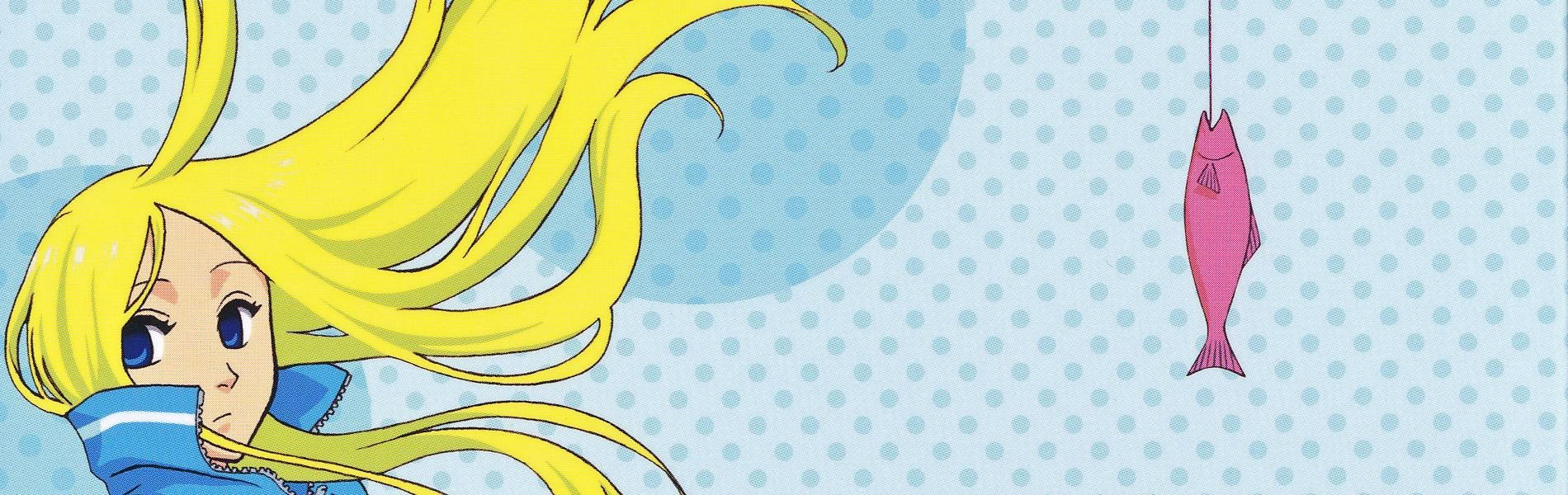
What Arakawa Under the Bridge x Bridge does isn’t surrealism for shock, but surrealism as shelter. Its world doesn’t obey logic—it obeys affection. The riverbed isn’t a setting; it’s a shared nervous system, pulsing with misfit warmth. You feel unmoored, yes—but also held. There’s melancholy in how carefully these characters guard their delusions: Nino’s Venusian origin, P-ko’s self-appointed priesthood, the bridge-dwelling philosopher who argues ethics using stolen convenience-store bento boxes. None of it is mocked—not truly. The show treats belief not as error, but as architecture: flimsy, handmade, desperately necessary. It makes you think about how much love looks like improvisation—how often we build homes from whatever scrap materials are lying around, and call them real.
That emotional DNA hums in Prince of Persia, where the melancholic exploration isn’t just scenery—it’s the prince walking alone through sun-bleached ruins, his movements fluid but heavy with inherited silence. The player review notes it’s “a new prince, new lands… completely separate” — and that’s key: like Ric shedding his elite identity to live under the bridge, this Prince begins unmoored from legacy, learning to move with the world instead of conquering it. His parkour isn’t just agility—it’s surrender to rhythm, much like Ric learning to catch Nino’s non-sequiturs without correcting them. Both ache with the quiet joy of starting over, barefoot on cracked earth.
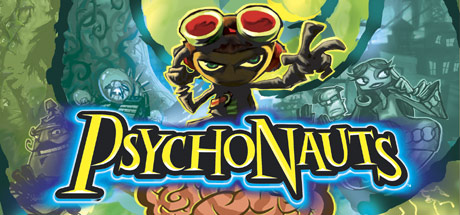
Then there’s Psychonauts, whose description calls it “A Psychic Odyssey Through the Minds of Misfits, Monsters, and Madmen.” Not villains—misfits. Like Arakawa’s ensemble, each mind is a warped, lovingly detailed ecosystem: paranoid, fragile, hilarious, alive. The player review’s bizarre phrasing—“milking of certain highly creamy men”—feels like something straight out of the anime’s own linguistic anarchy: nonsensical, oddly reverent, emotionally precise in its wrongness. Both works treat mental landscapes not as pathology, but as terrain—places where logic bends to accommodate feeling, where a nun’s rosary beads might double as stress balls and a psychic’s inner world might be shaped like a collapsing carnival. The melancholic exploration here isn’t sadness—it’s the hush before laughter, the reverence in absurdity.
And Bully: Scholarship Edition, with its portrait of “mischievous 15-year-old Jimmy Hopkins” navigating “hilarity and awkwardness of adolescence,” shares that same episodic tenderness. The review mentions beating jocks at dodgeball and saving nerds—not as power fantasy, but as social choreography. Just like Ric negotiating between Nino’s cosmic whims and the bridge’s chaotic democracy, Jimmy moves through Bullworth Academy’s hierarchies not to dominate, but to translate: turning detention into alliance, pranks into lifelines. The comedy & parody isn’t cynical—it’s armor polished with care. Both understand that growing up under impossible conditions means inventing your own grammar of belonging.
This pairing isn’t for fans of “whimsy” as decoration. It’s for the person who’s ever sat cross-legged on pavement, sharing lukewarm tea with someone who insists they’re from another planet—and believed, just for ten minutes, that maybe they were. It’s for the player who pauses mid-parkour to watch dust motes swirl in a sunbeam, or who spends twenty minutes reorganizing Psychonauts’ mental filing cabinets not for points, but for peace. It’s for anyone who’s built a home out of mismatched parts and called it enough. Not perfect. Not stable. But theirs. And warm. And real.
🎮10 Games That Match the Vibe







Match Dimensions Explained
❓Frequently Asked Questions
Why does Prince of Persia keep showing up in 'Games Like Arakawa Under the Bridge x Bridge' lists?
Because both lean hard into surreal, melancholic exploration wrapped in absurdist comedy—like Prince of Persia’s dreamlike desert ruins and time-bending sequences mirroring Rikuo’s disoriented walks through the bridge’s cluttered, emotionally charged hideouts. The game’s tone (79 Metacritic, 'Melancholic Exploration + Comedy & Parody') matches Arakawa’s blend of poetic loneliness and sudden slapstick—think Nino’s flower-petal monologues juxtaposed with the Prince’s deadpan narration amid crumbling palaces.
Is there an official video game adaptation of Arakawa Under the Bridge x Bridge?
No—there’s never been a licensed game based on Arakawa Under the Bridge or its sequel x Bridge. All current matches (like Psychonauts or Bully) are tonal parallels, not adaptations. Psychonauts, for example, nails that same off-kilter empathy: Raz’s journey into fractured minds echoes how Arakawa frames its characters’ quirks as tender, vulnerable truths—not punchlines—like when he explores Coach’s guilt-ridden psyche just like Rikuo slowly understands P-ko’s obsessive devotion.
How does Bully compare to Psychonauts for Arakawa fans who love chaotic school-life satire?
Bully leans into grounded, cringe-fueled adolescence—Jimmy’s pranks on preppies or dodgeball rivalries feel like direct cousins to Rikuo’s awkward class-presence scenes at Aikyō Academy—but Psychonauts goes deeper into surreal emotional metaphor, like Raz navigating a camp counselor’s anxiety as a literal collapsing carnival. Both hit the 'Comedy & Parody + Melancholic Exploration' sweet spot (both 70 Metacritic), but Bully’s vibe is more 'awkward hallway encounters,' while Psychonauts is 'Nino’s inner world rendered as sentient origami birds.'
What’s the best game like Arakawa Under the Bridge x Bridge if I want something that feels quietly sad but makes me snort-laugh at dumb physics?
Garry’s Mod is your answer—it’s pure unscripted, melancholic absurdity: imagine rebuilding the Arakawa bridge out of ragdolls and teacups while Nino’s voice line plays over a glitching radio. It shares the exact same dual dimension ('Comedy & Parody + Melancholic Exploration') and 70 Metacritic score as Psychonauts and Bully, and that player review about S&Box disappointment? Yeah—that same DIY, emotionally resonant chaos is why GMod’s sandbox feels like hanging out at the bridge after midnight: messy, weird, and weirdly tender.