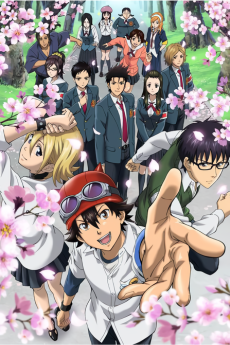
SKET Dance
At Kaimei High School, the Living Assistance Club (aka the Sket Brigade) was organized to help students with problems big or small. Most of the time, though, they hang out in their club room, bored, with only a few trivial problems floating in every once in a while. In spite of this, they still throw all their energy into solving these worries.
(Source: Crunchyroll)
📺Anime Details
📝Editorial Analysis
The fluorescent hum of the SKET Dance clubroom—empty soda cans stacked like leaning towers, a half-drawn poster for “Free Advice (Terms & Conditions Apply)”, and Bossun’s earnest voice cracking mid-sentence as he tries to explain why duct tape is a viable solution for a broken locker latch—that’s where it lives. Not in grand battles or world-ending stakes, but in the sticky residue of effort applied to things that barely matter: a lost eraser, a misdelivered love letter, the existential dread of choosing a lunch menu. You feel the weight of their sincerity pressing against the absurdity, like holding your breath underwater while laughing.
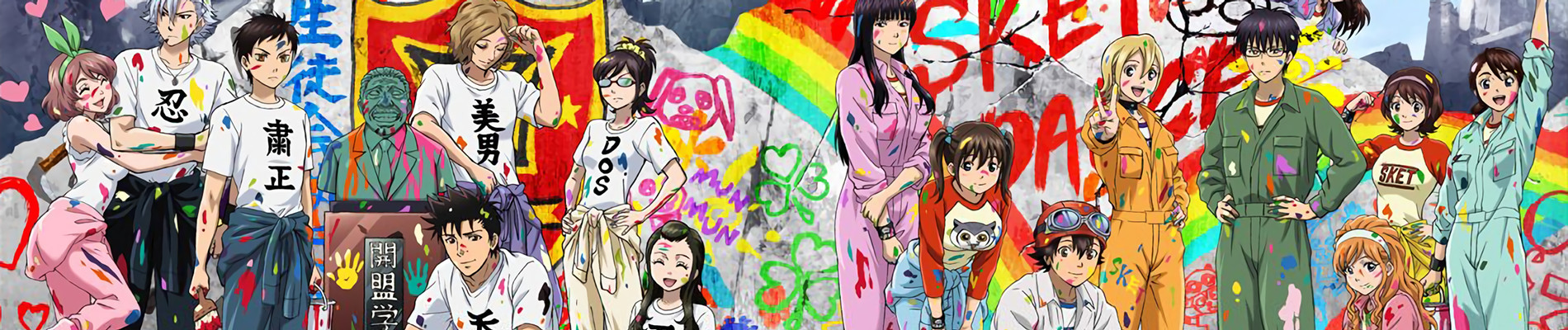
What makes SKET Dance vibrate isn’t its shōnen label or its slapstick—it’s the tenderness buried under layers of self-aware silliness. It’s the way the show lingers on quiet moments: Himeko folding origami cranes during a lull, Switch staring blankly at a flickering lightbulb, Bossun rehearsing pep talks to an empty chair. There’s no irony shielding the characters from their own vulnerability. The comedy doesn’t undercut the feeling—it carries it. You don’t watch to escape reality; you watch because this version of reality—where small kindnesses are treated like sacred rituals and boredom is a shared language—feels honest, even when it’s ridiculous. It’s melancholic exploration disguised as goofball filler: the ache of growing up without fanfare, the warmth of showing up for each other when nothing’s on fire.
That emotional DNA—the blend of comedy & parody with melancholic exploration—is exactly why Prince of Persia resonates. Its description calls it “an all-new epic journey” built on “new lands and a brand new story completely separate from the sands…”—but the player review hints at something quieter beneath the reboot: the weight of legacy, the loneliness of stepping into a role no one asked you to fill. Like Bossun fumbling through leadership without a manual, the Prince navigates mythic terrain with palpable uncertainty. Both ask: what does it mean to try this hard at something that might not be remembered? The gravity isn’t in the scale—it’s in the effort.
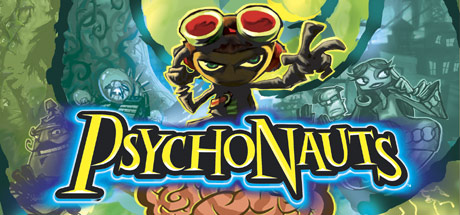
Then there’s Psychonauts, described as “A Psychic Odyssey Through the Minds of Misfits, Monsters, and Madmen.” That phrase—misfits, monsters, madmen—could be lifted straight from Kaimei High’s yearbook. The club doesn’t fix people; they enter their messy, unpolished inner worlds (a literalized version of SKET’s emotional labor). And the player review’s odd, fragmented praise—“his utters are beautifully rendered”—mirrors SKET’s own tonal whiplash: surreal, tender, slightly off-kilter, yet unmistakably human. Both treat psychological fragility not as pathology, but as terrain worth mapping with curiosity and duct tape.
And Bully: Scholarship Edition, whose description centers on “the hilarity and awkwardness of adolescence,” lands with eerie precision. “Beat the jocks at dodge ball, play pranks on the preppies, save the nerds”—that’s not gameplay loop, it’s SKET’s entire operating system. The player review’s technical complaint (“crashing on PC… works great on Steam Deck”) feels like a meta-wink: the game’s charm survives its glitches, just as SKET’s heart survives its narrative meanderings. Both understand that adolescence isn’t a plot—it’s a series of overlapping, poorly coordinated interventions, delivered with equal parts bravado and doubt.
This pairing sings for the person who cries during a cafeteria food fight, who saves a stranger’s dropped notebook and writes them a haiku about it, who replays the same 30 seconds of a game not for mastery—but because the lighting on that rain-slicked alley, the way the character sighs before jumping, the weight of the pause before the joke lands… it reminds them of how it felt to be sixteen and convinced every tiny act mattered. Not because it changed the world—but because, for thirty seconds, it changed them.
🎮9 Games That Match the Vibe






Match Dimensions Explained
❓Frequently Asked Questions
Why does Bully: Scholarship Edition feel so much like SKET Dance despite being set in a boarding school?
Because both lean hard into chaotic, character-driven comedy with heart—Jimmy Hopkins pulling pranks on preppies or beating jocks at dodge ball mirrors Bossun’s over-the-top club antics and rapid-fire gags. The melancholic exploration dimension shows up in quiet moments too, like Jimmy sitting alone on the clock tower at dusk, echoing SKET Dance’s bittersweet undercurrents beneath the slapstick.
Is there a SKET Dance anime or game adaptation?
No official SKET Dance game exists—but Bully: Scholarship Edition is the closest spiritual match, capturing that same high-energy, ensemble-cast school comedy vibe with genuine emotional texture. Fans often say playing Bully feels like stepping into a playable version of SKET Dance’s rhythm: absurd hijinks (prank wars, club rivalries) grounded by real teen vulnerability.
How does Psychonauts compare to Bully for SKET Dance fans?
Both nail the 'wacky but weirdly heartfelt' tone, but Psychonauts leans harder into surreal parody—like Raz navigating Coach Oleander’s militaristic mind (all marching band drills and repressed rage), which mirrors SKET Dance’s satire of school hierarchy. Bully keeps it grounded in physical comedy and social dynamics, while Psychonauts goes full psychic metaphor—but they share that rare blend of laugh-out-loud absurdity and melancholic exploration.
What’s the best SKET Dance-like game if I just want chaotic, joyful, stress-free fun?
Just Cause 2—seriously! Its 400-square-mile sandbox lets you chain stunts, hijack tanks, and trigger absurd explosions with zero consequences, channeling SKET Dance’s infectious, consequence-light energy. It’s not about plot—it’s about the joy of momentum and surprise, like when Bossun launches into an impromptu dance routine mid-club meeting: pure, unfiltered, gleeful chaos.