
Bludgeoning Angel Dokuro-chan
📺Anime Details
📝Editorial Analysis
The crunch of a bamboo sword snapping across Sakura’s skull—then the wet schlick as Dokuro-chan’s pink hair flares like a halo above his bleeding forehead—isn’t just violence. It’s punctuation. A full stop in a sentence written in glitter glue and arterial spray. He blinks, dazed, blood dripping into his mouth—and laughs. Not nervously. Not resignedly. Delightedly. Because this isn’t punishment. It’s communion.
That’s the core feeling: a euphoric, vertiginous loop where tenderness and trauma are indistinguishable, where love arrives wrapped in splinters and delivered with a grin. Bludgeoning Angel Dokuro-chan doesn’t parody shonen tropes—it inhabits them like a possessed shrine bell, ringing with manic sincerity. The urban fantasy setting isn’t backdrop; it’s pressure-cooked intimacy—Sakura’s cramped apartment, the school hallway that warps mid-slapstick, the way Dokuro-chan’s angelic wings unfurl not for flight but to shield him from a falling ceiling tile she just caused. There’s no irony here, only fervent absurdity: every act of brutality is laced with devotion, every gory gag pulses with emotional honesty. You don’t watch it at arm’s length—you’re pinned under its knee, grinning up at the blade, heart hammering with recognition, not shock. It makes you feel seen in your own contradictions: how you can adore someone who ruins your life, how joy and panic share the same breath.
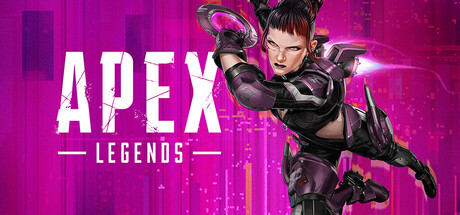
Apex Legends™ lands at 70% match—not because of its squad-based tactics, but because of its melancholic exploration nested inside relentless, high-velocity parody. The game’s lore drips with quiet grief—bloodied banners, abandoned colonies, ghosts in respawn beacons—yet its moment-to-moment rhythm is pure, caffeinated slapstick: Octane bouncing off walls while screaming nonsense, Wraith’s portal glitches turning fatal falls into accidental dance moves. Like Dokuro-chan’s sudden shift from disemboweling a demon to braiding Sakura’s hair with her own ribbons, Apex weaponizes tonal whiplash as emotional truth. Its tactical warfare isn’t about strategy—it’s about shared survival euphoria, the kind that blooms when your teammate revives you mid-air after you’ve just been vaporized by a sniper… and then immediately trips over a crate. That exact whiplash warmth—where danger and devotion fuse in real time—is what makes the pairing vibrate.
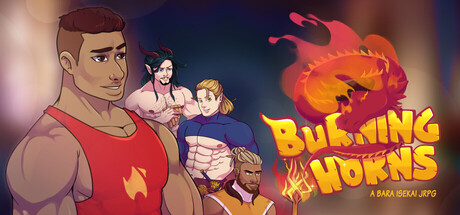
Burning Horns: A Bara Isekai JRPG (67%) mirrors Dokuro-chan’s dark fantasy texture, but crucially, it shares the anime’s refusal to separate eroticism from existential dread. Its tagline—“Bara Isekai”—signals a world where desire and decay aren’t opposites but collaborators: muscle-bound warriors weep over wilted roses growing from their own cracked armor, healing magic leaves permanent scars shaped like lovers’ initials. Like Dokuro-chan’s “punishment” scenes—where Sakura’s wounds glow faintly gold before sealing, leaving behind a warm, humming residue—the game treats intimacy as physically transformative, even violent. Its parody isn’t mocking genre conventions; it’s overloading them until they short-circuit into raw feeling. When Dokuro-chan declares “I’ll kill you a thousand times to keep you alive forever,” it’s not edgy—it’s devotional logic. So is Burning Horns’s combat system, where critical hits trigger confession cutscenes mid-battle, blood splatter forming temporary constellations above dying foes. Both refuse to let love be gentle.
Prince of Persia (64%) surprises—but its melancholic exploration resonates deeply. The player review notes it’s “a new prince, new lands… completely separate from the sands.” That deliberate erasure echoes Dokuro-chan’s own fractured continuity: timelines reset without explanation, memories flicker like faulty bulbs, Sakura wakes up again with no memory of yesterday’s near-death experience—only the lingering scent of Dokuro-chan’s strawberry shampoo on his collar. Both works treat amnesia not as plot device but as emotional architecture: what remains when context vanishes? In Prince of Persia, it’s the weight of a father’s absence, the ache of a kingdom’s silence—felt in the way the Prince’s parkour stutters when he passes an empty throne room. In Dokuro-chan, it’s the quiet horror beneath the laughter: Sakura never asks why she keeps coming back. He just opens the door, sees her glowing eyes in the dark, and smiles—because the feeling is enough. The melancholy isn’t sadness. It’s recurrence as love.
This pairing isn’t for fans of “funny anime” or “cool games.” It’s for people who’ve ever laughed so hard their ribs hurt—and felt that pain confirm they were alive. For those who find comfort in chaos, who trust affection more when it’s delivered with a weapon, who recognize their own messy, contradictory heart in the gap between a scream and a sigh. If you’ve ever kissed someone right after they yelled at you—or cried while watching a cartoon angel decapitate a bureaucrat with a spoon—you’re already speaking its language.
🎮25 Games That Match the Vibe





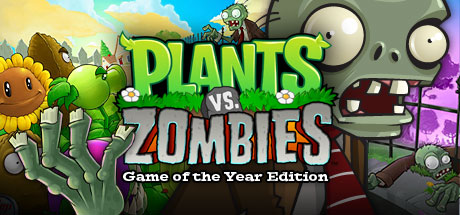
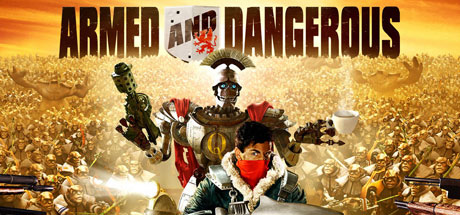
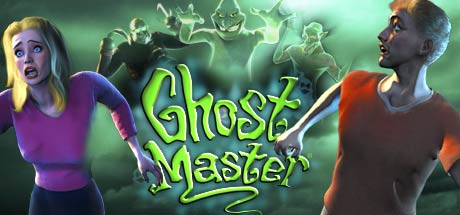
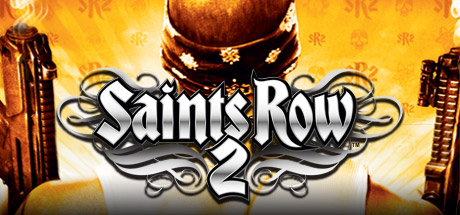
Match Dimensions Explained
❓Frequently Asked Questions
Why is Apex Legends listed as similar to Bludgeoning Angel Dokuro-chan when it's a shooter?
Because both lean hard into over-the-top comedy and parody—like Dokuro-chan’s absurd head-chopping gags, Apex’s Wraith doing goofy voice lines mid-fight or Bloodhound yelling ‘You’re all out of time!’ with cartoonish menace. It’s not about genre—it’s that shared DNA of chaotic, self-aware humor layered over intense action (tactical warfare in Apex, slapstick violence in Dokuro-chan).
Is there a Bludgeoning Angel Dokuro-chan game adaptation?
No official game adaptation exists—but Burning Horns: A Bara Isekai JRPG hits that same tonal sweet spot: dark fantasy meets relentless parody, like Dokuro-chan’s sudden tonal whiplash from cute to grotesque. Its protagonist gets repeatedly humiliated in increasingly surreal ways, mirroring Dokuro’s ‘baka!’-fueled punishment scenes and the series’ love of breaking fourth-wall logic.
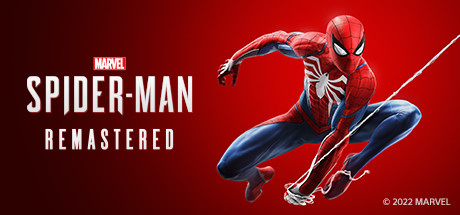
How does Prince of Persia compare to Marvel’s Spider-Man Remastered for Dokuro-chan fans?
Both nail the ‘melancholic exploration + comedy & parody’ combo—but Prince of Persia leans into poetic, sand-swept sorrow (think the Prince’s quiet guilt amid acrobatic chaos), while Spider-Man Remastered bounces between heartfelt Peter Parker moments and quippy, physics-defying web-swinging gags—closer to Dokuro-chan’s rapid shifts between tender character beats and sudden, violent slapstick (like Dokuro beheading Sakura mid-conversation).
What’s the best game like Bludgeoning Angel Dokuro-chan if I want that mix of cute girls, sudden gore, and absurd humor?
Burning Horns: A Bara Isekai JRPG is your best match—it swaps Dokuro-chan’s moe aesthetic for bara stylization but keeps the core rhythm: cheerful setups instantly derailed by grotesque, hilarious consequences (e.g., a charming tavern scene exploding into body-horror parody). It’s the only title on the list that mirrors Dokuro-chan’s specific brand of tonal whiplash—cute → cringe → carnage—in both writing and visual pacing.