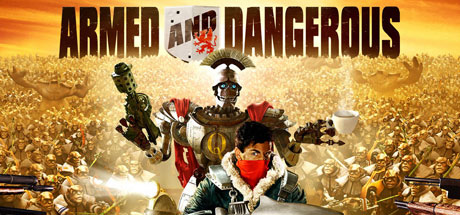
Armed and Dangerous®
Meet the Lionhearts. A smack-talking rag-tag band of rebels on an impossible quest. If they can make it through an army of psychotic robots and wall-smashing Goliaths, they just might save the world... if they don't burn it down first.
🎮Game Details
💬What Players Say
"Elite ball knowledge"
📝Editorial Analysis
The air smells like burnt wiring and cheap beer. You’re crouched behind a flipped APC, watching a Lionheart—some guy named Rook, maybe, or maybe he just yelled “ROOK!” mid-air—kick a six-foot-tall combat drone square in the optical sensor while yelling about his ex-girlfriend’s taste in synth-pop. Behind him, another rebel is trying to hotwire a Goliath’s left kneecap as it stomps toward them, muttering something about union contracts and overtime pay. This isn’t tension—it’s chaos with punchlines, a world where saving the world feels less like destiny and more like surviving your own group chat gone violently, gloriously off-rails. That’s Armed and Dangerous®: not a war story, but a shouting match with artillery.
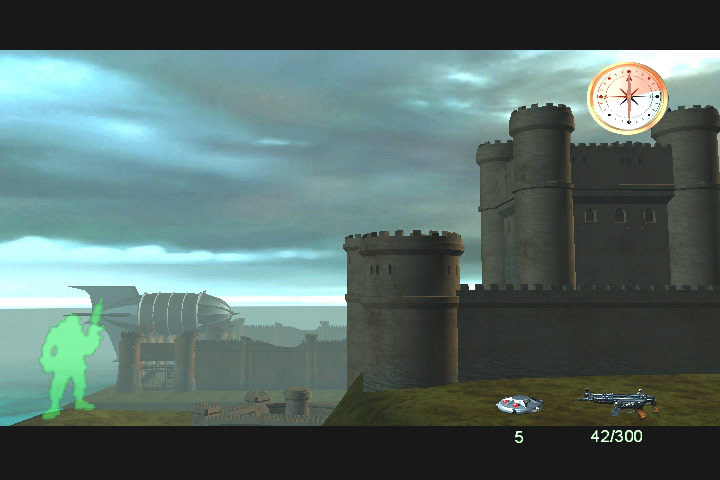
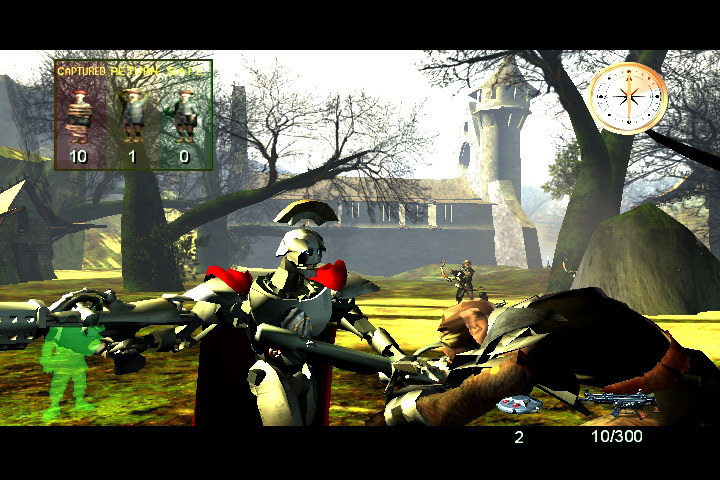
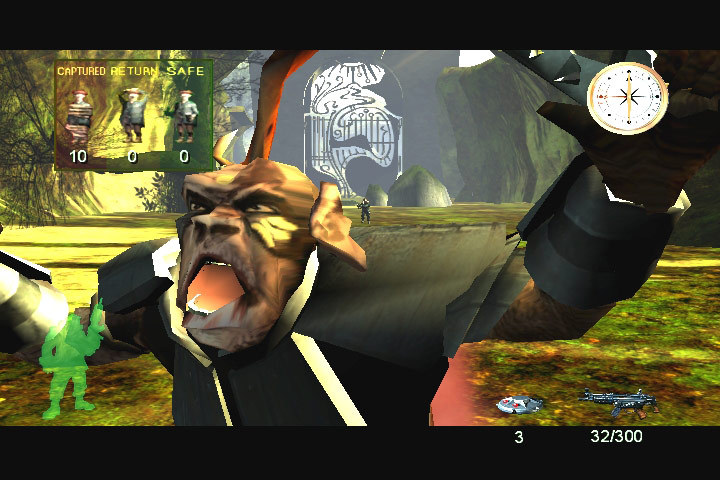
What makes it vibrate isn’t its third-person shooter mechanics or robot enemies—it’s the tone. It makes you feel exhausted but wired, like you’ve just survived a 3 a.m. argument about whether duct tape counts as tactical armor (it does, obviously). It makes you think about how absurd heroism becomes when everyone involved is hungover, underpaid, and deeply suspicious of authority—including their own leader’s playlist choices. There’s no reverence here. No solemn monologues before the final boss. Just snark, stumbling momentum, and the low hum of something barely held together—like a garage band playing a symphony on broken instruments. The emotional core isn’t hope or despair. It’s defiant, sweaty camaraderie: the kind that forms not because you believe in the cause, but because you’d rather die laughing with these idiots than live quietly anywhere else.
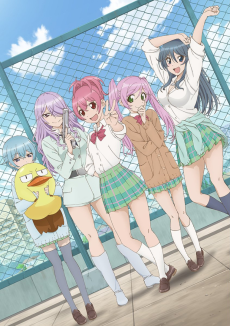
That’s why To Love Ru Darkness lands so hard—not for its harem setup or fan service, but for how it weaponizes Tactical Warfare as farce. When Mikan deploys a gravity-nullifying hairpin mid-chase through a collapsing school gymnasium, it’s not spectacle—it’s logistical improvisation dressed as flirtation. Same energy as a Lionheart jury-rigging a grenade launcher from a toaster and three rubber bands. Both treat escalation like a reflex: one enemy becomes five, five become twenty, twenty become a sentient swarm of malfunctioning love potions and servo-motors—and everyone just keeps talking over the explosions. The Comedy & Parody isn’t layered on top of action; it is the action’s operating system.
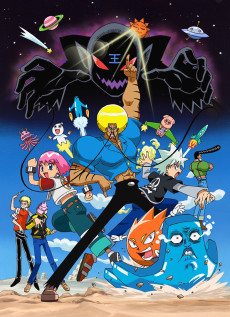
Then there’s Combatants Will Be Dispatched!, where every “mission briefing” sounds like a disgruntled intern reading corporate policy aloud while holding a sword made of expired coupons. Its Tactical Warfare dimension lives in the gap between hyper-competent execution and deeply unserious intent: assassins debating coffee bean origins mid-lunge, generals rewriting battle plans to accommodate lunch breaks. Like the Lionhearts, these characters don’t lack skill—they lack dignity, and they wear that lack like armor. The shared DNA isn’t in plot, but in rhythm: the way a joke lands just as a building collapses, how a character’s most vulnerable line slips out between curses aimed at a malfunctioning turret. It’s precision chaos—every beat calibrated to make you snort-laugh and flinch.
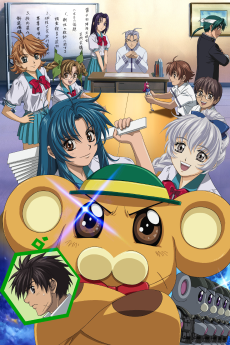
And Scissor Seven? Pure elite ball knowledge. Not basketball—ball knowledge: the unspoken, sweat-and-sarcasm fluency of surviving systems designed to chew you up. Seven doesn’t win fights—he negotiates them, misdirects them, forgets his own name mid-combo, then wins anyway because the universe is too tired to correct him. His world, like the Lionhearts’, runs on improvised physics and stubborn attitude. When he uses a noodle cart as both shield and distraction while arguing about dumpling fillings, it mirrors the exact vibe of a player review calling Armed and Dangerous® “Elite ball knowledge…”—not as nonsense, but as a real, earned dialect of competence. Comedy isn’t relief here. It’s the language of survival, spoken fluently by people who’ve stopped believing in clean victories and started believing in not getting fired before lunch.
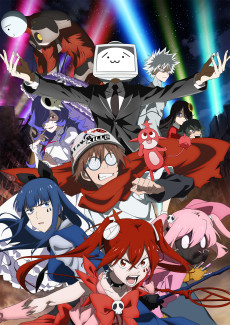
This is for the person who rewatches MARRIAGETOXIN’s cafeteria food-fight scene three times—not for the slapstick, but for the way the protagonist’s hair stays perfectly parted while being launched over a salad bar. For the player who grinds the same robot wave in Armed and Dangerous® until their squad’s banter syncs with the reload timing. For anyone who’s ever high-fived a friend after narrowly avoiding disaster, then immediately complained about the Wi-Fi password. These pairings aren’t about escapism. They’re about recognition: the warm, slightly greasy glow of finding your tribe in the middle of the mess—guns blazing, jokes flying, and absolutely no one taking the apocalypse seriously enough to stop making fun of it.
→37 Anime That Match the Vibe
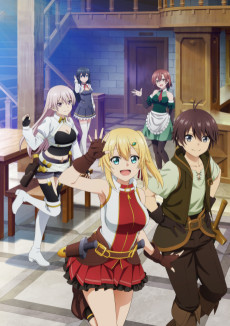
Connected through 2 aesthetic dimensions.
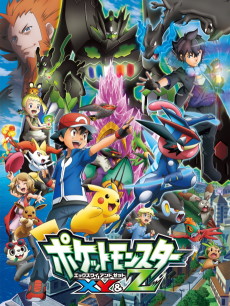
Connected through 2 aesthetic dimensions.
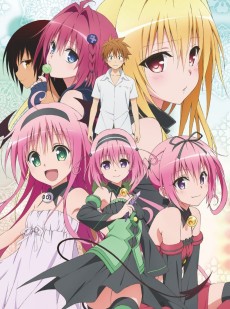
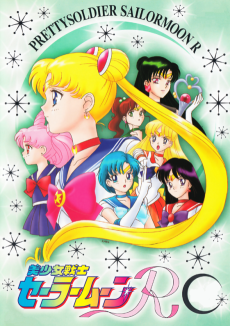
Lionheart’s chaotic turret-tumbling ambush on Robot City’s neon-drenched plaza mirrors the absurdly over-the-top hallway battle in *To Love Ru Darkness 2nd Specials* Episode 13—where Momo’s gravity-bomb prank collapses a corridor into slapstick rubble mid-tactical retreat. 😂 Comedy & Parody fuels both: one weaponizes robot-satire and rebel swagger, the other hijacks sci-fi warfare tropes with ecchi-infused misdirection. Unlike most tactical parodies, neither winks *at* genre convention—they detonate it from within, making their shared irreverence feel dangerously, delightfully sincere.
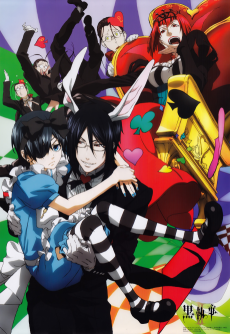
Connected through 2 aesthetic dimensions.
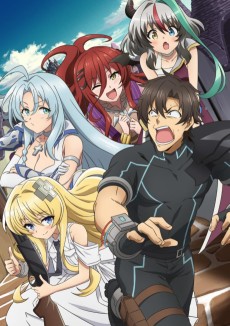
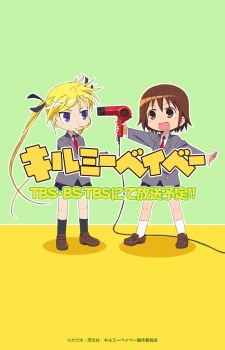
Lionhearts’ chaotic bot-bashing heist in the rusted factory—where a grenade misfire sends a Goliath crashing through three walls while someone yells “NOT THE DUCK!”—echoes Kisaragi’s boardroom-to-fantasy-portal pivot with identical tonal whiplash. 😂 Comedy & Parody isn’t just seasoning here; it’s structural, weaponizing absurdity to undercut tactical stakes—like when Kisaragi’s CEO deploys enchanted interns mid-battle *while* adjusting his tie. That shared commitment to treating warfare like a malfunctioning sitcom script makes their resonance feel deliciously subversive, not just coincidental.
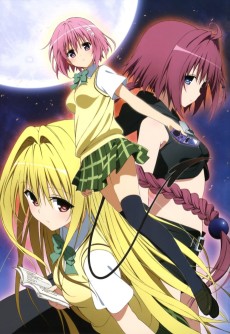
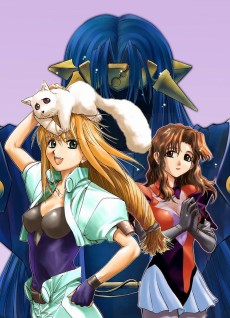
Lionheart’s chaotic squad dodging robot artillery while cracking one-liners mirrors Momo’s “tactical seduction” ambushes—where romance and warfare blur into absurd choreography. Unlike most ecchi anime, *To Love Ru Darkness*’s Season 2 leans hard into military parody: the Develuke royal guard’s over-engineered mechs and Rito’s flailing “counter-offensives” mirror the game’s wall-smashing Goliaths and rebel improvisation. This shared **Tactical Warfare** satire—weaponized slapstick meets actual strategy—makes their resonance genuinely surprising: war isn’t glorified, it’s farcical, feminist, and fiercely unserious.
Connected through 2 aesthetic dimensions.
Connected through 2 aesthetic dimensions.

Connected through 2 aesthetic dimensions.

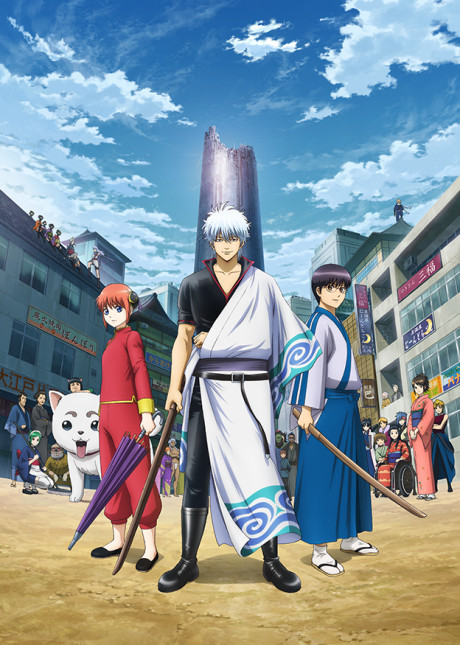
Hikaru’s deadpan delivery while disarming a poison-laced wedding cake mirrors the Lionhearts’ chaotic briefing before storming Robot Central—both weaponize absurdity to defuse existential stakes. 😂 Comedy & Parody isn’t just seasoning; it’s tactical camouflage, letting satire slip past genre expectations like a stealth takedown. Where most action-romance hybrids soften conflict with sentiment, *MARRIAGETOXIN* and *Armed and Dangerous®* sharpen theirs with synchronized, self-aware chaos—surprisingly elegant in how badly they refuse to take themselves seriously.









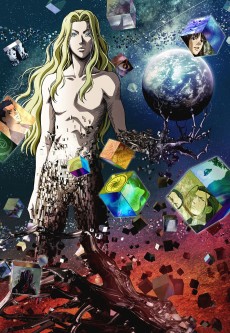


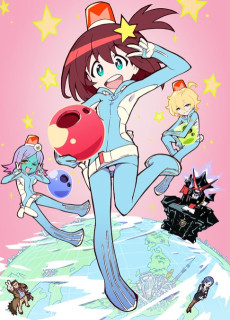
Match Dimensions Explained
❓Frequently Asked Questions
Why is To Love Ru Darkness on the 'Anime Like Armed and Dangerous®' list when it’s mostly harem comedy?
Great question—it’s not *just* harem comedy! Watch the OVA where Rito and Mio fight off alien mercenaries in zero-G using improvised plasma grenades and synchronized acrobatic takedowns. That ‘Tactical Warfare’ dimension (shared with Armed and Dangerous®’s Lionhearts vs. psychotic robots) plus the over-the-top parody of military tropes—like the absurdly over-engineered ‘Peace Enforcement Unit’ mechs—makes it a legit match for fans who love chaos with strategy.
Is there an anime adaptation of Armed and Dangerous®?
Nope—Armed and Dangerous® is a standalone game, not based on existing anime, and there’s no official anime adaptation (yet!). But the vibe is so strong that fans keep landing on titles like *Combatants Will Be Dispatched!*—where Kaito’s squad uses ridiculous-but-effective gear (think glue-grenades and distraction drones) to outmaneuver elite foes, mirroring how the Lionhearts weaponize chaos against Goliaths and robot armies.
How does Scissor Seven compare to Armed and Dangerous® in terms of action tone?
They’re spiritual cousins: both lean hard into absurd tactical violence with heart. Picture Seven’s bamboo-sword vs. armored enforcers in the ‘Assassin’s Guild’ arc—using smoke bombs, misdirection, and environmental traps—versus the Lionhearts’ wall-smashing Goliath takedown in Chapter 7 where they reroute coolant lines to freeze a mech mid-lunge. Same Comedy & Parody + Tactical Warfare DNA, just swapped neon Beijing for a dystopian megacity.
What’s the best anime like Armed and Dangerous® if I want nonstop chaotic team banter AND actual combat payoff?
Go straight to *MARRIAGETOXIN*—especially the ‘Wedding Crashers’ arc where the ‘Dysfunctional Alliance’ (a.k.a. the bride’s ex-boyfriend, her bodyguard, and a rogue wedding planner) improvises a multi-stage assault on a fortress using champagne corks as flashbangs and cake stands as riot shields. The banter is razor-sharp, the tactics are stupidly clever, and the payoff hits just as hard as the Lionhearts’ final stand against the robot horde.