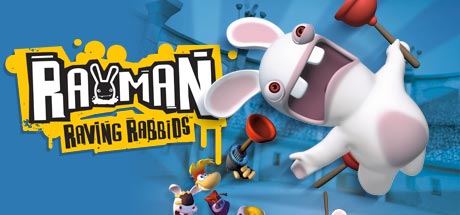
Rayman Raving Rabbids™
Hordes of crazed out-of control bunnies have invaded, enslaving Rayman and forcing him to participate in 'gladiator' style trials. Help Rayman win his freedom back by entertaining and outwitting these fury foes. Use the most hilarious fighting moves imaginable.
🎮Game Details
💬What Players Say
"The only bad thing about this game is just how short it was, I Originally got this game on sale for nostagia but ended up really having fun on the game, Please Ubisoft add Rayman Raving Rabbids 2 on steam -Charlie Sheen"
"Great fun game, takes me back to being a kid playing this, loved it then, love it now. Lots of fun mini games to do and definitely get harder as they go on."
"This game is very enjoyable especially with friends or family Graphically you're looking at Nintendo 64 type of character models which still holds up today Gameplay consists of different mini games including racing, shooting, flying, and others Had a lot of fun memories with this one Wait for a sale and get it you will have a blast"
📝Editorial Analysis
The screen erupts—not with explosions, but with chaos: a Rabbid in oversized sunglasses, mid-air, legs splayed, arms windmilling as it belly-flops onto a trampoline while Rayman scrambles backward, limbs flailing, trying to avoid being smacked by its own floppy ears. That’s the game—no preamble, no stakes beyond sheer embarrassment, no logic beyond “what if bunnies ran the circus and also declared war on dignity?” The official description nails it: hordes of crazed out-of-control bunnies have invaded, enslaved Rayman, and forced him into ‘gladiator’ trials—not for survival, but for entertainment. And the players? They don’t mourn the brevity; they laugh through it, calling it “great fun,” “definitely get harder as they go on,” and confessing it takes them straight back to being a kid—not nostalgic for graphics or story, but for that unselfconscious, slightly sweaty joy of failing spectacularly in front of friends.
What makes Rayman Raving Rabbids™ vibrate at this particular frequency isn’t its platforming roots or Ubisoft pedigree—it’s the emotional physics of absurd escalation. It doesn’t ask you to master timing or memorize patterns so much as to surrender to escalating nonsense: a mini-game where you waggle the controller to make Rayman do jazz hands while Rabbids judge him like nightclub bouncers; another where you tilt wildly to keep a Rabbid balanced on a giant rubber duck. The Nintendo 64–style models aren’t dated—they’re perfect, their low-poly jank amplifying every twitch, every exaggerated blink, every moment Rayman’s face collapses into pure, wordless oh-no. It’s comedy built on violation of expectation, not punchlines—but on physical betrayal: your body, Rayman’s body, the Rabbid’s body—all conspiring against coherence. You don’t feel clever when you win. You feel relieved, then immediately guilty for laughing at Rayman’s humiliation—because the Rabbids aren’t villains. They’re mirrors. And that’s where the anime kinship ignites.
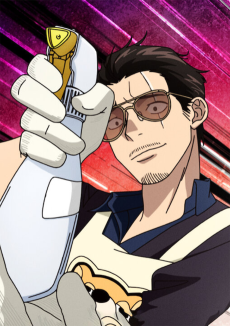
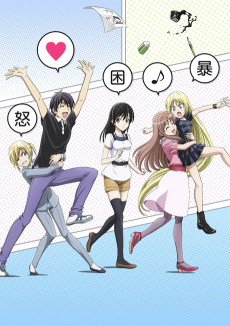
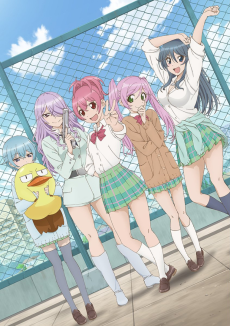
To Love Ru Darkness 2 Specials shares that same tactical warfare wrapped in comedy & parody: characters deploying elaborate, over-engineered seduction traps—not to win love, but to out-absurd each other in real time. Like Rayman dodging a Rabbid’s rogue spit-take with a poorly timed cartwheel, Mikan’s “love grenade” misfires into a flock of startled pigeons—both moments land because the stakes are fake, the effort is real, and the fallout is visceral. The dimension isn’t romance or action—it’s escalating commitment to the bit, where dignity is the first casualty and everyone’s in on the joke except the person currently stuck upside-down in a cake.
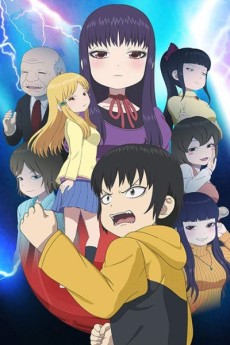
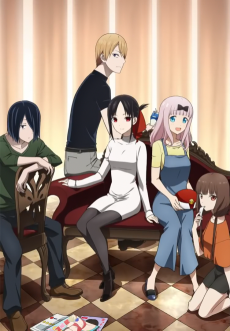
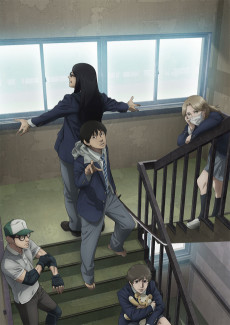
Kaguya-sama: Love is War -The First Kiss That Never Ends- taps into the same adult & dark seinen layer beneath the slapstick: the quiet dread of social exposure, the panic behind the grin, the way a single misstep (a dropped spoon, a mistimed glance) spirals into full-body mortification. Rayman’s gladiator trials aren’t about winning freedom—they’re about surviving the audience, the Rabbids’ cackling, their thumbs-down gestures, their sudden, unblinking stares. Kaguya and Miyuki wage war not with swords, but with suppressed laughter, trembling hands, and the unbearable weight of being watched while trying not to look like you’re trying. Both understand that the most dangerous battlefield is the space between intention and execution—and that the funniest defeats are the ones you almost recover from.
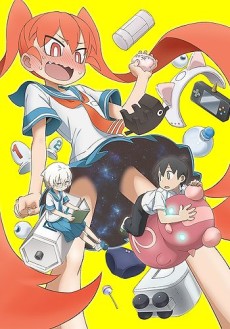
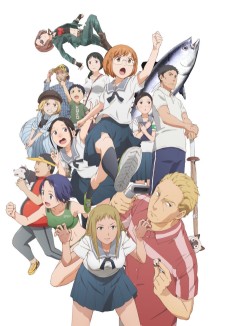
Arakawa Under the Bridge, too, breathes this air: a world where logic has been gently, irrevocably unplugged, replaced by communal delusion so warm and consistent it becomes its own kind of truth. The Rabbids don’t need motivation—they are motivation. Their existence is the premise. Just like Nino believing she’s an alien because it makes her feel safe, the Rabbids believe they’re elite entertainers, judges, generals—and Rayman, by playing along, completes the ecosystem. There’s no irony here, no winking—the sincerity is the satire.
This pairing isn’t for people who want lore dumps or power fantasies. It’s for the viewer who grins when a character trips over their own shoelaces—not because it’s dumb, but because it’s honest. For the player who keeps the controller in hand long after the mini-game ends, just to watch Rayman awkwardly adjust his gloves while a Rabbid tries to lick the camera lens. For the person who finds deep comfort in art that treats embarrassment not as failure, but as shared oxygen—light, ridiculous, and utterly necessary.
→98 Anime That Match the Vibe

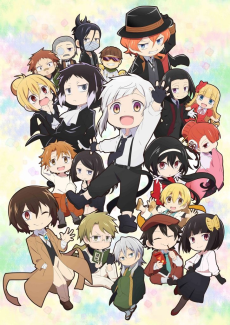
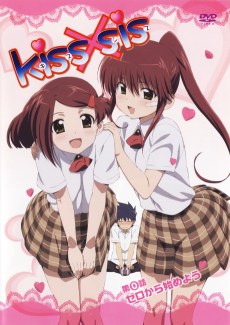
Connected through 3 aesthetic dimensions.
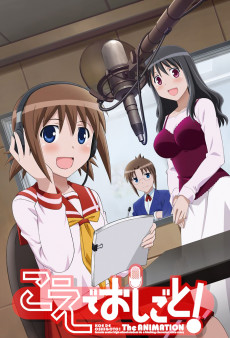
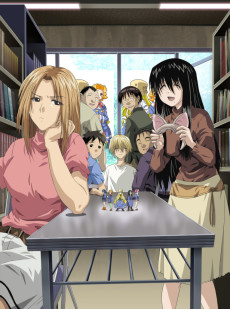
Connected through 2 aesthetic dimensions.
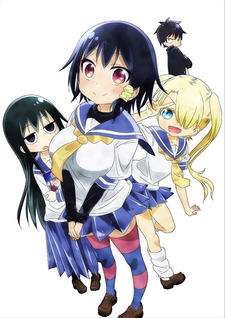
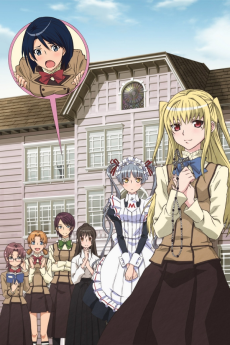
Connected through 2 aesthetic dimensions.
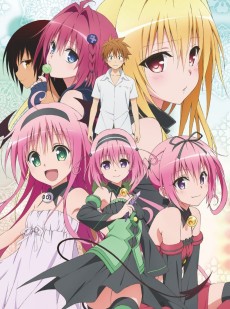
Rayman’s desperate, slapstick evasion of Rabbid-led “gladiator trials” mirrors the absurd tactical chaos of *To Love-Ru Darkness 2nd Specials*—where Momo’s overengineered love-warfare gadgets backfire mid-romantic ambush. 😂 Comedy & Parody thrives in both: Rabbids weaponize nonsense, while the specials double down on self-aware, fourth-wall-bending farce during Momo and Yami’s rival seduction ops. Unlike most ecchi or platformers, neither flinches from turning strategy into surreal clown warfare—making their resonance genuinely surprising, not superficial.
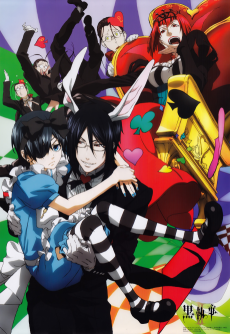
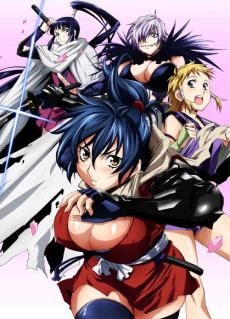
Connected through 2 aesthetic dimensions.
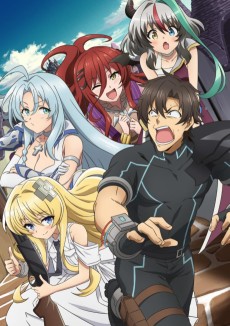
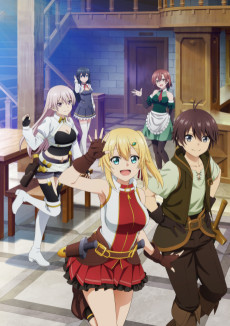
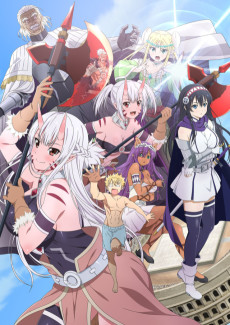
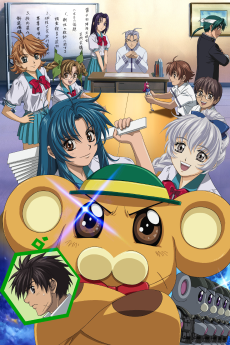
Rayman’s desperate, slapstick evasion of Rabbid “gladiator” trials mirrors Kisaragi Corp’s absurdly bureaucratic interstellar conquest—where evil files TPS reports mid-battle. 😂 Comedy & Parody binds them: both weaponize bureaucratic absurdity against chaos, turning tactical warfare into farce. That *Combatants Will Be Dispatched!*’s Season 1 finale stages a magical-world takeover via PowerPoint presentation makes the resonance deliciously, unexpectedly precise.
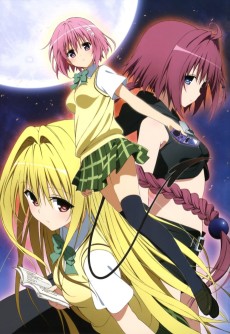
Rabbids hurling themselves into absurd, slapstick “tactical warfare” minigames—like synchronized bunny-bombardment or disco-dodgeball—echo Momo’s calculated, gravity-defying ambushes in *To Love Ru Darkness*’s harem chaos. Where Rayman’s silent exasperation mirrors Rito’s flustered helplessness amid Develuke’s ecchi escalation, both weaponize parody to dissect power dynamics through comedic escalation. This resonance isn’t accidental: 😂 Comedy & Parody binds them—not as genre labels, but as structural logic turning enslavement and romance into surreal, rule-bending theater.
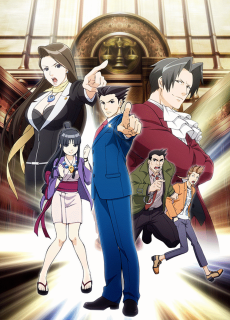
Connected through 2 aesthetic dimensions.
Connected through 2 aesthetic dimensions.

Connected through 2 aesthetic dimensions.

















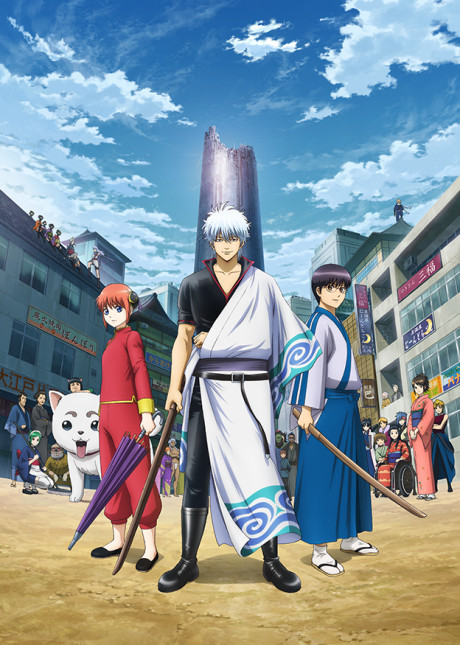













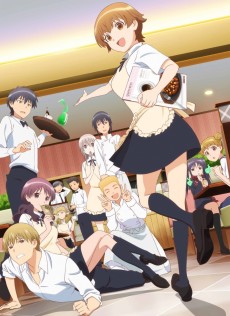
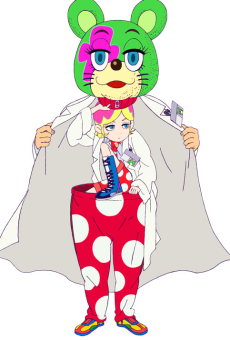

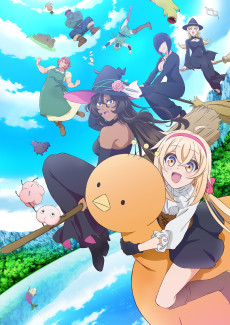
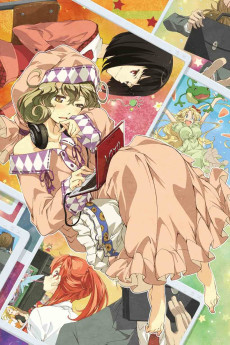

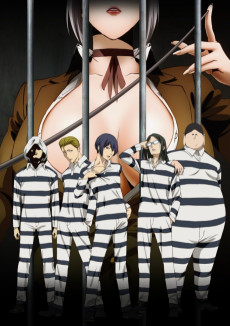


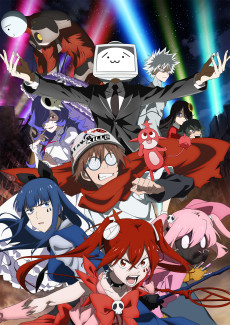
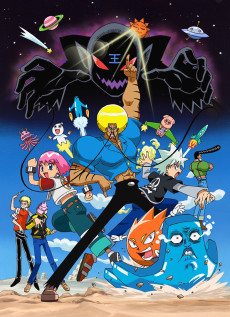
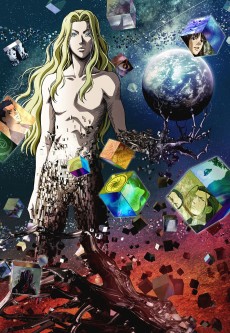


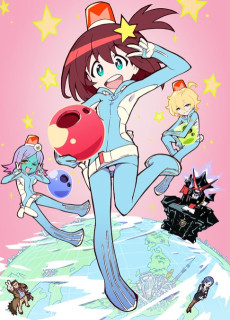
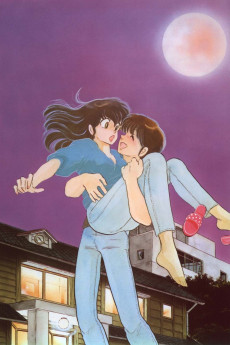
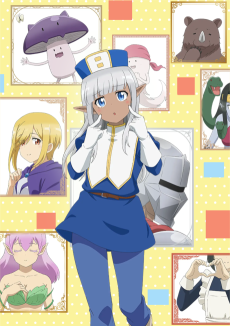
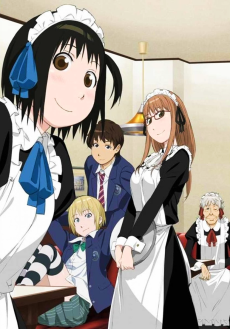
Match Dimensions Explained
❓Frequently Asked Questions
Why does To Love Ru Darkness keep popping up in 'anime like Rayman Raving Rabbids' lists?
Because both lean hard into chaotic, over-the-top parody — like when Rabbids hijack Rayman’s limbs for slapstick gladiator trials, or when To Love Ru Darkness drops a full-on tactical alien invasion mid-school festival with Momo firing energy blasts while tripping over her own skirt. The shared 'Comedy & Parody + Tactical Warfare' dimension means absurd stakes meet ridiculous execution, not serious strategy.
Is there an anime adaptation of Rayman Raving Rabbids?
Nope — Ubisoft never made an official anime adaptation. But the *vibe* is captured perfectly by shows like Arakawa Under the Bridge, where bizarre, rule-free logic rules (like Nino literally being a bridge-dwelling alien who negotiates peace via interpretive dance), mirroring how Rabbids weaponize nonsense — think them forcing Rayman to ‘dance-off’ in a disco cage while wearing a traffic cone helmet.
What's the best anime like Rayman Raving Rabbids if I want that same hyperactive, party-game-with-friends energy?
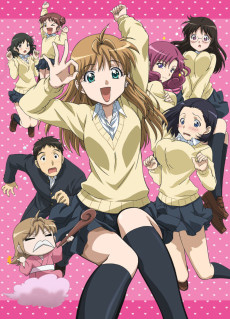
Love Lab — especially the group improv scenes where the student council tries (and fails) to run a 'romance research lab' using increasingly unhinged roleplay skits. It’s got that same short-burst, mini-game rhythm: one second they’re building a fake dating booth out of cardboard, the next they’re fleeing a rogue confetti cannon like it’s a Rabbid arena trap. Pure co-op chaos, no stakes, all giggles.
How accurate is Kaguya-sama: Love is War — The First Kiss That Never Ends as a match for Rayman Raving Rabbids?
Surprisingly spot-on for tone — not plot, but *mechanics of madness*. Just like Rabbids escalate mini-games from 'jump on a trampoline' to 'dodge flying baguettes while balancing a flamingo', Kaguya’s special leans into escalating, self-aware absurdity: characters pause mid-confession to debate romantic theory via whiteboard diagrams, then cut to a literal Rabbid-style cutscene where Fujiwara rides a vacuum cleaner like a chariot. Both weaponize escalation and fourth-wall winks in the 'Comedy & Parody + Adult & Dark Seinen' lane.