
Monster Musume: Everyday Life With Monster Girls
Monsters: they're real, and they want to date us!
Three years ago, the world learned that harpies, centaurs, catgirls, and all manners of fabulous creatures are not merely fiction; they are flesh and blood - not to mention scale, feather, horn, and fang. Thanks to the "Cultural Exchange Between Species Act," these once-mythical creatures have assimilated into society, or at least, they're trying.
When a hapless human teenager named Kurusu Kimihito is inducted as a "volunteer" into the government exchange program, his world is turned upside down. A snake-like lamia named Miia comes to live with him, and it is Kurusu's job to take care of her and make sure she integrates into his everyday life.
Unfortunately for Kurusu, Miia is undeniably sexy, and the law against interspecies breeding is very strict. Even worse, when a ravishing centaur girl and a flirtatious harpy move in, what's a full-blooded teenage human with raging hormones to do?!
(Source: Anime News Network)
📺Anime Details
📝Editorial Analysis
The smell of burnt toast and lavender-scented shampoo hangs in the humid morning air—Kurusu Kimihito, barefoot and flustered, dodges a centaur’s tail-swipe while clutching a half-zipped bathrobe, one strap dangling, as a harpy perches on the ceiling fan, cooing about breakfast preferences. Not danger. Not drama. Just chaos, warm and absurd and deeply, unapologetically domestic.

What Monster Musume: Everyday Life With Monster Girls delivers isn’t fantasy escapism—it’s cozy friction. It’s the low-grade panic of shared laundry baskets overflowing with scale-shedding serpent-girl undergarments, the quiet exhaustion of negotiating bedtimes across six biological taxonomies, the gentle, persistent hum of trying to be kind when kindness keeps tripping over horns, hooves, and involuntary pheromone releases. It makes you feel tenderly overwhelmed—like your heart’s full but your to-do list is written in ink that smudges every time someone hugs you from behind. There’s no grand threat, no looming war—just the tender, ridiculous labor of building home where “home” has never been defined for everyone in the room. It’s urban fantasy stripped down to its most human core: cohabitation as quiet heroism.
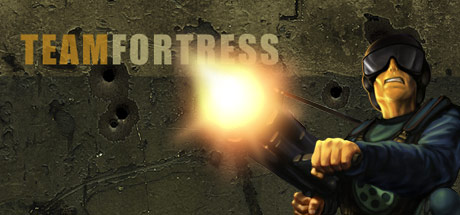
That emotional DNA—the playful weight of responsibility wrapped in slapstick, the warmth beneath the ecchi surface, the way absurdity serves intimacy rather than replaces it—echoes in surprising places. Take Team Fortress Classic: not for its guns or classes, but for its tonal generosity. The game’s nine wildly disproportionate archetypes—Medic cackling mid-backstab, Spy lighting cigars like he’s conducting symphonies—don’t exist to dominate. They exist to collide, to miscommunicate, to accidentally heal enemies, to build something functional despite themselves. As one player says: “simply the best nostalgic game, i have dreams about this game.” That’s the feeling—dreamlike familiarity, where chaos feels like belonging. Like Kimihito’s apartment, TF2’s maps aren’t battlefields first; they’re shared spaces where personality overrides protocol, and laughter stitches the team together tighter than any objective.
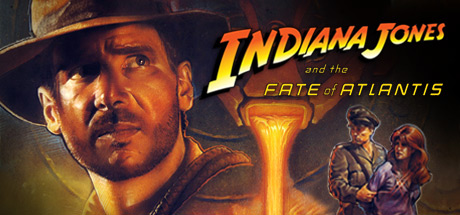
Then there’s Indiana Jones® and the Fate of Atlantis™, where 1939’s geopolitical dread melts into rubber-hose logic—Nazi agents debating ancient theology over espresso, Indy using a rubber chicken to bypass a booby trap. The player review calls it “an archaeological wonder trapped in amber,” and that’s the key: it treats myth not as spectacle, but as lived texture. Just as Monster Musume treats minotaurs and lamias as neighbors who forget to water the ferns, Fate of Atlantis treats Atlantis itself like a slightly cranky uncle who shows up unannounced—and insists on reorganizing your spice rack. Both ask you to lean into the domesticity of legend, where world-ending stakes are softened by someone misplacing their sacred amulet in the cereal box.
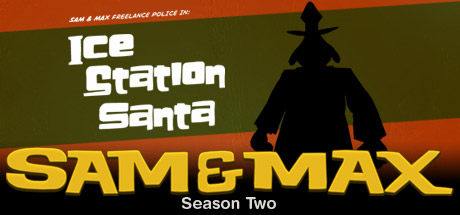
And the Sam & Max episodes—103, 104, 201—all vibrate at the same frequency: bureaucratic surrealism meets soft-hearted anarchy. A mafia-run playland run by sentient teddy bears. Abe Lincoln instituting mandatory group hugs. Santa Claus revealed as a “hairy, bloated, pagan God” whose carols include gunshots. The reviews call them “funny as heck” and praise the originals’ charm—not despite the jank, but because of it. That’s Monster Musume’s secret weapon too: its sincerity wears cartoonish clothes. When a lamia coils around Kimihito’s chair just to feel his heartbeat, it lands because the show refuses to wink too hard. Like Sam & Max filing paperwork on interdimensional mole-rats, it treats emotional need—loneliness, affection, the fear of being other—with deadpan reverence inside a gag-filled wrapper.
This pairing sings to the person who laughs while adjusting their glasses after a particularly earnest confession from a girl whose lower body is a horse—and then spends ten minutes researching equine nutrition to make sure she’s okay. It’s for the player who replays TF2’s Dustbowl not for the win, but for the moment the Heavy pauses mid-charge to share his last sandwich with the Scout. For the one who saves Fate of Atlantis before the final puzzle—not to solve it, but to linger in the dusty library, listening to Indy mutter about misplaced scrolls. For the reader who highlights Sam & Max dialogue not for the jokes, but for how Max pats a crying robot’s head and says, “There, there. Existential dread is exhausting.” These aren’t stories about monsters or heroes. They’re about showing up—barefoot, slightly singed, holding burnt toast—and choosing, again and again, to stay in the room.
🎮30 Games That Match the Vibe










Match Dimensions Explained
❓Frequently Asked Questions
Why does Indiana Jones and the Fate of Atlantis show up in 'Games Like Monster Musume' matches?
It’s not about monster girls—it’s about the shared Adult & Dark Seinen + Comedy & Parody vibe. Think of Indy’s sarcastic banter with Sophia, the absurd Nazi occult plot escalating into literal Atlantis-based slapstick, and that infamous 'choose your own adventure' branching path where you can solve puzzles as a scholar, fighter, or thief—mirroring Monster Musume’s tonal whiplash between heartfelt harem moments and over-the-top parody.
Is there an anime or game adaptation of Monster Musume that actually has gameplay like Sam & Max?
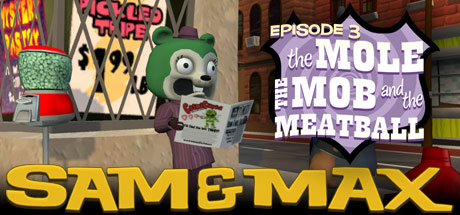
No official Monster Musume game exists—but Sam & Max 103: The Mole, the Mob and the Meatball nails the same energy: absurd mobster-parody meets surreal monster-adjacent chaos (like the Ted E. Bear Mafia-Free Playland’s sentient stuffed bears and cursed meatballs). Plus, its dialogue-driven choices, fourth-wall-breaking gags, and Max’s unhinged one-liners feel like if Mero and Centorea teamed up for a noir detective caper.
Sam & Max vs. Team Fortress Classic—which is better for chaotic, character-driven comedy?
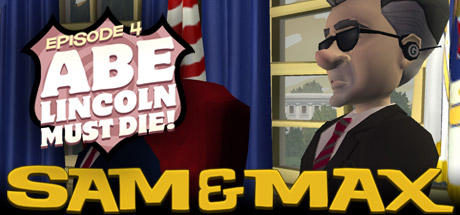
Go Sam & Max if you want scripted, voice-acted absurdity with characters like Max yelling at Santa Claus in Ice Station Santa or Sam deadpanning through Abe Lincoln Must Die!'s pudding embargo. TFC trades that for emergent, class-based chaos—like watching a Spy backstab a Medic while yelling ‘I’m a doctor, not a janitor!’—but it’s pure unscripted, player-driven parody, not narrative-driven monster-girl-adjacent humor.
What’s the best ‘Monster Musume-like’ game if I just want something silly, nostalgic, and full of weird charm?
Sam & Max 201: Ice Station Santa is your sweet spot—Santa as a ‘hairy, bloated, pagan God’, carols drowned out by gunshots, and presents literally attacking you. It’s got that same handmade, low-fi charm fans love in early Monster Musume OVAs, plus player reviews calling it ‘funny as heck’ and praising the originals’ raw, unpolished personality—exactly the vibe you get when Mero tries (and fails) to bake cookies.