Postal III
Good or Insane? The choice is yours. Following the Apocalyptic end to the Postal Dude’s week in Paradise, we follow him and his insane pitbull Champ as they emigrate to its appropriately named sister city, Catharsis.
🎮Game Details
💬What Players Say
"It's not as bad as people say, yeah the story is a little weird but it's postal, so everything is weird, didn't lag/crash as much as I expected. This game is honestly decent."
"It's not funny bad. It's BAD BAD. Like, i thought it would be fun to mess around on this, but it isn't even that."
"Postal 3 is the single worst game I have ever played. There is nothing quite comparable to this games level of ♥♥♥♥ so I wont bother trying to explain it to you. However, I love everything postal; from postal 1 to poostall royale, I've played them all and loved them all equally (with the exception of this game) so I gave in and bought it because I love what RWS do and I want them to continue doing it as long as possible...."
📝Editorial Analysis
The smell of burnt rubber and wet dog fur. That’s the first thing you register—not the gunfire, not the sirens—just Champ’s hot, panting breath fogging the cracked windshield as the Postal Dude swerves onto a rain-slicked overpass in Catharsis, a city whose name is already a joke you’re not supposed to get until it’s too late. The official description tells you he’s emigrating after the apocalypse in Paradise—like moving apartments after the building’s collapsed—and the player reviews split right down the middle: one calls it “decent”, another says it’s “BAD BAD”, and a third refuses even to explain, just loves everything postal. There’s no middle ground here. You’re either laughing at the absurdity of a man dragging a pitbull through bureaucratic hell while the world dissolves into pixelated static—or you’re staring at the screen, bewildered, as the camera glitches mid-sprint and your controller vibrates like a dying wasp.
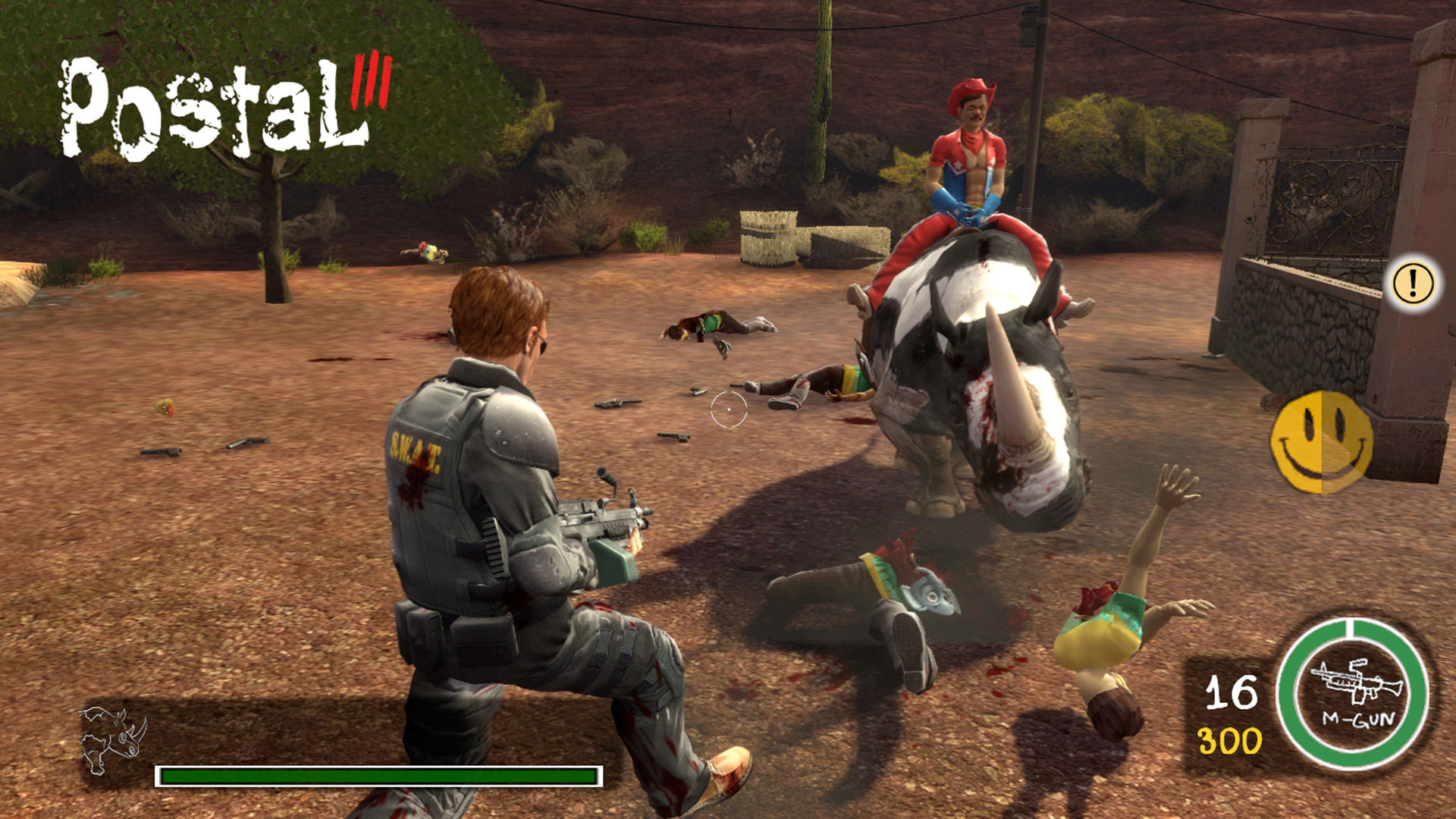
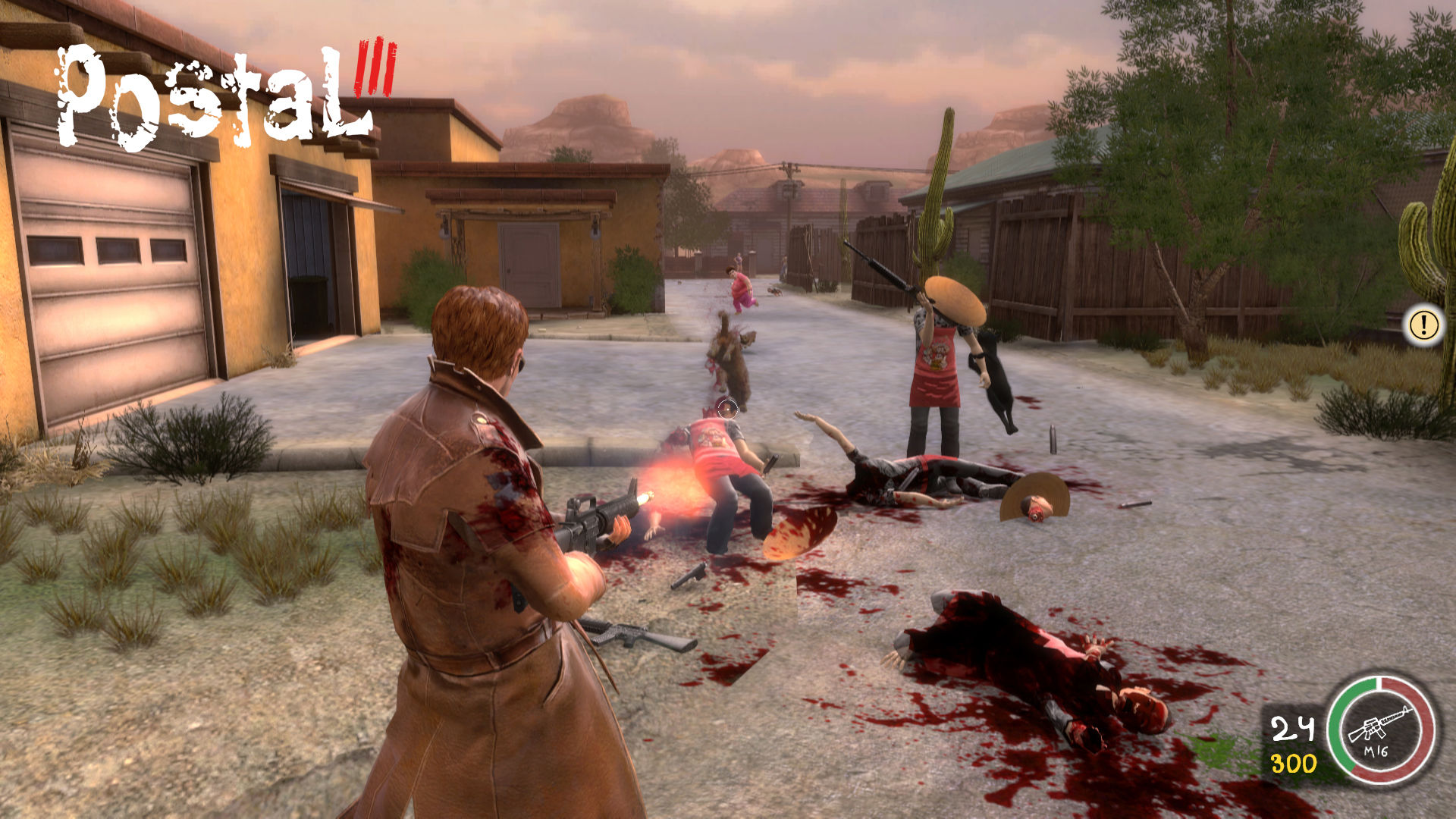
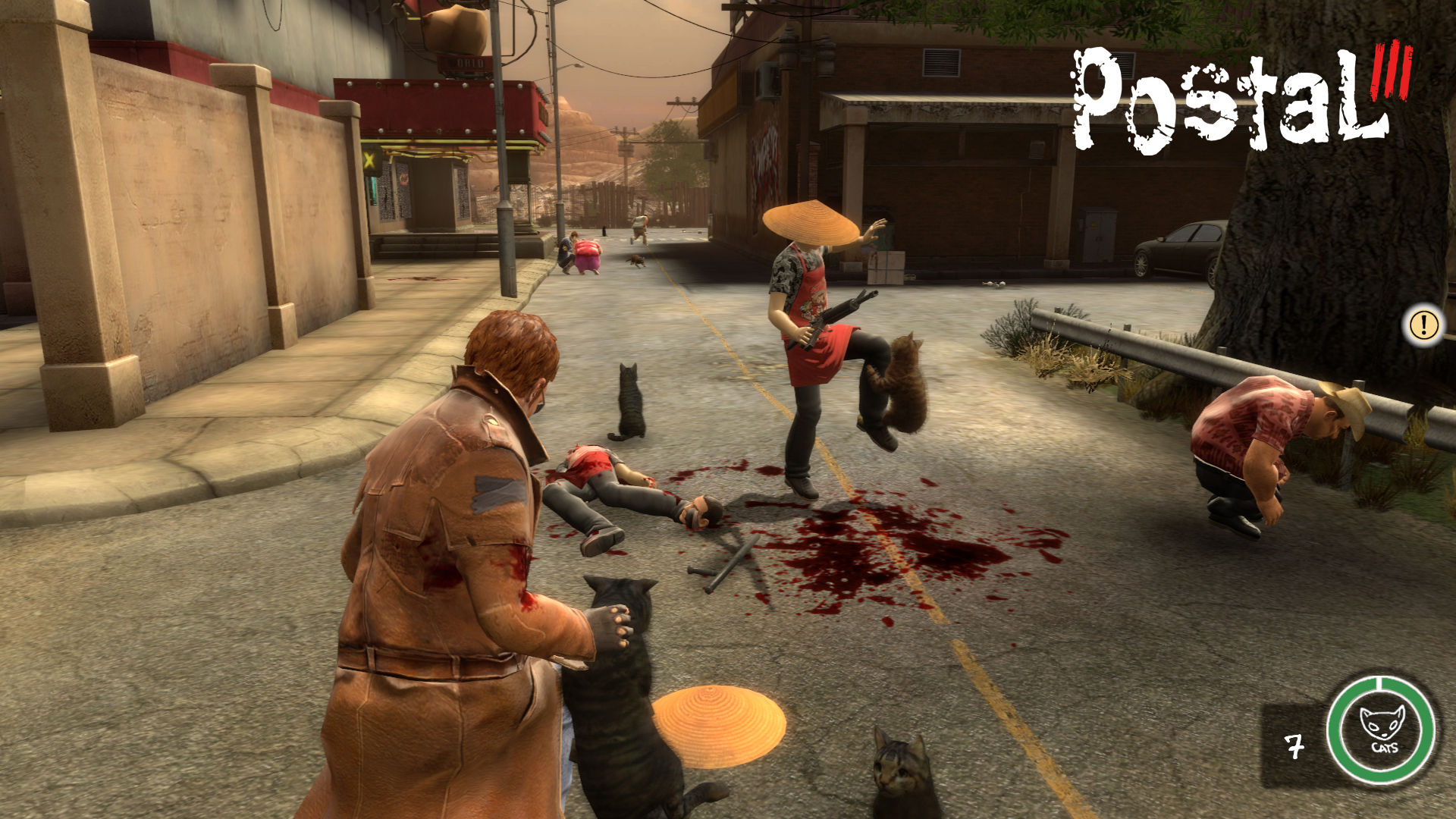
This isn’t nihilism dressed up as satire. It’s exhaustion wearing a clown mask. Not the clean, stylized exhaustion of burnout anime or the polished dread of survival horror—but the low-grade, greasy, sticky kind that clings to your shoes after walking through a gas station parking lot at 3 a.m. Postal III doesn’t want you to feel clever for spotting the parody. It wants you to feel unmoored, like the game itself forgot its own rules halfway through loading the next level—and then doubled down on the mistake. The “Good or Insane?” choice isn’t moral. It’s neurological. You don’t pick a path—you stumble into one, and the world around you warps just enough to make you question whether the glitch is in the engine or in your own synapses. That’s the feeling: dissonant familiarity. Like recognizing your own reflection in a funhouse mirror made of expired film stock.
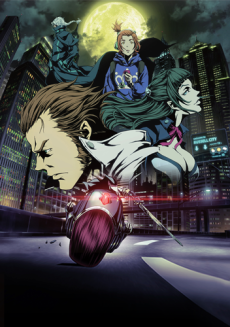
Mob Psycho 100 III shares that exact frequency—not in plot, but in texture. When Mob’s psychic energy erupts and reality peels back like wet wallpaper to reveal screaming faces in the walls? That’s Postal III’s physics engine failing during a car chase—same sudden collapse of logic, same body horror that isn’t about gore but about loss of control over form. Both weaponize parody not to mock tropes, but to expose how flimsy the scaffolding really is. And like the Dude stumbling past a talking mailbox that recites tax code in iambic pentameter, Mob’s world treats bureaucracy and occult bureaucracy as interchangeable. Adult & Dark Seinen here isn’t about violence—it’s about the sheer, grinding weight of existing inside systems that were never built to hold people.
Paprika, too, lives in that same cracked mirror. Its dream logic isn’t surreal for spectacle—it’s contagious. Just like Postal III’s infamous bugs (the ones where NPCs walk backward into walls while muttering about zoning permits), Paprika makes you doubt whether the glitch is external or internal. The shared dimensions—Body Horror & Occult, Comedy & Parody, Adult & Dark Seinen—aren’t checklist items. They’re symptoms of the same condition: a world where identity, architecture, and narrative authority are all equally unstable. When the parade invades the real world in Paprika, it doesn’t feel like invasion—it feels like leakage. Same with Postal III: Catharsis isn’t a setting. It’s a symptom.
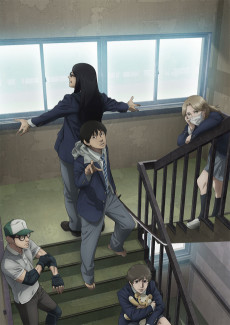
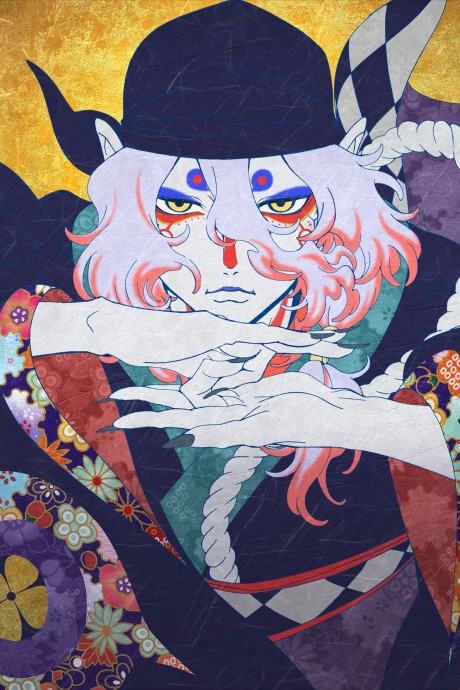
And then there’s Hanamonogatari, which matches not in chaos, but in quiet rot. Its body horror isn’t explosive—it’s fungal, slow, blooming under floorboards and behind eyelids. Like the way Postal III’s dialogue sometimes loops for twelve seconds while the Dude stares blankly at a vending machine selling “Soul Chips (Flavor: Regret)”. No punchline. No payoff. Just presence. The Comedy & Parody here is so dry it’s desiccated; the Occult isn’t spells or demons—it’s the uncanny weight of unprocessed trauma masquerading as municipal policy. That’s why the player who says “I love everything postal” can also adore Nisemonogatari—not because both are “wacky”, but because both treat absurdity as atmosphere, not gag.
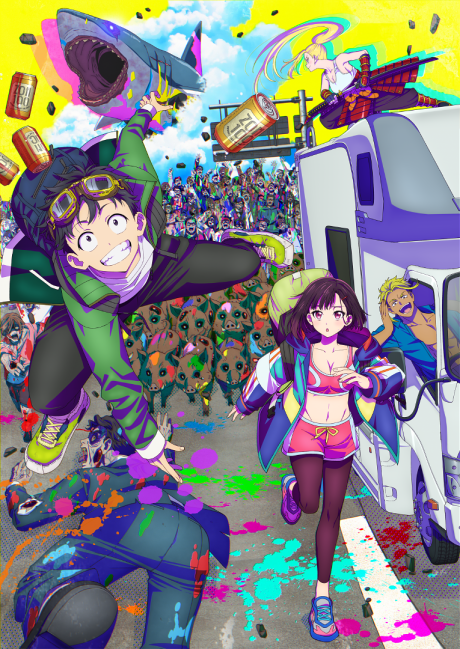
This pairing isn’t for fans of “edgy” games or “deep” anime. It’s for the person who’s ever paused mid-rant to realize they’re yelling at a traffic cone—and then kept going, just to see if the cone would answer. It’s for the viewer who watches Mission: Yozakura Family not for the spy antics, but for the way the daughter’s hair briefly turns into writhing ink when she lies—and feels seen, not shocked. It’s for those who know the difference between bad and broken, and prefer the latter—because broken things tell the truth in jagged, involuntary fragments. You don’t play or watch these. You survive them—and laugh, not because it’s funny, but because laughter is the only muscle left that still works.
→181 Anime That Match the Vibe

Champ’s grotesque, saliva-dripping maw mirrors Mob’s cracked, trembling face during the Divine Tree’s psychic assault—both bodies betraying internal collapse under absurd pressure. Where *Postal III* weaponizes slapstick body horror to mock emigration fantasies, *Mob Psycho 100 III* twists religious fervor into visceral, oozing flesh—its cultists’ warped limbs and Mob’s unraveling psyche embody 👻 Body Horror & Occult as systemic breakdown, not just shock. That shared commitment to escalating absurdity *through* physical disintegration makes their chaos feel eerily symbiotic.
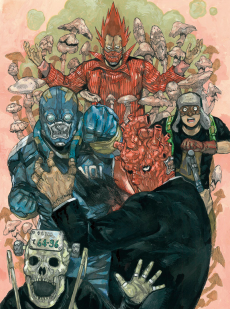
Connected through 3 aesthetic dimensions.

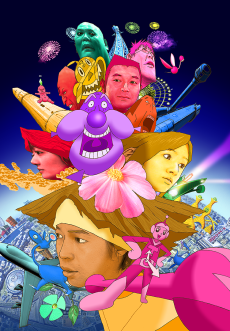
Champ’s grotesque, saliva-dripping muzzle in *Postal III*’s asylum level mirrors Paprika’s parade of melting, multi-limbed dream-entities—both weaponize body horror & occult distortion to fracture perception. Where the Postal Dude stumbles through a collapsing Eastern European cityscape drenched in absurd violence, Paprika slips through a Tokyo where therapy sessions bleed into surreal, carnival-like dream invasions. This resonance isn’t coincidence: dark seinen’s embrace of psychological rupture lets both works treat trauma and societal collapse as hallucinatory farce—funny until it’s horrifying, horrifying until it’s hilarious.

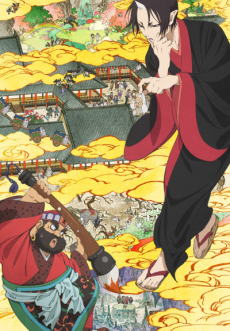
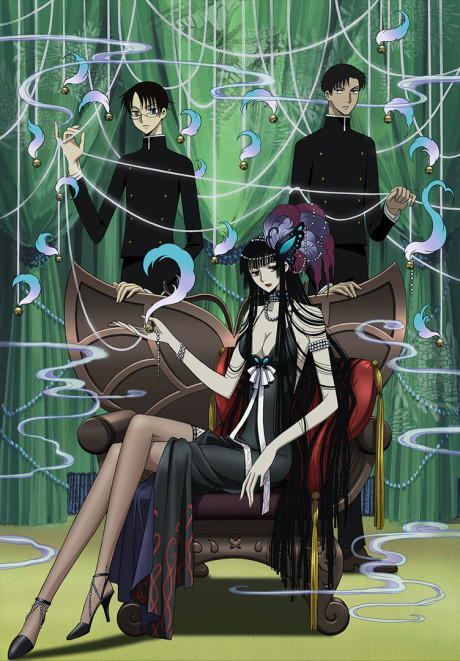
Champ’s grotesque, saliva-dripping muzzle in *Postal III*’s opening sewer crawl mirrors Suruga Devil’s decaying, flesh-eating hand—both weaponizing body horror & occult dread as darkly comic manifestations of repressed trauma. Where *Hanamonogatari*’s second season frames Hitagi’s cursed limb as psychological rupture made flesh, the game literalizes it through absurd, gory physics and self-aware tonal whiplash. This shared commitment to adult, dark-seinen dissonance—swinging violently between visceral disgust and pitch-black parody—makes their resonance jarringly precise, not coincidental.

Connected through 3 aesthetic dimensions.

Connected through 2 aesthetic dimensions.

Connected through 2 aesthetic dimensions.

Postal III’s opening asylum escape—where the Dude stumbles through flayed nurses and sentient vomit—meets Mission: Yozakura Family’s tonal whiplash when Taiyou’s shy stutter collapses mid-kiss as Mutsumi’s dad materializes *through* a wall, eyes glowing violet. 😂 Comedy & Parody binds them: both weaponize absurdity to fracture genre expectations, not just mock tropes but *inhabit* their illogic. Unlike most spy rom-coms, Yozakura leans into body horror—Mutsumi’s ocular implants, her brother’s flesh-melting “leak”—mirroring Postal III’s unrelenting visceral grotesquerie. That shared commitment to chaotic, self-aware violation of physical and narrative boundaries is jarring—and brilliant.

Champ’s grotesque, saliva-dripping maw mid-rampage mirrors Tsukihi Phoenix’s unnerving transformation—both weaponize body horror as absurdist punctuation. Unlike most comedies that soften the occult, *Nisemonogatari*’s Karen Bee arc and *Postal III*’s asylum sequence escalate psychological rupture into slapstick violence, bonding them through defiantly dark *seinen* irony. That shared commitment to parodying genre tropes *while* committing fully to their own madness makes the resonance jarringly authentic—not accidental, but anarchic.

Connected through 2 aesthetic dimensions.





































































































































![Fate/stay night [Heaven’s Feel] III. spring song](https://s4.anilist.co/file/anilistcdn/media/anime/cover/large/bx21719-MSdTlkno0Z0u.jpg)











Match Dimensions Explained
❓Frequently Asked Questions
Why is Mob Psycho 100 III listed as similar to Postal III?
Because both lean hard into absurdist, self-aware parody of their own genres—like when Mob’s psychic outbursts warp reality in Season 3’s ‘Divine Tree’ arc, mirroring Postal Dude’s sudden, jarring shifts between delusion and 'reality' in Catharsis. Plus, the show’s tonal whiplash (silly slapstick one second, grotesque body horror the next) matches how Postal III lurches from dark satire to cringe-comedy without warning—exactly like Mob’s breakdown scenes where limbs melt while he’s yelling about tofu.
Is there an anime adaptation of Postal III?
Nope—Postal III has never been adapted into anime, and given its notoriously broken gameplay and polarized reception (one player called it 'the single worst game I have ever played'), it’s unlikely anyone’s pitching a faithful anime version. That said, Paprika (78% match) comes closest to capturing its vibe: think the surreal, collapsing dream logic of Paprika’s parade scene—where identities blur and bodies distort—echoing how Postal Dude’s grip on reality frays in Catharsis.
How does Hanamonogatari compare to Nisemonogatari for Postal III fans?
Hanamonogatari leans heavier into psychological unraveling and slow-burn body horror—like Hitagi’s crab curse metastasizing into abstract, suffocating dread—which mirrors Postal III’s more unsettling, low-stakes-but-high-awkwardness moments (e.g., Champ barking at hallucinated bureaucrats). Nisemonogatari, meanwhile, matches Postal III’s rapid-fire, fourth-wall-breaking absurdity—think Senjougahara’s deadpan rants about bureaucracy while covered in fake blood, just like Postal Dude arguing with a sentient trash can in Catharsis.
What’s the best anime like Postal III if I want that chaotic, ‘I don’t know whether to laugh or shut it off’ vibe?
Go straight to Paprika—it nails that unstable, anything-can-happen energy better than any other match. The moment Paprika’s parade swallows reality whole, warping faces and streets into pulsing, carnivalesque chaos? That’s the exact feeling of booting up Postal III and watching Champ sprint headfirst into a wall for 90 seconds while the Dude monologues about tax reform. It’s not polished—it’s *designed* to make you blink twice and ask, ‘Did that just happen?’