
Neon Genesis Evangelion: The End of Evangelion
NERV faces a brutal attack from SEELE, but with Asuka in a coma, and Shinji in a nervous breakdown, things soon turn into the surreal. This movie provides a concurrent ending to the final two episodes of the show Neon Genesis Evangelion.
(Source: IMDb)
📺Anime Details
📝Editorial Analysis
The taste of blood in Shinji’s mouth as he chokes on his own sobs inside Unit-01’s cockpit—metal groaning, light dissolving into static, Asuka’s motionless hand floating in LCL like a severed relic—this isn’t climax. It’s collapse. A nervous system unplugged from meaning, vibrating raw in the silence after every god, every parent, every command has evaporated. That moment isn’t about mecha combat—it’s the weight of choosing to exist when existence feels like self-immolation.

What makes Neon Genesis Evangelion: The End of Evangelion singular isn’t its dystopian skyline or its body horror—it’s how it weaponizes intimacy as trauma. The camera doesn’t pull back during breakdowns; it presses closer, holding on trembling eyelids, sweat-slicked temples, the wet sound of breath catching mid-sob. It forces you to sit in the unbearable proximity of another person’s psychic disintegration—not as spectacle, but as shared nerve exposure. You don’t watch Shinji unravel—you feel your own throat tighten in reflex. It’s philosophy made visceral, tragedy that smells like antiseptic and ozone, coming-of-age stripped of growth and left only with the shuddering question: What if I’m not built to survive being me?
That same suffocating, metaphysical claustrophobia lives in BioShock™—not just in its crumbling Rapture architecture, but in how its ideology curdles into flesh. The game’s description names Body Horror & Occult, and its player review calls it “revolutionary” for changing how games handle ideas—but what sticks is the way plasmids warp your hands into screaming, twitching tools, how Big Daddies lumber with biomechanical agony, how every audio log whispers a doomed rationality collapsing under its own logic. Like The End of Evangelion, it doesn’t ask what if society falls?—it asks what if your mind is the last ruin left standing? Both make ideology bleed, turn belief systems into tumors you can’t excise without losing yourself.
Then there’s S.T.A.L.K.E.R.: Shadow of Chernobyl, where the Zone isn’t just dangerous—it watches. Its description nails the dread: radiation, anomalies, creatures, and other S.T.A.L.K.E.R.s—a hierarchy of threat where even fellow survivors are variables in your erosion. The player review says the map is “big and beautiful,” but beauty here is radioactive lichen glowing under fog, abandoned labs humming with unstable physics, your own heartbeat pounding louder than gunfire. Like NERV HQ’s sterile corridors giving way to surreal LCL oceans, the Zone dissolves boundaries between environment and psyche. You don’t conquer it—you acclimate to dissolution, learning which hallucinations are lethal, which whispers are real, which version of yourself might walk out alive. Both works treat reality as a thin membrane—and let you feel it tear.
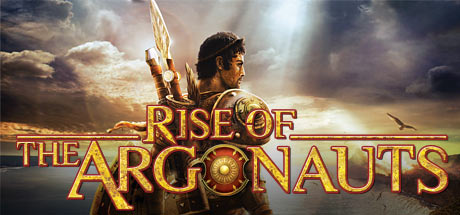
Even Rise of the Argonauts, with its mythic framing, shares this emotional core. Its description centers Jason’s vow “to do anything to restore her life”—a promise that mirrors Shinji’s desperate, self-annihilating plea for connection in Instrumentality. The player review notes it “does ancient history right,” but what resonates is the seinen darkness: grief so absolute it hollows out morality, turning gods into indifferent bureaucrats and resurrection into a grotesque bargain. Like SEELE’s cold calculus or Gendo’s frozen love, Jason’s quest isn’t heroic—it’s desperate, a man clawing at the edges of fate until his fingers bleed myth.
This isn’t for fans of clean catharsis or triumphant arcs. It’s for the ones who’ve stared at their phone at 3 a.m., heart racing over a text they won’t send—who know the difference between loneliness and being fundamentally untranslatable to the people closest to you. It’s for players who replay the same corridor in S.T.A.L.K.E.R. just to hear the wind shift, or who pause BioShock mid-battle to listen to a dying splicer whisper about lost daughters. It’s for anyone who’s ever needed art not to comfort them—but to witness the tremor in their hands and say, quietly: Yes. That’s real. And you’re still here.
🎮49 Games That Match the Vibe



























Match Dimensions Explained
❓Frequently Asked Questions
Why is BioShock listed as similar to The End of Evangelion?
Because both dive deep into psychological unraveling, body horror, and oppressive dystopian systems — think Shinji’s Instrumentality-induced dissolution mirrored in BioShock’s Little Sisters and ADAM mutations. The game’s Rapture isn’t just a setting; it’s a decaying ideological monument, much like NERV HQ’s hidden truths and Gendo’s god-complex architecture.
Is there a Neon Genesis Evangelion game that actually adapts The End of Evangelion?
No — there’s never been an official game that faithfully adapts *The End of Evangelion*’s surreal climax, abstract imagery, or raw psychological breakdown. The closest you’ll get in tone and weight is *S.T.A.L.K.E.R.: Shadow of Chernobyl*, where the Zone’s reality-warping anomalies, oppressive silence, and existential dread echo the film’s fractured psyche and collapsing metaphysics.
How does S.T.A.L.K.E.R. compare to BioShock for End of Evangelion vibes?
Both nail the ‘haunted ideology’ vibe, but *S.T.A.L.K.E.R.* leans harder into silent dread, environmental storytelling, and bodily decay — like stumbling through Terminal Dogma’s red corridors, you’ll feel the same unease navigating the Zone’s fog-choked ruins and mutated flesh. *BioShock* gives you more scripted philosophical monologues (Andrew Ryan’s speeches hit like Gendo’s cold logic), while *S.T.A.L.K.E.R.* makes you *live* the disintegration, minute by minute.
What’s the best game like The End of Evangelion if I want that suffocating, introspective, body-horror-heavy mood?
Go straight to *S.T.A.L.K.E.R.: Shadow of Chernobyl* — its radiation sickness visuals, distorted audio during anomaly surges, and grotesque mutant designs (like the Bloodsucker’s twitching limbs) channel Eva’s visceral discomfort better than anything else on the list. You won’t get synchronized pilots or AT Fields, but that slow-burn paranoia, the sense of being watched by unseen forces, and the physical toll of existence? Pure Instrumentality energy.