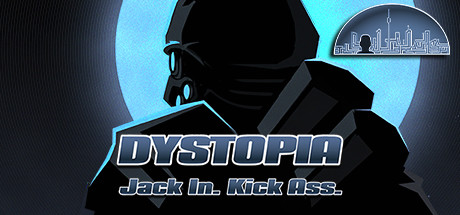
Dystopia
Dystopia is a cyberpunk game with tense combat situations in a high-tech world spanned by computer networks. Playing as either Punk mercenaries, or Corporate security forces, the player will fight through the physical world to gain access, via jack-in terminals, to cyberspace.
🎮Game Details
💬What Players Say
"Not a bad mod, too bad the online is dead."
📝Editorial Analysis
The jack-in terminal hums—not with warmth, but with the brittle, metallic whine of overloaded circuitry. Your fingers hover over the console as a Punk mercenary, boots scuffing cracked ferrocrete under flickering neon that spells nothing legible anymore. Across the ruined plaza, Corporate security moves in synchronized silence—no shouts, no radio chatter, just the low thrum of powered armor and the click-hiss of plasma rifles cycling. You sprint, dodge, vault—and then you’re at the terminal. You plug in. The world dissolves into raw data-streams, jagged and cold, while your physical body slumps, vulnerable, back in the rain-slicked alley. That moment—the split-second before immersion, where danger lives both in the bullet’s trajectory and the firewall’s collapse—is Dystopia’s pulse.
What makes it ache isn’t just the chrome or the rain—it’s the weight of dual-layered vulnerability. You’re never fully safe: not in the crumbling streets where a sniper round ends you in one hit, not in cyberspace where a corrupted node can scramble your neural feed mid-jack. There’s no heroic monologue before the fight—just tactical silence, breath held, gear checked, comms dead. The player review says it plainly: “Not a bad mod, too bad the online is dead…” That line isn’t nostalgia—it’s grief for a shared tension that required others to be present, breathing the same digital dread. It makes you think about infrastructure as fragility: how networks aren’t just tools, but lifelines—and how easily they fray when no one’s left to patch them. It makes you feel exposed, resource-strapped, urgently temporary—like every victory is measured in seconds before the next system failure.
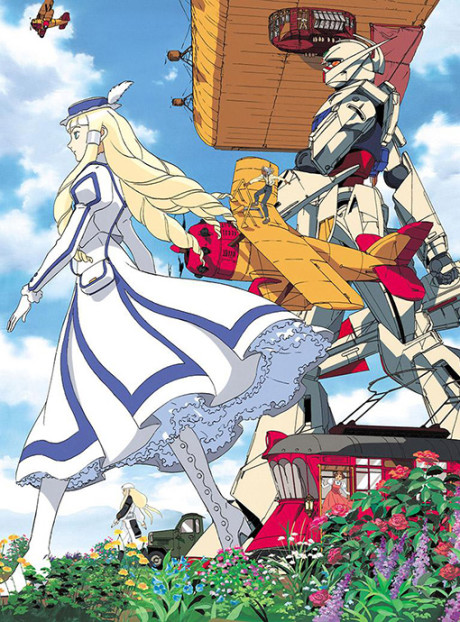
Expelled From Paradise shares that exact texture: not flashy rebellion, but the quiet, grinding cost of survival in a world where even air filtration is rationed and data access is a privilege guarded by orbital firewalls. Its cyberpunk isn’t glitter—it’s grime on reinforced glass, flickering holo-ads advertising services no one can afford, and the constant awareness that your body is obsolete hardware in a society that’s already uploaded. Like Dystopia, it treats cyberspace not as escape, but as another battlefield—one where a misstep doesn’t just kill your avatar, but erases your last backup. The survival & crafting dimension isn’t about building bases; it’s about jury-rigging legacy interfaces, repurposing military-grade firmware, and choosing which memory fragments to keep when storage is finite.
Mecha Ude: Mechanical Arms mirrors Dystopia’s physical-cyber duality through its central metaphor: limbs rebuilt not for glory, but for function—each joint calibrated for torque, each sensor tuned for threat detection in polluted urban sprawl. The mecha here aren’t towering gods of war; they’re worn, oil-streaked extensions of exhausted operators who jack in not to dominate networks, but to navigate them—tracing data leaks like blood trails, breaching firewalls like rusted blast doors. Its military sci-fi isn’t about doctrine—it’s about protocol fatigue, about orders that arrive too late, about the hollow echo of command channels going silent mid-mission. That’s the same silence you hear in Dystopia’s empty server rooms and abandoned terminals—proof that systems outlive their users, but never their consequences.
And Gargantia on the Verdurous Planet, despite its oceanic setting, carries the same survival & crafting soul: salvaging corroded tech from drowned ruins, reassembling logic gates from shipwrecked drones, learning to trust analog interfaces because the network is gone—and staying gone. Its dystopia isn’t neon-lit oppression; it’s the slow, sun-bleached erosion of knowledge, where “cyber” means remembering how to reboot a generator, not cracking encryption. Like Dystopia, it forces you to confront what remains after connectivity collapses—not philosophy, but friction, heat, weight, rust.
This isn’t for the viewer who wants catharsis in explosions or the player who craves power fantasy. It’s for the one who feels relief when a terminal boots without error—whose heart skips not at a boss reveal, but at the first clean ping across a restored LAN. It’s for the person who watches a character splice two frayed cables together with trembling hands and thinks, Yes—that’s real. Who knows the difference between a warning chime and a death rattle. Who understands that the most haunting dystopia isn’t ruled by tyrants—it’s maintained by silence, sustained by inertia, and kept alive only by the stubborn, unglamorous act of keeping the lights on, one more cycle.
→127 Anime That Match the Vibe

Both dive into neon-soaked futures where technology blurs the line between human and machine.

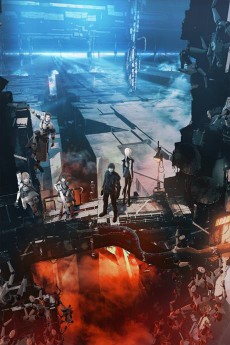
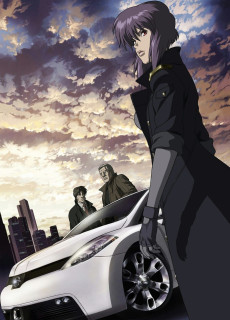
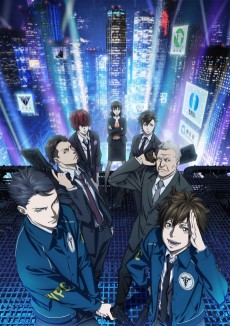
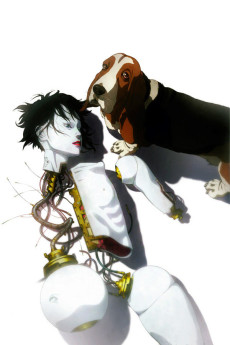
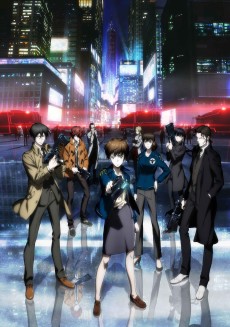
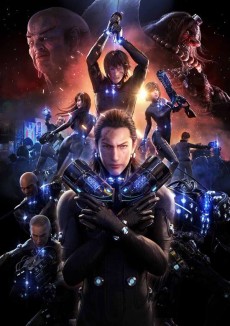
Angela Balzac’s stark transition from DEVA’s frictionless virtuality to a rain-slicked, analog Earth mirrors Dystopia’s gritty network warfare—where every hacked terminal or jammed rifle underscores 🌆 Cyberpunk & Dystopia as lived tension, not backdrop. Unlike most digital-afterlife stories, *Expelled From Paradise*’s movie-length focus on Angela’s physical vulnerability amid decaying infrastructure resonates with Dystopia’s Punk mercenaries jury-rigging gear mid-firefight. That shared insistence on embodiment—flesh against code, rust against chrome—makes their convergence unexpectedly visceral.

Both dive into neon-soaked futures where technology blurs the line between human and machine.

Both dive into neon-soaked futures where technology blurs the line between human and machine.
Both dive into neon-soaked futures where technology blurs the line between human and machine.

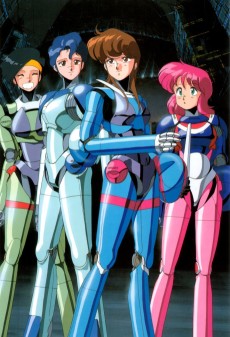
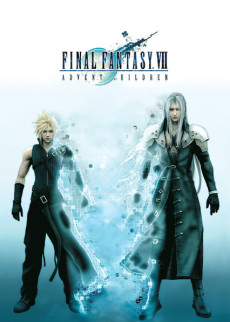
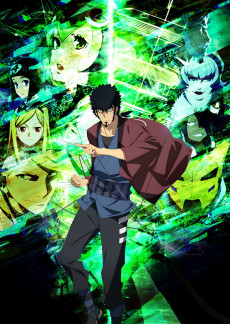
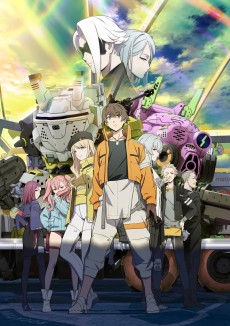
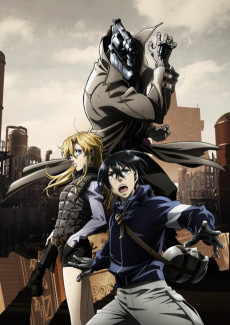
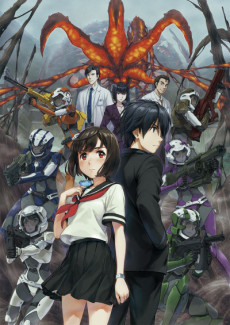
Neon-drenched server rooms in *Dystopia* hum with the same anxious dread as *Mecha Ude: Mechanical Arms*’s first fusion sequence—where human limbs crack and reassemble into alien alloy under flickering emergency lights. 🌆 Cyberpunk & Dystopia isn’t just backdrop here; it’s visceral texture—the grime on a Punk’s neural jack mirrors the biological scarring on a fused protagonist, both worlds treating augmentation as trauma disguised as power. Unlike most mecha stories, this anime leans into bodily violation, resonating sharply with the game’s tense, networked combat where every hacked door or glitching HUD feels like another layer of systemic control tightening.
Both dive into neon-soaked futures where technology blurs the line between human and machine.

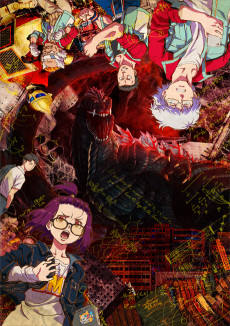
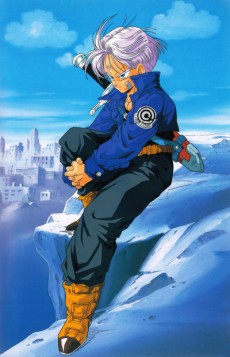
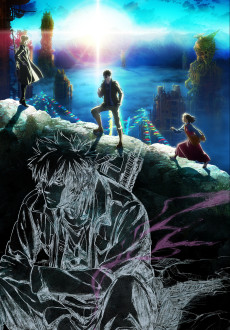
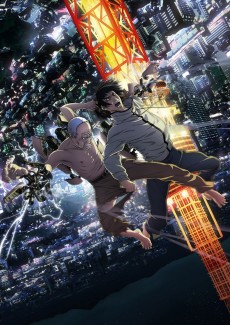
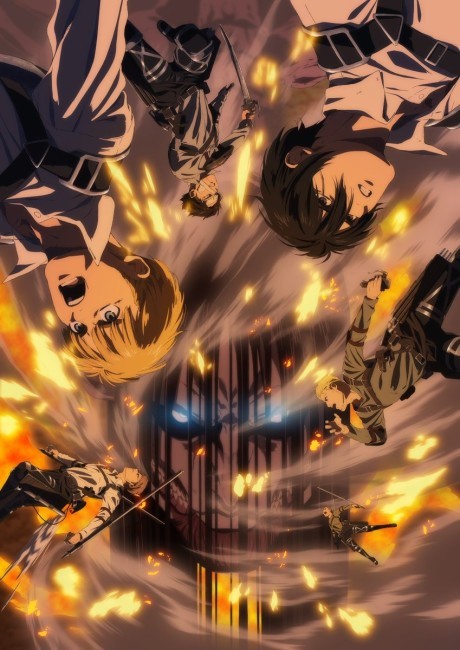
Shinra’s desperate sprint through the collapsing, neon-drenched ruins of Tokyo—where pyrokinetic flames warp reality and corporate surveillance drones swarm like metallic insects—mirrors Dystopia’s tense network infiltration sequences in their shared cyberpunk & dystopia grit. Unlike most sci-fi action pairings, neither softens its stakes: Fire Force Season 3 doubles down on institutional betrayal and bodily transformation as survival mechanics, while Dystopia forces players to craft ad-hoc weapons mid-firefight under flickering server-lit ceilings. This collision of supernatural combustion and digital decay feels startlingly coherent—not because they’re similar, but because both treat dystopia as a tactile, sweat-and-static condition.

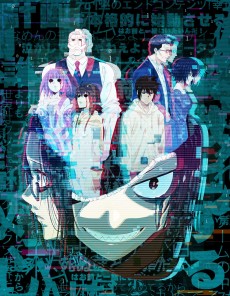
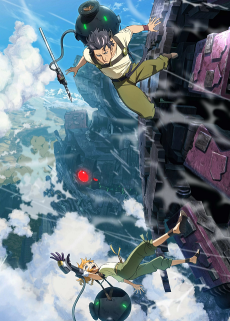
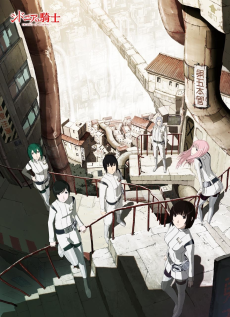
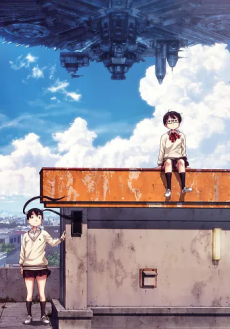
Patema’s silent descent through flickering tunnel lights mirrors a Dystopia player’s tense network infiltration—both navigate claustrophobic, vertically layered worlds where light is scarce and surveillance omnipresent. Unlike most cyberpunk fare fixated on neon skylines, these works root their 🌆 Cyberpunk & Dystopia in subterranean confinement and fragile human connection amid systemic control. That shared emphasis on vertical survival—not just crafting tools but trust—makes their resonance startlingly intimate, not just aesthetic.
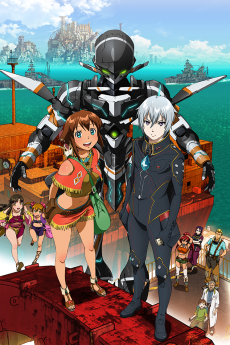
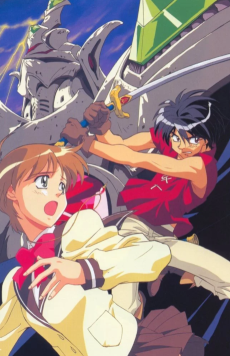
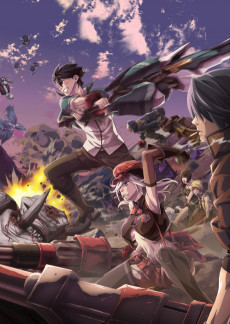
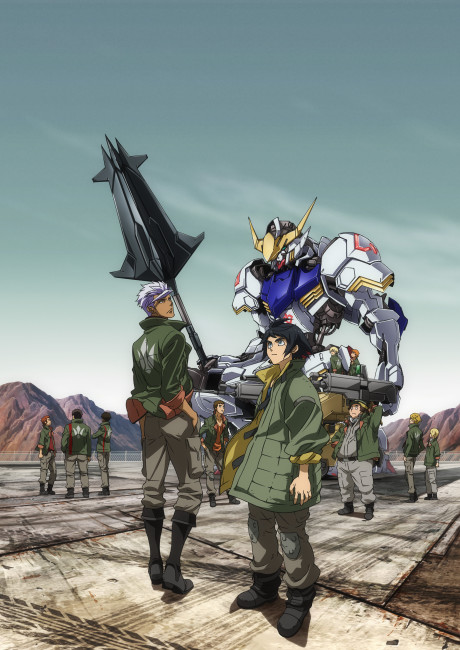
Leaden rain slicks the neon-drenched alley where a Dystopia Punk scrambles through corrupted data streams—mirroring Ledo’s disorientation aboard Gargantia’s creaking, analog ship, adrift in a world that weaponizes *Survival & Crafting* against memory itself. Unlike most military sci-fi, neither work romanticizes hierarchy: corporate firewalls and Galactic Alliance protocols crumble under human improvisation—like Pinch’s jury-rigged mecha repairs or a Punk repurposing security drones into salvage tools. This gritty reciprocity between networked control and tactile resilience makes their resonance unexpectedly tender.











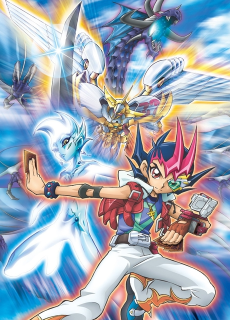
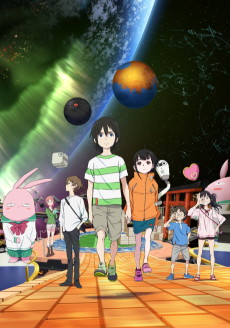
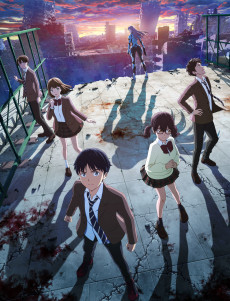


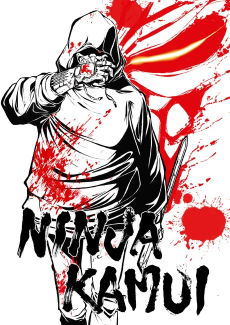

































































Match Dimensions Explained
❓Frequently Asked Questions
Why is Expelled From Paradise considered the closest anime to Dystopia's vibe?
Because both drop you into a gritty, networked cyberpunk world where physical combat and digital intrusion are equally vital—like when Angela jacks into the Paradigm’s mainframe while dodging corporate drones in the ruined Tokyo sprawl. The game’s jack-in terminals mirror the film’s seamless shifts between real-world action and high-stakes net-space hacking, and that 81-match score reflects how tightly its Cyberpunk & Dystopia + Survival & Crafting layers align with Dystopia’s core loop.
Is there an anime adaptation of Dystopia?
Nope—Dystopia is strictly a modded multiplayer FPS (not a commercial game or IP), so there’s zero official anime adaptation. That said, fans often point to Gurren Lagann as a spiritual cousin: think Kamina’s ‘drill through fate’ energy clashing with Dystopia’s punk-vs-corp tension—but it’s all fan-driven resonance, not licensed material.
How does Mecha Ude compare to Gargantia on the Verdurous Planet for dystopian cyberpunk feels?
Mecha Ude leans harder into oppressive, neon-drenched urban decay—its protagonist literally welds scrap into weapons in rain-slicked alleys under corporate surveillance drones—while Gargantia trades cityscapes for oceanic isolation and resource scarcity aboard the Gargantia fleet. Both hit Cyberpunk & Dystopia + Mecha & Military Sci-Fi, but Mecha Ude’s 79 score edges out Gargantia’s 78 by doubling down on the ‘jack-in’-adjacent tech-augmentation theme, like limb-replacement scenes that feel ripped from Dystopia’s cybernetics lore.
What’s the best anime like Dystopia if I want that tense, grounded ‘corporate mercenary vs. security forces’ vibe?
Go straight to Mobile Suit Gundam: The Witch from Mercury—it’s got the exact dynamic: Suletta’s forced enrollment at Asticassia School mirrors Dystopia’s faction asymmetry, and every MS duel (like her showdown with Miorine in the Gravity Dome) crackles with tactical stakes, surveillance countermeasures, and corporate espionage. Its 77 score in Cyberpunk & Dystopia + Mecha & Military Sci-Fi means it nails the ‘high-tech, high-tension, low-trust’ pulse you’re after.