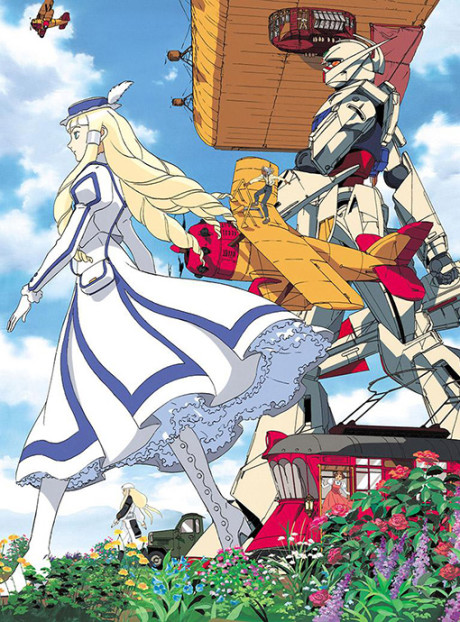
Turn A Gundam
This story is set thousands of years in the future. The people of Earth have forgotten the space wars of the past, reverting back to a pre-industrial existence. But the lunar settlers known as the Moonrace, who have retained their high technology, now plan to seize their mother planet for themselves. As the war of the worlds begins, a young Moonrace citizen named Loran Cehack, pilot of the legendary Turn A Gundam, struggles to bridge the gap between humanity's long-separated branches.
(Source: GundamOfficial)
📺Anime Details
📝Editorial Analysis
The wind carries ash—not from fire, but from centuries of buried metal, rusting quietly beneath sun-bleached soil. Loran stands barefoot in a wheat field, the Turn A Gundam’s colossal silhouette half-buried nearby like a fossilized god, its cockpit hatch open, empty. He’s just washed mud from his hands after helping mend a plow. A lunar warship hums overhead, sleek and lethal, scanning for “primitive contamination.” That dissonance—dirt under fingernails beside orbital targeting grids—is where Turn A Gundam lives: not in battle, but in the unbearable weight of remembering while everyone else breathes like it’s the first day of the world.
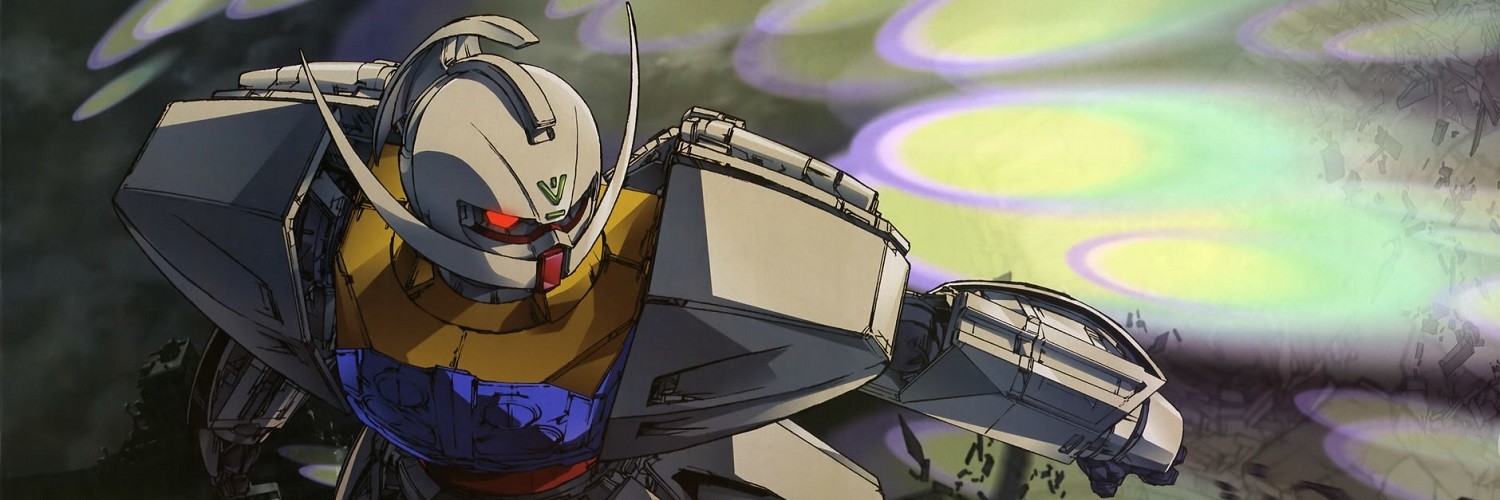
This isn’t nostalgia—it’s archaeological melancholy. The show doesn’t romanticize the past or fetishize tech; it treats history like sedimentary rock: layered, compressed, unreadable until pressure cracks it open. You feel the silence between generations—the way Earthlings hum folk tunes they don’t know the words to, how Moonrace officers quote dead philosophers like liturgy, how every weapon system bears names no one alive remembers the origin of. It makes you question whether “progress” is linear—or just a slow, recursive forgetting. There’s no triumphant return to glory, only quiet, stubborn reassembly: of machines, of languages, of trust. The emotional core isn’t hope or despair—it’s tenderness in the face of irrecoverable loss.
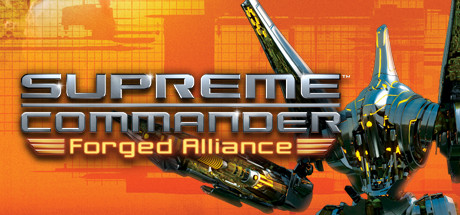
That same ache pulses in Supreme Commander. Its description nails it: “For a thousand years, three opposing forces have waged war for what they believe is true. There can be no room for compromise: their way is the only way.” Like the Moonrace’s ideological rigidity and Earth’s fractured, myth-haunted governance, this isn’t war over territory—it’s war over ontology. And the player review confirms the resonance: “The scale of the battles is different even today.” Not flashy, not personal—but vast, slow, inevitable. You don’t command soldiers; you shepherd civilizations across ruined continents, watching artillery arcs trace the same parabolas as ancient orbital bombardments. It’s the same exhausted, cyclical gravity that bends Turn A Gundam’s politics.
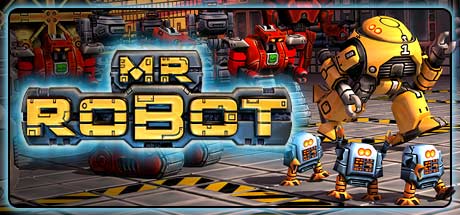
Then there’s Mr. Robot, whose description drops the quiet bomb: “Asimov is a lowly service mechanoid aboard the interstellar colony ship Eidolon… When the Eidolon's computer brain malfunctions, it falls to…” That ellipsis hangs like fog over a graveyard of assumptions. Like Loran—who pilots a machine older than nations, built by ancestors who vanished into myth—Asimov isn’t a hero. He’s a caretaker of broken systems, forced to interpret protocols written in dead syntax. The player review calls it “retro… with some very light Mega Man Battle Network type exploration and battles.” Not spectacle—translation. Reading error logs like scripture. Navigating corridors where wall panels still display star charts no one recognizes. That’s the Turn A Gundam feeling: technology as palimpsest, every interface whispering a language you almost understand.
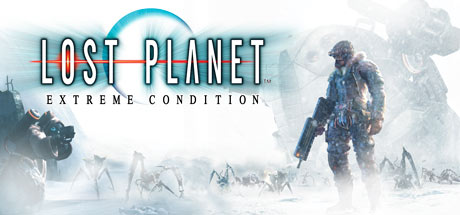
Even Lost Planet™: Extreme Condition echoes it—not in tone, but in texture. Its description: “Driven to the brink of extinction on ice-covered wastelands, humankind fights to survive. Battle to survive against gargantuan alien Akrid and treacherous Snow Pirates…” The ice-covered wastelands aren’t just setting—they’re memory made geologic. Like Earth’s forgotten wars frozen under permafrost, or the Turn X buried in lunar regolith. The player review’s frustration—“super disappointed that Capcom still hasn't fixed Colonies Edition”—mirrors the anime’s central tragedy: systems decay, knowledge frays, and repair is always partial, always haunted by what’s missing. You don’t rebuild the world—you jury-rig survival from its beautiful, broken bones.
This pairing isn’t for fans of clean victories or seamless lore dumps. It’s for the person who pauses mid-game to stare at a crumbling reactor core in Supreme Commander, wondering what hymn its builders sang before the grid went dark. It’s for the one who replays Mr. Robot’s corridor scenes not for plot, but to watch dust motes drift in the ship’s failing light—just like Loran watching pollen float over wheat fields grown atop missile silos. It’s for those who find profound comfort in stories where humanity isn’t saved by genius or power, but by the stubborn, tender act of kneeling in the dirt—not to plant, but to listen to what the ground remembers.
🎮23 Games That Match the Vibe

Match Dimensions Explained
❓Frequently Asked Questions
Why does Lost Planet: Extreme Condition feel so similar to Turn A Gundam’s desert battles and mecha-vs-alien vibe?
Because both lean hard into gritty, grounded mecha combat against overwhelming alien threats—Lost Planet’s Akrid are like Turn A’s Moonrace in scale and menace, especially during those tense, snow-choked boss fights where your VS (Vital Suit) groans under damage just like the Turn A’s iconic 'Gundam Head' scene. The tactical, terrain-aware skirmishes and emphasis on heat management and weapon overheating mirror Turn A’s deliberate, weighty piloting feel.
Is there a Turn A Gundam anime adaptation game with actual mobile suit customization and story branching?
No—not in this match list. While Mr. Robot features a mechanoid protagonist (Asimov) aboard the colony ship Eidolon and has light Mega Man Battle Network–style exploration, it’s a narrative-driven sci-fi adventure, not a Gundam adaptation. It captures Turn A’s themes of isolation and malfunctioning AI, but no mobile suits, no Zeon remnants, and no customizable Gundams.
Supreme Commander vs. Tribes: Ascend—which one better captures Turn A Gundam’s ‘epic-scale war with ideological factions’ energy?
Supreme Commander wins hands-down for that vibe: its Infinite War between the Cybran Nation, United Earth Federation, and Aeon Illuminate mirrors Turn A’s three-way conflict (Earth, Moon, and the neutral colonies), complete with massive experimental units like the Fatboy echoing Turn A’s transformation sequences. Tribes: Ascend is all about fast-paced, team-based military sci-fi—fun and chaotic, sure, but it lacks the slow-burn ideological weight and strategic depth of Supreme Commander’s continent-spanning campaigns.
What’s the best Turn A Gundam-like game if I want melancholy, retro-futuristic atmosphere and quiet moments between big mecha fights?
Mr. Robot is your pick—it’s got that same lonely, analog-sci-fi mood as Turn A’s quieter scenes aboard the Moonrace ships or Loran’s introspective flashbacks. Asimov the mechanoid wanders the decaying Eidolon with pixel-art charm and somber synth music, and the light exploration/battle rhythm feels like a spiritual cousin to Turn A’s pacing: think ‘Gundam Head’ activation, then silence, then a distant alarm. Even the player review calls it ‘retro by today’s standards’—in the best possible way.