
Wolf's Rain
In some distant future, it's common knowledge that all wolves have been extinct for 200 years. However, it seems this is false as wolves have not disappeared but rather have taken human form. Kiba, a lone wolf, wanders into a city, trying to sniff out the Lunar Flowers that are supposed to lead whoever follows the scent to paradise. The source of the smell is Cheza, a girl who sleeps in what appears to be suspended animation in a lab. She and the wolves are drawn to each other, and Kiba hopes to find paradise once he finds the source of the scent of Lunar Flowers. However, once Kiba finds Cheza, she is kidnapped by a mysterious person called Darcia, and his search begins anew. Before he leaves the city, he meets 3 other wolves, Tsume, Hige and Toboe. All four wolves have very different personalities and ideas, and their friendliness towards each other is a little rough around the edges. However, they soon band together to continue to search for paradise.
(Source: Anime News Network)
📺Anime Details
📝Editorial Analysis
The snow doesn’t fall in Wolf’s Rain—it settles. Not gently, but like ash over a grave no one remembers burying. Kiba stands at the edge of that ruined city, breath pluming in the thin air, nostrils flaring—not for prey, not for danger, but for a scent that shouldn’t exist: Lunar Flowers. His skin is tanned, weathered, marked by two centuries of erasure. Around him, concrete ribs of collapsed towers pierce a sky the color of old bruises. There’s no music—just wind threading through broken windows, and the low, animal ache in his chest: paradise is real, and it’s already gone.
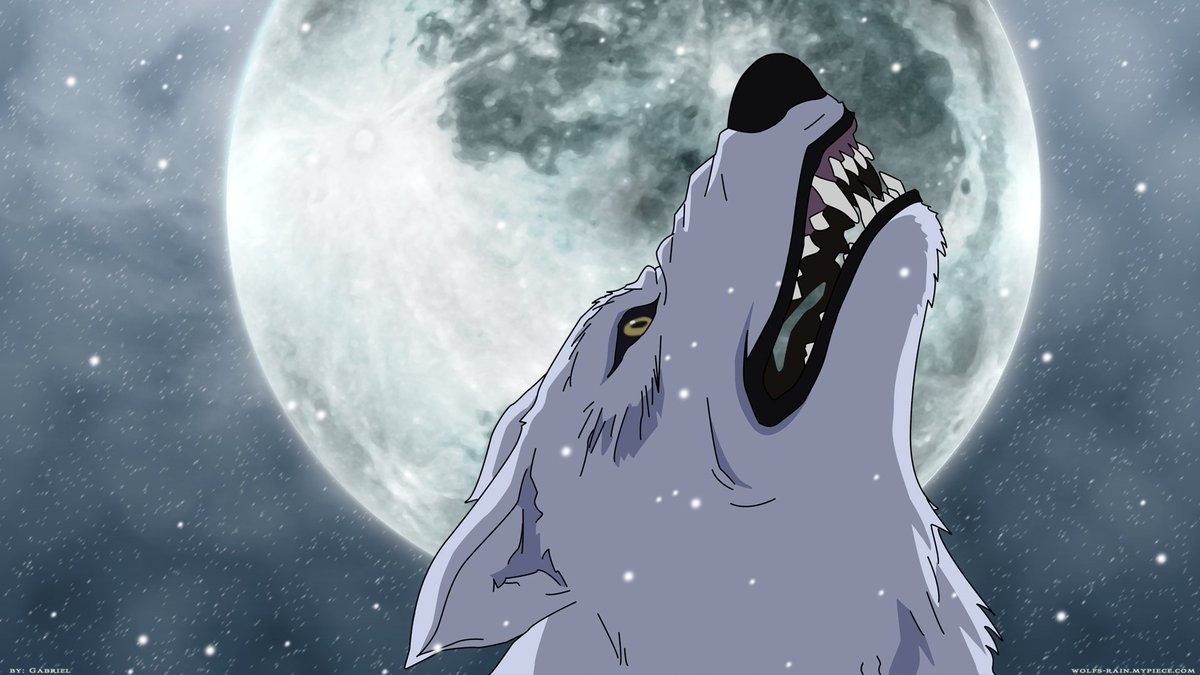
That’s the feeling—not hope, not despair, but longing as gravity. Wolf’s Rain doesn’t trade in dystopian spectacle; it bleeds quiet tragedy into every frame. The snowscapes aren’t backdrops—they’re silence made visible, thick with memory manipulation so deep even the wolves don’t know their own names until they smell Cheza. The lab where she sleeps isn’t sci-fi set dressing—it’s a reliquary. The “extinct” wolves walking among humans aren’t hiding—they’re unmoored, bodies remembering what minds have been stripped of. You don’t watch this anime to survive the world—you watch to feel how deeply survival hurts when paradise is a rumor whispered by flowers no one’s seen bloom in 200 years. It makes you think about legacy as erosion, about identity as something you sniff out, not declare.
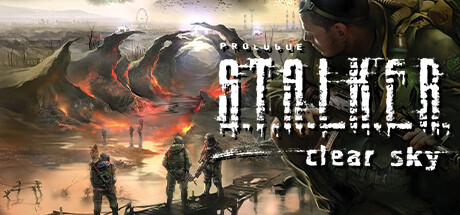
S.T.A.L.K.E.R.: Shadow of Chernobyl resonates because its Zone breathes the same air. Its description says you fear “radiation, anomalies and deadly creatures”—but the player review nails it: “you fear not only… but other S.T.A.L.K.E.R.s.” That’s Wolf’s Rain’s core tension: threat isn’t just external—it’s the fragility of trust between beings who’ve forgotten how to be kin. Both worlds are post-apocalyptic not because of bombs or collapse, but because memory has been weaponized. In the Zone, artifacts hum with lost purpose; in Wolf’s Rain, Cheza’s blood pulses with a myth no wolf can name. Neither offers maps—you follow instinct, scent, or anomaly readings—and both punish certainty. You don’t craft gear in Wolf’s Rain; you craft meaning from scraps of legend. And yet, the review calls the map “big and beautiful”—just like Wolf’s Rain’s frozen highways and cathedral ruins: desolate, yes, but sacred in their decay.
BioShock Infinite shares the same vertigo of time and memory, though its architecture is gilded and airborne while Wolf’s Rain’s is buried and grounded. Its description centers on Booker rescuing Elizabeth—a girl whose power is tied to tears in reality—and the player review admits lingering bitterness about “the Bioshock Infinite we could have gotten.” That hesitation mirrors Wolf’s Rain’s own fractured reception: both works weaponize nostalgia, then shatter it. Elizabeth isn’t just a damsel—she’s a vessel for erased histories, like Cheza. The game’s dimension-hopping isn’t spectacle—it’s memory manipulation made physical, just as the wolves’ transformations aren’t power-ups but reversions: flesh remembering what thought forgot. When the review says “after…” and trails off—that’s the exact silence after Kiba howls into a blizzard and hears nothing answer but wind.
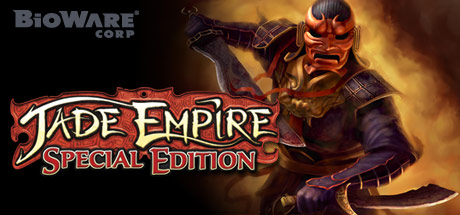
Jade Empire™: Special Edition, though draped in mythology, carries Wolf’s Rain’s emotional weight in its bones. Its description invites you to walk “the path of the open palm or the closed fist”—a duality echoing Kiba’s choice between mercy and vengeance, between leading wolves toward paradise or tearing the world down first. The player review’s frantic footnote—“I had to follow these instructions I got from Reddit…”—feels weirdly apt: both works demand active, almost devotional engagement to unlock meaning. Jade Empire’s folklore isn’t decoration—it’s living memory, like the Lunar Flower myth. Its martial arts aren’t combat systems—they’re rituals of identity, just as the wolves’ howls are prayers no god acknowledges.
This pairing isn’t for fans of “cool werewolves” or “post-apocalyptic shooters.” It’s for the person who replays the final ten minutes of Wolf’s Rain not for closure—but to sit with the weight of Cheza dissolving into snow, knowing Kiba’s howl will never be answered. It’s for the player who lingers in the Zone’s abandoned hospitals not to loot, but to read scribbled notes about dead scientists who also believed in flowers. It’s for the one who pauses BioShock Infinite not at the big reveals—but when Elizabeth hums a lullaby in a language no one speaks anymore. They don’t want to win. They want to witness. To hold space for beauty that breaks—not despite the tragedy, but because of it. Longing. Silence. Memory. Ash. Snow. Howl.
🎮34 Games That Match the Vibe








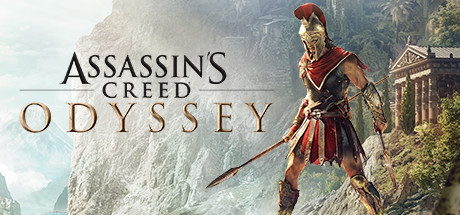

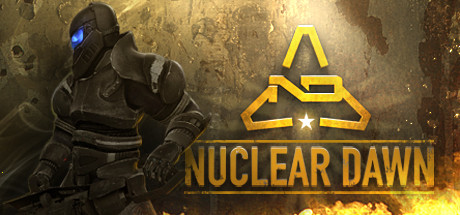

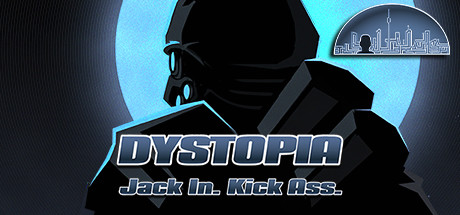
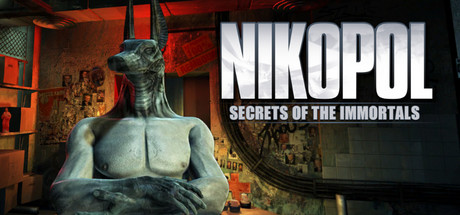






Match Dimensions Explained
❓Frequently Asked Questions
Why does S.T.A.L.K.E.R.: Shadow of Chernobyl keep coming up in 'Games Like Wolf's Rain' lists?
Because both lean hard into that haunting, melancholic atmosphere of wandering a broken world — think Kiba’s solitary trek across the ruined Earth or the eerie silence before an anomaly hits in the Zone. The game nails Wolf’s Rain’s emotional weight through environmental storytelling (like stumbling upon abandoned labs with faded notes about lost experiments) and survival tension that mirrors the wolves’ constant struggle against decay and betrayal.
Is there a Wolf's Rain video game adaptation?
No — there’s never been an official Wolf’s Rain game adaptation, despite fan hopes since 2003. What *does* exist are spiritual matches like BioShock Infinite, where Booker and Elizabeth’s fractured bond echoes Kiba and Cheza’s doomed devotion, especially in scenes like the lighthouse confrontation — layered with memory, sacrifice, and a world literally unraveling around them.
How does Chains compare to Jade Empire: Special Edition for someone who loves Wolf's Rain’s emotional depth?
Chains is *not* a narrative match — it’s a chill, physics-based match-3 game about linking bubbles, totally missing Wolf’s Rain’s mythic stakes or character arcs. Jade Empire, though? It delivers the emotional narrative dimension (73 score) you’re after: choices shape your martial arts path like Kiba’s choice between loyalty and destiny, and characters like Dawn Star carry that same quiet, tragic resonance as Hige or Blue.
What’s the best 'Wolf’s Rain-like' game if I want that lonely, rain-soaked, post-apocalyptic wander vibe?
S.T.A.L.K.E.R.: Shadow of Chernobyl is your top pick — it’s got the desolate beauty, oppressive silence, and ever-present dread of the dying world that defines Wolf’s Rain’s tone. Walking alone through the overgrown Pripyat ruins, hearing distant howls (from mutated creatures, not wolves — but the *feeling* is identical), and scavenging for scraps while radiation meters tick down? That’s Kiba’s journey, just with anomalies instead of lunar flowers.