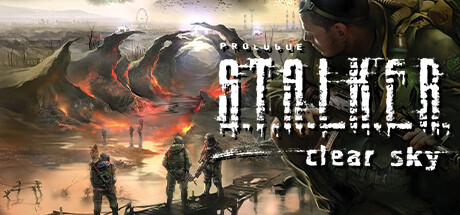
S.T.A.L.K.E.R.: Clear Sky
S.T.A.L.K.E.R.: Clear Sky – standalone prequel for the acclaimed S.T.A.L.K.E.R.: Shadow of Chernobyl, which tells you story about the Clear Sky group, that want to research the Zone and understand it better.
🎮Game Details
💬What Players Say
"Welcome back, Stalker. The second of the trilogy. Right after Shadow of Chernobyl and before Call of Pripyat...."
"Do yourself a favor and install the Sky Reclamation Project (SRP) which are a bunch of bug fixes for the game. There are some optional fixes in SRP you can choose or not, that will make it go beyond a simple vanilla playthrough though. Reduced grenade spam, alternative ballistics, etc....."
"get spammed by grenades and fight bandits with accuracy of bullseye ♥♥♥♥ this game go play the other stalker games"
📝Editorial Analysis
The wind howls through the rusted skeleton of a collapsed radar dish, and your Geiger counter clicks like a dying insect—too fast, too loud—as you crouch behind shattered concrete, watching a grenade arc toward your position. You don’t flinch. You breathe. Not because you’re calm—but because you’ve learned that panic means death in the Zone before the radiation does. This is S.T.A.L.K.E.R.: Clear Sky, the “odd one of the trilogy” — not just chronologically between Shadow of Chernobyl and Call of Pripyat, but emotionally suspended: a prequel where the Clear Sky group isn’t fighting for survival or power, but for understanding. Their mission is quiet, almost sacred—research the Zone as it is, not as a weapon, not as loot, but as a living anomaly. Yet the world won’t let them think. Bandits fire with “accuracy of bullseye.” Grenades spam your cover. The Zone doesn’t care about epistemology—it only tests endurance.
What makes Clear Sky ache like no other shooter is its weight of ambiguity. It’s not dread from jump scares or scripted horror—it’s the slow, grinding unease of being perpetually out of sync: with time (the Zone’s temporal fractures are real), with physics (gravity stutters near anomalies), with your own body (radiation sickness blurs vision, distorts sound). You feel unmoored, not because the map is huge—but because every meter you gain feels provisional, reversible. That tension—between curiosity and consequence, between scientific reverence and visceral fragility—is what lingers. It’s the feeling of holding a compass in a place where north doesn’t exist, and still choosing to walk forward. You don’t just survive the Zone—you negotiate with it, second by second, breath by breath.
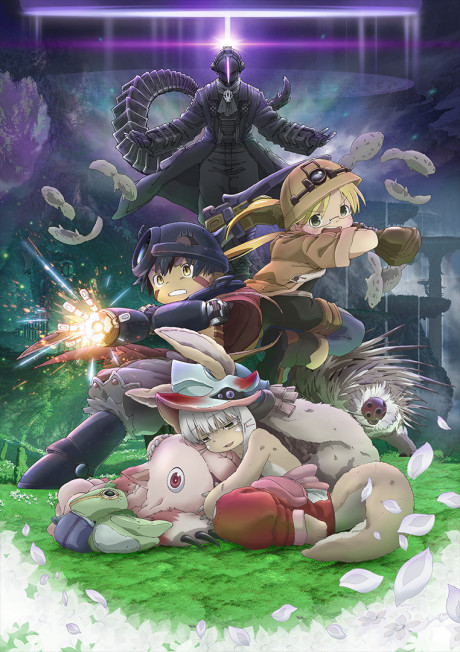
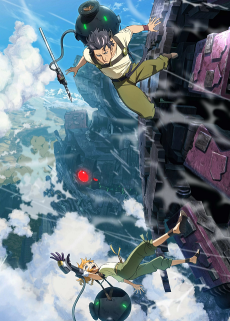
That negotiation echoes fiercely in Made in Abyss: Wandering Twilight, where descent is both pilgrimage and punishment. Like Clear Sky’s Clear Sky group, Riko and Reg descend not for conquest, but to witness, to record, to comprehend—even as the Abyss mutates flesh, scrambles memory, and rewrites biology mid-fall. Both share Body Horror & Occult not as spectacle, but as ontological friction: skin peels not for shock, but because reality itself is unstable. And Survival & Crafting? In both, every bandage stitched, every filter swapped, every journal entry made is an act of defiance against entropy—tiny, trembling rituals against dissolution.
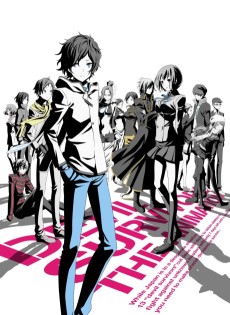
Then there’s Dorohedoro Season 2, where the Hole’s grime-soaked alleys and warped anatomy mirror the Zone’s lawless sprawl—not as backdrop, but as character. The shared Cyberpunk & Dystopia dimension isn’t neon or chrome; it’s the texture of decay: flickering streetlights over cracked asphalt, half-buried tech humming under mud, bodies patched with scavenged parts. And the Body Horror & Occult? Same pulse: limbs twist not for gore’s sake, but because identity itself is porous—just like a Stalker’s suit fraying at the seams while their blood glows faint green. Both worlds treat transformation as inevitable, irreversible—and deeply, unsettlingly intimate.
And Hell’s Paradise Season 2, where every wound is a ledger entry, every herb boiled into salve a gamble against mutation. Here, Survival & Crafting isn’t menu-based—it’s tactile, desperate, sweat-and-ash labor. Gabimaru’s hands shake as he grinds roots; your fingers tremble adjusting filters on a broken respirator. Both demand that you feel the cost of staying human—through blistered palms, through coughing fits that taste of iron and ozone. The Body Horror & Occult isn’t spectacle—it’s the quiet horror of realizing your own reflection might blink a beat too late.
This isn’t for players who want clean victories or anime fans who crave tidy resolutions. It’s for the ones who linger in the silence after the explosion—the ones who pause mid-fight to watch dust motes swirl in a sunbeam piercing a ruined roof, then reload without looking away. It’s for readers who underline passages about moss growing on abandoned tanks, for watchers who rewatch scenes where a character stares at their own trembling hand—not in fear, but in recognition. For those who know that the most haunting thing in any Zone—or Abyss—or Hole—isn’t the monster ahead… but the question echoing behind you: What have I already become?
→96 Anime That Match the Vibe
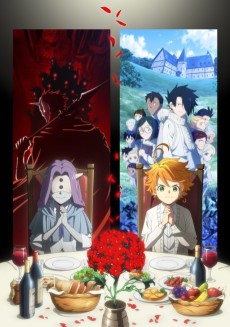
The body as a site of transformation and terror — both push physical boundaries.
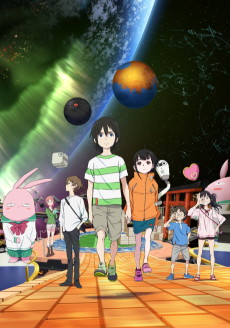
Both dive into neon-soaked futures where technology blurs the line between human and machine.
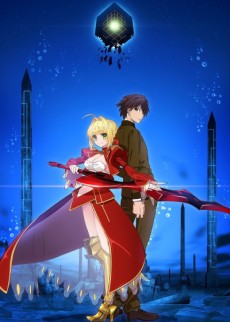
Both dive into neon-soaked futures where technology blurs the line between human and machine.

The body as a site of transformation and terror — both push physical boundaries.
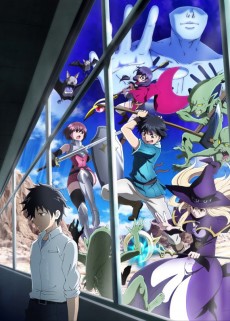
The body as a site of transformation and terror — both push physical boundaries.

The body as a site of transformation and terror — both push physical boundaries.
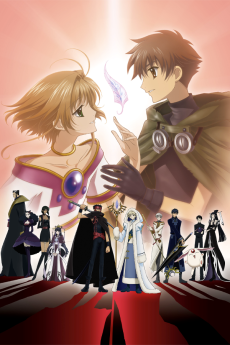
The body as a site of transformation and terror — both push physical boundaries.
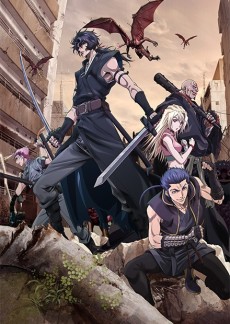
Build, survive, thrive — the satisfaction of carving out your place in a hostile world.

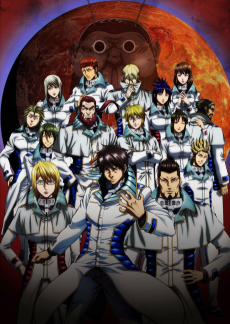
Ryoma Nagare’s hollow-eyed return to Getter Robo—haunted by guilt and Saotome’s reanimated corpse—mirrors the Clear Sky faction’s desperate, self-sacrificial probes into the Zone’s heart, where reality frays. Unlike most mecha or survival narratives, both weaponize **Body Horror & Occult** not for shock, but as diagnostic tools: mutated stalkers and Saotome’s necrotic resurrection expose systemic collapse—of flesh, faith, and scientific hubris. That shared dread of knowledge as contagion makes their resonance unsettlingly precise.

The body as a site of transformation and terror — both push physical boundaries.


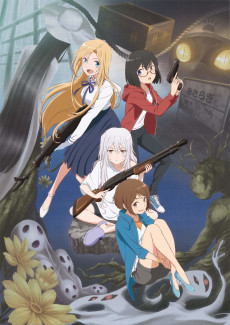






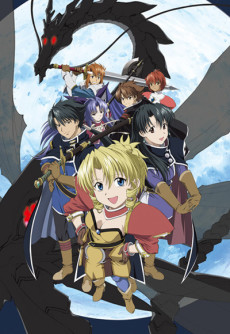



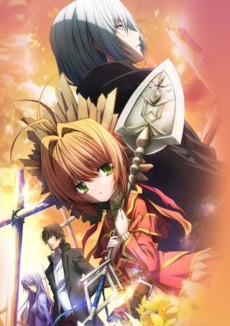
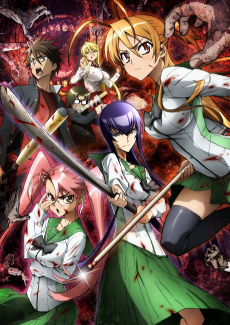


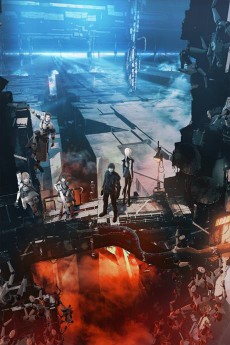
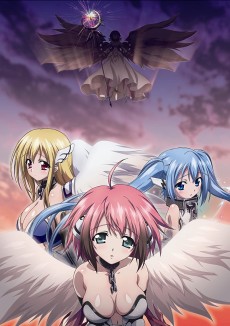
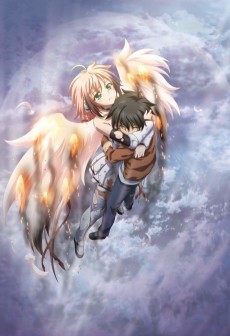
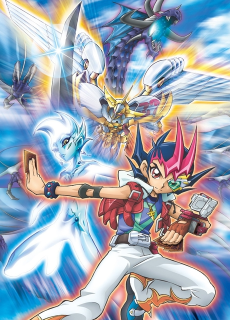

![Fate/stay night [Heaven’s Feel] III. spring song](https://s4.anilist.co/file/anilistcdn/media/anime/cover/large/bx21719-MSdTlkno0Z0u.jpg)








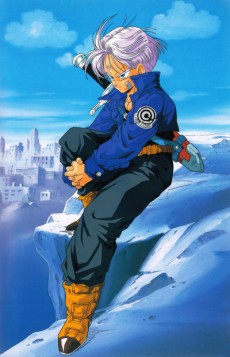


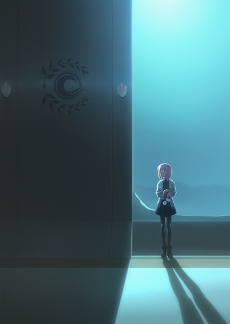

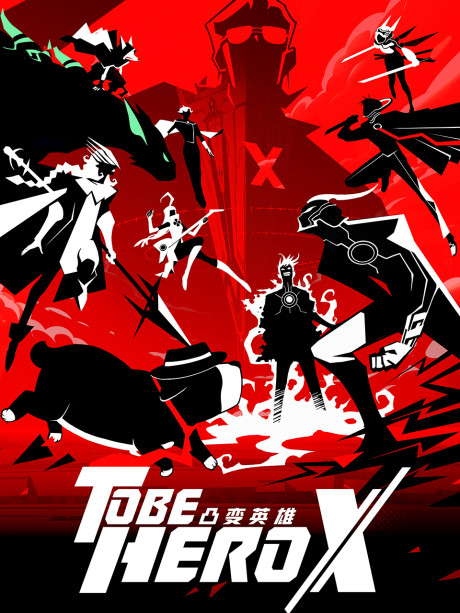

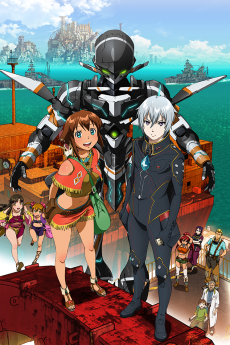










Match Dimensions Explained
❓Frequently Asked Questions
What anime is most like S.T.A.L.K.E.R.: Clear Sky?
Based on our matching, Made in Abyss: Wandering Twilight shares the strongest aesthetic connection with S.T.A.L.K.E.R.: Clear Sky.
How many anime match S.T.A.L.K.E.R.: Clear Sky?
We found 67 anime that share aesthetic dimensions with S.T.A.L.K.E.R.: Clear Sky.
What makes these recommendations accurate?
Our algorithm matches on emotional tone, atmosphere, and thematic depth — not just genre overlap.
Is there an anime adaptation of S.T.A.L.K.E.R.: Clear Sky?
While S.T.A.L.K.E.R.: Clear Sky may not have a direct anime adaptation, these recommendations capture its core spirit.