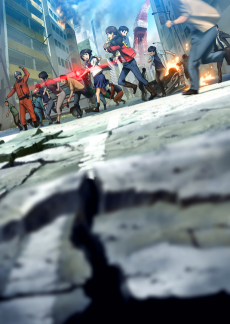
Tokyo Magnitude 8.0
The premise of the project is the 70% possibility that a magnitude 7.0 earthquake will occur in Tokyo in the next 30 years. The anime depicts what would happen if an 8.0 earthquake took place.
The story centers on Mirai, a middle school freshman girl who goes to Tokyo's artificial Odaiba Island for a robot exhibition with her brother Yuuki at the start of summer vacation. A powerful tremor emanates from an ocean trench, the famed Tokyo Tower and Rainbow Bridge crumble and fall, and the landscape of Tokyo changes in an instant. With the help of a motorcycle delivery woman named Mari who they meet on Odaiba, Mirai and Yuuki strive to head back to their Setagaya home in western Tokyo.
📺Anime Details
📝Editorial Analysis
The air doesn’t crackle with electricity before it hits—it stops. One second, Mirai is squinting up at the robot exhibition’s holographic display on Odaiba Island, Yuuki tugging her sleeve to point at a walking mech; the next, the ground exhales—not a roar, but a deep, wet unzipping sound, like tectonic plates tearing open their own seams. Tokyo Tower shears in half mid-air. The Rainbow Bridge doesn’t collapse—it unspools, steel cables whipping like dying serpents as concrete slabs plunge into Tokyo Bay with a silence so total it rings in your ears. That silence—thick, disorienting, sacred—is where Tokyo Magnitude 8.0 lives.
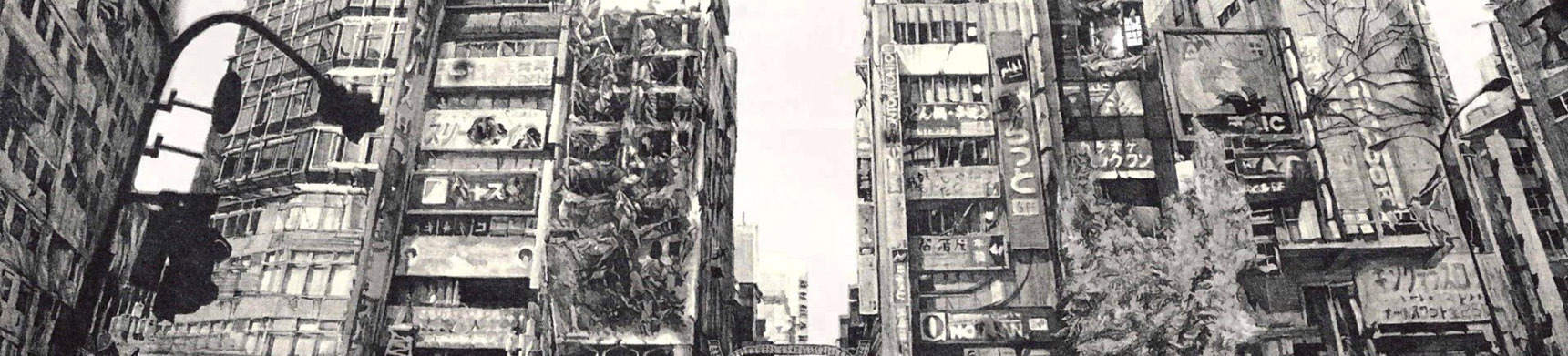
This isn’t disaster as spectacle. There are no heroic speeches atop rubble, no villains to defeat. What lingers is the weight: of a backpack too heavy for a twelve-year-old’s shoulders, of a brother’s hand gone cold in yours, of stepping over a fallen vending machine that still blinks “SOLD OUT” while the street smells of wet concrete and burnt insulation. It’s the quiet horror of normalcy after—a train station clock frozen at 4:52, a single shoe abandoned beside a cracked sidewalk, the way Mirai counts steps between stations not to measure distance but to keep herself from dissolving. You don’t feel adrenaline. You feel tremor fatigue—that low hum of exhaustion when your body remembers shaking long after the earth has stilled. It makes you think about infrastructure not as steel and glass, but as trust made visible—and how quickly trust can turn to dust.
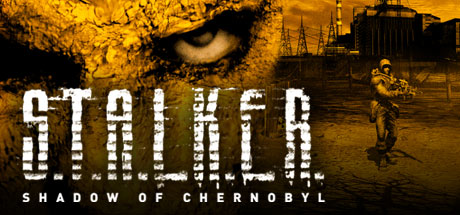
Among the games listed, only S.T.A.L.K.E.R.: Shadow of Chernobyl shares that same bone-deep atmosphere of haunted stillness. Its description names “the Zone—a very dangerous place, where you fear not only the radiation, anomalies and deadly creatures, but other S.T.A.L.K.E.R.s.” But it’s the unspoken dread—the rusted playground swing creaking in windless air, the abandoned gas station sign flickering under sickly green light, the way your footsteps echo too loudly in a hollow apartment block—that mirrors Mirai walking past rows of silent, shuttered pachinko parlors. A player review says, “The map is big and beautiful…”—yes, but beauty here is desolation rendered with reverence. Both Tokyo Magnitude 8.0 and S.T.A.L.K.E.R. treat ruin as a character: not broken, but waiting. Not dead, but holding its breath.
Then there’s Left 4 Dead, which at first seems jarringly loud and frantic against the anime’s hush. Yet its description calls it “an epic struggle for survival against hordes of the undead”—and crucially, it’s co-op. The player review notes, “Don’t let the low hours fool you… One of the best zombie games ever…” That devotion comes from something deeper than shooting: it’s the raw, wordless reliance on your teammates’ presence—covering each other’s backs, dragging a fallen ally through smoke, sharing the last medkit without speaking. That’s Mirai and Yuuki’s entire journey: two children navigating collapsed overpasses and flooded tunnels, their bond tightening not through dialogue, but through shared weight, shared silence, shared refusal to let go. In both, survival isn’t about strength—it’s about proximity. About keeping someone alive next to you, even when the world has erased every map.
And Chains, the match-3 game? Its description calls it “a relaxing arcade match 3 casual game” where you “link adjacent bubbles… the challenge comes from increasingly difficult physics-driven l[...]”. A player calls it “Reminds me of connect 4 in nutshell.” That’s the key: connecting. Not grand gestures, but small, deliberate acts of linkage—three bubbles, three steps, three breaths taken in unison. Tokyo Magnitude 8.0 is built on those micro-connections: Mirai gripping Yuuki’s wrist as they cross a shattered intersection, a stranger handing them a thermos of miso soup, the way a single working payphone becomes a lifeline to a voice on the other end. No explosions, no bosses—just the quiet, stubborn physics of staying linked, even when everything else has snapped.
This pairing speaks to people who flinch at the word “catharsis” because real healing isn’t clean—it’s slow, it’s awkward, it’s carrying your brother’s shoes home in a plastic bag. It’s the viewer who watches Mirai fold a paper crane from a torn subway map and feels their throat close—not because it’s sad, but because it’s true. It’s the player who walks through the Zone’s fog just to hear the wind move through dead trees, or lines up three blue bubbles not to win, but to feel the click of something clicking back into place. These aren’t stories about surviving disaster. They’re about remembering how to breathe in the same air—together, quietly, still.
🎮17 Games That Match the Vibe


Match Dimensions Explained
❓Frequently Asked Questions
Why does Chains show up in 'Games Like Tokyo Magnitude 8.0' when it’s a chill match-3 game?
Great question — it’s because Tokyo Magnitude 8.0 isn’t just about disaster action; its emotional core revolves around quiet resilience, small human connections amid chaos (like Mirai and Yuki sharing a single rice ball in the shelter), and gentle, reflective pacing. Chains mirrors that vibe through its soothing bubble-linking mechanics and low-stakes, emotionally grounded progression — one player even compared it to 'connect 4 in a nutshell,' capturing that same sense of calm focus amid uncertainty.
Is there a Tokyo Magnitude 8.0 video game adaptation?
No — there’s never been an official Tokyo Magnitude 8.0 game adaptation. But if you’re craving that grounded, post-disaster emotional weight and survival-without-combat feel, S.T.A.L.K.E.R.: Shadow of Chernobyl nails it: wandering the Zone’s hauntingly beautiful, radiation-scarred landscapes, scavenging for meds while hearing distant anomaly rumbles or radio static — it’s got that same quiet dread and human fragility as Mirai navigating Tokyo’s ruins.
How does Left 4 Dead compare to S.T.A.L.K.E.R. for Tokyo Magnitude 8.0 fans?
They’re polar opposites in tone but share Tokyo Magnitude 8.0’s emphasis on group survival under extreme stress — Left 4 Dead throws you into frantic co-op chaos with the four survivors (Zoey, Louis, Francis, Bill) shouting warnings as Hunters pounce, while S.T.A.L.K.E.R. drops you solo into the Zone’s oppressive silence, where every creak or Geiger click feels like Mirai holding her breath after the aftershock. Both deliver visceral tension, but only S.T.A.L.K.E.R. matches the anime’s somber stillness and environmental storytelling.
What’s the best game like Tokyo Magnitude 8.0 if I want that quiet, melancholic post-disaster mood?
Chains is your best bet — not despite being a match-3 game, but *because* of it. Its soft color palettes, deliberate pacing, and gentle physics-based chain-building (think linking three pastel bubbles while rain taps the window) echo Mirai sketching in her notebook at the evacuation center. It scores 78 for Emotional Narrative and shares Tokyo Magnitude 8.0’s rare gift: making stillness feel meaningful, not empty.