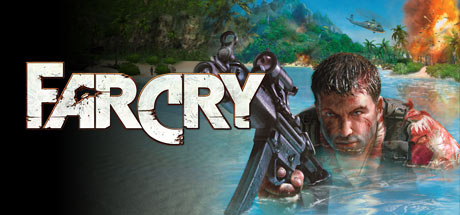
Far Cry®
A tropical paradise seethes with hidden evil in Far Cry®, a cunningly detailed action shooter that pushes the boundaries of combat to shocking new levels. Freelance mariner Jack Carver is cursing the day he ever came to this island.
🎮Game Details
💬What Players Say
"A good game, though the AI is a bit messy but still fun, you could install some patches to fix it."
"The story: Dude with a gun The gameplay: Dude with a gun The characters: Nonexistent The graphics: Spyro graphics The acting: Funny The driving: Not as bad as Watchdogs The music: Who cares? The difficulty: (This is a long tangent) So, I started playing Far Cry 1 a long time ago and I left because of how insanely hard it was. Then I wanted to give it another try and the game had erased all of my data...."
"Sill holds up really well today, gun play and level design are so much fun. Pretty difficult even on easy, but a lot of fun."
📝Editorial Analysis
The salt-sting of sweat in your eyes. The crack of a distant rifle—then silence, thick and humid as rotting fruit. Jack Carver curses the day he ever came to this island. Not with irony or wit, but raw, guttural exhaustion—the kind that lives in your shoulders after sprinting through fern-choked ravines while something unseen scrapes against bamboo stalks just off-screen. That’s Far Cry®: not a vacation, not a mission briefing, but a violation of paradise. The official description calls it a “tropical paradise seethes with hidden evil”—and it does, not through exposition, but through texture: the way light fractures on wet leaves, the way enemy AI stumbles just enough to feel unnervingly human (per Player Review 1), the way difficulty bites hard, even on easy (Player Review 3). It’s not about story—it’s about presence. You’re not playing a hero. You’re a freelance mariner who misread the weather, misjudged the current, and now breathes air that tastes like copper and orchids.
What makes Far Cry®’s atmosphere unique isn’t its open world or its guns—it’s how it weaponizes dissonance. A postcard-perfect beach dissolves into a blood-slicked lab where something unfolds wrong inside a test subject’s ribcage. The graphics may have been called “Spyro graphics” (Player Review 2), but that very softness makes the brutality more jarring—the cartoonish bloom of muzzle flash against hyperreal palm fronds; the cheerful chirp of birds undercut by a distorted radio transmission whispering coordinates you shouldn’t know. It doesn’t ask you to understand the evil—it makes you feel its scale, its indifference, its biological inevitability. You craft ammo from scavenged parts not for convenience, but because the island refuses to supply you—it withholds. Survival isn’t heroic. It’s grubby, tactile, urgent. And the acting? “Funny,” says Review 2—not in a charming way, but in that unsettling, off-kilter way when dialogue slips just past sincerity into something hollow and vibrating with subtext. You don’t trust what people say. You watch how their hands move. You listen to the silence between lines.
That same dissonant, bodily unease pulses through Made in Abyss: Wandering Twilight, where descent isn’t metaphorical—it’s gravitational, visceral, cellular. Like Far Cry®, it trades in Survival & Crafting: every rope knot matters, every wound festers with rules you learn too late. But more crucially, both share Body Horror & Occult—not as shock, but as environmental logic. In the Abyss, bodies warp because physics bends; in Far Cry®, enemies mutate not for spectacle, but because the island itself is alive with wrongness, humming beneath the soil like buried machinery. Then there’s Paprika, where neon bleeds into dream-flesh and identity unravels like fraying thread. Its Neon Noir aesthetic mirrors Far Cry®’s own visual schizophrenia—the way tropical vibrancy curdles into clinical fluorescence inside abandoned biolabs, the way reality glitches not with code, but with perception. Both reject psychological safety: what you see changes what you are. And Hell’s Paradise Season 2—yes, that season—drops you straight into mangrove swamps thick with venomous flora and prisoners whose tattoos breathe. Same Survival & Crafting urgency, same Body Horror & Occult stakes: every cut risks transformation, every meal could be communion. No exposition needed—just the wet sound of a blade parting skin, and the sudden, wrong angle of a spine adjusting.
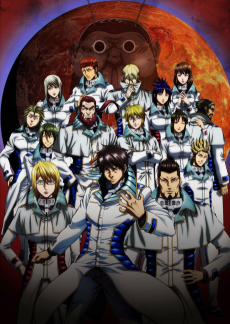
Who loves this? Not the lore-hound scanning wikis for faction timelines. Not the completionist hunting 100% map clears. It’s the person who leans in when the music cuts—not because they want action, but because they want to hear the jungle hold its breath. It’s the viewer who watches Terra Formars not for the sci-fi premise, but for the way light catches on chitinous carapace as a character realizes their own fingernails are calcifying. It’s someone who plays Far Cry® not to win, but to endure—to feel the grit of sand in their teeth, the tremor in their thumbstick as they line up a shot at something that shouldn’t stand upright, and then exhales, slow, because the horror isn’t out there. It’s in the calibration of your own pulse, matching the rhythm of the island’s slow, hungry heartbeat.
→90 Anime That Match the Vibe
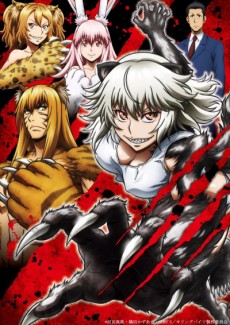
The body as a site of transformation and terror — both push physical boundaries.

The body as a site of transformation and terror — both push physical boundaries.

Jack Carver’s descent into the genetic hellscape of Far Cry’s Rook Islands mirrors Paprika’s dream-logic collapse—where Dr. Chiba’s therapeutic device fractures reality, just as the island’s biotech warps flesh and perception. Neon Noir bleeds across both: the flickering lab monitors in Paprika’s dream heist echo the garish, corrupted UI overlays during Far Cry’s hallucinogenic toxin sequences. Unlike most action shooters or psychological anime, they weaponize Body Horror & Occult not for shock, but as visceral metaphors for consciousness under siege—making their convergence unnervingly precise.

The body as a site of transformation and terror — both push physical boundaries.

The body as a site of transformation and terror — both push physical boundaries.
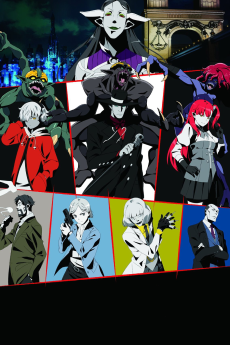
The body as a site of transformation and terror — both push physical boundaries.
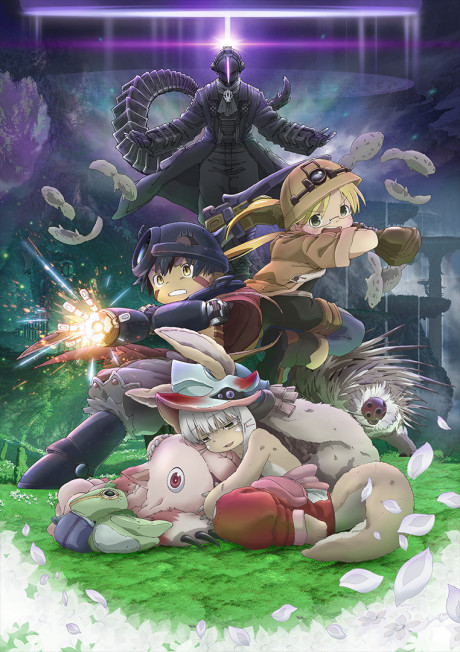
Riko’s descent into the Twilight Realm—where flesh warps under pressure and ancient ruins hum with predatory intelligence—mirrors Jack Carver’s unraveling in Rook Island’s jungles, where biotech cults weaponize biology itself. This resonance thrives in their shared **Body Horror & Occult** dimension: both confront transformations that blur human and monstrous, not as spectacle but as intimate, irreversible violation. Unlike most survival narratives, neither offers catharsis—only deeper entanglement with systems that consume identity from within.
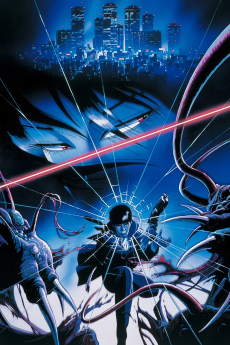
The body as a site of transformation and terror — both push physical boundaries.
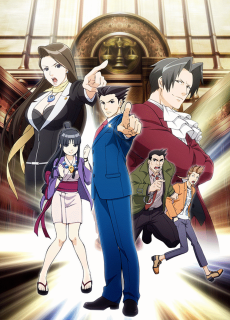
The body as a site of transformation and terror — both push physical boundaries.

The body as a site of transformation and terror — both push physical boundaries.

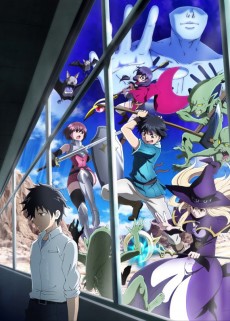
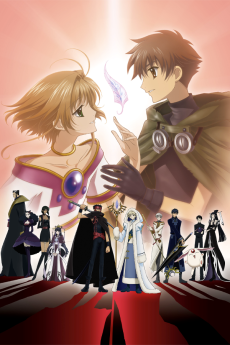

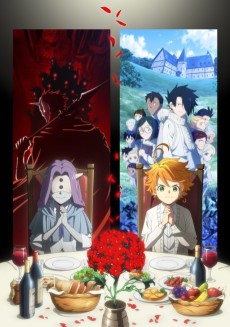
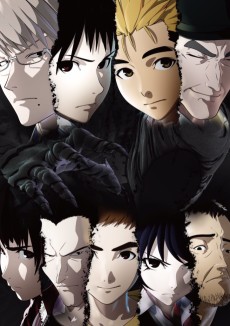


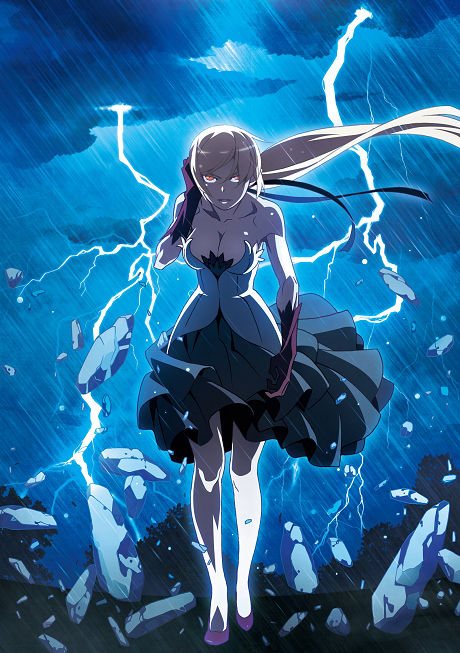

![Fate/stay night [Heaven’s Feel] III. spring song](https://s4.anilist.co/file/anilistcdn/media/anime/cover/large/bx21719-MSdTlkno0Z0u.jpg)

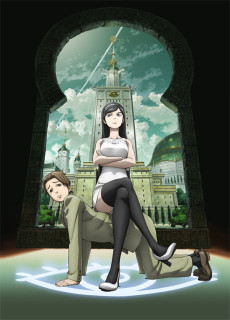

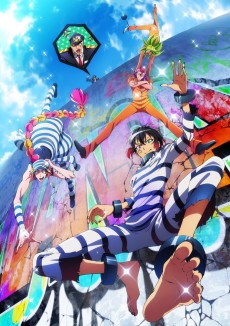

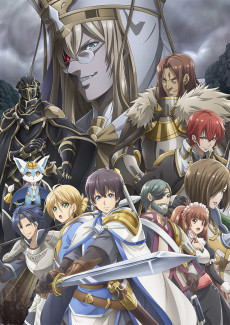
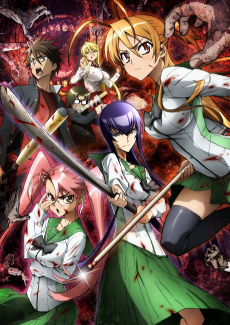

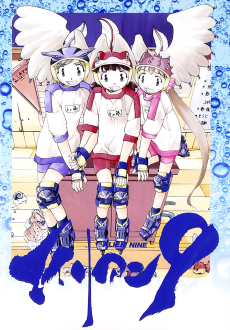


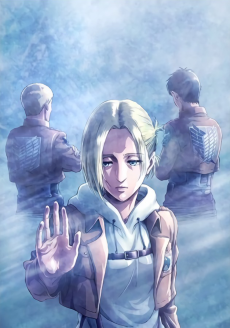
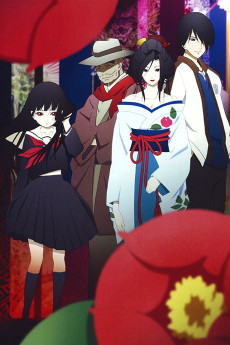
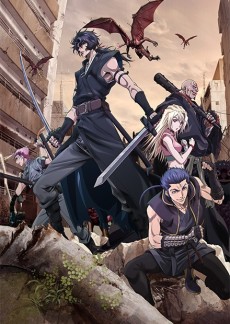



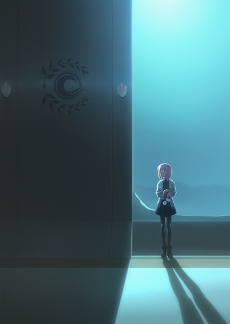

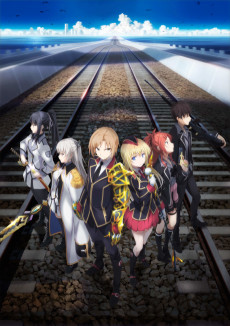
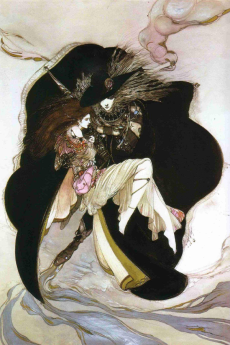


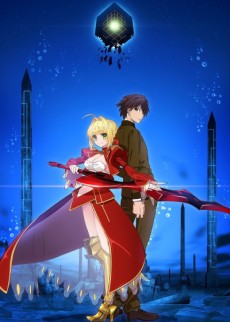

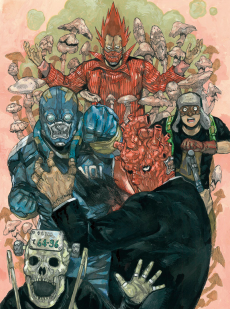
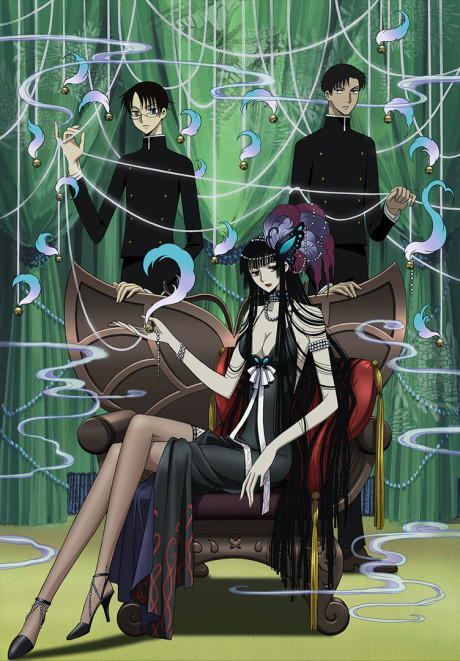
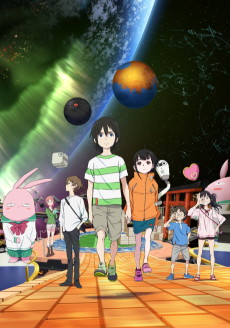




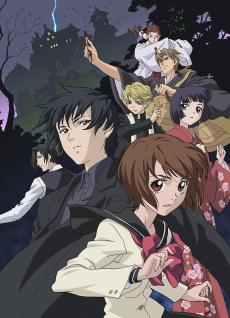

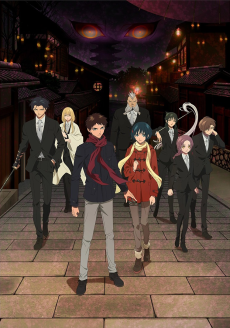


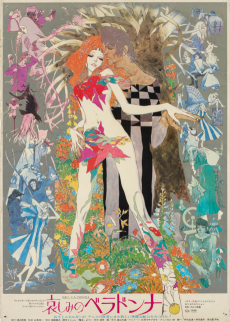


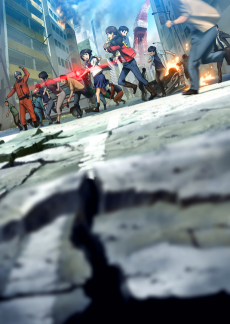


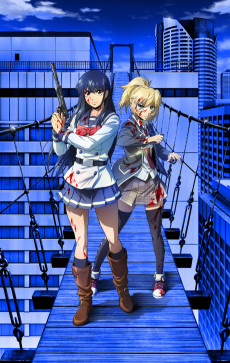




Match Dimensions Explained
❓Frequently Asked Questions
Why is Made in Abyss: Wandering Twilight listed as similar to Far Cry®?
Because both drop you into a deceptively beautiful but lethally unpredictable environment—like Far Cry®’s tropical island hiding mutated horrors, Abyss’s ‘Great Hole’ lures with wonder then delivers visceral body horror and desperate survival choices. You’ll feel that same tension as Riko and Reg navigate collapsing ruins, craft makeshift tools, and face grotesque, biomechanical threats that twist flesh and sanity—just like Jack Carver scrambling through jungle ambushes with janky-but-fun AI enemies.
Is there an anime adaptation of Far Cry®?
No official anime adaptation exists—Ubisoft hasn’t greenlit one, and none are in production. But if you’re craving that Far Cry® vibe (island dread, rogue science, morally grey survival), Hell’s Paradise Season 2 nails it: Gabimaru and his squad endure brutal trials on a cursed island filled with experimental alchemical monstrosities, resource-scarce crafting, and zero hand-holding—much like Jack Carver’s patch-dependent, ‘pretty difficult even on easy’ scramble for ammo and cover.
How does Paprika compare to JoJo’s Bizarre Adventure: STONE OCEAN for Far Cry® fans?
Paprika leans harder into the ‘hidden evil beneath paradise’ vibe—its neon-drenched dream world feels like Far Cry®’s tropical facade warped by psychological dread and occult body horror (think: melting faces, reality glitches), while STONE OCEAN trades lush environments for sterile prison-island chaos and flashy, physics-defying Stand battles. If you loved Far Cry®’s ‘cunningly detailed action’ and surreal tone over pure gunplay, Paprika’s layered paranoia hits closer than STONE OCEAN’s bombastic spectacle.
What’s the best anime like Far Cry® for that ‘sweaty, isolated, just-trying-to-survive’ mood?
Terra Formars is your pick—it’s basically Far Cry® in space: a crew lands on Mars expecting triumph, only to face hyper-evolved, biomechanical cockroaches that shred limbs and mock human fragility. Like Jack Carver cursing his island arrival, the protagonists are constantly improvising weapons, dodging ambushes in claustrophobic tunnels, and battling both environmental hostility and broken trust—no ‘nonexistent characters’ here, just raw, sci-fi survival with stakes as high and messy as Far Cry®’s infamous AI encounters.