
Kaiji - Ultimate Survivor
Itou Kaiji is a bum who steals car emblems and slashes tires on what seems to be a regular basis. This routine changes one day when he is paid a visit by a man in a trench-coat. Once the two get talking, it seems that the visitor (Calling himself Endou) is a debt collector. The reason for his visit is an unpaid loan which Kaiji had previously co-signed for a work-mate (Furuhata Takeshi). The original loan was 300,000 yen and once Takeshi had disappeared, the loan then fell on Kaiji.
Kaiji is then told of a way to clear the interest compounded debt (which stood at 3,850,000 yen), which involved getting on a boat with others in his position. Once on the boat the debtors would then have to gamble with loaned money, which would end with a few winning, and others getting into deeper debt and having to work to pay off their debts. After some coercion Kaiji accepts a position on the boat, in order to clear his debt and make a bit of money as well...
📺Anime Details
📝Editorial Analysis
The fluorescent light above the underground casino flickers—once, twice—just as Kaiji’s knuckles whiten around the edge of the roulette table. His breath hitches. Not from fear alone, but from the sickening lurch of realizing he’s already lost before the wheel stops spinning—not money, not dignity, but agency. That light doesn’t just illuminate grime-streaked tiles and sweat-slicked foreheads; it bleaches hope down to its brittle, yellowed bone. This isn’t suspense built on jump scares or ticking clocks. It’s the slow, grinding pressure of a debt that breathes, that mutates, that follows you into subway tunnels and cheap love hotels like a second shadow.
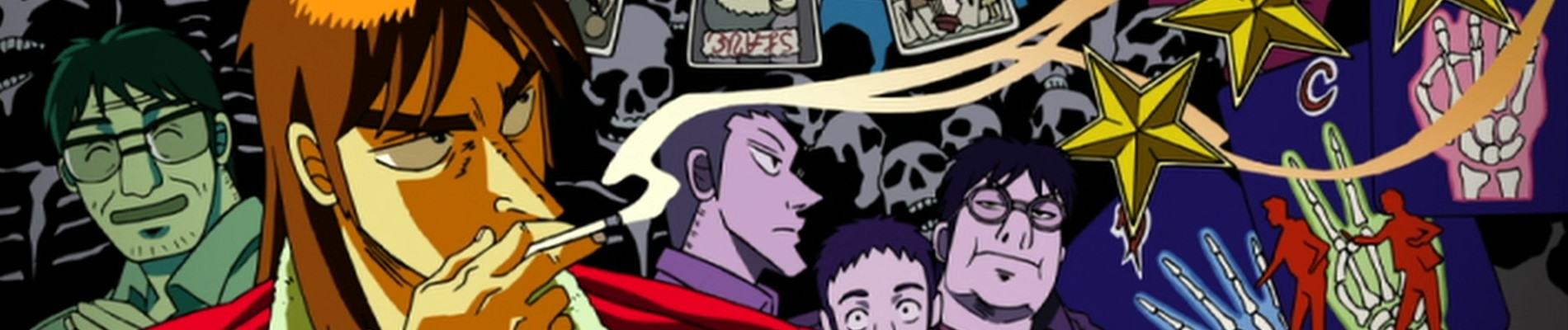
What makes Kaiji - Ultimate Survivor vibrate at this frequency isn’t its gambling premise—it’s the weight. The air feels thick with unpaid rent, unspoken shame, and the quiet hum of systemic collapse. You don’t watch Kaiji beg for mercy in the “Elevator Game” and think “what a crazy challenge!” You feel the dread of arithmetic turning human: 300,000 yen isn’t abstract—it’s three months of ramen, two missed train fares, one cracked phone screen he can’t replace. Every bet is a surrender dressed as choice. Every win tastes like ash because survival here isn’t triumph—it’s postponement. And the philosophy isn’t lofty—it’s scrawled on bathroom walls in cramped pachinko parlors: “If you’re not desperate enough to gamble your life, you’re not desperate enough to live.” That’s the feeling: claustrophobic inevitability, wrapped in nicotine-stained realism.
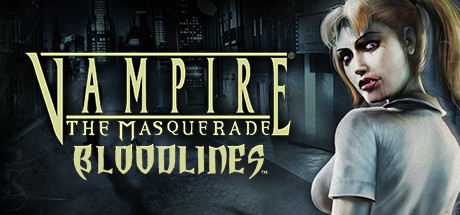
That same emotional DNA thrums in Vampire: The Masquerade - Bloodlines, where the neon noir isn’t just aesthetic—it’s moral decay made visible. Like Kaiji trapped in Endou’s trench-coated orbit, the player is a monster bound by ancient, arbitrary rules they never chose, forced to navigate a city where every alleyway hides a debt owed—in blood, loyalty, or silence. The description calls it “brutal combat,” but what resonates is the adult darkness: no chosen-one fantasy, just a fractured identity, compromised ethics, and consequences that compound like compound interest. A player review notes the need for unofficial patches—mirroring Kaiji’s reality: nothing works as promised; you fix it yourself, or you break.
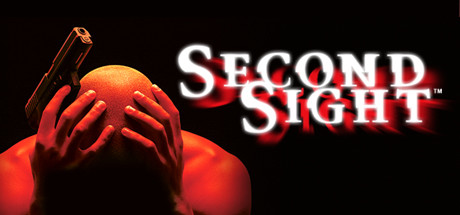
Then there’s Second Sight, where psychic powers aren’t superhuman—they’re symptoms of trauma. The description names “psychological thriller narrative” and “stealthy exploration,” but the player review cuts deeper: “Despite its age and wonky mechanics, I've loved this game for its story and mec…” That “wonky” isn’t a flaw—it’s authentic friction, like Kaiji’s trembling hands fumbling with dice. Both demand you operate inside broken systems, where clarity is rare, control is illusory, and every decision risks unraveling something deeper than your health bar—your sense of self. The psychic echoes in Second Sight aren’t flashy; they’re disorienting, involuntary—like Kaiji’s panic attacks mid-bet, where time stutters and logic frays.
Even Max Payne, with its “violent, cold urban night,” shares that same cornered exhaustion. Max isn’t a hero—he’s a man running from consequence, not toward glory. The description frames him as “a fugitive… with his back against the wall,” and the player review reveals how intimately that resonates: passing the controller after death, turning shared failure into ritual. That’s Kaiji’s world too—not victory laps, but rotating shifts of desperation, where surviving one round only means facing the next dealer, the next rigged deck, the next version of himself he barely recognizes.
This isn’t about matching genres. It’s about recognizing the same tremor in the wrist before a final bet, the same hollow click of a revolver chamber spinning, the same way silence stretches just before a psychic vision tears through reality. These pairings belong to people who don’t flinch at moral ambiguity, who find poetry in exhaustion, who understand that tragedy isn’t always loud—it’s the sound of a single coin dropping into a gutted vending machine at 3 a.m., knowing it won’t dispense anything but more debt. They’re for viewers who remember Kaiji’s face when he realizes Furuhata didn’t vanish—he chose to disappear—and players who, after dying in Max Payne for the seventh time, don’t rage-quit—they inhale, adjust their grip, and whisper, “Again.” That’s the bond: relentless, unglamorous, human persistence.
🎮27 Games That Match the Vibe

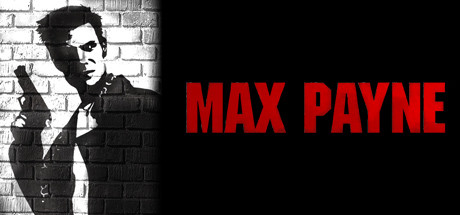




Match Dimensions Explained
❓Frequently Asked Questions
Why does the 'Elevator Game' scene in Kaiji feel so tense, and is there a game that nails that same psychological pressure?
That elevator scene hits hard because it’s all about forced, high-stakes choice under time pressure—no do-overs, no safety net. Second Sight nails that exact vibe: when you’re cornered in the asylum basement with limited psychic powers, low ammo, and enemies closing in, every decision (like using ‘Remote Viewing’ to scout before committing) feels like a life-or-death gamble—just like Kaiji sweating over a single button press.
Is there a Kaiji anime or manga adaptation of Vampire: The Masquerade - Bloodlines?
Nope—Vampire: The Masquerade - Bloodlines is its own thing, based on the tabletop RPG, not Kaiji. But fans often mix them up because both dive deep into morally bankrupt systems where you’re trapped in a rigged hierarchy—like Kaiji’s underground gambling rings vs. Bloodlines’ vampiric Camarilla politics, complete with betrayals, blood debts, and characters like Nines Rodriguez who’ll smile while stabbing you in the back.
How does Max Payne compare to Second Sight for that gritty, neon-noir ‘man at the edge’ feeling?
Max Payne leans hard into cinematic, bullet-time tragedy—think slow-mo dives and voiceover monologues as you hunt down mob bosses after losing your family. Second Sight swaps revenge for paranoia and psychic disorientation: you’re not just fighting thugs, you’re unraveling conspiracies while your own mind glitches (literally—‘Mind Twist’ lets you turn enemies against each other), making it feel more like Kaiji’s mental unraveling than Max’s righteous fury.
What’s the best game like Kaiji if I want that desperate, claustrophobic ‘survival math’ vibe—not action, just pure tension and calculation?
Chains is shockingly spot-on for that. It’s not flashy, but linking color bubbles under escalating physics constraints (like bouncing chains or collapsing grids) forces the same razor-focused, risk-assessment mindset as Kaiji’s ‘Rock-Paper-Scissors Roulette’—where one misstep wipes you out. Players even call it ‘connect 4 in a nutshell,’ which captures Kaiji’s deceptively simple-but-brutal ruleset perfectly.