
Tomodachi Game
High school student Katagiri Yuuichi, who values friendship above all else, enjoys a fulfilling life with his close friends Sawagiri Shiho, Mikasa Tenji, Shibe Makoto, and Kokorogi Yutori.
However, after a particular incident, they're dragged into a debt repayment game.
The only way to beat the "Tomodachi Game" is to not doubt their friends. Bound together by solid friendships, the game should've been easy, but– The hugely popular comic that sold over two million copies is finally becoming an anime! Will they trust or betray their precious friends? The true nature of humanity is exposed in the ultimate psychological game!
(Source: Crunchyroll)
Note: Premiered on Hulu and d Anime Store at 0:00 on Wednesdays, 1 hour 29 minutes ahead of Nippon TV's broadcast.
📺Anime Details
📝Editorial Analysis
The air in the classroom is thick—not with humidity, but with the silence after a lie slips out. Not a shout, not a betrayal screamed across a battlefield, but a half-second pause as Katagiri Yuuichi watches Sawagiri Shiho’s fingers tighten around her pen, her knuckles white, her voice steady as she says, “I trust you.” His stomach drops—not because he doubts her, but because he knows, with cold certainty, that the words are rehearsed. That they’re acting. That trust isn’t being offered—it’s being performed, under fluorescent lights and unseen cameras, while debt ticks like a bomb wired to friendship itself.
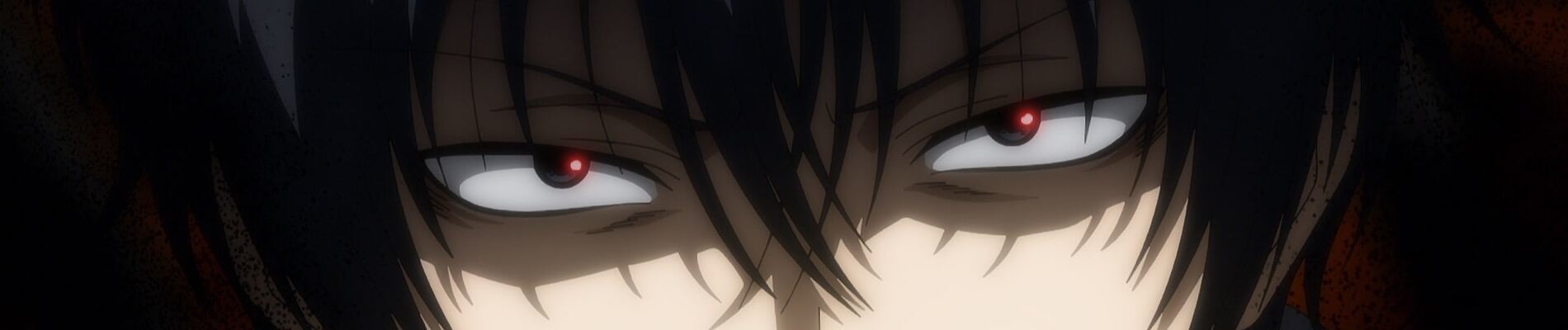
That’s the core vibration of Tomodachi Game: not paranoia as adrenaline, but as erosion. It doesn’t thrill you with chases or gore—it hollows you out with the slow, clinical unraveling of what “friend” means when every confession could be a trap, every kindness a feint, every shared memory a potential liability. This isn’t survival in the wilderness or against monsters. It’s survival inside language, inside gesture, inside the unbearable weight of maintaining a face while your soul scrambles for purchase on shifting moral bedrock. You don’t just fear death—you fear becoming unrecognizable to yourself while staying perfectly polite. The dread isn’t loud. It’s the hum of a server room beneath a school hallway. It’s the tremor in a handshake that lasts half a second too long.
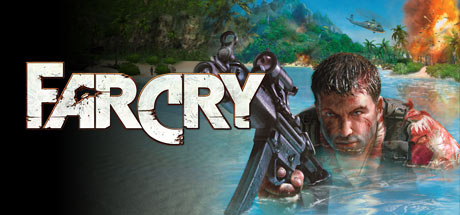
Which is why Far Cry® resonates—not as a tropical shooter, but as a world where paradise performs serenity while rotting from within. Its description calls it “a tropical paradise seethes with hidden evil,” and that verb—seethes—is key. Like Tomodachi Game, it’s not about overt villainy, but about systems masquerading as order: a resort island run by cultists, a school bound by unspoken rules, both glittering on the surface, both cunningly detailed in how they weaponize normalcy. A player notes the AI is “a bit messy”—and that’s the point: the instability feels human, not glitchy. Just like the friends in Tomodachi Game, whose loyalty frays at the edges, never snapping cleanly, but messily, unpredictably, making every interaction charged with quiet, grinding tension.
Then there’s The Ship: Murder Party, described bluntly as “a murder mystery multiplayer.” No grand lore, no world-ending stakes—just people, roles, and the terrifying freedom to kill anyone, including the friend who just bought you coffee. Its player review calls solo play “genuinely really funny”—but that humor is dark, brittle, born of absurdity so extreme it loops back into horror. That’s the tonal spine of Tomodachi Game: the grotesque comedy of watching Mikasa Tenji force a smile while calculating how much his best friend’s life is worth in yen. The game’s private-server wish mirrors the anime’s claustrophobia—the desire to control the variables, to lock the doors on the nightmare, because the real terror isn’t the game master’s rules, but the fact that anyone could break them first—and you’d never know until the knife was already in.
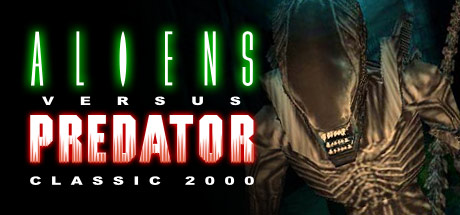
And Aliens versus Predator Classic 2000, praised for being “fast, brutal, and absolutely unforgiving”—not because it’s gory, but because it offers no mercy in consequence. One misstep in the jungle, one delayed reaction to a skittering shadow, and you’re gone. That’s the emotional logic of Tomodachi Game’s debt system: no do-overs, no appeals, no dramatic last-minute reprieves. The punishment isn’t theatrical—it’s administrative, cold, final. A player review notes it’s “rough around the edges today”—and yes, Tomodachi Game’s early episodes feel similarly jagged: abrupt cuts, jarring tonal shifts, dialogue that lands like stones. But that roughness is the texture of real panic—not polished spectacle, but the raw, unfiltered stutter of people trying, and failing, to keep their masks intact.
This pairing isn’t for fans of clean catharsis or heroic arcs. It’s for the ones who lean in when the camera holds on a character’s throat pulsing, not because they’re about to scream—but because they’re holding back a sob, a laugh, or the truth. It’s for players who replay The Ship not to win, but to study how long they can maintain eye contact before flinching. For viewers who rewatch Tomodachi Game’s cafeteria scenes, counting micro-expressions, chasing the tremor, the hesitation, the unbearable, beautiful weight of pretending—to survive, to protect, to stay human—just a little longer.
🎮12 Games That Match the Vibe


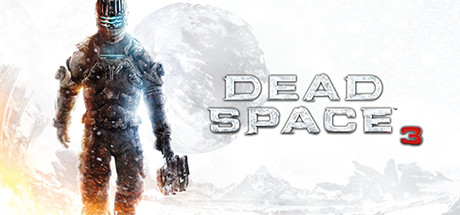




Match Dimensions Explained
❓Frequently Asked Questions
Why does Far Cry® keep coming up in Tomodachi Game recommendations?
Because both lean hard into that 'idyllic surface hiding brutal social manipulation' vibe — like when Miu’s island resort in Tomodachi Game looks serene but hides psychological traps, just like Far Cry®’s tropical paradise concealing cult violence and betrayal. Jack Carver’s descent into moral ambiguity mirrors Yūichi’s forced navigation of shifting alliances, and the game’s Survival & Crafting + Neon Noir dimensions match Tomodachi Game’s Adult & Dark Seinen tone.
Is there a Tomodachi Game anime or live-action adaptation?
No — unlike Aliens vs. Predator™ (2010), which has *three* distinct campaigns mirroring its film legacy, Tomodachi Game hasn’t been adapted yet. Fans keep hoping, but for now, the closest you’ll get to its tense, multi-perspective mind games is playing The Ship: Murder Party, where every player is both suspect and potential killer aboard a locked cruise ship — just like the class-based paranoia in Tomodachi Game’s dormitory arcs.
How does The Ship: Murder Party compare to Aliens vs. Predator™ for Tomodachi Game fans?
The Ship nails the social deception Tomodachi Game thrives on — think Kaito’s fake-out betrayals or Riku’s hidden agendas — with real-time suspicion, private contracts, and chaotic solo play that feels genuinely funny *and* unnerving (per that player review). Aliens vs. Predator™ leans more into asymmetric power fantasy (Alien vs. Marine vs. Predator), whereas The Ship forces you to lie, bluff, and observe like Yūichi scanning faces during a trust trial — no claws or plasma casters needed.
What’s the best Tomodachi Game-like for when I want paranoid, high-stakes social deduction with zero combat?
Go straight to The Ship: Murder Party — it’s pure psychological cat-and-mouse with no shooting mechanics, just murder contracts, alibis, and elevator encounters that’ll make you sweat like Miu watching someone hesitate before pressing a button. Its Neon Noir aesthetic and Survival & Crafting tension (yes, even crafting fake evidence counts) hit the same notes as Tomodachi Game’s dorm-room scheming, and players confirm it’s 'genuinely really funny' solo — perfect if you love the show’s dark humor without wanting blood splatter.