Aliens versus Predator Classic 2000
Aliens Versus Predator Classic 2000 features the Colonial Marine, Alien and Predator Campaigns and the frenetic single-player Skirmish mode from the original title: Alien Versus Predator Gold Edition, which was released to massive acclaim in 2000.
🎮Game Details
💬What Players Say
"Aliens versus Predator Classic 2000 is a reminder of when FPS games were fast, brutal, and absolutely unforgiving. It’s rough around the edges today, sure — but the atmosphere, the tension, and the sheer identity of each campaign still hit harder than most modern shooters. Playing as the Marine is pure survival horror: motion tracker beeping, lights flickering, and every corridor screaming “you’re already dead...."
"This game is both too bright and not bright enough at the same time."
"Lots of Fun! Each game mode is unique and interesting. The Space Marine ones are by far the scariest!"
📝Editorial Analysis
The flicker of a dying flashlight beam across corrugated metal—then the scrape. Not loud, not dramatic. Just that wet, dragging sound, close enough to feel in your molars. You freeze. Your Colonial Marine’s breath rasps in your headphones—not the game’s audio, but yours, hitching, because the official description told you this was about three campaigns, and the player review nailed it: “fast, brutal, and absolutely unforgiving.” That scrape isn’t scripted—it’s the Alien choosing its moment, and the game won’t tell you where it is. It just lets you know it’s already inside the rhythm of your pulse.
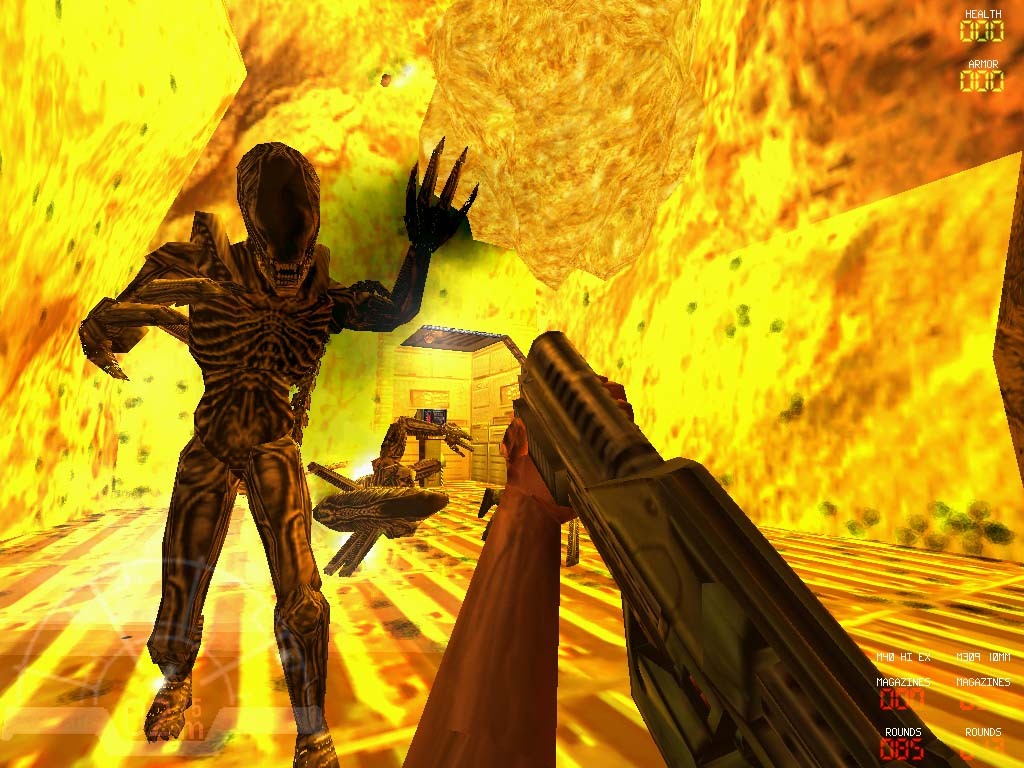
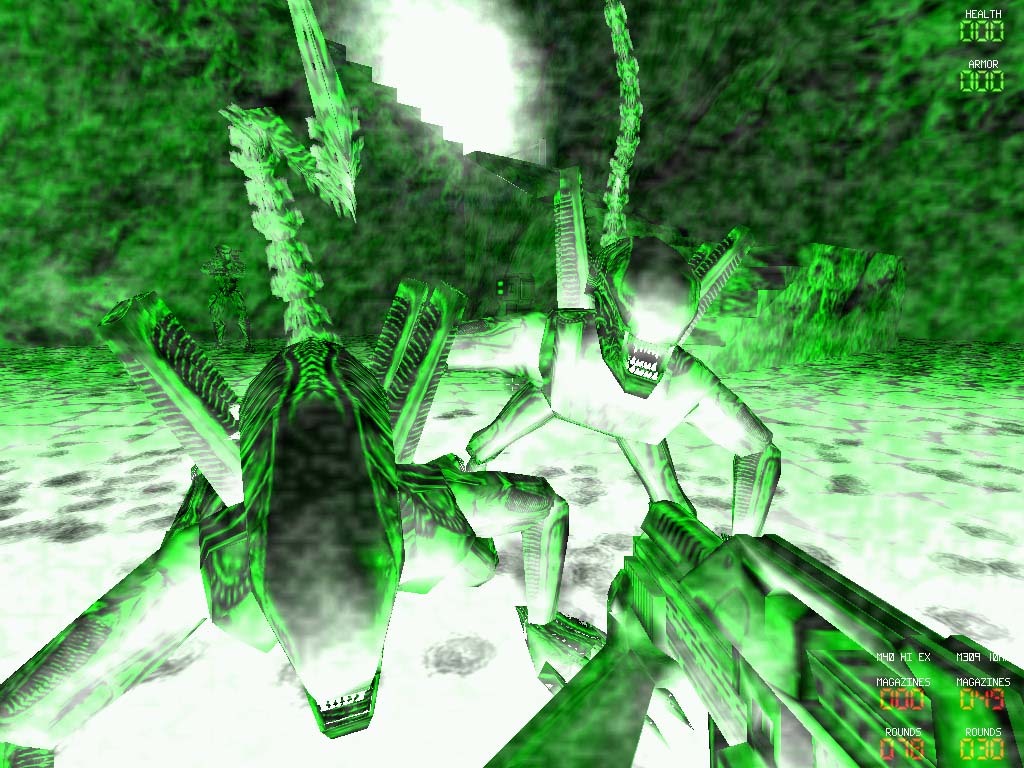
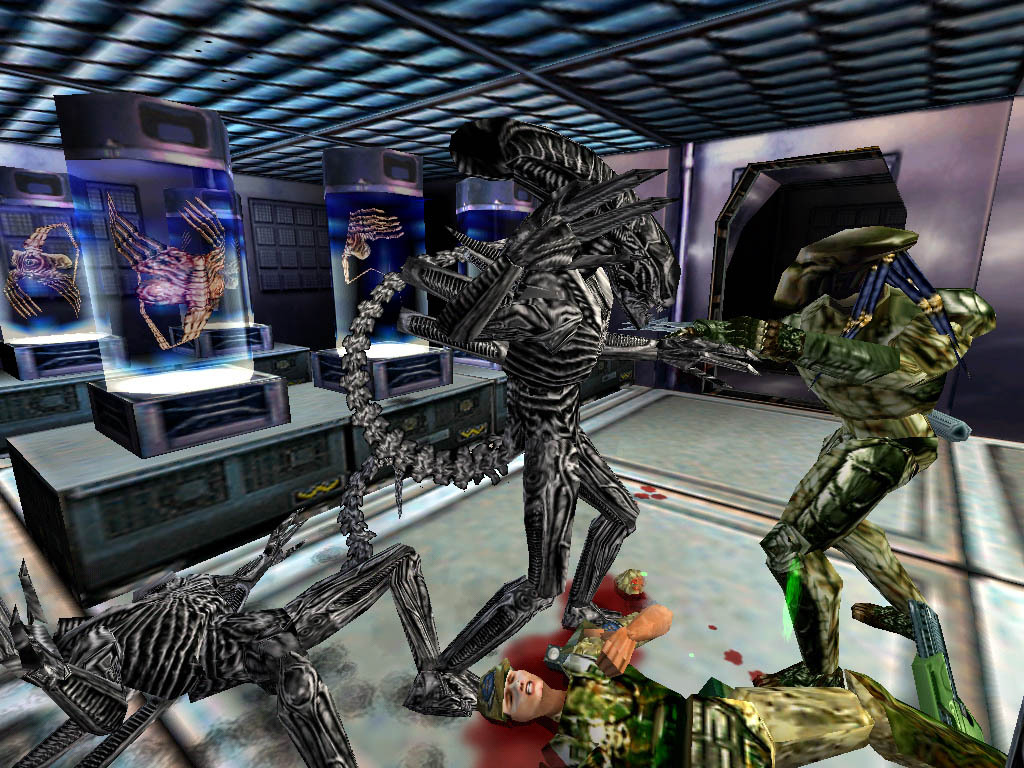
That’s the atmosphere—not dread as a cutscene, but dread as physics. The light doesn’t just dim; it betrays: “too bright and not bright enough at the same time,” as one reviewer put it—florescent strips blaze overhead while corners swallow your peripheral whole, turning corridors into throat-like tunnels. You don’t see the threat first—you sense the silence folding wrong around you, the way air stops moving just before something drops from the ceiling. It’s not horror through gore or jump-scares. It’s horror through information starvation, where every decision—reload now or push forward? Conserve ammo or blind-fire into the vent?—feels like carving survival out of raw nerve. You think about space not as setting, but as weight: the weight of a sealed door, the weight of a failing motion tracker, the weight of knowing the Alien doesn’t need light to hunt, but you do.
Hell’s Paradise Season 2 shares that same suffocating crafting tension—not of building shelters, but of forging meaning from flesh and failure. Its Body Horror & Occult dimension isn’t spectacle for shock; it’s the slow, clinical unraveling of what “human” means under pressure, just like watching your marine’s HUD glitch as acid eats through his helmet. Both force you to survive with your hands, whether stitching wounds mid-chase or jury-rigging a flamethrower in a locker room. And the Action Spectacle? Never clean. Always costly. Every parry, every leap, every xenomorph pounce lands with the same ragged finality as a marine’s last burst into darkness.
Go! Go! Loser Ranger!, on its surface, seems all satire—but dig into its Sci-Fi & Space and Survival & Crafting dimensions, and you feel the same brittle urgency. Its heroes aren’t chosen—they’re scavenged, jury-rigging gear from junkyards and broken satellites, just like your marine repurposing a pulse rifle’s power cell into a makeshift flashbang. The stakes aren’t galactic salvation, but not dying before lunch. That tonal tightrope—where absurdity and authenticity lean hard into each other—is pure Aliens versus Predator Classic 2000: the game’s “Lots of Fun!” review coexists with “scariest!” because terror and exhilaration aren’t opposites here—they’re the same current, humming under every corridor.
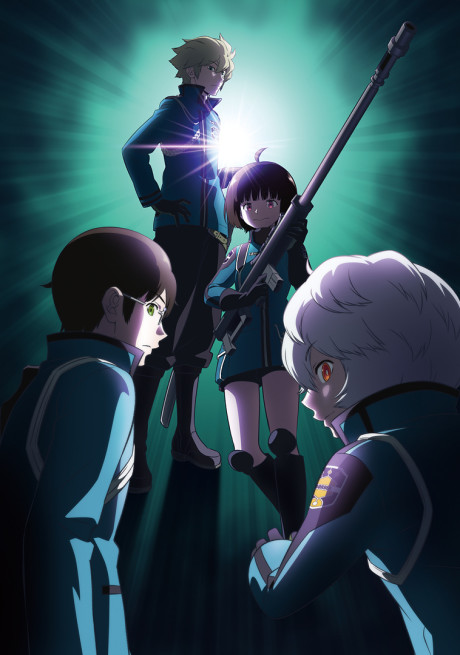
And World Trigger 2nd Season? It lives in that exact liminal space between Sci-Fi & Space and Survival & Crafting—where every battle is a real-time inventory check: shield charge remaining, trap cooldowns, ally positioning—all unfolding at breakneck speed, just like the game’s frenetic Skirmish mode. No exposition dumps, no safe zones. You learn the rules by bleeding, by misjudging a Predator’s cloaking shimmer, by realizing too late that the “safe” air vent is already lined with resin. The Action Spectacle isn’t choreographed—it’s emergent, born from systems clashing: motion tracker ping vs. thermal bloom vs. the Alien’s blind, perfect sense of heat and vibration.
This is for the person who replays the same 90 seconds of Gintama.: Slip Arc just to watch Sakata Gintoki’s coat flap exactly right as he pivots mid-air—not for style, but because that micro-second of physics tells you he’s already committed to the fall, to the fight, to the consequence. It’s for the one who pauses Getter Robo: Armageddon, not to admire the mecha, but to trace the crack spreading across a pilot’s knuckles as he grips the controls—body horror as emotional shorthand. They don’t want lore dumps. They want tactile stakes. They want games and anime where atmosphere isn’t wallpaper—it’s pressure, where survival isn’t a goal—it’s a reflex, and where every choice, however small, leaves a scar on the screen—and on you.
→151 Anime That Match the Vibe

Connected through 3 aesthetic dimensions.
Connected through 3 aesthetic dimensions.

A Colonial Marine’s desperate, claustrophobic crawl through a derelict ship—welding torch flickering, motion tracker beeping—mirrors Loser Ranger’s opening gag: a “hero” frantically duct-taping his broken mecha mid-battle. Unlike most sci-fi action, both weaponize *Survival & Crafting* not as strategy but slapstick necessity—scavenged gear, jury-rigged tech, and escalating chaos define their rhythms. That shared, grimy ingenuity—where heroism emerges from improvisation under pressure—makes their tonal collision oddly harmonious.

The body as a site of transformation and terror — both push physical boundaries.

Border’s Trion-powered gear whirs and sparks mid-battle—just like the Colonial Marine’s motion tracker flaring red in a derelict ship corridor. Where *World Trigger* Season 2 deepens tactical survival through real-time Trion management and squad coordination under Neighboring incursions, *AVP Classic 2000* forces players to scavenge ammo, reroute power, and improvise against overwhelming odds—both weaponizing 🛠️ Survival & Crafting as visceral, high-stakes physics. That shared grit—turning scarcity into spectacle—is unexpectedly rare in sci-fi that prioritizes scale over sweat.

Connected through 3 aesthetic dimensions.
Connected through 2 aesthetic dimensions.

Ryoma Nagare’s claustrophobic prison cell—cold steel, flickering lights, the dread of Saotome’s resurrection—mirrors the Colonial Marine’s first descent into the derelict *USCSS Sulaco*, where every shadow pulses with unseen biology. Unlike most mecha or sci-fi action, *Armageddon* and *AVP Classic 2000* fuse **Body Horror & Occult** with visceral, tactile survival: acid-blood splatter, chitinous growths, and Getter’s grotesque fusion sequences all reject clean tech in favor of flesh-as-weapon. That shared insistence on horror as physical, inescapable, and deeply *crafted* makes their resonance startlingly coherent—not thematic coincidence, but aesthetic kinship.

A guttural scream echoes through the mist-shrouded Tensen as Gabimaru’s arm regrows—flesh knitting over bone like Alien biomass surging across a Colonial Marine’s chest plate. Unlike most survival narratives, *Hell’s Paradise* Season 2 deepens its **Body Horror & Occult** dimension by fusing Taoist alchemy with visceral metamorphosis, mirroring how AVP Classic 2000 weaponizes biology itself: the Predator’s self-healing dermal plating, the Alien’s acid-blood corrosion, the Marine’s desperate medkit grafts. This isn’t just shared grit—it’s a rare dialogue between Eastern esotericism and Western sci-fi biopunk, where regeneration is ritual *and* rupture.

The body as a site of transformation and terror — both push physical boundaries.








![Fate/stay night [Heaven’s Feel] III. spring song](https://s4.anilist.co/file/anilistcdn/media/anime/cover/large/bx21719-MSdTlkno0Z0u.jpg)







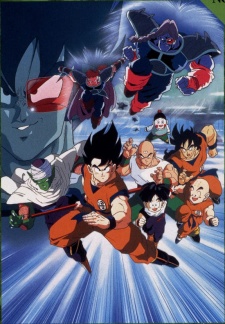
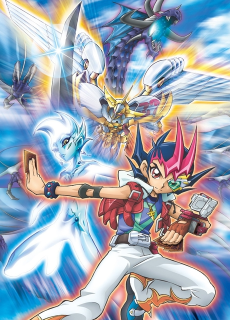


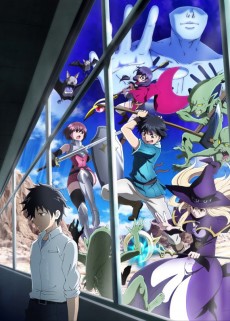

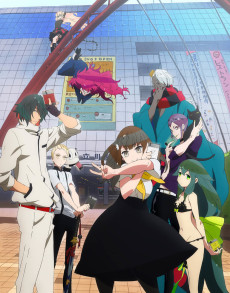





































































![Fate/stay night [Heaven's Feel] I. presage flower](https://s4.anilist.co/file/anilistcdn/media/anime/cover/medium/bx20791-yPCX5GJuMH2k.png)













Match Dimensions Explained
❓Frequently Asked Questions
Why is Hell’s Paradise Season 2 recommended for Aliens vs Predator Classic 2000 fans?
Because both lean hard into visceral body horror and high-stakes survival — like when Gabimaru gets his flesh grotesquely reshaped by the Nue’s curse, or when Colonial Marines scramble to craft makeshift barricades while Xenomorphs burst through vents. The oppressive atmosphere and constant threat of sudden, brutal death (think Gabimaru’s near-fatal poison sequences or the Marine campaign’s claustrophobic corridor ambushes) hit the same nerve.
Is there an anime adaptation of Aliens vs Predator Classic 2000?
No — there’s never been an official anime adaptation of AVP Classic 2000. But if you love its gritty, tactical sci-fi survival vibe, Go! Go! Loser Ranger! nails that energy: Kaito’s ragtag team jury-rigs gear under pressure (like Marine squad comms and motion tracker improvisation), and the alien encounters — especially the biomechanical ‘Void Beasts’ — echo the game’s unpredictable, environment-aware threats.
How does World Trigger 2nd Season compare to Gintama.: Slip Arc for AVP Classic 2000 fans?
World Trigger 2nd Season leans into tight, grounded sci-fi tactics — like Yuma’s Trion-powered skirmishes in narrow base corridors, mirroring the Marine campaign’s chokepoint tension — while Gintama.: Slip Arc swaps realism for chaotic spectacle, with alien tech and body-horror gags (e.g., Kagura’s parasite-infused rampage) that channel the game’s wild tonal whiplash and over-the-top action setpieces.
What’s the best anime like AVP Classic 2000 if I want that ‘frenetic, unforgiving’ Marine campaign vibe?
Go! Go! Loser Ranger! — hands down. It captures that same desperate, resource-scarce energy: Kaito’s team scavenges parts mid-battle like Marines grabbing ammo off fallen comrades, and every fight has that ‘too bright and not bright enough’ visual dissonance (think flickering ship lights during a Void Beast breach). Plus, the constant dread of unseen threats crawling in the walls? Pure Colonial Marine PTSD.