
Dragon Ball DAIMA
Goku and company were living peaceful lives when they suddenly turned small due to a conspiracy! When they discover that the reason for this may lie in a world known as the "Demon Realm", a mysterious young Majin named Glorio appears before them.
(Source: Crunchyroll)
📺Anime Details
📝Editorial Analysis
The first time Goku stares at his own tiny hands—fists still clenched, breath still sharp with battle instinct, but shoulders too narrow, feet too small to plant firm in the dirt—it hits like a quiet thunderclap. Not fear, not panic, but dislocation: the world hasn’t changed, yet everything he is has been folded, compressed, made strange inside its own skin. His laugh still bursts out, bright and unguarded—but now it echoes higher, thinner, bouncing off temple walls that suddenly feel cavernous. That moment isn’t about shrinking; it’s about recognition—of self, fractured and remade, standing bare before mystery.
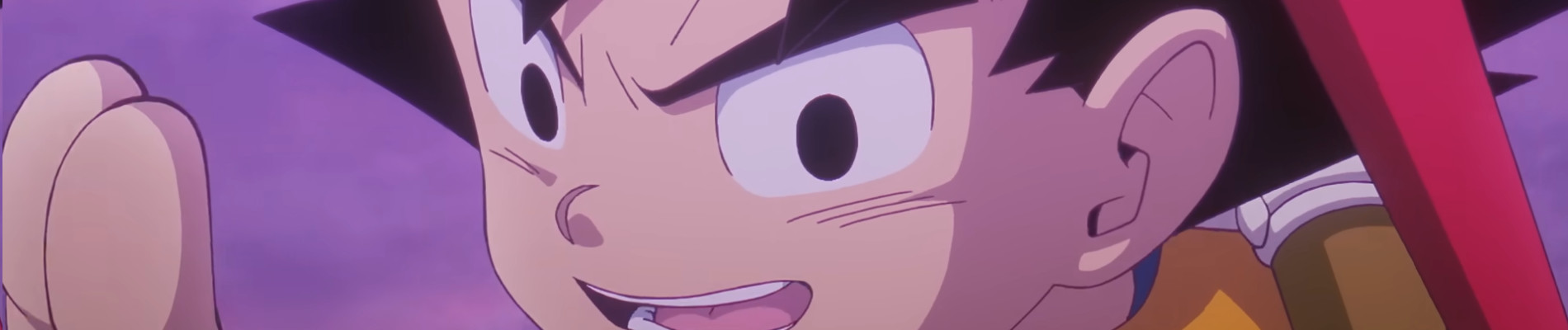
What makes Dragon Ball DAIMA vibrate with such distinct emotional resonance isn’t its age regression gimmick—it’s how deeply it leans into smallness as perspective. Not weakness. Not comedy. But a recalibration: when Goku, Vegeta, and Piccolo are no taller than Glorio’s knee, every shadow deepens, every whisper from the Demon Realm carries weight like incantation, every step toward unknown magic feels less like conquest and more like pilgrimage. The action remains fierce, yes—but the tone is hushed, reverent, threaded with wonder and quiet unease. You don’t just watch heroes fight; you watch them relearn what power means when their bodies can’t shout it anymore. It’s melancholic exploration, not just adventure—it’s the ache of memory held in a child’s frame, the solemnity of ancient forces witnessed through eyes still learning how to blink slowly.
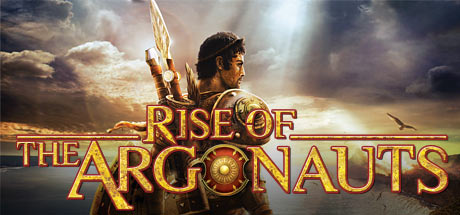
That feeling—the hush before myth, the awe edged with vulnerability—finds kinship in Rise of the Argonauts, where Jason begins not as a conqueror, but as a man hollowed by grief, stepping onto a ship not for glory, but for restoration. His journey through mythic lands mirrors DAIMA’s descent into the Demon Realm: both are quests rooted in profound personal rupture, unfolding across landscapes thick with symbolic weight—not just “places,” but thresholds. A player review notes it “does [ancient history] right”—and that fidelity isn’t about accuracy, but emotional texture: the same reverence for legacy, the same sense that every oracle’s riddle, every ruined altar, holds breath. Likewise, Prince of Persia (the 2008 reboot) shares that hushed grandeur—its new prince traversing surreal, sand-choked ruins not to dominate, but to unravel, to listen. The review calls it “an all-new epic journey,” and that phrase lands because it’s true: both works treat scale not as spectacle alone, but as invitation—to lean in, to question, to feel dwarfed not by threat, but by meaning.
Even Sacred Gold, flawed and janky as players attest (“full of jank, bugs… not very stable”), taps into that same undercurrent. Its description names “a shadow of evil” falling on Ancaria—and crucially, frames the player’s role not as savior-by-strength, but as champion summoned for a time. That phrasing—“a time for champions”—echoes DAIMA’s quiet urgency: this isn’t about winning a war, but answering a call older than names. The instability players complain about? It accidentally mirrors the anime’s own tonal tightrope—where magic feels unpredictable, rules half-remembered, consequences uncertain. Both ask you to move forward despite the ground trembling—not because it’s solid, but because something deeper demands witness.
This pairing sings for the viewer who watches Goku tilt his head at a floating sigil—not to break it, but to understand its hum. For the player who lingers at a crumbling shrine in Prince of Persia, not rushing the jump, but tracing the carvings with the controller stick. For anyone who’s ever felt small not as diminishment, but as the first, necessary condition of awe—when the world reopens, not wider, but deeper, and every step forward is both a question and a vow.
🎮33 Games That Match the Vibe





Match Dimensions Explained
❓Frequently Asked Questions
Why does Rise of the Argonauts feel like Dragon Ball DAIMA’s mythic action vibe?
Because both lean hard into heroic mythos with high-stakes personal stakes—Jason’s grief-fueled quest to resurrect his fiancée mirrors DAIMA’s themes of legacy and divine consequence, and the game’s flashy combo-based combat (think chained spear throws and god-powered finishers) delivers that same over-the-top, cinematic spectacle. It’s not about ki blasts, but the weight of myth, the visual grandeur of ancient gods intervening, and battles that feel consequential—just like DAIMA’s celestial showdowns.
Is there a Dragon Ball DAIMA video game adaptation yet?
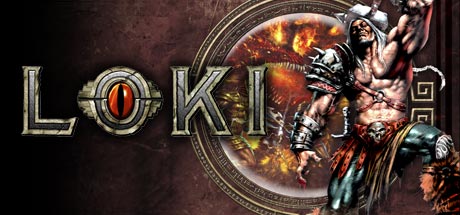
No—not as of now. There’s no official DAIMA game in development or release, which is why fans turn to titles like Loki or Rise of the Argonauts for that blend of mythic scale and explosive action. Loki lets you play as a Norse warrior channeling trickster-god chaos (think Vegeta’s pride meets Beerus’ unpredictability), while Argonauts gives you Jason’s righteous fury—both capture DAIMA’s tone better than any licensed DBZ title ever has.
How does Sacred Gold compare to Prince of Persia for DAIMA-style melancholic adventure?
Sacred Gold leans into grim, janky world-weariness—fighting orcs in rain-slicked ruins while your inventory glitches mid-battle—so it nails DAIMA’s somber, decaying-world atmosphere, but lacks Prince of Persia’s polished emotional pacing. Prince of Persia (2008) matches DAIMA’s quieter, reflective moments: that desert pilgrimage, the prince’s guilt-laced narration, and those slow-motion acrobatic leaps across crumbling temples all echo DAIMA’s balance of spectacle and sorrow.
What’s the best ‘Dragon Ball DAIMA vibe’ game if I want mythic hype but zero chill?
Loki—hands down. It’s got that same ‘gods watching, mortals swinging’ energy: you’re not just punching—you’re channeling Thor’s hammer or Anubis’ judgment mid-combo, with screen-shaking VFX and enemy arenas that shift like DAIMA’s celestial battlefields. Sure, it crashes sometimes (player review calls it ‘annoying glitches’), but when it runs? That mythic, adrenaline-charged rush hits *exactly* like Goku unleashing Ultra Instinct against a cosmic threat.