STAR WARS™ Jedi Knight II - Jedi Outcast™
The Legacy of Star Wars Dark Forces™ and Star Wars® Jedi Knight lives on in the intense first-person action of Jedi Outcast.
🎮Game Details
💬What Players Say
"Loved this game as a kid and still love it, mods make it even better. Playing this in VR was also great. 10/10 would play again."
"Very uhhh interesting level & puzzle design (shoutout to whoever decided to factor in a water pipe into a solution...only once...in the JEDI TEMPLE), but unironically a better Jedi Simulator than Fallen Order."
"Lightsabre combat is the best. Good story. Try to survive the first few levels, the crosshair/aiming with guns is rough for todays standard."
📝Editorial Analysis
The thunk of your boots hitting wet stone in the Jedi Temple—then the sudden, disorienting splash as you duck into that narrow water pipe, flashlight beam trembling on algae-slick walls—this isn’t just level design. It’s the game breathing. That one pipe—mentioned only once, as Player Review 2 notes—isn’t a gimmick; it’s a quiet act of trust. The game assumes you’ll notice the drip, test the slope, commit to the slide—not because it’s optimal, but because it feels like something a desperate, newly reawakened Jedi might do: improvising holiness in the damp dark. No HUD tells you to crawl. No quest marker pulses. You just feel the weight of your own choices—the crosshair jittering under gunfire (Review 3’s “rough for today’s standard”), the lightsaber humming alive in your hands (Review 3’s “best”), the silence between blaster cracks thick with consequence. This isn’t spectacle-as-decor. It’s spectacle earned, moment by moment, in real time and real space.

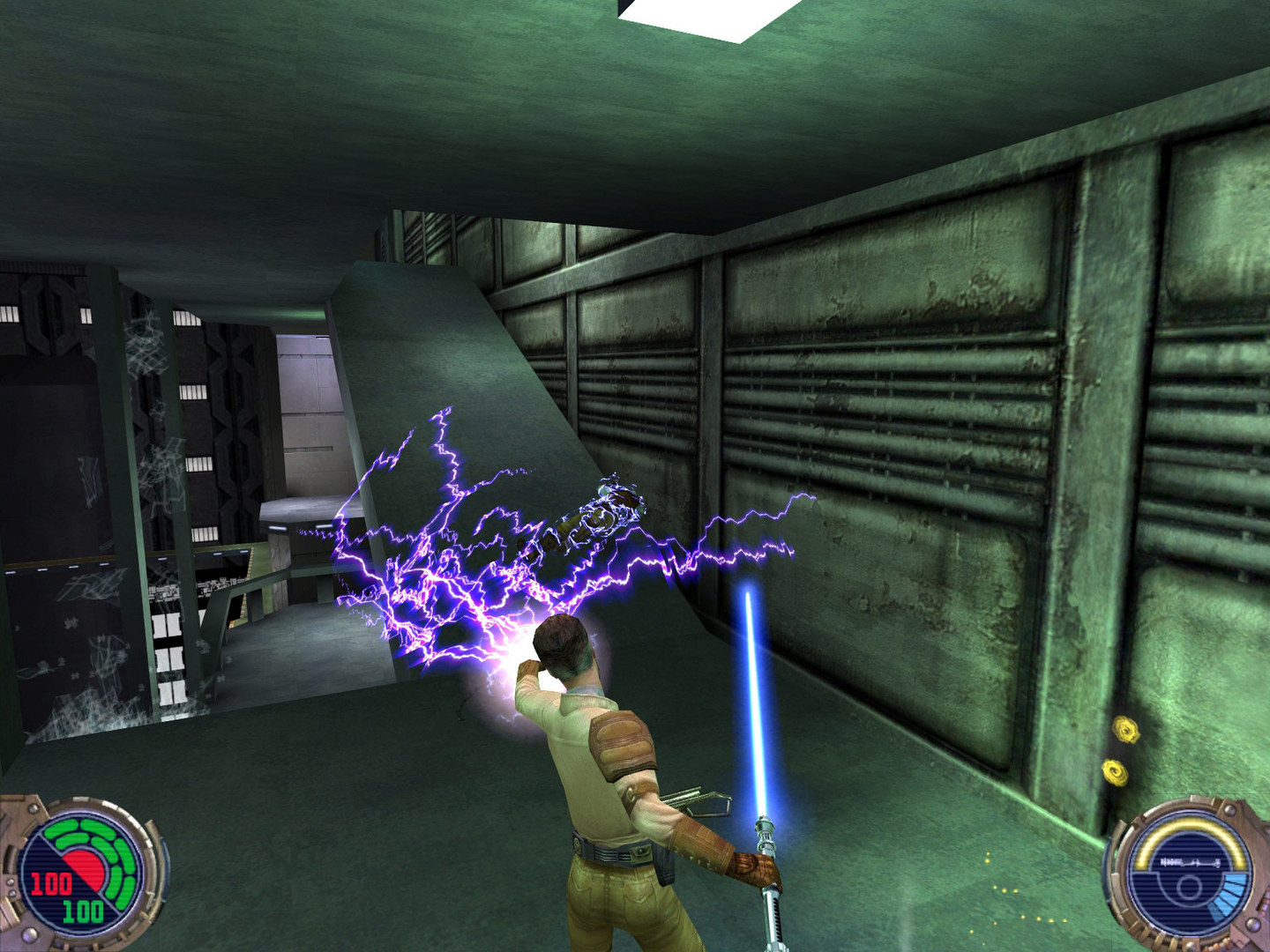
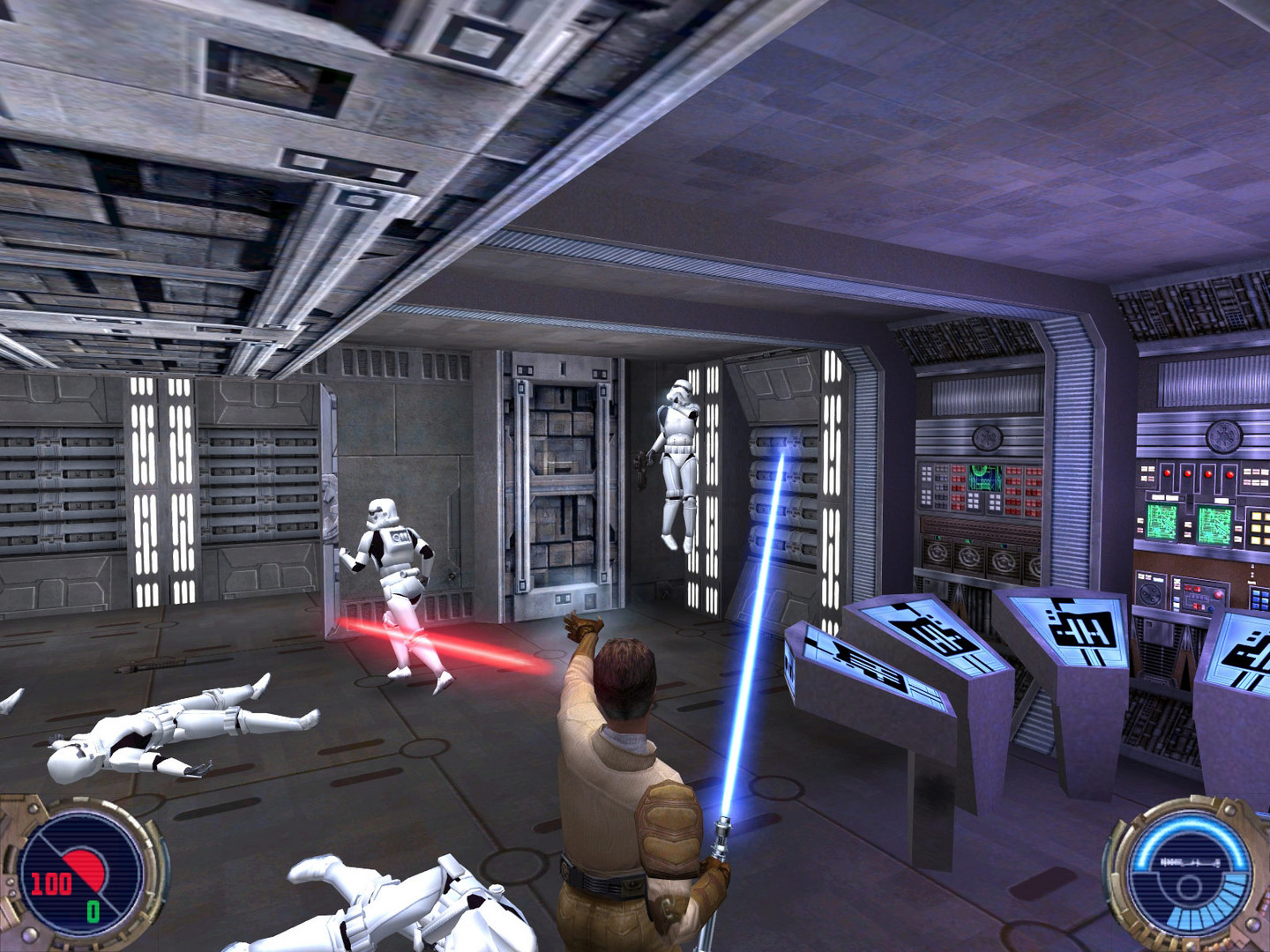
What makes STAR WARS™ Jedi Knight II - Jedi Outcast™ vibrate at this frequency isn’t its lore or its FPS pedigree—it’s the gravity of presence. You don’t play Kyle Katarn; you inhabit his recalibration: a man who’s shed the rifle but hasn’t yet mastered the saber, whose Force powers flicker like faulty wiring, whose breath sounds too loud in empty corridors. The official description calls it “intense first-person action”—but intensity here isn’t speed or volume. It’s the tactile slowness of turning in zero-G aboard a derelict freighter, the weight of raising your blade against a Dark Jedi who knows your old moves, the silence before a lightsaber clash where both fighters breathe—not as characters, but as bodies in shared physics. It makes you think about mastery not as power-up, but as relearning how to stand after trauma. Not “I am strong,” but “I am here, again—and what do I do with this light?”
That same grounded, almost architectural tension lives in World Trigger 2nd Season, where every battle is mapped in centimeters: Trion levels aren’t abstract bars—they’re measured in steps back, in angle of deflection, in the exact millisecond a shield shatters under calibrated force. Like the water pipe in the Jedi Temple, tactics emerge from environment-as-character—not scripted set-pieces, but spatial logic made visceral. Then there’s Final Fantasy VII: Advent Children, where Cloud’s sword drags through rain-slicked pavement with resistance, where each Limit Break lands with bone-deep impact—not because it’s flashy, but because the camera holds on his knuckles whitening on the hilt, on the tremor in his shoulder after the swing. Same DNA: spectacle rooted in physical cost. Even Sailor Moon R, often remembered for glitter, delivers its emotional peaks through tactical intimacy: Sailor Mercury’s visor scanning not just enemies, but structural weaknesses in collapsing buildings—her analysis framed not as data, but as urgency, as care measured in seconds and stress fractures. All three share that rare dimension: Sci-Fi & Space as stage, Action Spectacle as consequence, Tactical Warfare as language.
This pairing sings for the viewer who watches fight scenes not for choreography alone—but for the sweat on the brow before the strike, for the way a character’s foot slides just slightly on a wet floor mid-dodge, for the quiet second where strategy becomes instinct. It’s for the player who still remembers the thump of their controller when Kyle finally ignites his saber for the first time—not as triumph, but as recognition. Not “I have power,” but “This is mine again.” They’re the ones who pause anime mid-battle to admire how light catches on a cracked visor—or how a fallen comrade’s dropped weapon lies exactly where physics says it should. They love the grit in the glow, the human scale inside the epic. Not myth. Not menu. Just presence, pulse by pulse, pipe by pipe, breath by breath.
→52 Anime That Match the Vibe
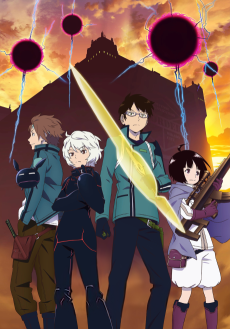
Border’s tactical deployment of Triggers in World Trigger 2nd Season—especially Yūma’s precise, high-stakes flanking maneuvers during the B-Rank invasion—mirrors Kyle Katarn’s deliberate, environment-aware Force combat in Jedi Outcast’s Ruins of Corrino mission. Where Jedi Outcast weaponizes sci-fi spatial awareness through lightsaber parries and Force-pushed debris, Border’s squads turn urban terrain into layered kill zones—tactical warfare as choreographed physics. This shared commitment to grounded, consequence-driven action spectacle makes their synergy unexpectedly resonant: not just space opera, but spatial intelligence made visceral.
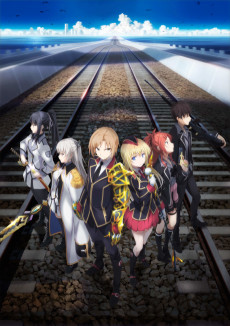
Connected through 3 aesthetic dimensions.
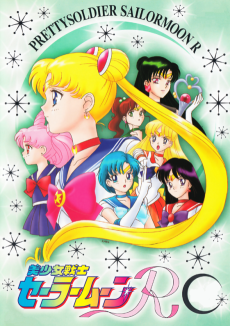
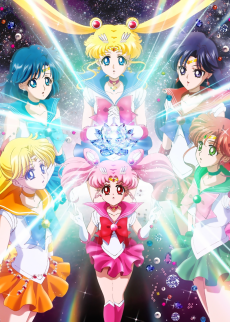
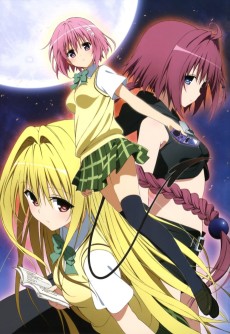
Usagi’s desperate shield-burst against Ail and Ann’s energy-draining assault mirrors Kyle Katarn’s lightsaber parry against Desann’s dark-side lightning—both hinge on tactical timing amid cosmic stakes. Unlike most magical girl fare, *Sailor Moon R*’s alien arc leans into genuine sci-fi tension, syncing with *Jedi Outcast*’s grounded space-military grit and explosive action spectacle. This pairing surprises: two 2002-era works, one anime, one FPS, converging on vulnerability-as-strength amid interstellar warfare.
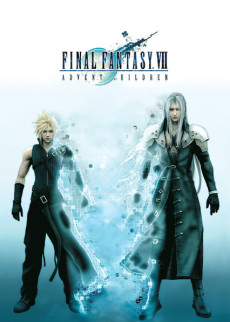
A lightsaber igniting mid-air—Kota’s desperate parry against Desann’s dark-side assault—mirrors Cloud’s visceral, rain-slicked clash with Kadaj atop the crumbling Midgar ruins. Unlike most sci-fi action pairings, their resonance lives in tactical warfare choreography: precise footwork, environmental awareness, and weapon-based rhythm that treats combat as spatial dialogue. This shared intensity makes Jedi Outcast’s grounded dueling and Advent Children’s hyper-kinetic swordplay feel like twin expressions of trauma forged into discipline—sci-fi spectacle with bone-deep physicality.
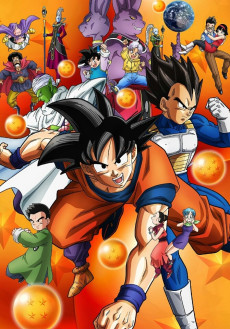
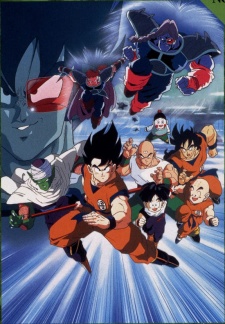
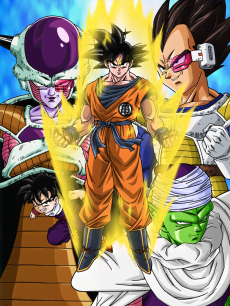
Goku’s radish-farming interlude—suddenly shattered by a godly ki blast—mirrors Kyle Katarn’s abrupt return to lightsaber combat after abandoning the Force. Where *Jedi Outcast* grounds its sci-fi spectacle in tactile, weighty duels (like the Imperial Depot showdown), *Dragon Ball Super*’s Tournament of Power escalates cosmic stakes with visceral, physics-defying action. This resonance isn’t just about explosive energy—it’s how both use quiet peace to heighten the catharsis of spectacular, dimension-shaking conflict.

Connected through 2 aesthetic dimensions.
Connected through 2 aesthetic dimensions.

Connected through 2 aesthetic dimensions.
Connected through 2 aesthetic dimensions.

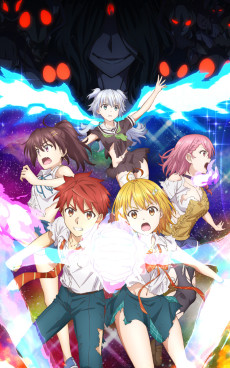
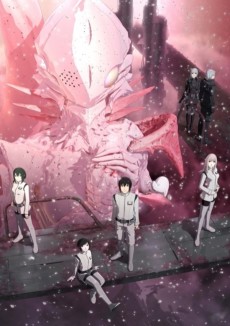
Where Kyle Katarn’s lightsaber ignites mid-leap off the Ruins of Korriban, *Go! Go! Loser Ranger! Season 2* counters with Kenta’s absurdly overpowered “Loser Beam” misfiring into a neon-lit spaceport—both weaponizing sci-fi spectacle as emotional punctuation. Unlike most genre fare, neither treats action as pure catharsis: Jedi Outcast’s quiet moments of Force meditation mirror Season 2’s tonal whiplash when the Rangers pause mid-battle to bicker about ramen budgets. That shared commitment to sci-fi & space as playground *and* pressure chamber makes their resonance genuinely surprising—not despite the absurdity, but because of how seriously both commit to it.











Match Dimensions Explained
❓Frequently Asked Questions
Why is World Trigger 2nd Season recommended for Jedi Outcast fans?
Because both hinge on tactical, moment-to-moment spatial awareness—like when Yuiga’s Trion body shifts mid-combat to dodge a beam, mirroring how you’d strafe behind pillars in the Jedi Temple to avoid stormtrooper fire. The score (73) reflects its strong overlap in Sci-Fi & Space + Tactical Warfare, especially during Border’s real-time squad coordination—very much like coordinating Force pushes and saber parries under pressure.
Is there an anime adaptation of Jedi Knight II: Jedi Outcast?
No official anime adaptation exists—but Final Fantasy VII: Advent Children (score: 72) hits that same visceral, grounded-yet-spectacular lightsaber-adjacent energy. Think Sephiroth’s slow-motion descent in the church scene: it’s got that same weighty, cinematic choreography as Kyle Katarn’s duel with Desann in the Sith tomb, where every slash and Force-rebound feels earned and physical.
How does Sailor Moon R compare to Dragon Ball Super for Jedi Outcast vibes?
Sailor Moon R (71) leans harder into tactical, environment-aware combat—like Sailor Jupiter using electricity to short-circuit a mech in the Tokyo Tower arc—echoing Jedi Outcast’s puzzle-integrated action (remember that water pipe solution in the Jedi Temple?). Dragon Ball Super (69) trades that precision for raw spectacle, like Ultra Instinct dodging swarms of enemies, which matches the game’s later-game lightsaber combat intensity but skips the environmental cleverness.
What’s the best anime like Jedi Outcast if I want that ‘survive the first few levels’ gritty, scrappy Jedi-feel?
Go! Go! Loser Ranger! Season 2 (70) nails it—the early episodes have that same ‘clunky but determined’ energy, like when Red Ranger fumbles his transformation sequence before barely holding off a kaiju with jury-rigged gear. It mirrors how players struggle with Jedi Outcast’s rough early aiming and gunplay, then gradually unlock fluid saber combos and Force powers just like the show’s progression from desperation to mastery.