
Gunbuster
In the very near future, a race of huge, insect like aliens is discovered traveling the galaxy. These aliens seem dedicated to the eradication of the human species as it takes its first steps away from the solar system, and they are getting closer and closer to Earth. Humanity has responded by developing spacegoing battleships and giant fighting robots. These robots are piloted by the best and brightest of Earth's youth, picked from training schools around the world.
The story begins in the year 2023, not long after the first battles with the aliens, and centers on young Noriko Takaya. Although Noriko's father was a famous Captain in the space fleet who was killed during one of the first battles of the war, her own talents as a pilot are questionable. Nonetheless, she has entered a training school. Through the series Noriko, joined by the beautiful and talented Kazumi Amano, will fight to overcome the trauma of war, the doubts of her peers, and her own lack of confidence.
(Source: AniDB)
📺Anime Details
📝Editorial Analysis
The cockpit of Gunbuster fills with light—not the clean, sterile glow of a starship bridge, but the raw, trembling amber flare of overloaded reactors, heat shimmering off the metal floor as Noriko Takaya braces her boots against the shuddering deck. Her breath hitches—not from fear, not yet—but from the weight: of the neural link humming in her skull, of the 30-second countdown echoing over comms, of the alien swarm blotting out the stars just beyond the viewport. This isn’t launch prep. It’s initiation. A girl stepping into a machine that doesn’t just fight—it ages, it bleeds time, it breaks her open before it lets her fly.
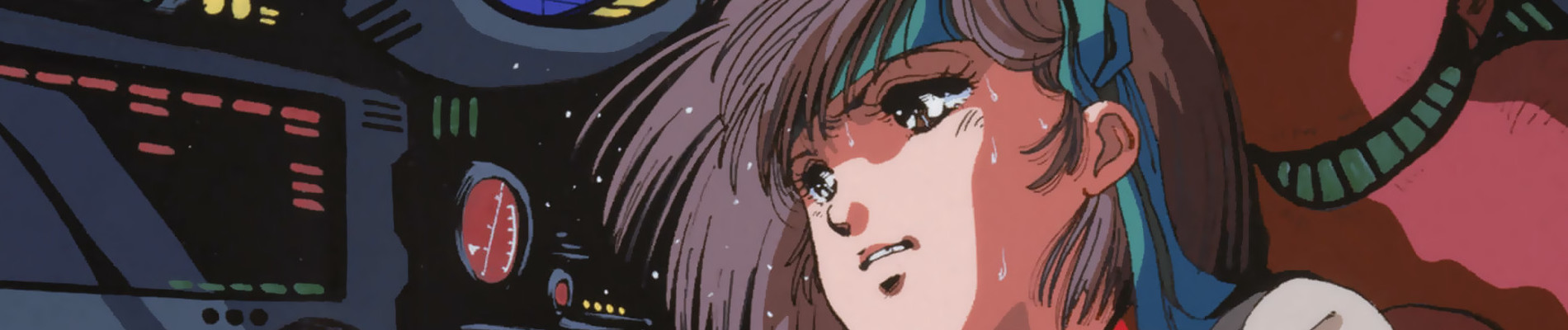
That’s the feeling Gunbuster carves into you: inevitability wrapped in tenderness. Not grim fatalism, but something far more human—the quiet horror of watching your own growth curve stretch across decades while your friends vanish into relativistic silence; the ache of singing karaoke in zero-G with girls who’ll outlive you by centuries; the way a military briefing dissolves into a tear-streaked hug because the war isn’t fought with tactics alone—it’s fought with memory, with grief, with the stubborn, irrational warmth of holding someone’s hand while the universe collapses around you. It’s sci-fi that smells like sweat, ozone, and instant ramen—where super robots aren’t symbols of power, but fragile vessels carrying girls who are still learning how to cry in space.
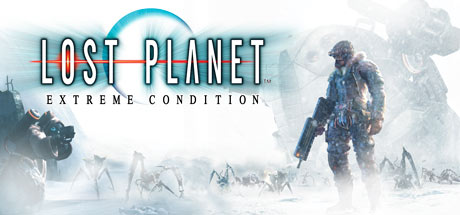
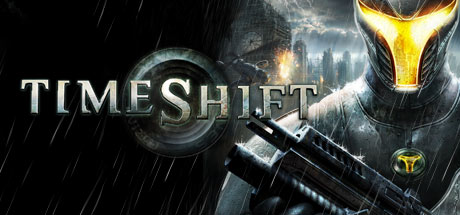
That emotional DNA pulses strongest in games where time isn’t a mechanic—it’s a wound. BioShock Infinite lands with its Time & Memory dimension and player review admitting “some people are still bitter about the Bioshock Infinite we could have gotten”—that tension between what was, what could’ve been, and what must be endured mirrors Gunbuster’s gut-punch temporal leaps. Elizabeth isn’t just rescued; she’s unmade and remade across realities, much like Noriko returning to Earth to find her childhood friend now a grandmother—both stories treat time not as plot device, but as emotional erosion, where love persists even as the calendar fractures. Then there’s TimeShift™, explicitly built on “Master[ing] time to become the ultimate weapon,” its description naming “a disturbing alternate reality” born from reckless chronal jumps. The player review calls it “a blast, but it takes a little work to get it into a playable state”—that same scrappy, almost analog urgency echoes Gunbuster’s handmade aesthetic: no polished UI, just flickering dials, handwritten notes taped to consoles, and the visceral effort of bending physics to survive. And Lost Planet™: Extreme Condition, tagged with Tactical Warfare, Mecha & Military Sci-Fi, and set on “ice-covered wastelands” where humans battle “gargantuan alien Akrid,” resonates in its physicality: the crunch of snow under armored treads, the desperate scramble to reload mid-leap, the way survival hinges on team coordination under crushing odds—just like Gunbuster’s squad-based dogfights where one misjudged vector means freezing to death in vacuum or being swallowed whole by chitinous jaws.
This isn’t about lasers or lore. It’s about the tremor in the voice when a pilot confirms launch, the silence after a victory that feels heavier than defeat, the way hope has calluses. You’d love these pairings if you’ve ever paused a game mid-battle to stare at the stars in the HUD, wondering how long it’s been since you last saw sunlight—or if you’ve rewatched Gunbuster’s final scene not for the explosion, but for the exact frame where Noriko’s hand, gloved and trembling, finally closes around Kazumi’s—two women who’ve crossed lifetimes, not galaxies, to hold on. Not as soldiers. Not as heroes. As girls who refused to let time erase their names.
🎮60 Games That Match the Vibe










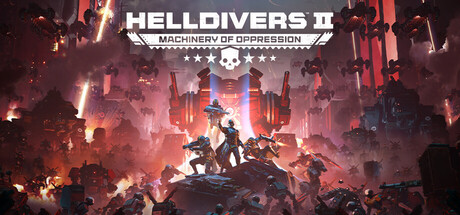
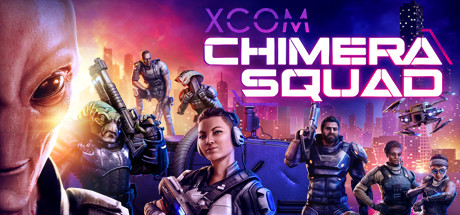
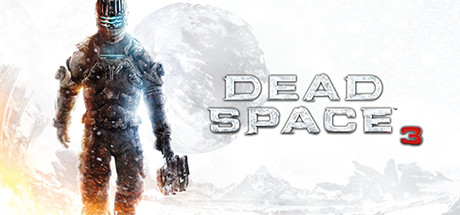
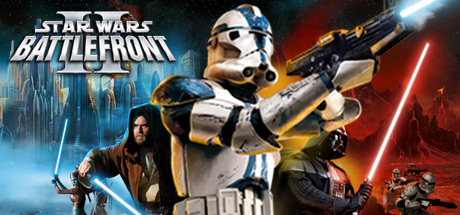

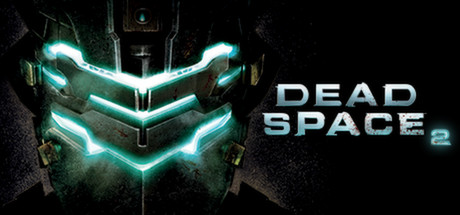
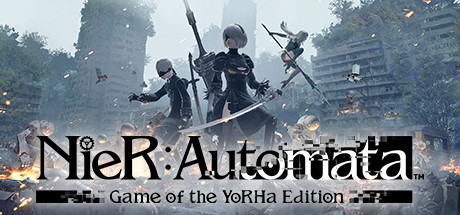
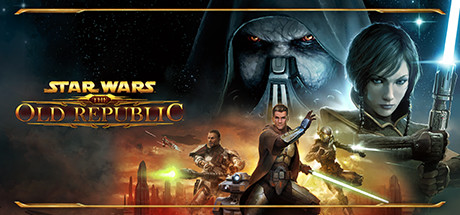
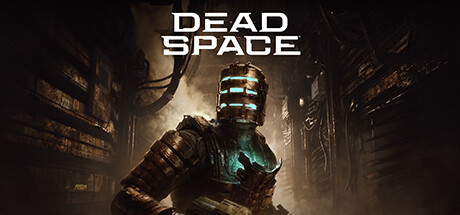

Match Dimensions Explained
❓Frequently Asked Questions
Why does Lost Planet: Extreme Condition feel so similar to Gunbuster's ice-world battles?
Because both lean hard into desperate, large-scale mecha combat against towering alien threats on frozen wastelands—Lost Planet’s Akrid are basically Gunbuster’s Boson Jumpers: hulking, biomechanical, and terrifyingly fast. You’ll recognize that same gritty military-sci-fi tension when piloting a VS (Vital Suit) across E.D.N. III’s blizzards, just like watching the Nono-class ships carve through icy nebulae in Gunbuster’s final act.
Is there a Gunbuster anime adaptation of Tribes: Ascend?
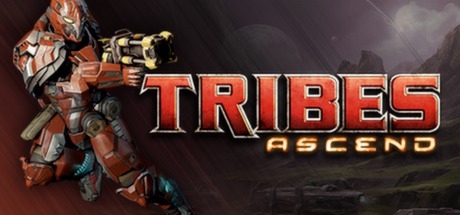
Nope—Tribes: Ascend is purely a standalone military-sci-fi FPS with no anime tie-in, but it *does* scratch that same itch: think Gunbuster’s high-speed orbital dogfights translated into jetpack-enabled team battles across snowy canyons and orbital stations. The weapon DLC packs and fast-paced flag captures channel that same kinetic, squad-based intensity you love from the OVA’s bridge command scenes.
How does Mr. Robot compare to BioShock Infinite for sci-fi storytelling with emotional weight?
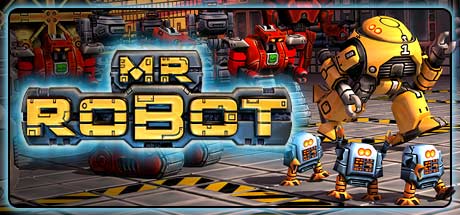
Mr. Robot leans into quiet, lonely retro-futurism—Asimov the mechanoid slowly uncovering the Eidolon’s secrets feels like a grounded, melancholy cousin to Booker and Elizabeth’s fractured timeline journey. BioShock Infinite hits harder with spectacle and moral ambiguity (that lighthouse reveal!), but Mr. Robot matches its emotional resonance in smaller moments—like Asimov choosing whether to reboot the ship’s failing core, echoing Gunbuster’s ‘sacrifice vs. survival’ stakes.
What’s the best game like Gunbuster if I want that overwhelming, time-bending climax vibe?
TimeShift™ is your pick—it’s all about mastering temporal manipulation to survive a dystopian alternate reality, just like Gunbuster’s finale where time dilation warps perception and consequence. Dr. Krone rewinding mid-air grenade throws or freezing enemies mid-leap mirrors how Nono’s final Boson Jump fractures causality—plus, that community-patched ‘playable state’ fix? Totally worth it for that 4-hour rush of mind-bending, high-stakes sci-fi.