STAR WARS™ Battlefront II (Classic, 2005)
Join the rise of Darth Vader’s elite 501st Legion of Stormtroopers as you fight through an all new story-based saga where every action you take impacts the battlefront and, ultimately, the fate of the Star Wars galaxy.
🎮Game Details
💬What Players Say
"Have been playing this game since probably like 2006, and just completed my first ever galactic conquest run today for star wars day."
"Best Star Wars game for me. Enjoyed revisiting the 501st. Game is still fun...."
"this game is so peak. If you are deciding to buy the classic collection or this one, BUY THIS ONE NOWWWWWWWWWWWWWWWWWWWWWWWWWWWWWWWWWWWWWWWWWWWWW. i love it."
📝Editorial Analysis
The first time you hear the thrum of a Star Destroyer’s engines vibrating through your PS2’s cheap speakers—while your 501st trooper sprints across the cracked duracrete of Kashyyyk’s beaches, blaster fire stitching the air like live wire—you’re not just playing a game. You’re inside the rise. Not the fall. Not the myth. The rise: Vader’s shadow lengthening across the galaxy, one planet at a time, and you’re in the boot, in the helmet, in the breath-hold before the breach. That’s what the official description promises—not “join the Rebellion,” but join the rise of Darth Vader’s elite 501st Legion. Every action impacts the battlefront. Every shot matters—not for points, but for trajectory. For inevitability. And when a player writes, “this game will always be goated with the space battles and the XL…”, that “XL” isn’t a typo—it’s the visceral, almost physical scale hitting you: capital ships locking turrets, squadmates shouting over comms as you board a Separatist frigate mid-orbit, the camera whipping wide to show three cruisers colliding in silent, slow-motion debris. It’s not spectacle for spectacle’s sake. It’s weight. It’s consequence baked into movement, sound, and silence.
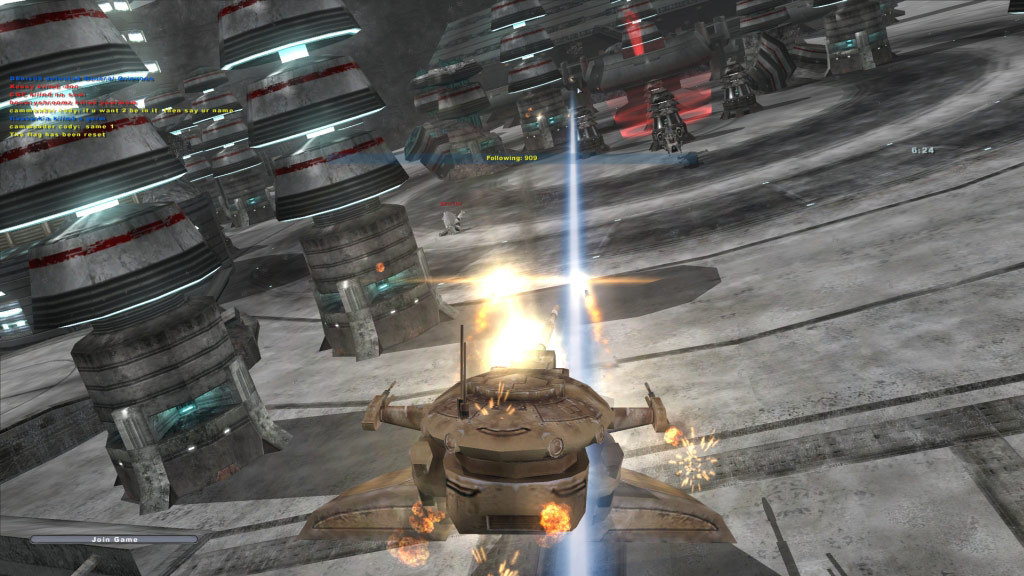
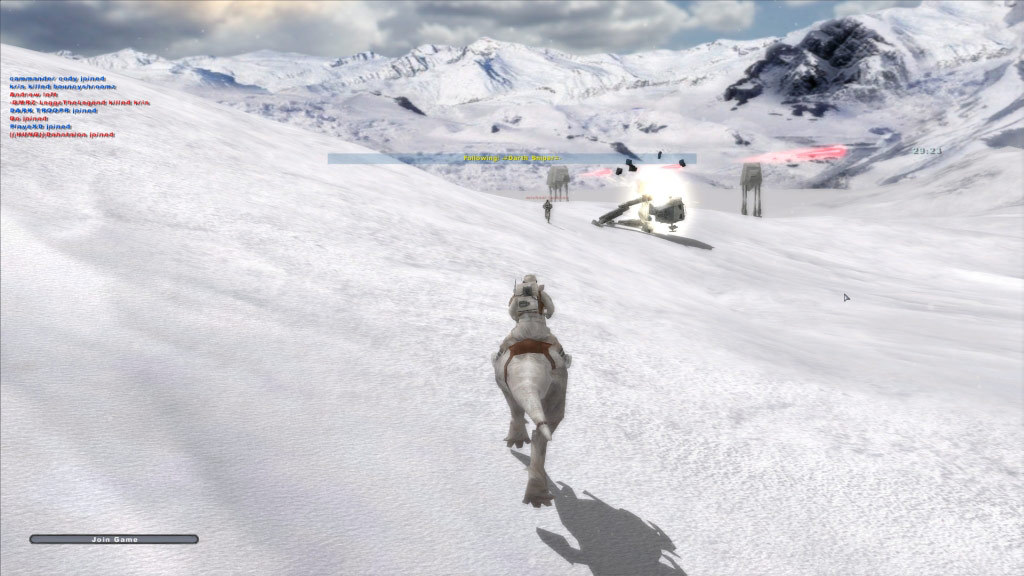
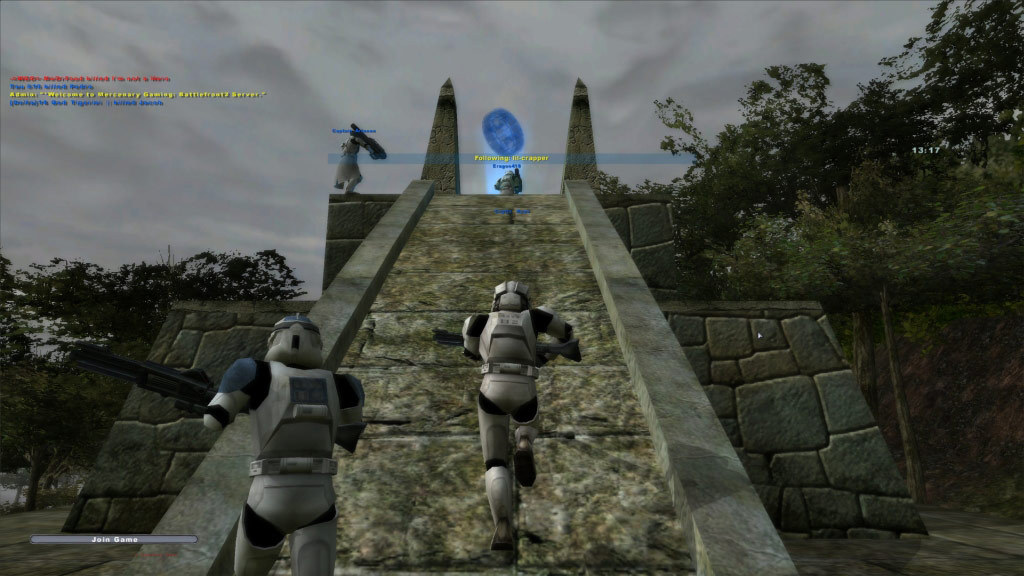
What makes STAR WARS™ Battlefront II (Classic, 2005)’s atmosphere singular isn’t its fidelity to canon or its multiplayer longevity—it’s how it makes power feel procedural, not preordained. You don’t become Vader. You enable him. You clear the landing zones so his shuttle lands unchallenged on Mustafar. You hold the reactor core so the droid army doesn’t reboot. There’s no cutscene where he chooses darkness—you build the darkness, brick by tactical brick. That’s why players still replay it decades later, even with “a faulty disc on ps2”, even after “never got to finish the campaign”—because the feeling isn’t about completion. It’s about participation in scale. It’s the quiet dread before a fleet drops out of hyperspace—not as background music, but as a pressure change in your chest. It’s the way victory feels earned, not awarded; the way defeat feels structural, not personal. You think about logistics. About chain of command. About how many blaster bolts it takes to crack a shield generator—and whether your squad has enough thermal detonators left. It’s tactical awe: the universe is huge, yes—but you’re inside the math of its conquest.
That same tactical awe lives in Gunbuster, where every dogfight isn’t just maneuvering—it’s orbital mechanics made audible, where the thump of a photon torpedo launch echoes like a heartbeat before impact, and the crew’s exhaustion isn’t dramatized, it’s calculated in oxygen levels and burn time. It’s not about being special—it’s about being precise, under crushing scale. Likewise, Macross—not the romance-first reboots, but the original’s operatic warfare: mecha aren’t weapons, they’re extensions of doctrine, and every formation shift, every jamming pulse, every mic-drop solo from Lynn Minmay isn’t escapism—it’s coordination as culture, where tactics and song share the same frequency band. And World Trigger 2nd Season—where border defense isn’t abstract, it’s grid-based, where Trion output is measured in real-time meters, where a single misstep in shield timing collapses an entire defensive layer. No heroics without inventory checks. No triumph without logistics. All three anime breathe the same air as the 501st: Sci-Fi & Space isn’t setting—it’s physics. Tactical Warfare isn’t genre—it’s grammar. Every frame, every line of dialogue, every HUD flicker assumes you understand the rules before the battle begins.
This pairing isn’t for the lore-digger or the nostalgia tourist. It’s for the person who replays the same trench run three times—not to win faster, but to feel the wind resistance change when their X-wing banks at 78 degrees instead of 82. It’s for the viewer who rewinds Gunbuster’s final dive not for the tears, but to count how many seconds pass between the “GO!” and the first hull fracture. It’s for the one who watches World Trigger’s border skirmishes with a pencil, sketching optimal trigger deployment vectors in the margin. They don’t want to watch war—they want to inhabit its architecture. To feel the gravity of command, the silence between orders, the heat of a rifle barrel after sustained fire—not as metaphor, but as data. These are people who love the weight of a decision, the echo of a choice across light-years, the hum of a galaxy aligning—not because it’s fated, but because they helped turn the gear. That’s why the 501st still fits in their hands like a worn blaster grip—and why those anime don’t just match the game’s tone, but share its pulse.
→21 Anime That Match the Vibe

Darth Vader’s 501st Legion storms a Separatist cruiser in *Battlefront II*’s opening mission—precision, scale, and grim purpose converging in zero-gravity corridors—while *To Love Ru Darkness 2nd Specials* pivots its sci-fi absurdity to Mikan’s tactical deployment of alien tech during a chaotic school festival. Unlike most rom-coms, this OVA leans into genuine battlefield choreography: Rito’s flustered evasions mirror stormtrooper squad discipline under fire, both weaponizing sci-fi infrastructure for emotional stakes. The resonance isn’t tonal—it’s structural: space opera grandeur and harem chaos alike treat tactical warfare as narrative grammar.
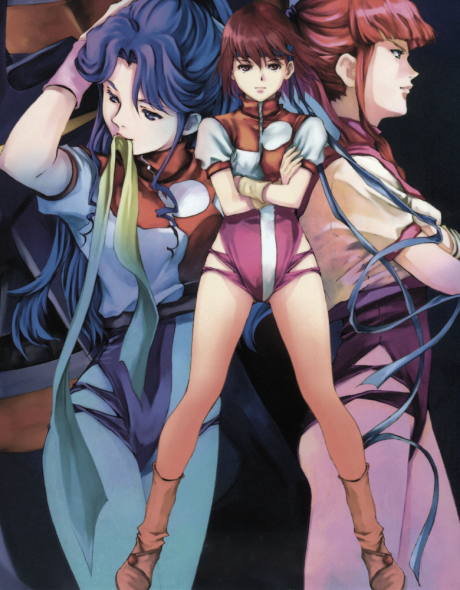
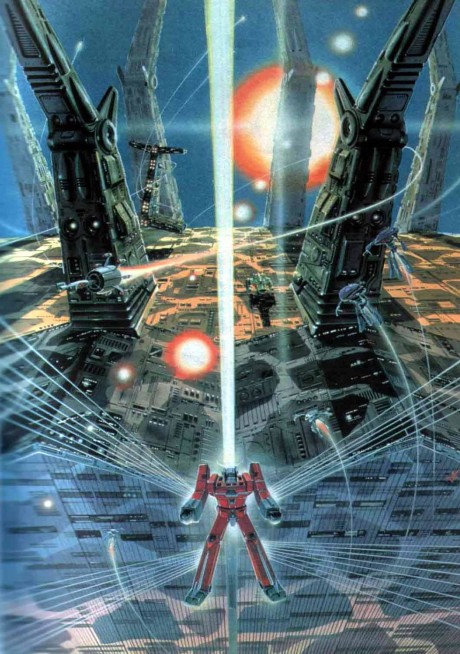
Darth Vader’s helmet reflecting blaster fire during the Mygeeto assault mirrors Noriko Takaya’s trembling hands gripping Gunbuster’s controls as Earth’s last hope—both moments fuse raw human fragility with colossal sci-fi scale. Unlike most tactical warfare stories, neither work romanticizes victory: the 501st’s grim march through war-torn planets echoes Gunbuster’s devastating time-dilation sacrifice, where strategy and emotion collide in silent, star-strewn voids. This resonance in 🚀 Sci-Fi & Space isn’t just aesthetic—it’s existential, grounding galaxy-spanning stakes in sweat, breath, and irreversible choice.
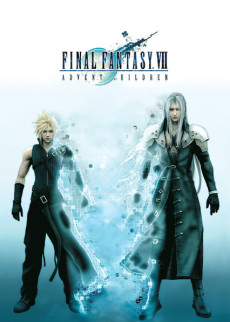
Darth Vader’s silent march through the shattered corridors of the *Invisible Hand* mirrors Cloud Strife’s solitary trek across Midgar’s rain-slicked ruins—both figures armored in trauma, moving through sci-fi landscapes scarred by catastrophic war. Unlike most tactical warfare narratives that glorify command, *Battlefront II*’s 501st campaign and *Advent Children*’s Geo-stigma crisis center on bodies breaking under ideological and biological siege. This shared tension between galactic-scale conflict and intimate physical collapse makes their resonance startlingly visceral.
Connected through 2 aesthetic dimensions.
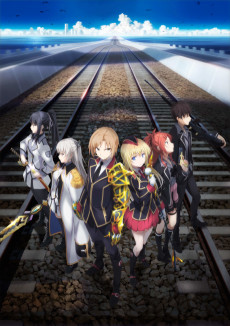
Connected through 2 aesthetic dimensions.
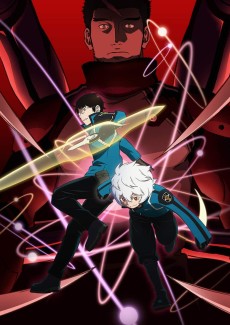
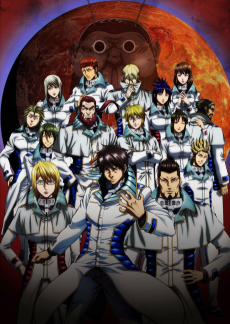
Darth Vader’s helmet reflection flickers across a stormtrooper’s visor as the 501st breaches a Separatist dreadnought—mirroring Border’s Season 2 tactical breaching of Neighbor territory with synchronized Trion-powered squads. Unlike most sci-fi warfare, both commit to *tactical warfare* as choreographed physics: precise cover usage, squad-level role specialization (e.g., Osamu’s sniper support vs. Vader’s command-driven pushes), and real-time consequence systems—where failed objectives reshape campaign maps or border defense protocols. That shared rigor in visualizing coordinated force projection makes their resonance feel startlingly grounded, not just epic.
Connected through 2 aesthetic dimensions.
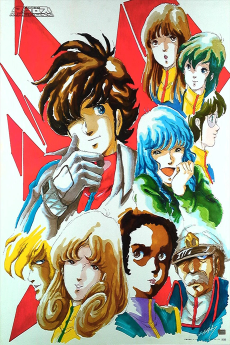
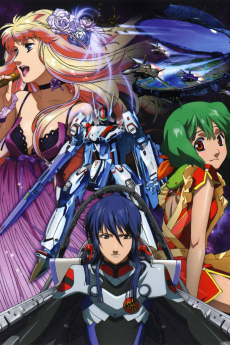
A crashing SDF-1 erupts over South Ataria—chaos, scale, and desperate coordination mirroring the 501st’s chaotic assault on Kashyyyk in *Battlefront II*’s campaign. Unlike most space operas, both anchor epic **Tactical Warfare** in human-scale stakes: Rick Hunter’s VF-1 dogfights echo Vader’s ground-level command of stormtrooper squads, where squad cohesion and terrain mastery decide battles. That shared tension—between colossal sci-fi spectacle and boots-on-the-ground grit—makes their resonance unexpectedly grounded, not just grand.
Connected through 2 aesthetic dimensions.




Match Dimensions Explained
❓Frequently Asked Questions
Why does Gunbuster match STAR WARS Battlefront II (2005) so well despite being older and anime-only?
Because both lean hard into large-scale tactical space warfare with visceral, physics-driven dogfights—like Gunbuster’s climactic battle against the Space Monsters, where the Nono-class ship maneuvers like a starfighter squadron, mirroring Battlefront II’s XL-class capital ship assaults. You’ll feel that same weighty, coordinated chaos as in the game’s Coruscant orbital battles or the 501st’s assault on Rhen Var.
Is there an anime adaptation of the 501st Legion story from Battlefront II (2005)?
No official anime adaptation exists—but World Trigger 2nd Season hits *so* close: the Border organization’s elite Trion soldiers operate like Vader’s 501st, executing precise, squad-based incursions (e.g., the Aftokrator invasion arc) with real-time tactical HUDs, class-specific roles, and mission-critical objectives—just like your clone trooper squads breaching Separatist lines on Geonosis or Mygeeto.
How does Macross compare to Final Fantasy VII: Advent Children for Battlefront II fans who love space combat + ground-level heroics?
Macross wins on pure scale and integration: its SDF-1 transforms mid-battle and fires the main gun while Valkyries dogfight *and* deploy ground troops—exactly like Battlefront II’s seamless shift between starfighter, walker, and infantry combat (think flying the ARC-170 over Felucia then dropping into trench warfare). Advent Children’s Midgar fight is stunning, but it’s mostly grounded spectacle—no capital-ship coordination or fleet-level stakes.
What’s the best anime for that ‘galactic conquest’ vibe—where every win feels like it shifts the war’s momentum, like in Battlefront II’s campaign?
To Love Ru Darkness 2 Specials—yes, really! Don’t let the title fool you: its sci-fi arcs feature the Galaxy Police launching multi-system ops where success in one sector unlocks new fleets and alters enemy deployment patterns (like the ‘Nebula War’ arc), mirroring how your 501st victories on Kashyyyk or Kamino directly unlock new units and shift Galactic Conquest’s map control—same cause-and-effect thrill.