
Star Blazers: Space Battleship Yamato 2199
The year is 2199. The human race has been crushed in their war with the Gamilos, driven into underground cities by the invader's assault. Scientists estimate they have only a year left. The young officers Susumu Kodai and Daisuke Shima receive a mysterious capsule from a ship that made an emergency landing on Mars and return with it to Earth. It contains humanity's last hope: the planet Iscandar on the other side of the Magellan Galaxy has the technology to defeat the Gamilos and restore the planet. The space battleship Yamato is entrusted with this task, but they have only one year before humanity ends.
(Source: Anime News Network)
📺Anime Details
📝Editorial Analysis
The hum of the Yamato’s engines isn’t loud—it’s deep, resonant, a vibration you feel in your molars as the ship slips free of Earth’s gravity well for the first time. Outside the bridge viewport, the ruined blue marble recedes, its surface scarred by Gamilos bombardment, its cities buried under dust and silence. Inside, Kodai grips the railing—not with triumph, but with a quiet, aching weight: this isn’t departure. It’s exile with purpose. Every light on the bridge is dimmed to conserve power. Every voice is low. No fanfare. Just steel, oxygen, and the unbearable intimacy of shared mortality.
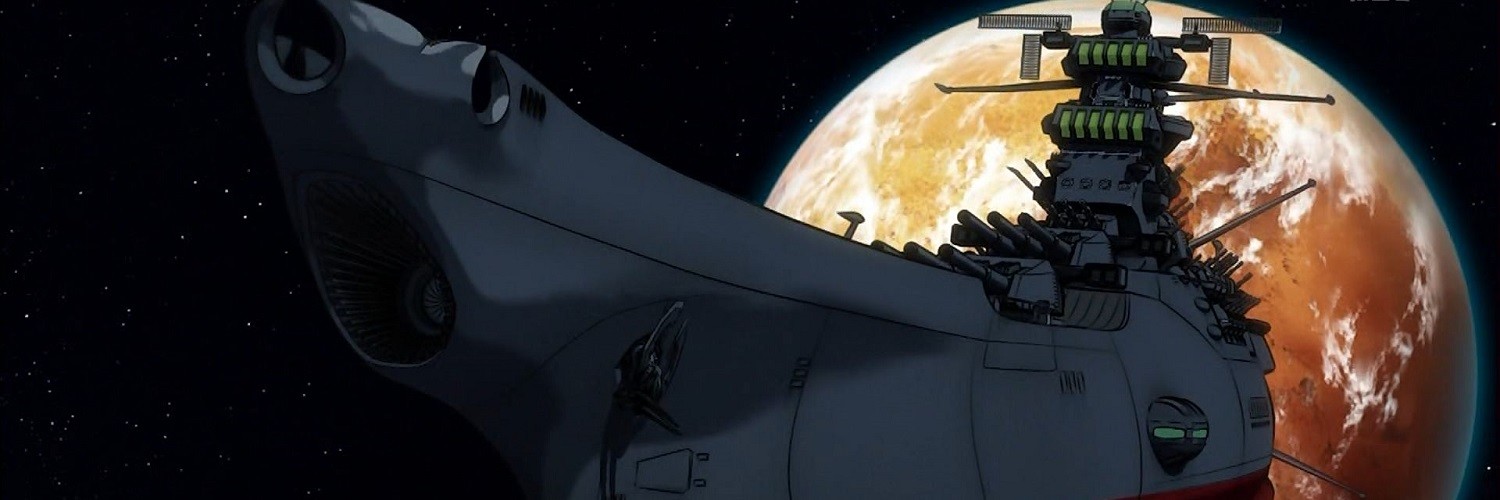
That’s the core feeling—melancholic resolve. Not despair, not hope-as-optimism, but hope as duty, worn thin like frayed wire. Star Blazers: Space Battleship Yamato 2199 doesn’t trade in galactic spectacle for its own sake. Its space isn’t infinite playground—it’s a cold, indifferent corridor between extinction and survival. The military structure isn’t about rank or glory; it’s the last scaffold holding human coherence together. The ensemble cast doesn’t banter—they breathe together, rationing air, grief, and silence with equal care. You don’t watch it to win. You watch it to endure alongside them, heart clenched, breath held, knowing every jump could be the last—and that the cost of survival isn’t just lives, but the slow erosion of who you were before the bombs fell.
That same emotional DNA pulses in EVE Online, where player reviews speak of “legendary space battles” unfolding across a “massive living universe of danger and opportunity.” Notice how it’s not power fantasy—it’s scale-as-weight: twenty years of emergent history, alliances forged and shattered, ships lost not in cutscenes but in real-time, unscripted void. A T2 Navy Megathron isn’t a weapon—it’s a ledger of time, trust, and sacrifice. Like the Yamato’s crew, EVE players navigate not just coordinates, but consequence. You don’t conquer space—you negotiate its indifference. The melancholy isn’t in loss alone, but in the sheer, quiet effort of maintaining meaning across light-years of silence.
Then there’s Warhammer® 40,000: Dawn of War® - Dark Crusade, where the description drops you “deep under the central desert of Kronus,” into “a vast honeycomb of skull-lined tunnels” housing an “awakening Necron menace.” That image—buried architecture, ancient bones repurposed as infrastructure, eons of slumber ending not with renewal but reawakening horror—mirrors Earth’s underground cities in 2199. Both are civilizations entombed, clinging to memory while the world above rots or burns. Player reviews call it “peak, 10/10” because it nails what it wants to be: unrelenting, tactile, morally claustrophobic. No clean victories—just survival measured in trenches dug, relics salvaged, and ground retaken at terrible cost. Like the Yamato’s journey, every mission feels less like conquest and more like reclamation of dignity, one blood-soaked kilometer at a time.
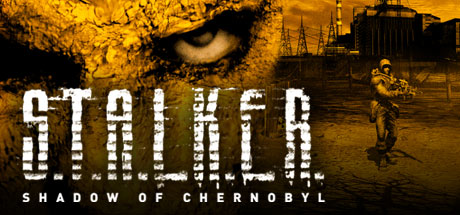
Even S.T.A.L.K.E.R.: Shadow of Chernobyl echoes this—not in starfields, but in atmosphere. Its Zone isn’t outer space, but it feels like it: a forbidden, irradiated expanse where physics glitch, anomalies warp reality, and every rustle could mean death—not from aliens, but from other S.T.A.L.K.E.R.s, from radiation sickness, from your own failing gear. The description says you fear “not only the radiation, anomalies and deadly creatures, but other S.T.A.L.K.E.R.s”—that layered dread, that sense of being watched and hunted and utterly alone, even in proximity to others? That’s the Yamato’s bridge during a Gamilos ambush: no HUD blips, no heroic music—just flickering lights, strained voices, and the awful, intimate sound of hull plating groaning under fire.
These aren’t matches based on lasers or spaceships alone. They’re bound by tone-as-compass: the weight of legacy, the exhaustion of persistence, the reverence for craft (a repaired engine, a salvaged rifle, a patched hull), and the profound loneliness of carrying civilization’s flame through absolute dark.
This pairing sings to the viewer who cries not at weddings, but at the sight of a damaged logbook entry signed by a dead comrade—or the player who spends hours calibrating a thruster array not for speed, but so their crew might live one more day. To the person who finds beauty in a half-repaired radar screen glowing faintly in the dark. To those who understand that courage isn’t the absence of fear—it’s the decision, made quietly, to turn the ship toward the unknown, even when the fuel gauge reads empty and the stars offer no answers—only distance.
🎮86 Games That Match the Vibe











Match Dimensions Explained
❓Frequently Asked Questions
Why does EVE Online keep coming up when I search for games like Star Blazers: Space Battleship Yamato 2199?
Because both lean hard into melancholic exploration and tactical space warfare — think Yamato’s lonely voyage across the void toward Iscandar, mirrored in EVE’s silent, high-stakes jumps through uncharted systems in a T2 Navy Raven. The grim weight of command, fleet coordination under pressure, and that haunting sense of scale? EVE nails it, especially in solo or small-gang PvP where every decision echoes like Captain Okita’s final orders.
Is there a Warhammer 40k game that captures Yamato 2199’s emotional weight and naval-scale combat?
Dawn of War: Dark Crusade comes closest — not with starships, but with its operatic, doomed grandeur and tactical fleet-like unit control. Picture the Necron awakening beneath Kronus’ desert sands as a dark mirror to Yamato’s descent into the Gamilas ruins: both are about ancient, tragic civilizations rising from slumber, and the game’s ‘peak, 10/10’ review nods to how tightly it commits to that solemn, war-torn atmosphere.
How does Tank Universal compare to S.T.A.L.K.E.R.: Shadow of Chernobyl for Yamato 2199 vibes?
Tank Universal leans into Yamato’s melancholic exploration — gliding your neon-lit tank across vast, empty Tron-inspired wastelands feels like navigating the Yamato’s bridge during a quiet deep-space transit, all glowing consoles and ambient hum. S.T.A.L.K.E.R., meanwhile, swaps ships for boots-on-ground dread: radiation fog, anomalous zones, and the ever-present fear of unseen threats echo the psychological tension of Yamato’s crew facing the unknown — like that chilling moment entering the Gatlantis asteroid field.
What’s the best game like Yamato 2199 if I want that somber, reflective mood with meaningful exploration?
Tank Universal is your quiet standout — it’s got that same hushed, awe-struck pacing as Yamato’s long voyages: no frantic HUDs, just you, your tank’s low thrum, and an endless sci-fi horizon stretching under alien skies. And if you crave deeper narrative weight alongside isolation, S.T.A.L.K.E.R.’s Zone delivers that same haunting stillness — where every rusted building or flickering anomaly feels like a relic whispering forgotten history, just like Yamato’s encounters with dead worlds.