Earth 2160
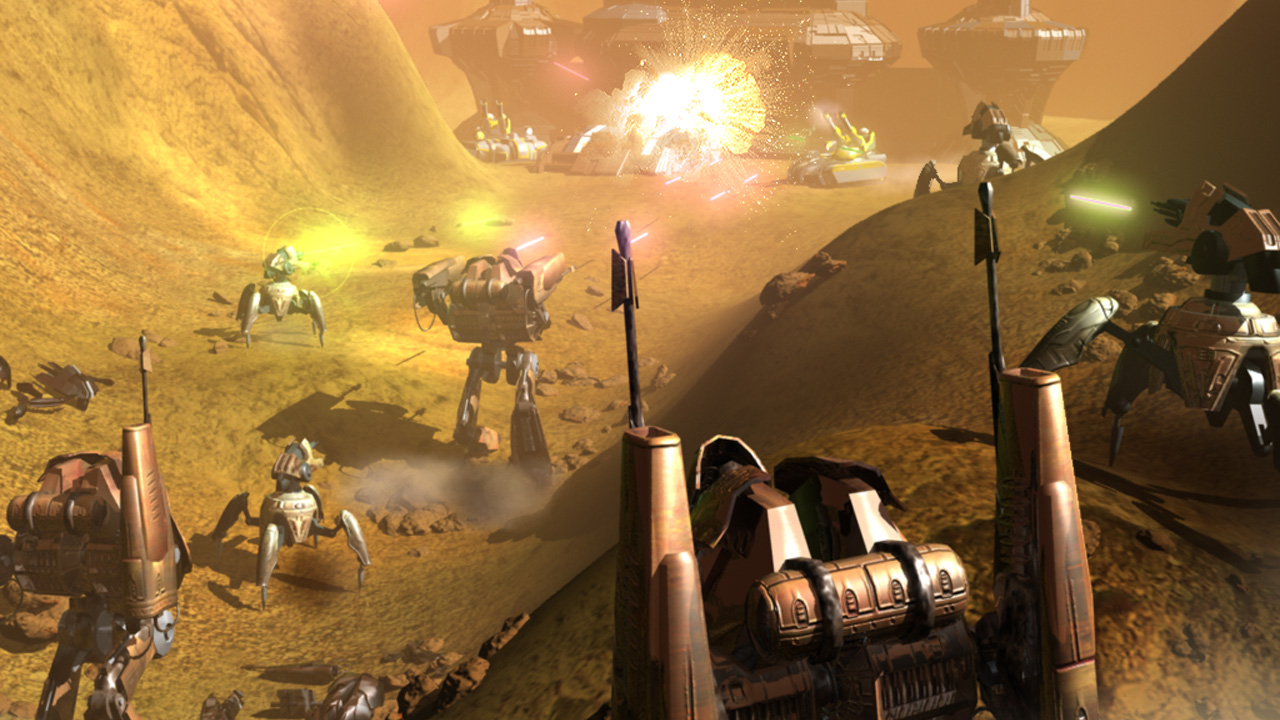
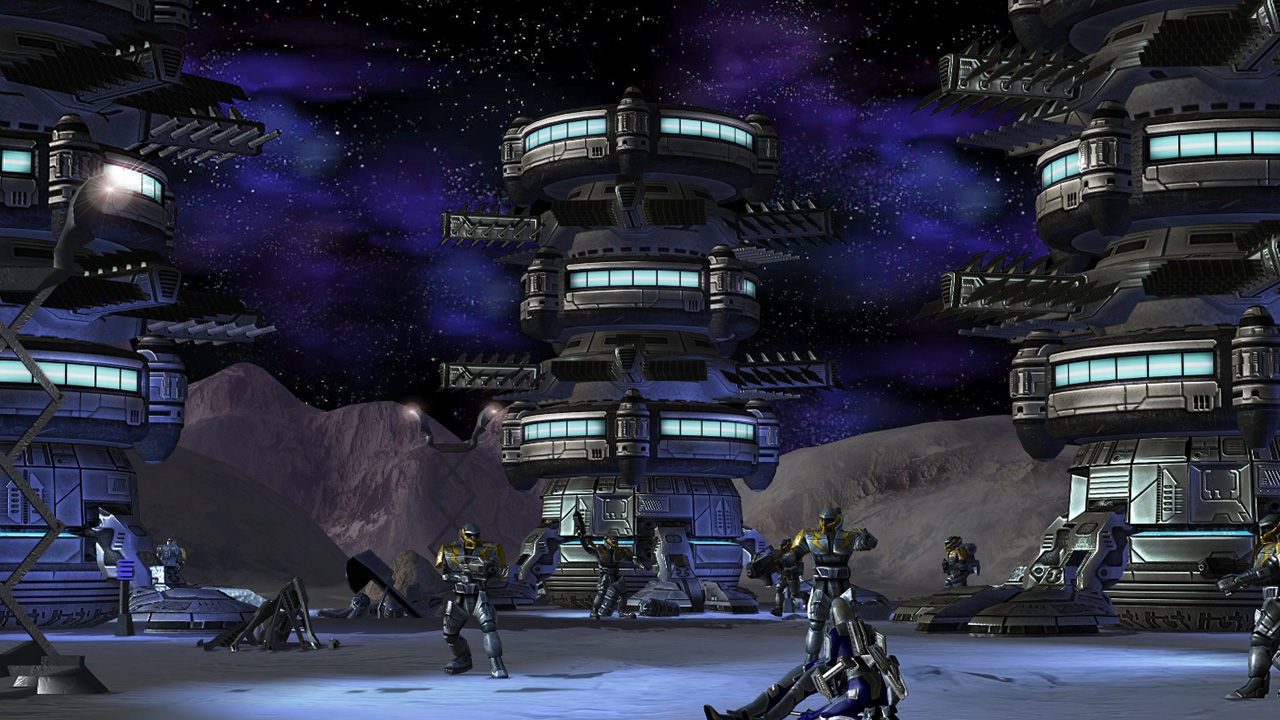
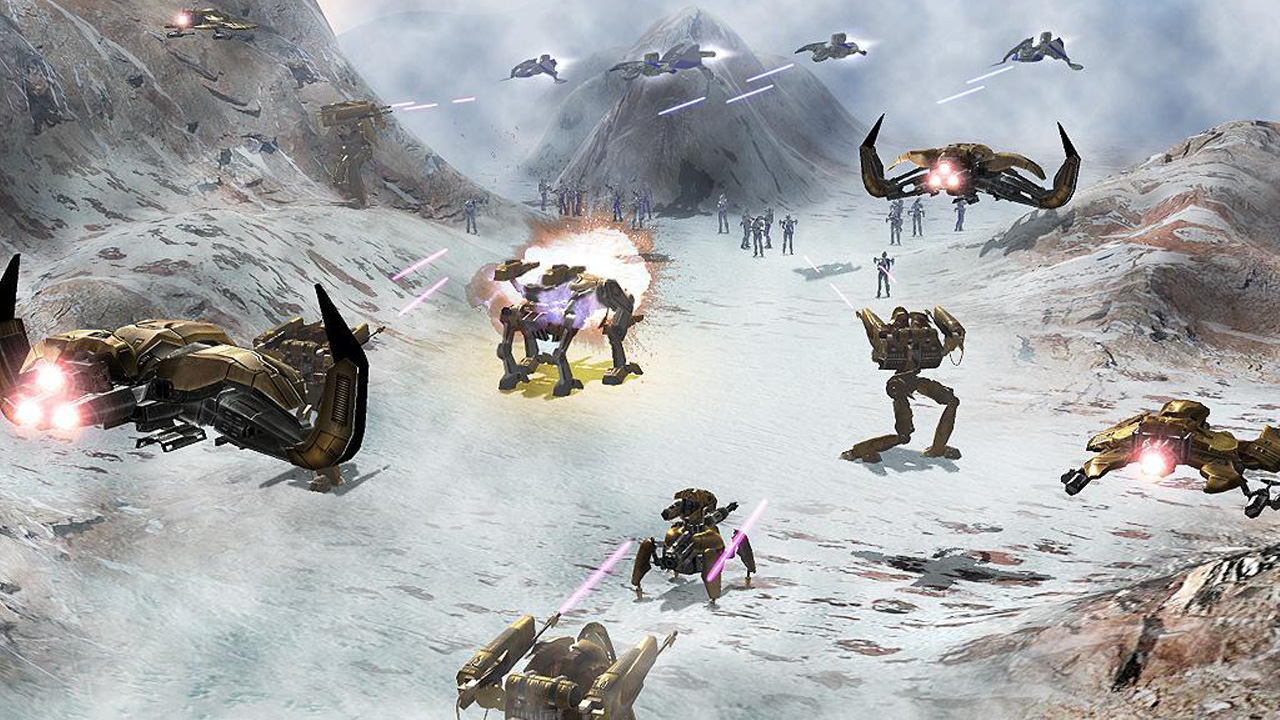
After the destruction of the EARTH in 2150, the leaders of the Eurasian Dynasty escaped on board an evacuation fleet. Now they are fighting for the survival of the human species. Their base is one large building comprising of smaller variable parts.
🎮Game Details
💬What Players Say
"good for collecting cards"
"good for collecting cards"
"Nice sequel to cyberpunk2077 I love"
📝Editorial Analysis
The hum of a single, massive structure breathing in the vacuum—cold metal plates shifting like ribs, corridors sealing and reopening as if the building itself were learning how to survive. That’s Earth 2160: not a planet, not even ruins—but one large building, assembled from smaller variable parts, floating where Earth used to be. The official description doesn’t mention cities or landscapes or battlefields; it names architecture as organism. And yet, three players—separate voices, same refrain—echo: “good for collecting cards…” Not “epic fleet combat,” not “haunting post-human grief,” just cards. Cards you hold, sort, trade, maybe lose. A tiny, tactile ritual against the scale of extinction.
That dissonance is the feeling: cosmic abandonment met with stubborn, almost absurd domesticity. You’re not rebuilding civilization—you’re rearranging modules inside a dying ark while quietly tucking away little rectangles of paper-thin data. It’s not despair, not hope—it’s resistance through routine. The evacuation fleet didn’t carry armies or archives; it carried leaders, and what they lead now is a structure that adapts like skin, breathes like lungs, but still needs you to organize its inventory. You think about legacy not as monuments or ideologies, but as what fits in your hand—a card, a module, a name on a roster that might vanish between saves. There’s no grand orchestral score here, no voiceover lamenting lost oceans—just the low thrum of systems staying online, and the soft shffft of a card sliding into place.
Final Fantasy VII: Advent Children resonates because both live inside the wound of planetary loss without romanticizing it. Midgar’s skeletal remains aren’t backdrops—they’re pressure points, places where gravity, memory, and malfunction collide. Like Earth 2160’s modular base, the city’s ruins are reconfigurable: bridges collapse and reform, towers lean and lock, surfaces fracture then seal. Both weaponize tactical warfare not as spectacle, but as maintenance—every shot fired, every spell cast, every unit deployed is less about victory and more about keeping the next breath possible. You don’t win the war—you keep the structure from forgetting how to breathe.
Redline shares that same Sci-Fi & Space grit, but flips the scale: where Earth 2160 contracts into one building, Redline explodes across neon-drenched planets—but both treat infrastructure like nervous tissue. The race tracks aren’t just circuits; they’re living grids, wired into the planet’s crust, humming with unstable energy. When a tire blows on Robo-Track or a coolant line ruptures in Earth 2160’s reactor wing, it’s not failure—it’s feedback. Both refuse clean futurism. Wires hang loose. Panels rattle. Everything is held together, not built. And both wear their Cyberpunk & Dystopia not as fashion, but as texture: oil-slicked light, flickering HUDs, the constant whisper that the system works only because someone just fixed it.
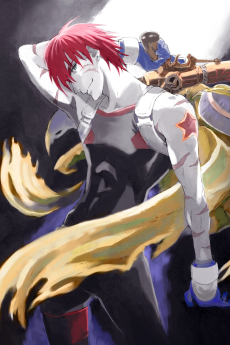
TRIGUN STAMPEDE, too, pulses with that same Tactical Warfare intimacy—battles measured in millimeters and milliseconds, where dodging isn’t heroism but hydraulic calibration. Vash doesn’t fight armies; he negotiates with collapsing buildings, redirects falling debris, talks down malfunctioning drones—all while his own body threatens to overload. Like Earth 2160’s leaders, he commands not through force, but adaptive presence: adjusting stance, rerouting power, choosing which module—the arm, the leg, the memory—to sacrifice now so the rest stays functional. The desert isn’t empty; it’s over-engineered, full of buried tech that groans when stepped on—just like Earth 2160’s base, which never feels static, only waiting to reinterpret itself.
This is for the person who replays the same 90-second cutscene in Advent Children just to watch the rain hit Midgar’s fractured dome—not for the lore, but for the sound of water finding new paths through broken concrete. For the one who pauses Redline mid-drift to stare at how the track’s glow reflects off a cracked visor, seeing two layers of distortion at once. For the viewer who watches TRIGUN STAMPEDE’s final act not for the explosion, but for the 0.3 seconds where Vash’s hand hovers over the trigger—not deciding to shoot, but deciding which part of himself to mute first. They don’t crave catharsis. They crave continuity. They collect cards not to win, but to prove something small can still be named, sorted, held—even as the last building in the sky reassembles its own ribs around them.
→120 Anime That Match the Vibe
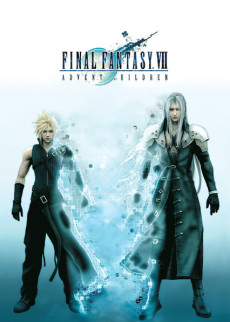
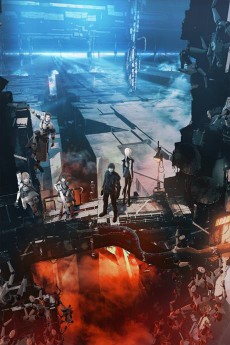
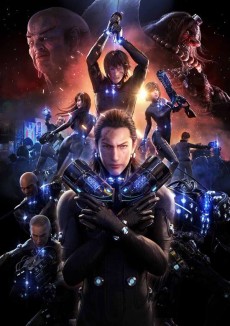
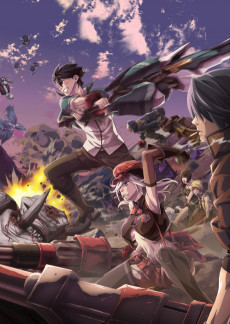
Eurasian Dynasty soldiers scan ruined cityscapes from orbital dropships—geo-stigma’s crimson lesions bloom across Cloud’s skin as Midgar’s skeletal remains loom. Unlike most sci-fi dystopias, both anchor existential dread in decaying infrastructure and biological fragility, merging 🚀 Sci-Fi & Space with 🌆 Cyberpunk & Dystopia through visceral, grounded collapse. That shared tension—between fleet-based survival and post-apocalyptic healing—makes their resonance startlingly intimate, not epic.

JP’s neon-drenched, gravity-defying crash through Redline’s desert canyon—tires sparking against irradiated sand—echoes the Eurasian Dynasty’s desperate fleet maneuvers through asteroid fields in Earth 2160. Where Earth 2160 frames survival as a grim, tactical scramble across decaying orbital habitats, Redline weaponizes that same 🌆 Cyberpunk & Dystopia aesthetic into pure, exhilarating velocity—turning scarcity and ruin into the track itself. It’s startling how both convert existential collapse into visceral, kinetic spectacle: one through RTS tension, the other through hand-drawn, frame-by-frame racing fury.

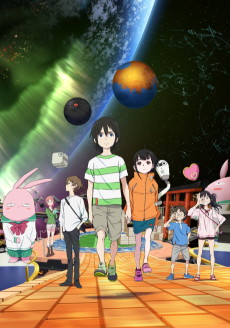
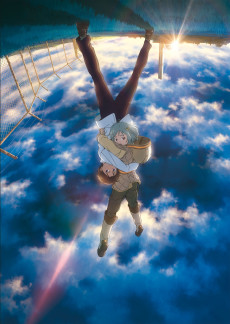
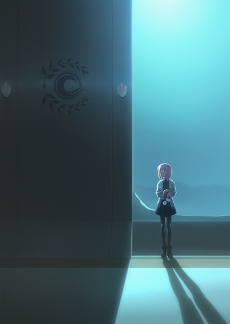
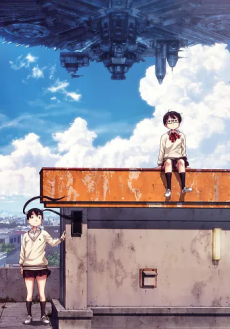
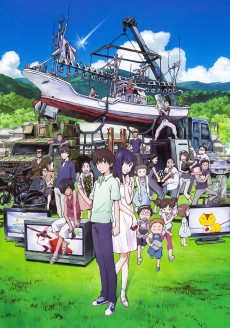
Eurasian Dynasty soldiers scan ruined orbital habitats while Kazane Hiyori’s clockwork angeloid whirs to life in a rain-slicked Tokyo alley—both worlds fuse cyberpunk & dystopia through decaying tech and fragile humanity. Unlike most sci-fi pairings, Earth 2160’s grim evacuation fleets and the movie’s melancholic time-loop tragedy share a quiet dread: survival isn’t conquest, but stewardship of broken things. That resonance feels surprising—cold strategy games and ecchi-tinged romance films converging on the same fragile hope.

Connected through 2 aesthetic dimensions.
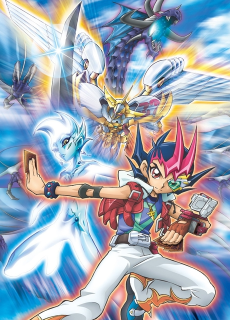
Connected through 2 aesthetic dimensions.
Connected through 4 aesthetic dimensions.
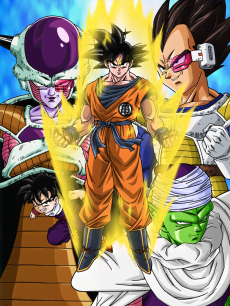
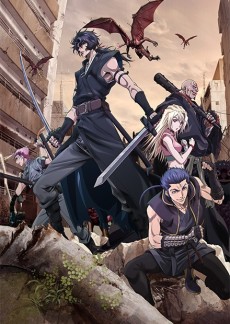
Eurasian Dynasty warships carve through asteroid fields under flickering neon-lit ruins of Luna Base—cyberpunk dystopia bleeds into Dragon Ball Z Kai’s Saiyan Saga, where Vegeta’s armor gleams with the same cold, industrial sheen as ED fleet hulls. Unlike most shonen remasters, Kai’s tighter pacing and muted color grading mirror Earth 2160’s grim, resource-scarce survivalism—not just sci-fi spectacle, but sci-fi *consequence*. That shared tension between crumbling civilization and desperate, tech-augmented hope makes their resonance startlingly coherent.

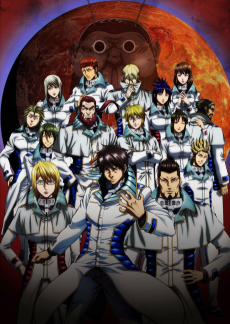
Vash’s sun-scorched desert duels in *TRIGUN STAMPEDE* echo Earth 2160’s ruined Eurasian Dynasty outposts—both frame survival as tactical scarcity amid crumbling megastructures. Unlike most dystopias fixated on urban decay, they fuse 🚀 Sci-Fi & Space with grounded, claustrophobic warfare: Vash’s restraint amid orbital bombardment echoes the Dynasty’s desperate fleet maneuvers against alien tech. That tension—between vast cosmic stakes and intimate, morally fraught firefights—makes their resonance unexpectedly humane.

Connected through 3 aesthetic dimensions.

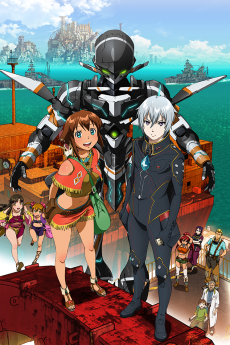
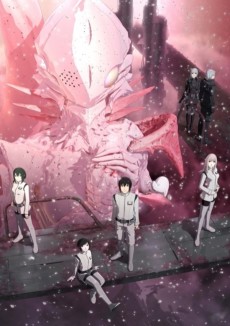
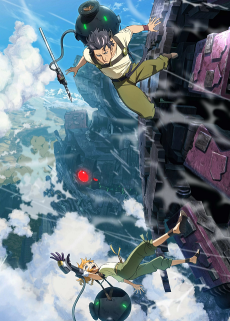
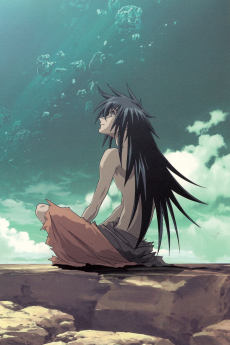
Simon’s trembling hand gripping the drill as he breaches the surface for the first time mirrors the Eurasian Dynasty’s desperate emergence from cryo-sleep aboard their fractured evacuation fleet—both moments ignite raw, defiant hope amid crushing dystopia. Where *Earth 2160* weaponizes survival through tactical warfare and resource-scarce crafting, *Gurren Lagann* transforms that same desperation into kinetic, almost spiritual rebellion against cosmic-scale oppression. This resonance isn’t just sci-fi spectacle; it’s how both works fuse **Survival & Crafting** with transcendent human will—turning drills, mecha, and dying starships into symbols of unbreakable ascent.




































































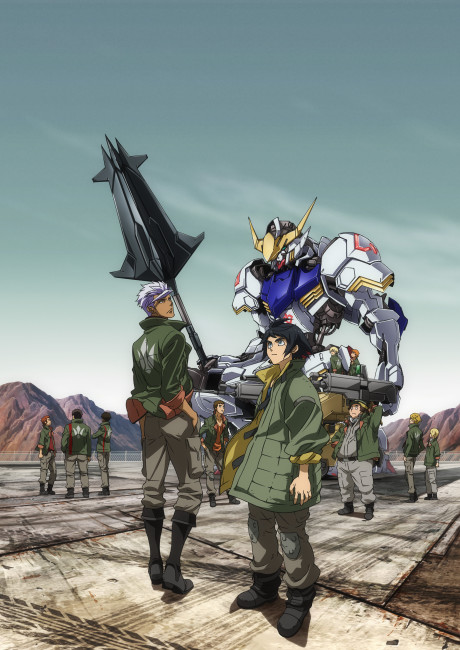


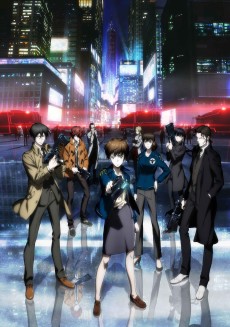

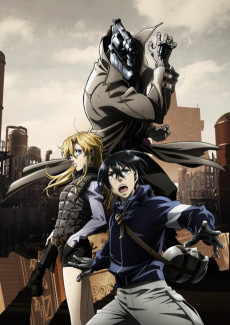


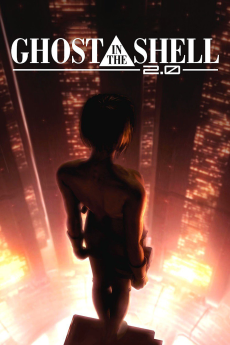


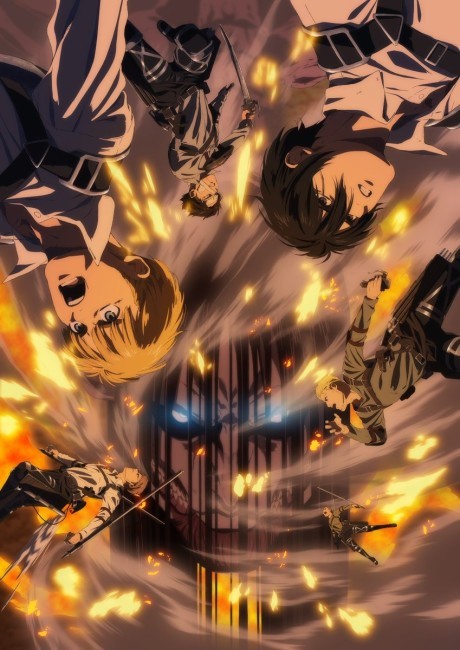
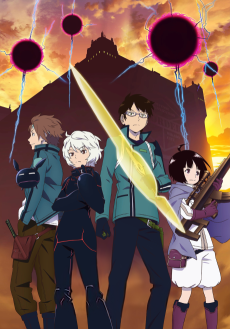



Match Dimensions Explained
❓Frequently Asked Questions
Why is TRIGUN STAMPEDE on the 'Anime Like Earth 2160' list when it’s not about space colonies?
Because both Earth 2160 and TRIGUN STAMPEDE share that gritty, resource-scarce dystopia where survival hinges on tactical choices — like Vash’s careful ammo management during the Gungnir siege in Episode 18, or how the ED’s base-as-modular-fortress mirrors July’s shifting city-fortresses. The shared ‘Cyberpunk & Dystopia’ + ‘Tactical Warfare’ dimensions make it a tonal match, even without zero-gravity battles.
Is there an anime adaptation of Earth 2160?
No — Earth 2160 is a real-time strategy game (not a visual novel or manga), and there’s never been an official anime adaptation. That said, fans often cite Final Fantasy VII: Advent Children as the *closest spiritual cousin*: think Cloud’s Buster Sword clashing against mechanized troops in Midgar’s ruined undercity — it nails the same blend of tactical warfare, sci-fi ruin, and desperate human resilience you get commanding the Eurasian Dynasty’s modular base.
How does Redline compare to Dragon Ball Z Kai for Earth 2160 vibes?
Redline leans harder into the ‘Sci-Fi & Space’ + ‘Cyberpunk & Dystopia’ feel — think Machine Head’s neon-drenched, gravity-defying race through orbital slums, where every corner hides surveillance drones and black-market tech. DBZ Kai delivers the scale and apocalyptic stakes (like Cell’s bio-mechanical horror in the Android Saga), but Redline’s world-building — all chrome, decay, and high-speed desperation — mirrors Earth 2160’s evacuation fleet aesthetic more tightly.
What’s the best anime like Earth 2160 if I want that ‘last-base-standing’ survival vibe?
Heaven’s Lost Property the Movie: The Angeloid of Clockwork — seriously! Watch the final act where Ikaros deploys her Chronos Core to stabilize the crumbling, clockwork-infused sky fortress while Nymph scrambles to reroute power across collapsing sectors. It’s got the same ‘one fragile, adaptive structure holding humanity together’ energy as the Eurasian Dynasty’s modular base — plus those haunting shots of orbital debris drifting past shattered domes, straight out of Earth 2160’s opening cutscene.