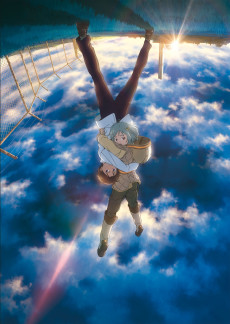
Patema Inverted
In an underground world where tunnels extend everywhere, even though they live in dark and confined spaces, people wear protective clothes and lead quiet and enjoyable lives. Patema, a princess in her underground village, loves to explore the tunnels. Her favorite place is a "danger zone" that her village prohibits people from entering. Even though she's scolded, Patema's curiosity can't be held back. No one ever explained what the supposed danger was. On her usual trip to the "danger zone," Patema faces unexpected events. When hidden secrets come to light, the story begins to unfold.
(Source: Anime News Network)
📺Anime Details
📝Editorial Analysis
The air in the tunnel is thick—not with dust, but with silence that hums. Patema’s fingers brush cold, riveted metal as she crouches beneath a rusted archway marked with faded warning glyphs. Her breath fogs slightly in the dim bioluminescent glow; her boots echo too loudly on the grating. She isn’t afraid—not of the dark, not of the tightness—but of what she doesn’t know. That quiet dread isn’t about monsters or traps. It’s the weight of a world that built walls around questions, then called them “danger zones.”
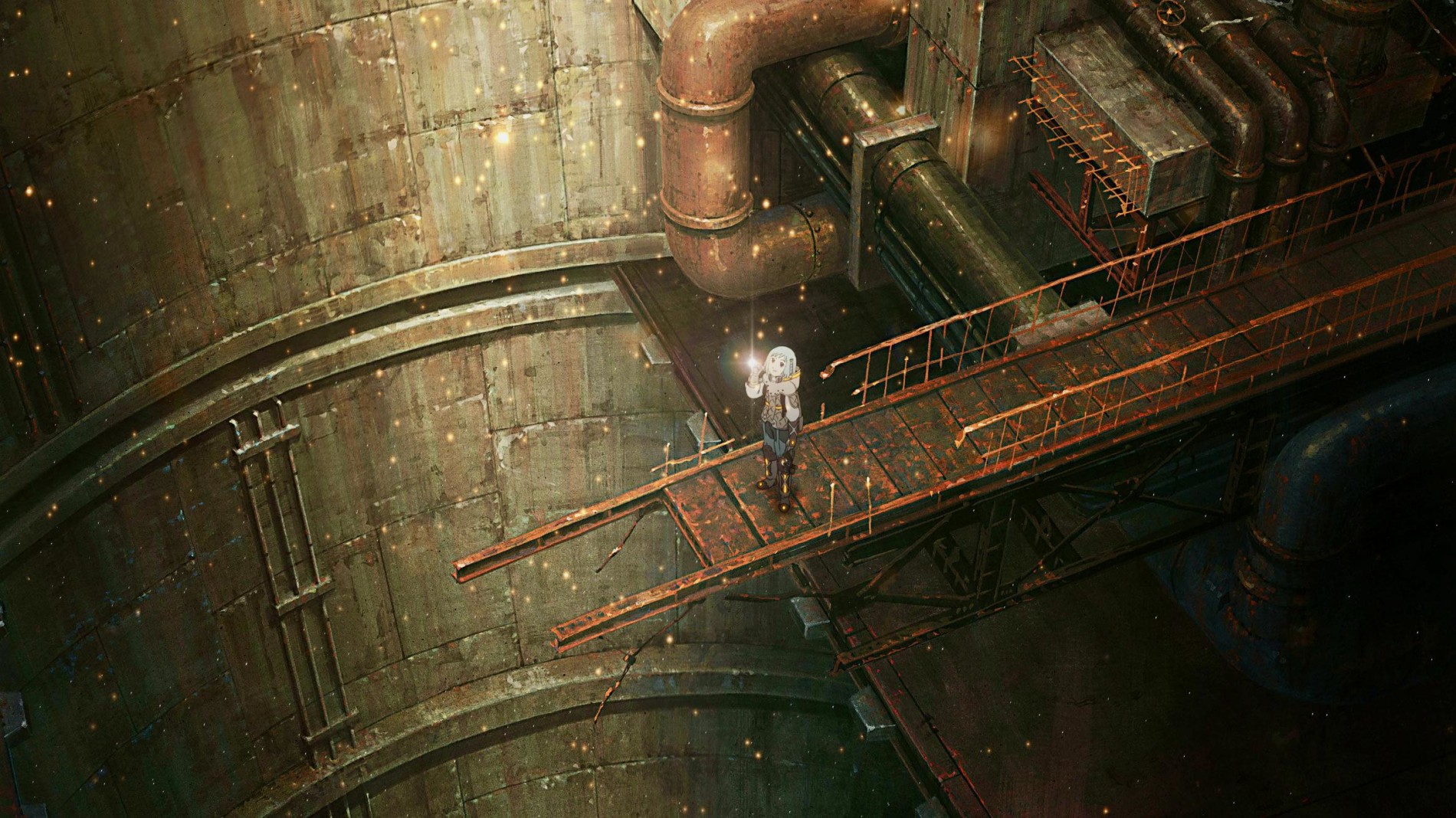
This isn’t dystopia as spectacle. There are no crumbling megacities here, no neon-lit riots—just soft light, gentle steam hissing from copper pipes, and people who’ve learned to love their ceilings. The horror isn’t loud—it’s muted: the way elders glance at the ceiling when Patema asks why gravity bends up for them, the way her father’s voice catches just once before saying, “Some doors aren’t meant to open.” The atmosphere lives in the gap between safety and curiosity, between care and control. It makes you feel tenderly trapped, like your own wonder is both sacred and suspect. You don’t fear the world breaking—you fear it staying exactly as it is, sealed, soft, and suffocatingly kind.
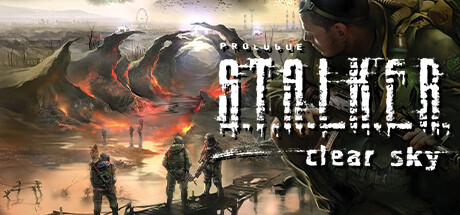
S.T.A.L.K.E.R.: Shadow of Chernobyl shares that same hushed tension—the way danger isn’t announced but breathed. Its Zone isn’t just radioactive; it’s unexplained, layered with whispers, half-remembered logs, and anomalies that defy logic—like gravity itself twisting in pockets of air. The player review says: “you fear not only the radiation, anomalies and deadly creatures, but other S.T.A.L.K.E.R.s”—and that’s the key. Like Patema’s village, the Zone breeds caution not through tyranny, but through accumulated, unspoken trauma. No one hands you a dossier on why the red forest glows wrong. You learn by stepping, flinching, surviving—and realizing the real threat isn’t the anomaly ahead, but the story you’re not being told behind you. Both worlds treat mystery as architecture.
Dreamfall: The Longest Journey resonates in its emotional pacing—how it lets drama breathe. The player review nails it: “It's less a long journey than a long drama. And somehow, the drama is compelling enough that you keep watching scene after scene…” That’s Patema’s heartbeat. Not action, but the slow unfurling of trust between two people who literally stand on opposite sides of physics—whose first real conversation happens while clinging to each other mid-air, terrified and exhilarated, neither sure which way is down. Dreamfall doesn’t rush its heartbreak or its hope; it lingers in glances, silences, the weight of a choice made not for victory, but for recognition. Both works understand that love in a broken world isn’t grand declarations—it’s holding someone’s hand while the ground dissolves beneath you, and choosing to fall together.
Space Trader: Merchant Marine, at first glance, seems absurdly mismatched—until you read its description: “an open world trading colony sim wrapped in a shooter”, where you survive via “shrewd trades, back alley deals, bribes, and well-placed bullet.” Its player review calls it “a funny little game… where you try to do some mini fetch quests.” That tonal duality—playful surface, systemic unease underneath—is pure Patema. Her world wears steampunk charm like a coat: brass gauges, whirring lifts, warm lantern-light. But beneath? Scarcity, surveillance disguised as care, history scrubbed clean. Space Trader’s humor isn’t escapism—it’s armor. Just like Patema’s cheerful defiance (“I’ll just peek this time!”) isn’t naivety, but quiet resistance dressed as curiosity. Both use lightness to hold darkness at arm’s length—never denying it, just refusing to let it define the whole frame.
This pairing isn’t for fans of lore-dumps or power fantasies. It’s for the person who watches Patema press her palm against the forbidden hatch and feels that pulse—not of rebellion, but of recognition. It’s for the player who walks the Zone’s foggy edges not to conquer, but to listen; who replays Dreamfall’s train station scene because April’s voice cracks just so when she says “I remember”; who smiles wryly at Space Trader’s janky charm while quietly noting how every “deal” hides a cost. They’re drawn to stories where the most radical act isn’t fighting—it’s leaning in, asking one more question, reaching across an impossible divide—and trusting that gravity, however inverted, might just hold you both.
🎮34 Games That Match the Vibe









Match Dimensions Explained
❓Frequently Asked Questions
Why does S.T.A.L.K.E.R.: Shadow of Chernobyl keep showing up in 'Games Like Patema Inverted' lists?
Because both dive deep into oppressive, rule-bending worlds where physics and perception feel *wrong*—like Patema’s inverted gravity, the Zone’s reality-warping anomalies (e.g., ‘meat grinder’ fields that shred you mid-air) force constant spatial recalibration. Plus, like Patema’s silent tension between two fractured societies, S.T.A.L.K.E.R.’s factions—the Duty, Freedom, Monolith—mirror that same claustrophobic ideological gravity pull.
Is there a Patema Inverted video game adaptation?
Nope—there’s never been an official game adaptation of Patema Inverted. But fans often reach for Dreamfall: The Longest Journey when they want that same blend of parallel worlds, quiet emotional weight, and dystopian contrast—like Zoë’s journey between the tech-saturated, rain-slicked city of Casablanca and the mythic, fading realm of Arcadia.
How is Chains different from Dreamfall: The Longest Journey if both are on 'Games Like Patema Inverted' lists?
Totally different vibes: Chains is a chill, physics-driven match-3 game where you link colored bubbles to clear stages—think tactile, meditative puzzle flow, not narrative depth. Dreamfall, meanwhile, is all about layered dialogue, character-driven drama (Zoë, Kian, Crow), and that same haunting duality Patema explores—just with point-and-click pacing and cinematic cutscenes instead of bubble chains.
What’s the best 'Patema Inverted'-like game if I want that lonely, awe-struck feeling of exploring a broken world alone?
RAGE nails that vibe—especially early on, driving your dune buggy across the irradiated wastelands of the Wasteland, spotting crumbling megacities like Wellspring through dust storms. It’s not as emotionally intimate as Patema, but that sense of being a tiny, curious outsider in a vast, hostile, visually staggering world? Yeah—that’s RAGE’s sweet spot, especially before the story kicks into gear.