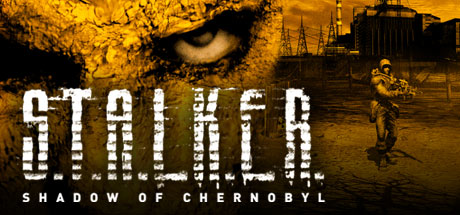
S.T.A.L.K.E.R.: Shadow of Chernobyl
S.T.A.L.K.E.R.: Shadow of Chernobyl tells a story about survival in the Zone – a very dangerous place, where you fear not only the radiation, anomalies and deadly creatures, but other S.T.A.L.K.E.R.s, who have their own goals and wishes.
🎮Game Details
💬What Players Say
"Would have never thought that I'd enjoy a shooter so much The story is also really good, I'm intrigued in the whole thing The map is big and beautiful but dangerous and full of enemies I really like that I don't have to do everything alone like in many other games, the world feels alive with all the characters wandering around and doing their thing In the zone we help each other to survive And, to my surprise, the enemies aren't that hard to kill - I'm really not good at shooting but even I can manage Why did I wait so long playing this?"
"Maybe my new favorite game of all time. S.T...."
"Welcome to the zone, Stalker. The first of the original stalker trilogy. Followed by Clear Sky and Call Of Pripyat...."
📝Editorial Analysis
The wind howls through the rusted skeleton of a Soviet-era radio tower, carrying the faint, metallic tang of ozone and something older—something wrong. You crouch behind a collapsed concrete slab, breath shallow, watching your Geiger counter flicker erratically. Not from radiation alone—but because the air itself bends nearby, shimmering like heat haze over asphalt, then snapping into a violet ripple as an invisible force tears a trench in the dirt three meters left. You didn’t see the anomaly. You felt it—before your eyes registered the distortion, before your HUD screamed warning. That’s the Zone: not a map to conquer, but a living, indifferent wound you’re trying not to bleed into. As one player put it: “The map is big and beautiful but dangerous and full of enemies.” Another called it “the more depressing Ukrainian version of Fallout”—but that misses the quiet, suffocating weight of it. This isn’t post-apocalypse as spectacle. It’s post-silence: the hum of dead reactors, the groan of warped steel, the way your footsteps echo too loudly in an abandoned kindergarten classroom where chalk dust still hangs in slanted light.
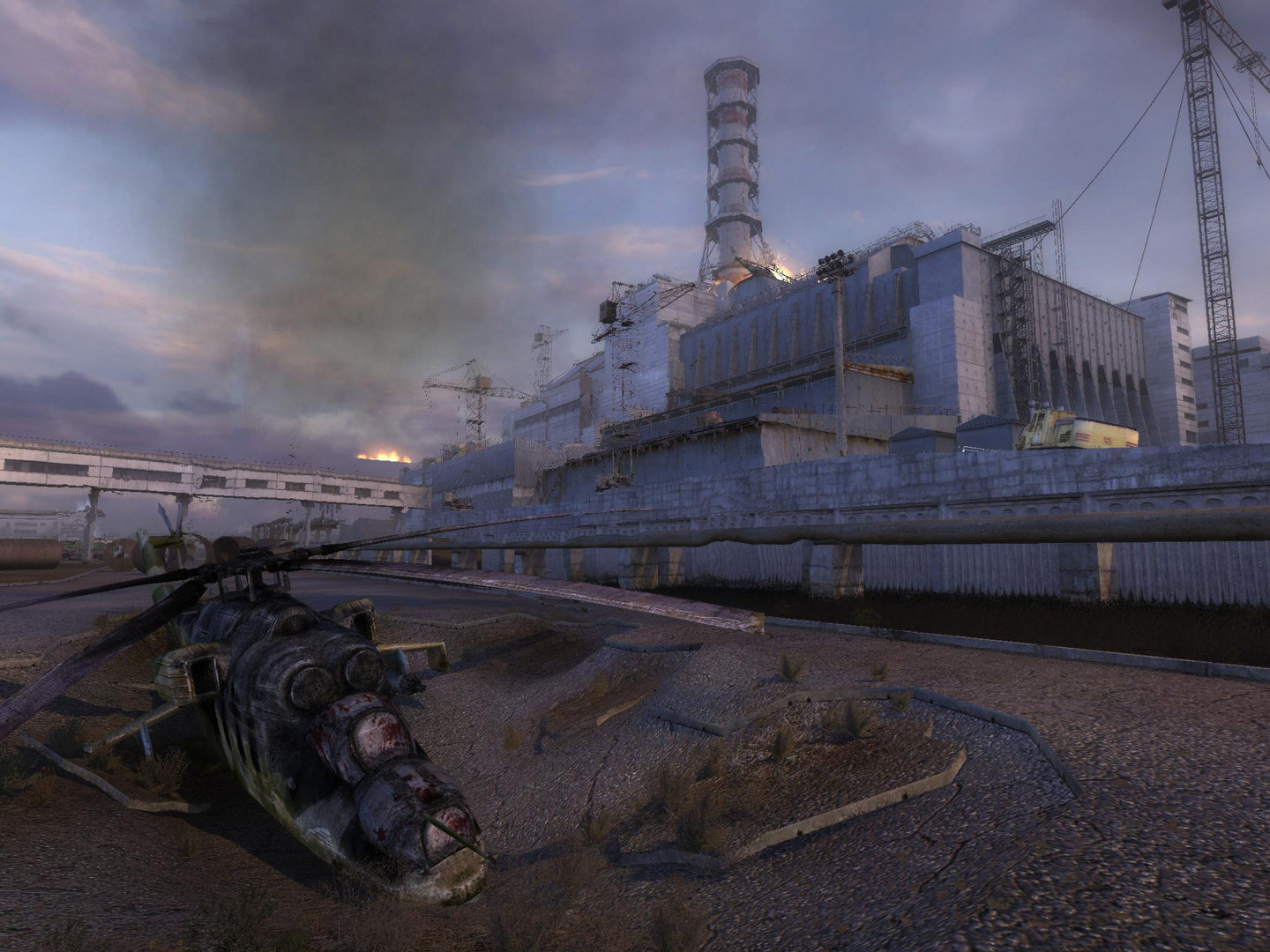
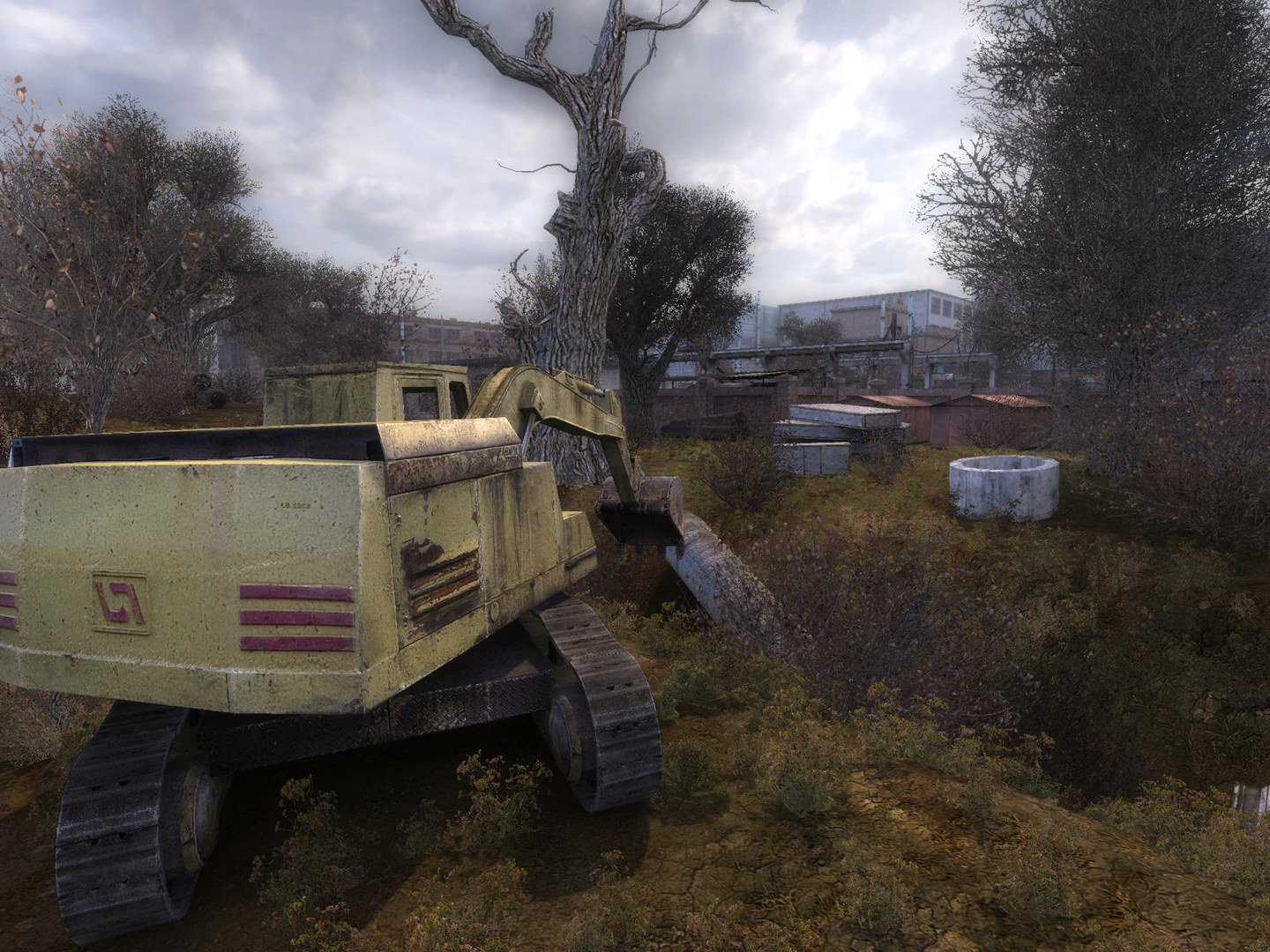
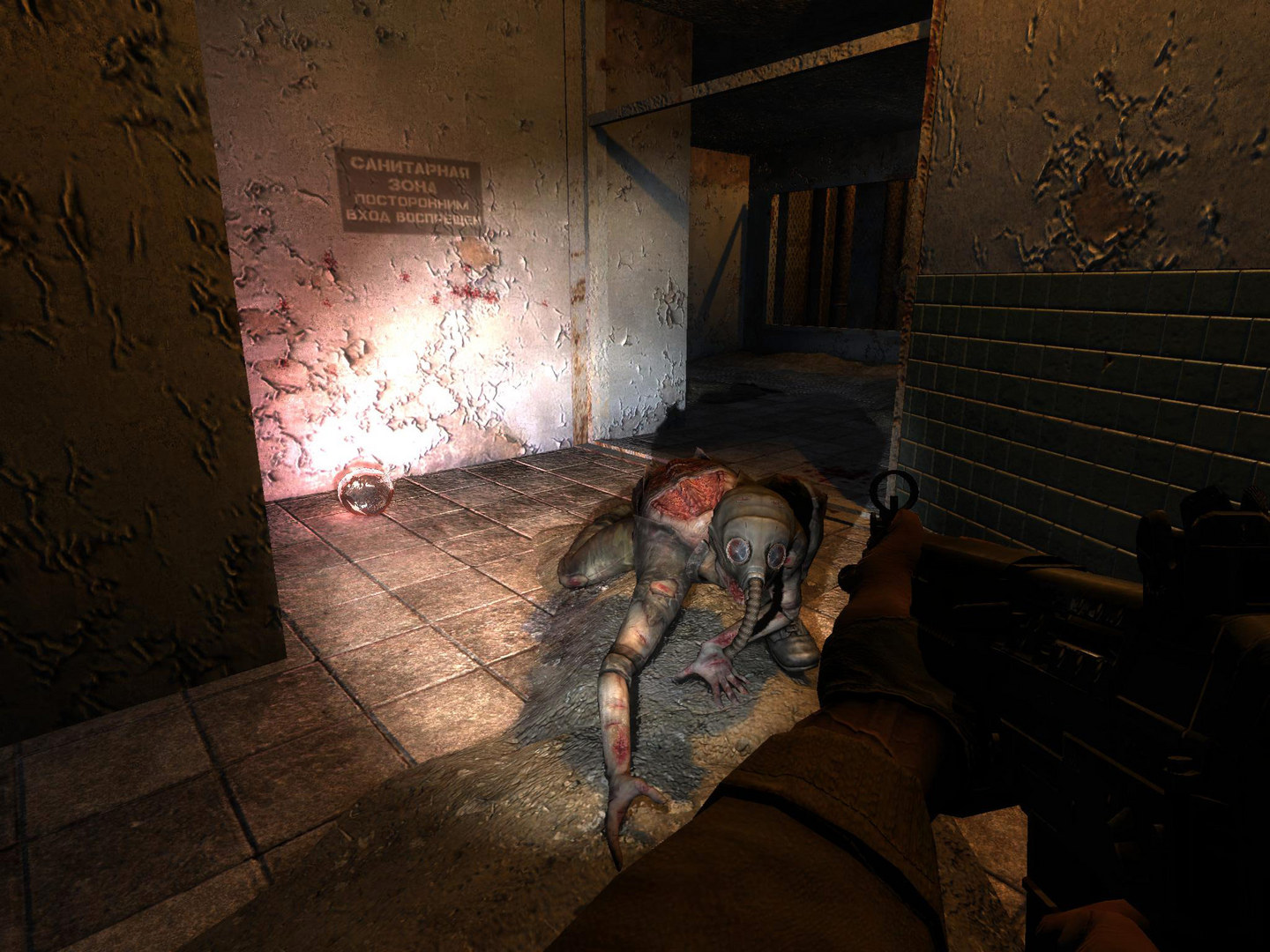
What makes S.T.A.L.K.E.R.: Shadow of Chernobyl’s atmosphere unique isn’t its anomalies or mutants—it’s the dread of proximity. Not fear of death, exactly, but fear of misreading the world. A puddle might be water—or a gravitational sink. A birdcall might mean life—or a lure. The Zone doesn’t announce its rules; it withholds them, then punishes assumption. You learn by near-misses, by listening to distant gunfire fade into static, by watching other S.T.A.L.K.E.R.s vanish mid-sentence over radio. There’s no tutorial for dread. Just the slow dawning, as one reviewer said, that “you fear not only the radiation, anomalies and deadly creatures, but other S.T.A.L.K.E.R.s, who have their own goals and wishes.” That’s the emotional core: profound isolation, wrapped in shared, unspoken exhaustion. You’re not a hero. You’re a scavenger breathing too loud in a cathedral of collapse.
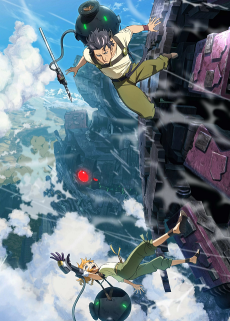
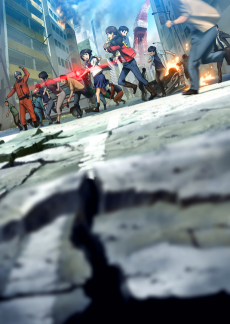
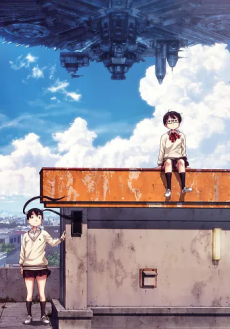
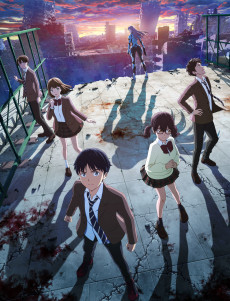
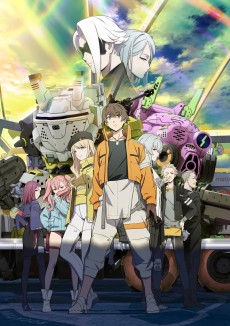
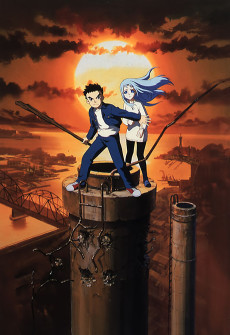
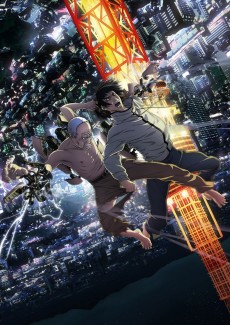
That same hushed, tactile despair lives in Fire Force Season 3, where Tokyo isn’t ruined by bombs—but unraveling, molecule by molecule, under the weight of inherited trauma and unstable physics. The city isn’t just dystopian; it’s geologically unsound, its streets cracking open with the same eerie indifference as the Zone’s spatial rifts. Both demand constant environmental reading—not just “where’s the enemy?” but “where does reality thin?” Likewise, Patema Inverted traps its characters in inverted gravity fields where up is down and trust is a liability—mirroring the Zone’s betrayal of intuition. When Patema floats upward into a crumbling skyway while her companion clings to a ceiling that feels like floor, it’s the same vertigo as stepping onto a patch of “Fuzz” anomaly and watching your boots dissolve before your brain catches up. And Planetarian—that fragile, rain-slicked story of a lone girl tending a ruined planetarium—shares the game’s reverence for stillness as resistance. Her quiet rituals among broken projectors and decaying star charts echo the player’s ritualistic checking of radiation levels, cleaning weapons in silence, listening to cassette tapes in an abandoned watchtower: small, human acts of continuity inside a world that has already ended.
This pairing speaks to someone who doesn’t crave control—but resonance. Someone who finds beauty in decay not as aesthetic, but as testimony: the peeling paint on a Pripyat apartment block, the frayed wiring in Planetarian’s dome, the cracked lens of Patema’s goggles. They love games and anime where survival isn’t about winning—but about witnessing, about holding space for memory in places that erase it. They’re the ones who pause mid-fight in S.T.A.L.K.E.R. to watch mist coil around a half-submerged Ferris wheel, or rewatch Fire Force’s silent shots of ash falling like snow over fractured neon. They don’t want hope served neat. They want it earned, grainy, trembling—like a radio transmission cutting through static, just long enough to remind you: someone else is still breathing.
→152 Anime That Match the Vibe

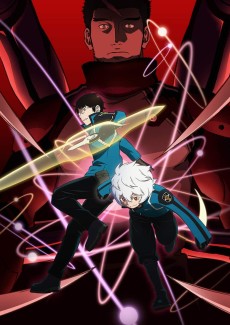
The Zone’s fog-choked ruins and Fire Force Season 3’s crumbling Neo Kyoto share a visceral, tactile dread—where every cracked pavement and flickering neon sign pulses with unstable energy. Unlike most dystopias that privilege sleek tech or bureaucratic control, both anchor their tension in *Survival & Crafting*: Shinra jury-rigging flame-resistant gear mid-battle mirrors your frantic scavenging for anti-rad meds while evading bloodsuckers near the Jupiter Plant. That raw, grime-flecked vulnerability—radiation burns and spontaneous human combustion alike—makes their cyberpunk decay feel terrifyingly intimate.
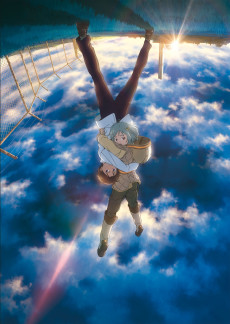
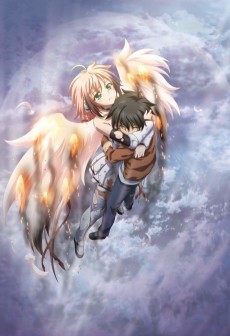
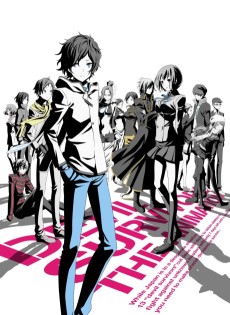
Patema’s first breath of open sky—wind, light, gravity reversed—mirrors the S.T.A.L.K.E.R.’s trembling step into the Chernobyl Exclusion Zone’s radioactive dawn. Both immerse us in claustrophobic, rule-bent worlds where survival hinges on reading invisible threats: anomalies humming beneath cracked asphalt, or inverted physics warping every leap and fall. This shared **Survival & Crafting** logic—scavenging gear, mapping lethal spaces, trusting fragile human bonds amid systemic collapse—makes their resonance deeply tactile, not just thematic.
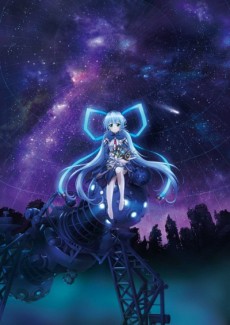
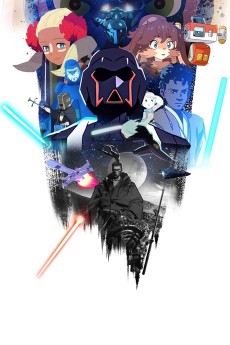
Hoshino Yumemi’s quiet, dust-choked planetarium—where she recites star lore to an empty dome for thirty years—echoes the Zone’s hollow grandeur: abandoned Soviet infrastructure draped in decay, where meaning persists only through stubborn ritual. Unlike most dystopias fixated on collapse, both works root their cyberpunk & dystopia in tender, fragile continuity—Yumemi’s unwavering hospitality mirrors the Stalker’s solitary trek through irradiated ruins, each act a quiet rebellion against entropy. This resonance feels startlingly intimate: survival isn’t about winning, but preserving grace amid irreversible loss.
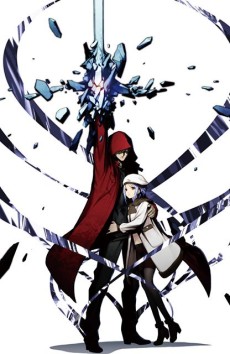
Both dive into neon-soaked futures where technology blurs the line between human and machine.
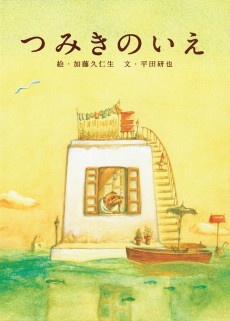
Both dive into neon-soaked futures where technology blurs the line between human and machine.

Both dive into neon-soaked futures where technology blurs the line between human and machine.
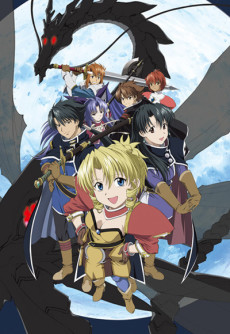
Both dive into neon-soaked futures where technology blurs the line between human and machine.

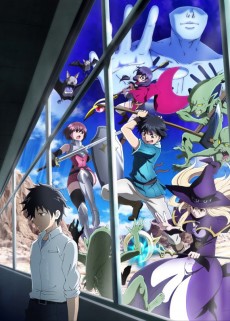
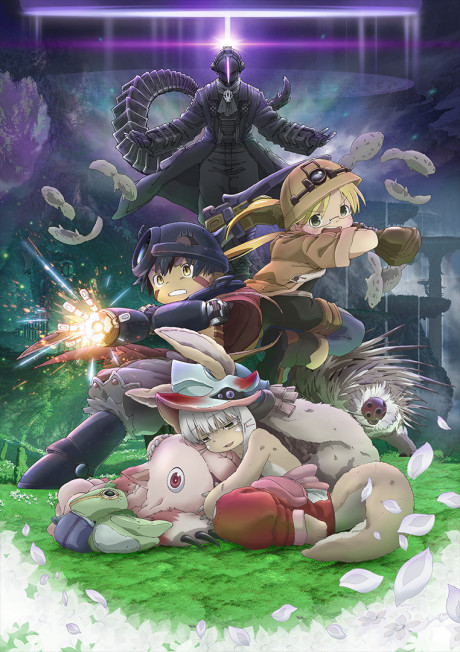
Both drown in irradiated, liminal decay—S.T.A.L.K.E.R.’s abandoned Pripyat apartment blocks echo No Game, No Life Zero’s hollowed-out, gravity-defying ruins of Elkia, where shattered skyscrapers tilt over silent, ash-choked plazas. Their dystopias aren’t just broken worlds but *breathing* ones: the Zone’s anomalous distortions mirror the fractured spacetime of Elkia’s war-torn reality, where su...

Both dive into neon-soaked futures where technology blurs the line between human and machine.

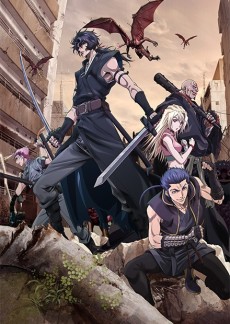
Leo Demonhart’s weary shrug as villagers slam doors—mirroring the Zone’s abandoned buildings where every creak hides betrayal—reveals how both works weaponize distrust in hostile worlds. Unlike most fantasy fare, *I’m Quitting Heroing*’s bureaucratic disdain for heroes parallels *S.T.A.L.K.E.R.*’s anarchic survival: crafting gear isn’t prep—it’s defiance against systems that discard you. This resonance in **Survival & Crafting** feels startlingly intimate: one man patches armor while another mends his dignity, both in ruins nobody else wants to enter.




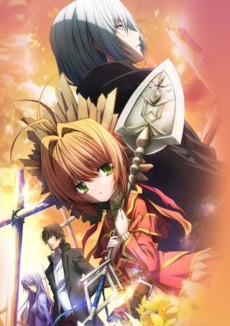
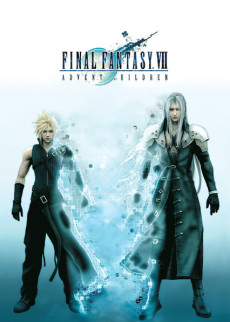
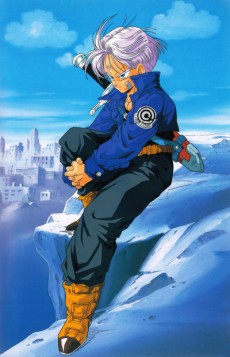
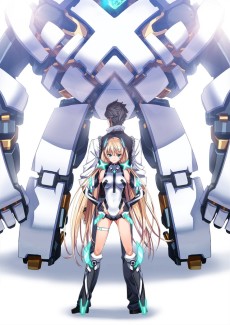

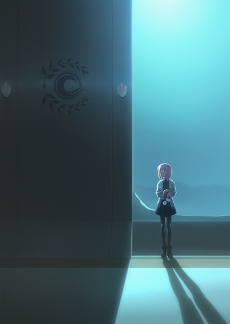
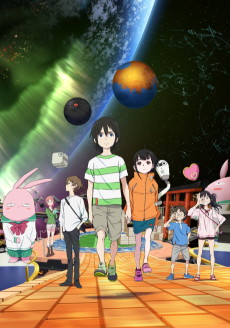













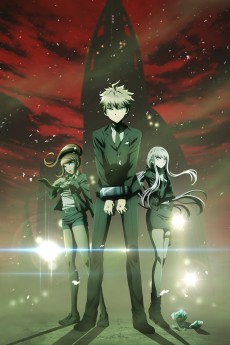




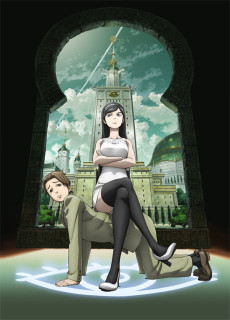
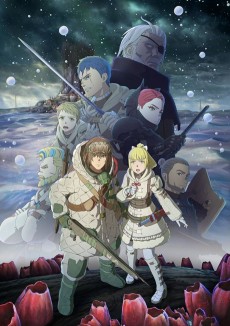


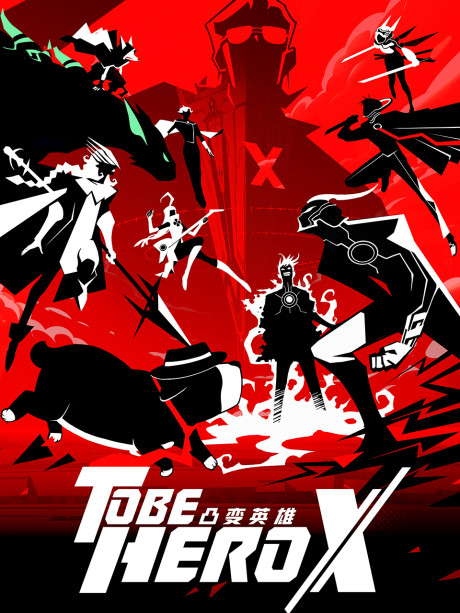


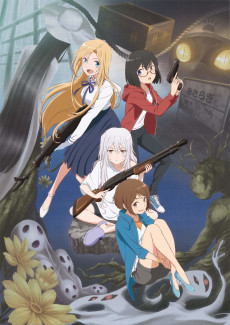





![Fate/stay night [Heaven’s Feel] III. spring song](https://s4.anilist.co/file/anilistcdn/media/anime/cover/large/bx21719-MSdTlkno0Z0u.jpg)


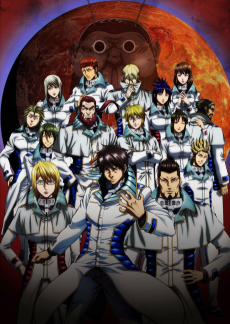



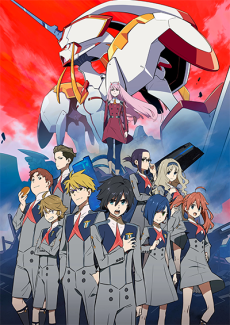
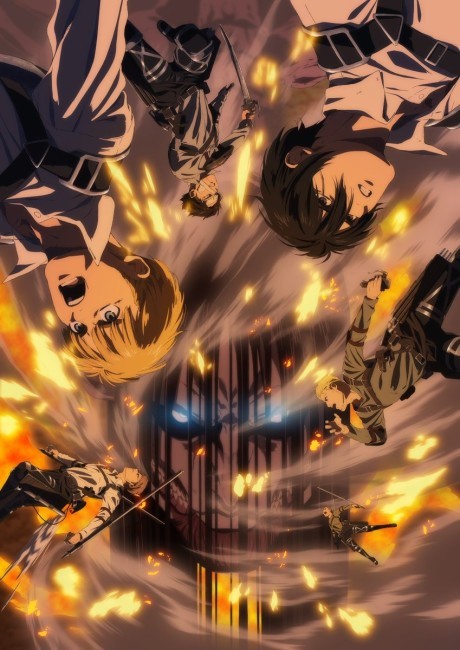


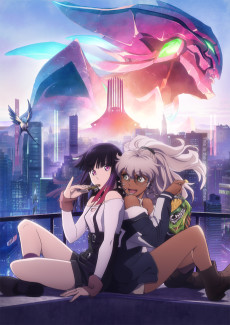
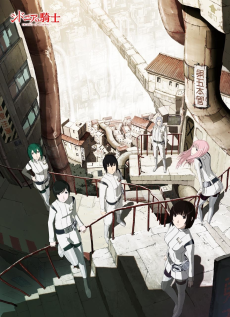
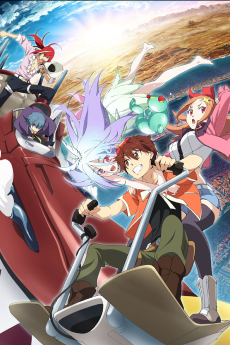
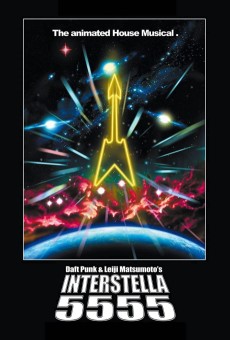

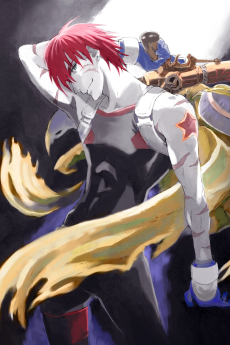


















![Fate/stay night [Heaven's Feel] II. lost butterfly](https://s4.anilist.co/file/anilistcdn/media/anime/cover/large/bx21718-Hjj26Sapx1bd.jpg)
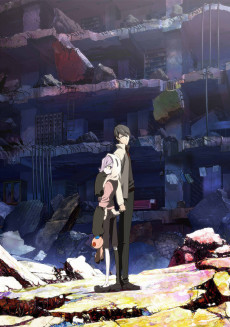

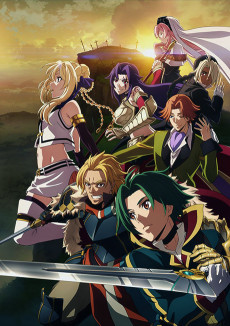
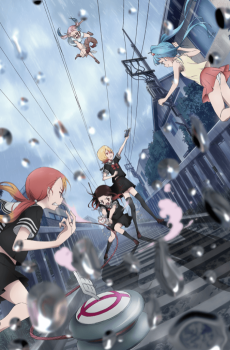
Match Dimensions Explained
❓Frequently Asked Questions
Why is Fire Force Season 3 considered similar to S.T.A.L.K.E.R.: Shadow of Chernobyl?
Because both drop you into a decaying, irradiated wasteland where survival hinges on scavenging gear, reading environmental threats (like Fire Force’s spontaneous human combustion zones vs. the Zone’s gravitational anomalies), and navigating morally gray factions — think Shinra’s uneasy alliance with the 5th Division mirroring your tense standoffs with Loners or Duty in Pripyat’s ruins.
Is there an anime adaptation of S.T.A.L.K.E.R.: Shadow of Chernobyl?
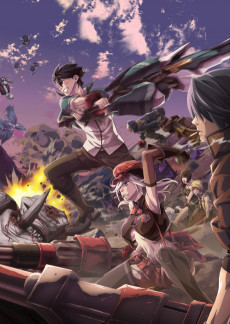
No official anime adaptation exists — the game remains unadapted in that medium. But if you’re craving that same oppressive Zone atmosphere, God Eater nails the vibe: Aragami hunting in ruined cities, radiation-scarred landscapes like the ‘Cursed Zone’, and squad-based tension where one wrong move near a G-rav field or mutated Ogrefish gets you wiped out fast.
How does Patema Inverted compare to Planetarian for S.T.A.L.K.E.R. fans?
Patema Inverted leans harder into environmental mystery and vertical survival — like navigating inverted gravity zones instead of Chernobyl’s anomaly fields — while Planetarian matches S.T.A.L.K.E.R.’s quiet dread: think Jun’s lone journey through a silent, overgrown, post-apocalyptic city, scavenging batteries and avoiding rusted war machines just like you’d skirt a Vortex or Bloodsucker nest near the Jupiter factory.
What’s the best anime like S.T.A.L.K.E.R. for that lonely, atmospheric survival vibe?
Planetarian — hands down. It captures the same haunting stillness and resource-scarce tension: Jun wandering empty metro tunnels and abandoned arcades, rationing power cells like you’d hoard medkits and vodka in the Cordon, all while the world feels permanently broken and eerily beautiful — exactly like stumbling upon the abandoned Pripyat school at dusk, static crackling on your radio.