
NIPPON SANGOKU: The Three Nations of the Crimson Sun
📺Anime Details
📝Editorial Analysis
The dust doesn’t settle. It hangs—thick, rust-red, and metallic—inside the cracked dome of Kyoto-7’s ruined parliament hall, catching the low, flickering light of emergency LEDs as the protagonist kneels beside a fallen comrade whose armor bears the faded insignia of the Shikoku Accord. His breath fogs in the subzero air leaking through the fractured vault; his gloved hand hovers over the dead man’s wrist, not checking for a pulse, but tracing the engraved name beneath the grime. No music swells. No flashbacks interrupt. Just that suspended second where grief isn’t cathartic—it’s administrative. A ledger entry waiting to be filed under “Third Tier Losses: Sector Gamma.”
That’s the atmosphere of NIPPON SANGOKU: The Three Nations of the Crimson Sun: not despair as spectacle, but despair as infrastructure. It’s the weight of decisions made in silence, the exhaustion of ideology worn like body armor, the quiet horror of realizing your revenge has already calcified into policy. This isn’t dystopia as ruin porn—it’s dystopia as bureaucracy, where class struggle unfolds in budget allocations, war manifests in ration schedules, and philosophy is debated over encrypted comms during artillery lulls. You don’t feel hopeless—you feel responsible, even when you’re powerless. Even when you’re holding a gun you swore you’d never lift again.
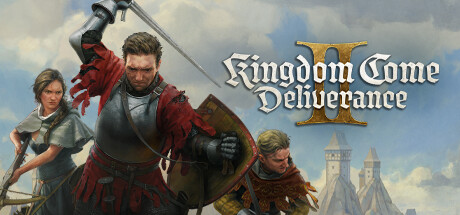
Kingdom Come: Deliverance II shares that same unblinking stare at consequence. Its “Political Thriller” and “Tactical Warfare” dimensions mirror the anime’s refusal to separate battlefield logic from statecraft. When player reviews praise its “grounded brutality” and moral ambiguity—not just in combat, but in how a single lie to a noble can unravel supply lines or trigger conscription riots—it echoes the way NIPPON SANGOKU treats loyalty as a logistical variable. Both demand you track cause and effect across layers: the wound on your arm affects your stamina, which affects your ability to negotiate, which affects troop deployment, which alters the map’s political boundaries. There’s no heroic shortcut—only accumulation: of debt, of trauma, of jurisdictional authority slowly eroded.
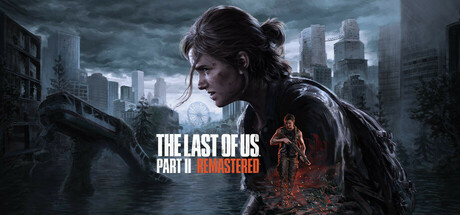
Then there’s The Last of Us™ Part II Remastered, whose “Cyberpunk & Dystopia” and “Survival & Crafting” dimensions resonate with the anime’s material reality. Not the flashy neon, but the grit: the way characters in both worlds mend torn uniforms with scavenged synth-fiber, repurpose drone parts into water filters, and ration painkillers like sacraments. Player reviews note how “every resource feels earned—and finite,” mirroring NIPPON SANGOKU’s depiction of post-apocalyptic scarcity as deeply personal, not abstract. When Ellie sharpens a knife while listening to a corrupted audio log of a vanished schoolteacher, it lands with the same emotional gravity as the anime’s protagonist reviewing fragmented education protocols in a decommissioned Ministry server—both moments tethering memory to survival, making nostalgia feel like labor.
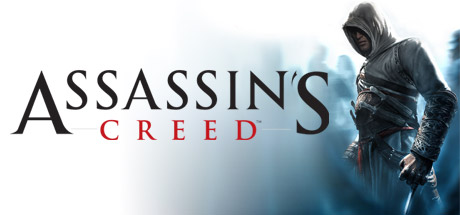
Even Assassin's Creed™: Director's Cut Edition, despite its dated textures, carries that same gravitas in its “Political Thriller” spine. The player review admits flaws—but highlights how the game’s core tension lies not in parkour, but in “walking into a council chamber knowing three men will die tonight, and two of them are necessary.” That’s NIPPON SANGOKU’s heartbeat: the cold arithmetic of sacrifice dressed in ceremonial robes, the way power consolidates not with explosions, but with signed decrees and quietly revoked citizenships. The anime and this older title share a reverence for structure—how institutions persist, mutate, and weaponize tradition long after their original purpose has bled out.
And yes—even Chains, the match-3 arcade game, pulses with an unexpected kinship. Its description calls it “relaxing,” but the player review reveals its quiet insistence: “link 3 or more… clear enough till you can proceed.” That repetition—the slow, deliberate, almost meditative act of clearing space just to breathe—mirrors the anime’s most devastating scenes: the protagonist methodically cleaning his rifle after a massacre, sorting ration cards by district, reassembling shattered data crystals one fragment at a time. It’s not escapism. It’s maintenance. A form of resistance that looks like routine.
This pairing isn’t for fans of grand battles or tidy resolutions. It’s for the person who watches a character fold a letter before burning it—not for drama, but because paper is scarce. For the player who spends ten minutes calibrating a makeshift radio not to call for help, but to confirm no one’s left alive on Channel 7. For those who understand that dignity isn’t shouted—it’s preserved in the spacing between words, the angle of a bowed head, the precise pressure needed to pop a bubble without shattering the grid beneath it. They know the heaviest things aren’t carried in hands. They’re carried in silence. In systems. In the stubborn, unromantic act of continuing.
🎮74 Games That Match the Vibe














Match Dimensions Explained
❓Frequently Asked Questions
Why does NIPPON SANGOKU feel so much like Kingdom Come: Deliverance II despite the different settings?
Because both lean hard into grounded, consequence-driven tactical warfare—think parrying with precise timing in Kingdom Come’s swordplay versus NIPPON SANGOKU’s stance-based duels—and share that same dense political thriller DNA, where your choices in dialogue with characters like Lord Ōtomo or Chancellor Kuroda ripple across faction alliances just like Henry’s negotiations with the Cuman mercenaries or the Templar spies.
Is there an anime or manga adaptation of NIPPON SANGOKU?
No official anime or manga adaptation exists yet—but fans often point to Assassin's Creed™: Director's Cut Edition as the closest *spiritual* visual counterpart, especially its blend of historical grit and dark fantasy flourishes (like the Isu lore bleeding into real-world politics), which mirrors how NIPPON SANGOKU weaves crimson sun myths into its Sengoku-era power struggles.
How does Throne of Lies®: Medieval Politics compare to NIPPON SANGOKU for political scheming?
Throne of Lies® nails the backstabbing vibe—imagine whispering secrets to Lady Elara while hiding daggers behind your cloak—but NIPPON SANGOKU adds layered cultural weight: instead of generic lords, you’re negotiating with figures like the Shinto-aligned Daimyō Himeko or Buddhist strategist Ryōgen, whose motives tie directly to shrine influence and ancestral oaths, not just 'reputation points'.
What’s the best game like NIPPON SANGOKU if I want slow-burn emotional weight and quiet moments between battles?
Chains is the surprising pick here—not because it’s action-packed, but because its healing & slow life dimension mirrors NIPPON SANGOKU’s quieter interludes: think tending to wounded comrades at the shrine garden after a brutal clash with the Crimson Sun Legion, or the meditative rhythm of linking spirit-ink tiles during a rain-soaked night—exactly the kind of reflective pacing Chains delivers with its bubble-linking calm and emotional narrative beats.