
Warhammer 40,000: Dawn of War - Anniversary Edition (Classic)
All of Warhammer 40,000: Dawn of War in one glorious package. Play the genre-defining classic real time strategy game in all its blood-soaked glory, including four complete campaigns and nine full-fledged factions.
🎮Game Details
💬What Players Say
"This Review is for anyone looking for the DLC in the anniversary edition or having issues playing on a modern PC. This is what I have found that works for both DoW 1&2. To play the DLC you have to install it as a total separate game (Soulstorm GOAT)...."
"One of the best retro warhammer 40k games out there. Beyond just being a classic this game provides a large amount of high quality (For the time) content to RTS, isometric, Wargame players. Character Models are not only interesting but for an old game are detailed and accurate to the lore setup by GW...."
"Great game, low on graphics but it's about the nostalgia. You could run this game on a potato and it would still be great."
📝Editorial Analysis
The screen flickers—low-res, slightly jagged, like a transmission bleeding through static from a dying cogitator. You’re zooming over the ash-choked plains of Tartarus, your Space Marine squad trudging forward in slow, deliberate steps, vox-casters crackling with garbled orders. No cinematic cutscene, no orchestral swell—just the crunch of gravel under ceramite boots, the distant thump-thump-thump of an Ork Warboss’s stomping approach, and the faint, persistent hum of a failing reactor somewhere off-map. This isn’t spectacle. It’s weight. It’s the feeling of running Warhammer 40,000: Dawn of War - Anniversary Edition (Classic) on a “potato” — as one player put it — and realizing the hardware limitation doesn’t dilute the dread; it deepens it. The graphics are low, yes — but the gravity is high. Every unit feels like a relic salvaged from a tomb-world archive, every campaign a fragmented log recovered from a dead fleet’s last transmission. There’s no hand-holding, no tutorialized morality — just four campaigns, nine factions, and the unblinking certainty that war is not a means to an end, but the only condition under which anything survives.
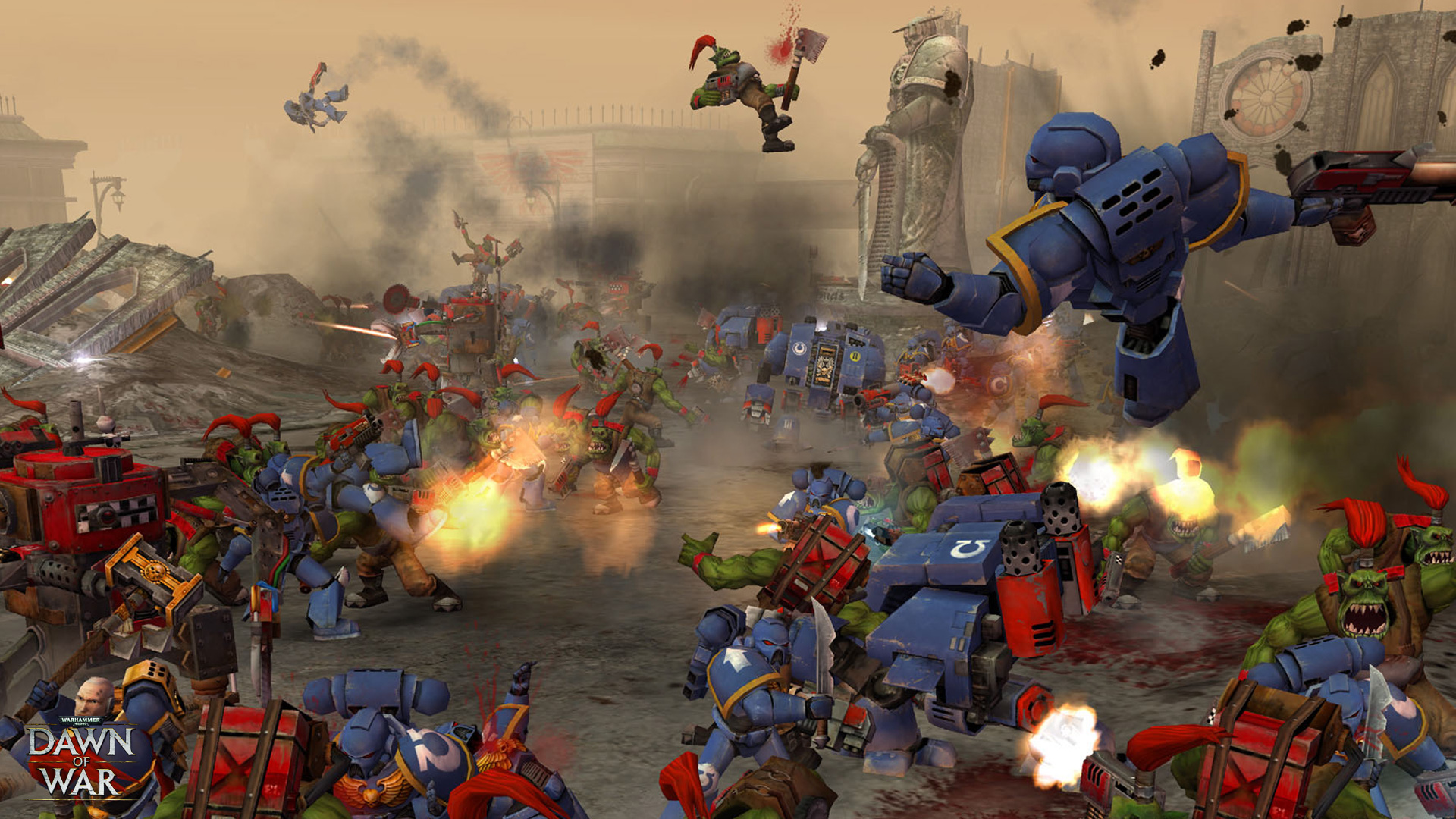
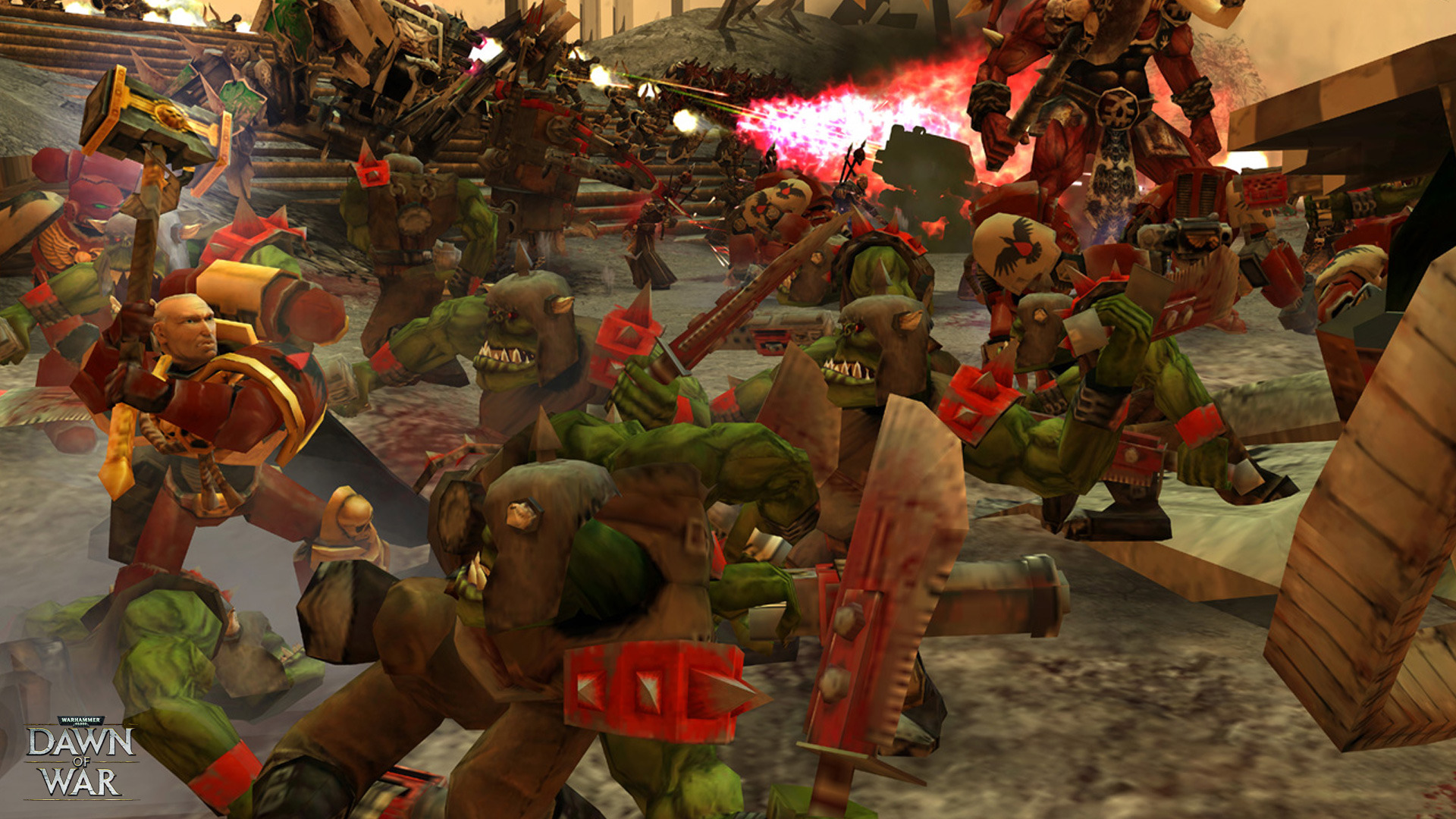
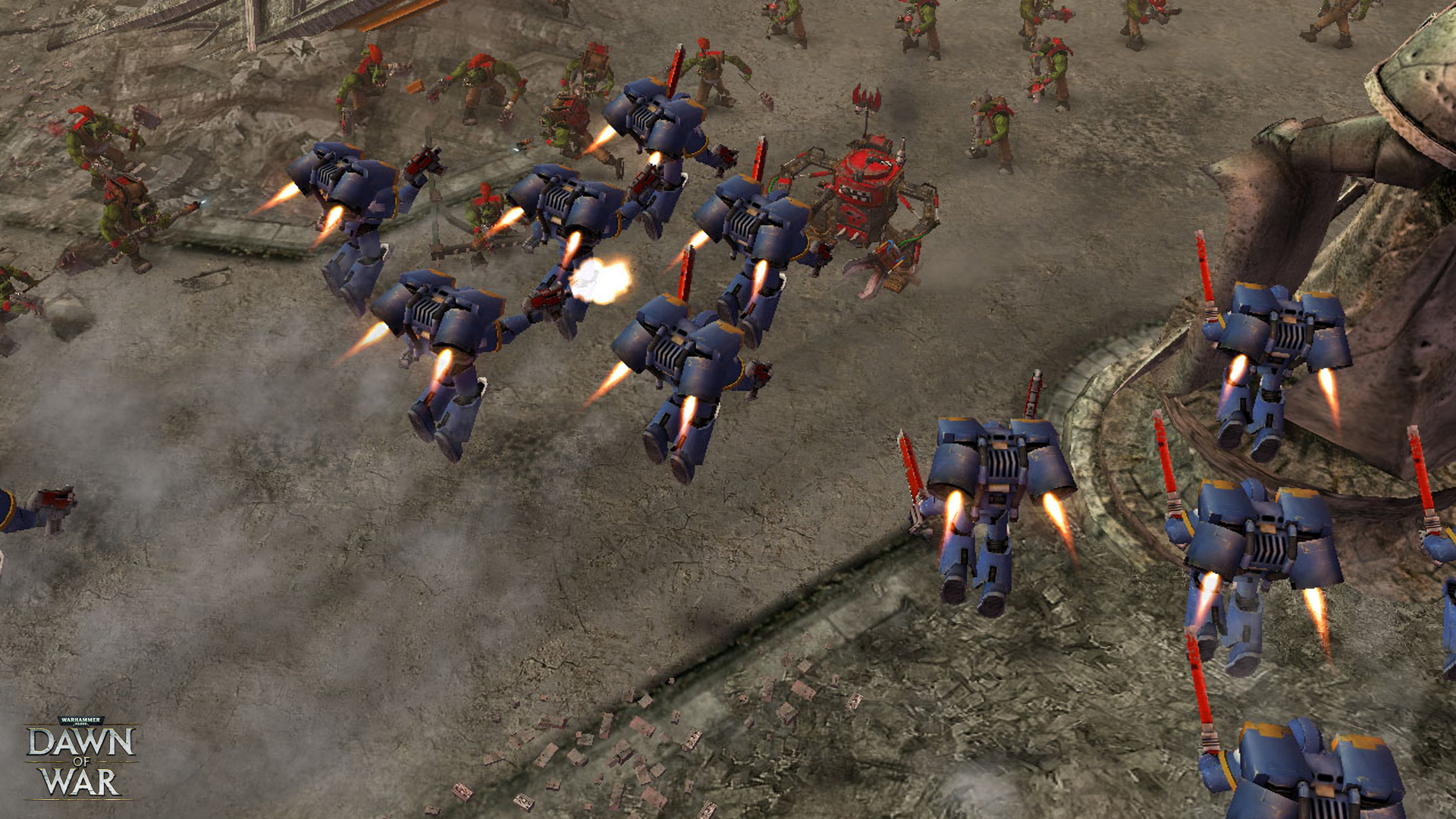
What makes this game’s atmosphere singular isn’t its grimdark lore — though that’s baked in — but how it withholds. It doesn’t explain the Imperium’s dogma; it forces you to infer it from the hollow-eyed zeal of a Commissar’s voice line, from the way your own Guardsmen break formation when a Chaos spawn breaches cover. It doesn’t dramatize scale — it implies it through silence between artillery strikes, through the way a single Leman Russ tank can hold a choke point for minutes while your infantry bleeds out trying to flank. It’s tactile despair: the grit of the isometric view, the sluggishness of movement that feels less like lag and more like exhaustion, the way victory never feels triumphant — just less catastrophic. You don’t win wars here. You delay extinction. That’s the emotional core: resigned endurance, not heroism. It’s the quiet before the bombardment, the breath held while scanning the fog of war — not for opportunity, but for the shape of inevitable loss.
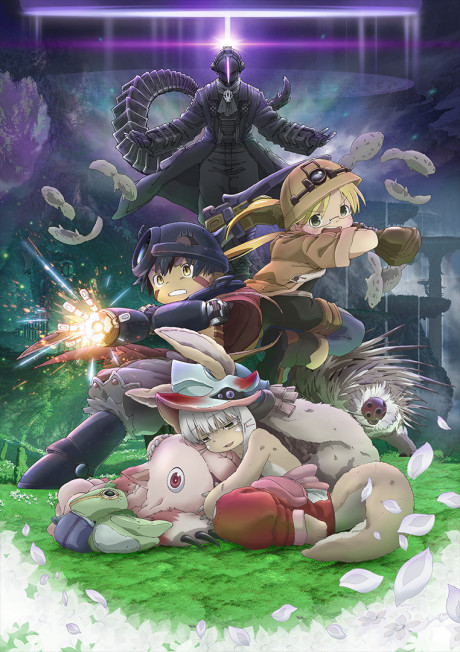
That same resonance lives in No Game, No Life Zero, where survival isn’t about conquest but negotiation with annihilation — every tactical decision made under the shadow of a world already half-erased, every alliance fraying at the edges like worn ceramite. Its cyberpunk & dystopia isn’t neon and rain — it’s data ghosts whispering across dead servers, and its tactical warfare is fought in silence, with logic as the only weapon against entropy. Then there’s BLAME!, where the sheer, suffocating scale of decay mirrors Dawn of War’s implied galactic collapse — corridors stretch into vanishing points, ruins swallow entire cities, and every encounter feels like poking a sleeping god with a rusted boltgun. Its adult & dark seinen tone isn’t about gore, but about the loneliness of being the last functional node in a network that forgot how to speak. And Casshern Sins — ah, Casshern — where every battle is stained with survival & crafting: scavenged parts, patched armor, memories reassembled like broken servos. Its world doesn’t rebuild; it stitches, and so do you, dragging your battered squads across maps that feel less like terrain and more like autopsy reports.
This pairing speaks to the person who doesn’t flinch at silence — the one who watches a ten-second shot of cracked concrete under acid rain and feels more than boredom: they feel recognition. It’s for the player who replays the Blood Ravens’ final stand on Cyrene not for the win condition, but for the way the camera lingers on a lone Tactical Marine kneeling beside his fallen sergeant, vox-cutting out mid-sentence. It’s for the viewer who pauses Angel’s Egg, not to decode its symbolism, but to sit with the heaviness of that egg — fragile, ancient, impossibly burdened — just like a single Rhino transport crawling up a slag hill under mortar fire. They don’t seek catharsis. They seek continuity — the stubborn, grinding persistence of meaning in a universe that has long since stopped caring whether it’s found. They love the grit, the static, the weight — not as flaws, but as proof the world is real. Not polished. Not performative. Just there, breathing dust, waiting for your next command — or your next breath.
→196 Anime That Match the Vibe
Both dive into neon-soaked futures where technology blurs the line between human and machine.

A shattered cathedral on Aethelgard, its stained glass depicting forgotten gods—this ruinscape mirrors the desolate, war-scarred world of *No Game, No Life Zero*’s pre-apocalyptic Era of Chaos. Where Dawn of War’s tactical warfare forces split-second choices amid collapsing fortifications and dwindling resources, the film’s climax traps Riku and Schwi in a desperate, time-bound gambit—survival & crafting not of tools, but of fragile hope from annihilation’s raw materials. That shared cyberpunk-dystopian weight—civilization as brittle scaffolding over void—makes their resonance startlingly intimate, not epic.
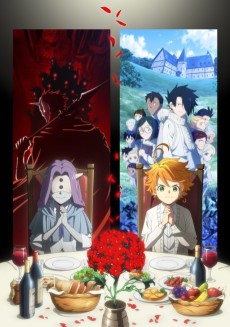
Both dive into neon-soaked futures where technology blurs the line between human and machine.

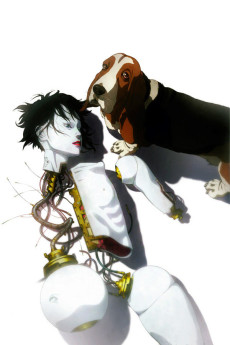
Magnetic Rose’s derelict space station—where grief warps reality into a lethal simulation—mirrors Dawn of War’s Tartarus campaign, where Imperial Guard soldiers fracture under psychic horror amid ruined cities. Unlike most tactical RTS narratives, both weaponize 🌆 Cyberpunk & Dystopia not as backdrop but as psychological pressure: memory becomes terrain, trauma becomes enemy AI. That shared insistence on despair as *tactically operational* makes their darkness feel chillingly coherent, not just atmospheric.
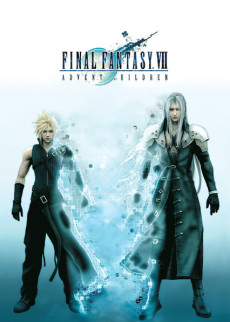
A shattered Midgar skyline, choked with neon and ash, mirrors the grim industrial hellscape of Tartarus in *Dawn of War*—both worlds breathe cyberpunk & dystopia through rusted war machines and desperate survival. Unlike most sci-fi spectacles, *Advent Children*’s Geo-stigma crisis and the Blood Ravens’ struggle against daemonic corruption share tactical warfare’s visceral weight: every squad maneuver, every staggered healing spell, feels earned amid crumbling infrastructure. That shared tension—between fragile hope and systemic decay—is what makes their resonance so unexpectedly potent.

Build, survive, thrive — the satisfaction of carving out your place in a hostile world.
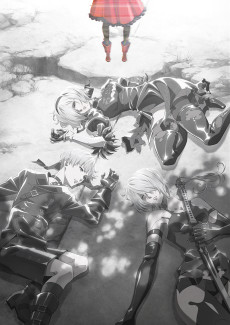
Both dive into neon-soaked futures where technology blurs the line between human and machine.
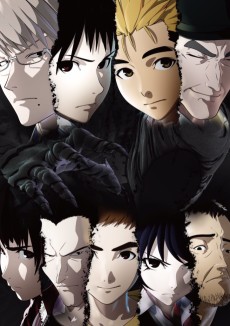
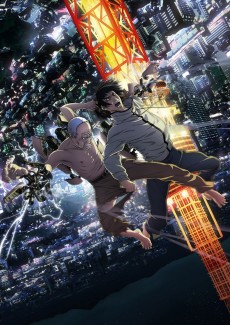
Kei Nagai’s first resurrection—bloodied, disoriented, staring at his own severed hand twitching on asphalt—hits with the same visceral dread as a Space Marine chapter’s last stand amid crumbling Gothic spires in Dawn of War’s Tartarus campaign. Where both commit unflinchingly to **Body Horror & Occult**, they weaponize mortality: Ajin treats immortality as biological contagion and moral rupture, while Dawn of War frames it as fanatical dogma bleeding into biomechanical abomination. That shared refusal to sanitize decay—whether cellular or imperial—makes their darkness feel terrifyingly coherent, not just atmospheric.
Both dive into neon-soaked futures where technology blurs the line between human and machine.
Build, survive, thrive — the satisfaction of carving out your place in a hostile world.
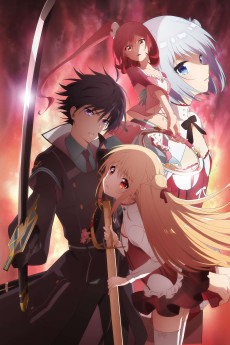


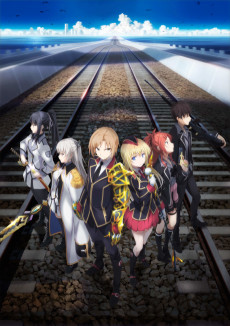
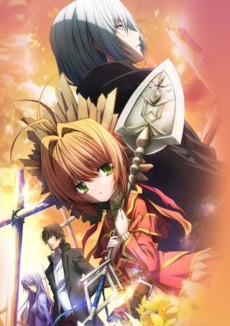
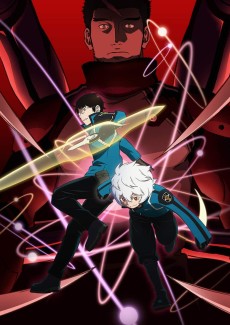

















![Fate/stay night [Heaven's Feel] I. presage flower](https://s4.anilist.co/file/anilistcdn/media/anime/cover/medium/bx20791-yPCX5GJuMH2k.png)














![Fate/stay night [Heaven’s Feel] III. spring song](https://s4.anilist.co/file/anilistcdn/media/anime/cover/large/bx21719-MSdTlkno0Z0u.jpg)
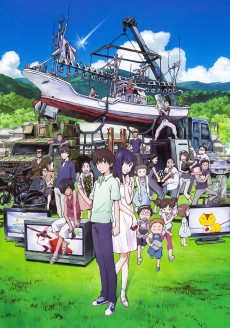


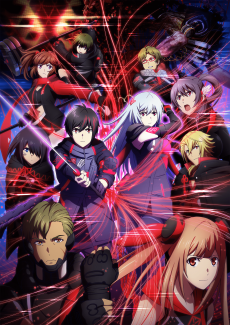


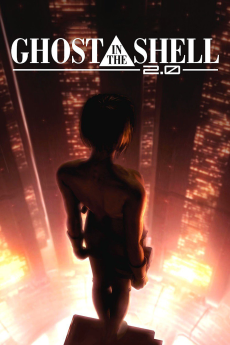

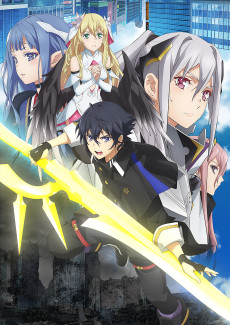


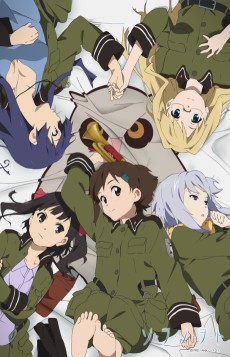
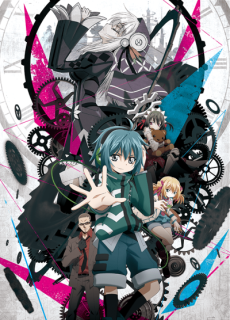
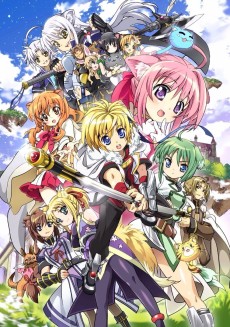



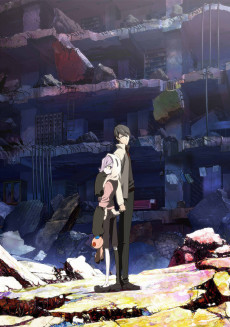
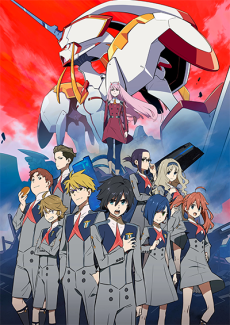
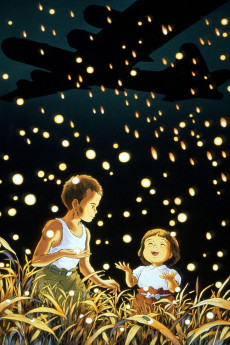

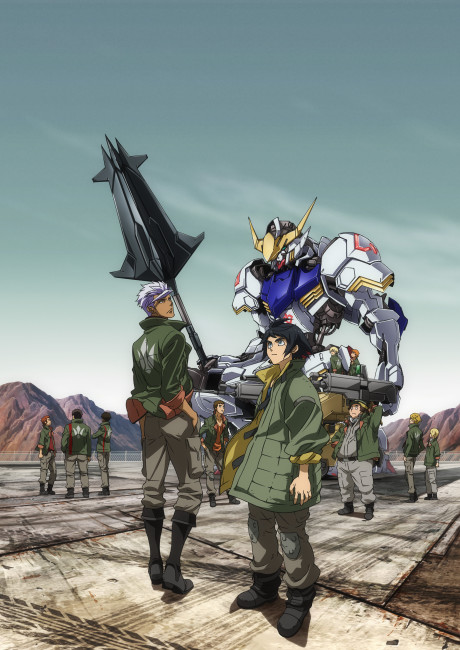
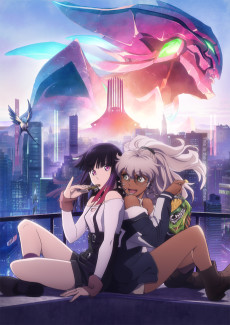
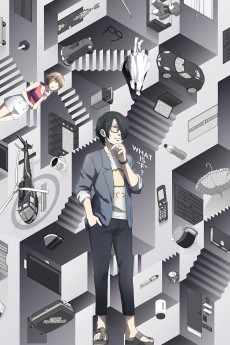

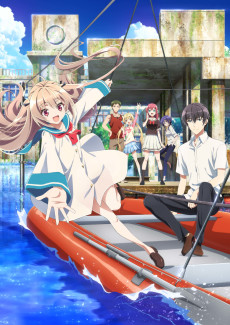



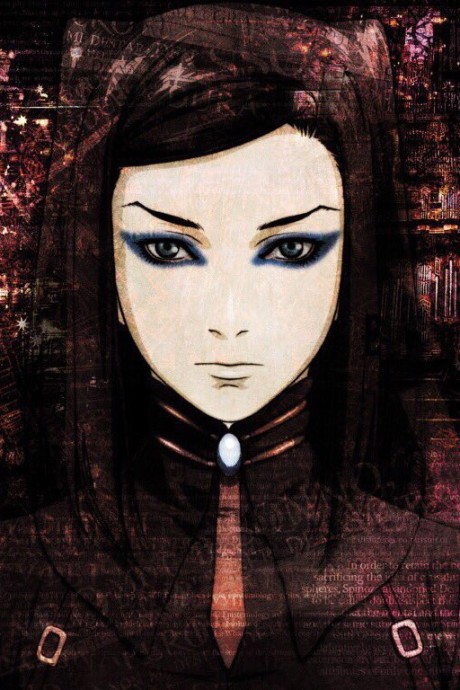
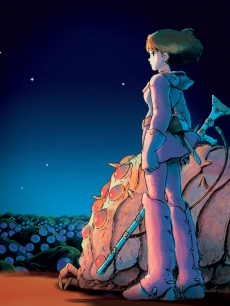






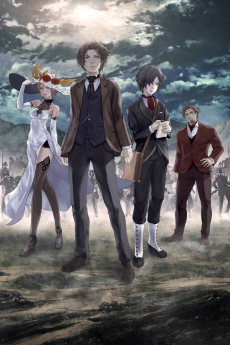
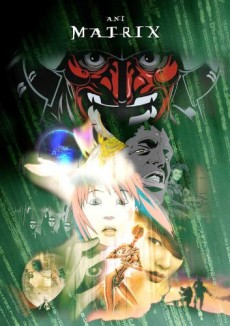

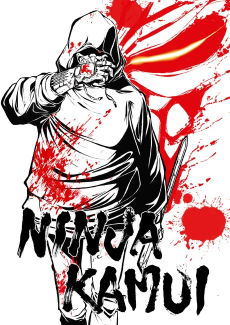
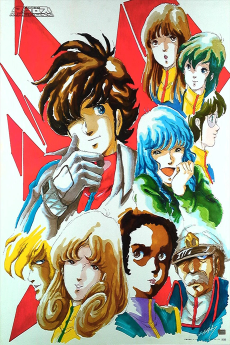






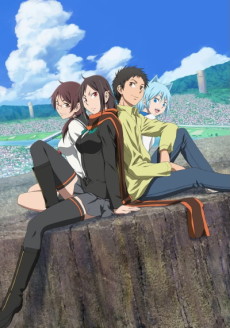


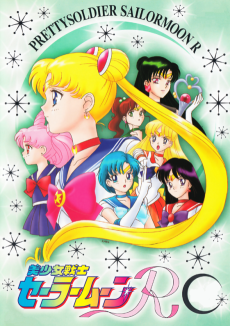
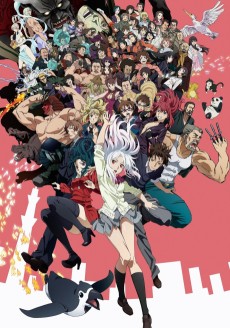
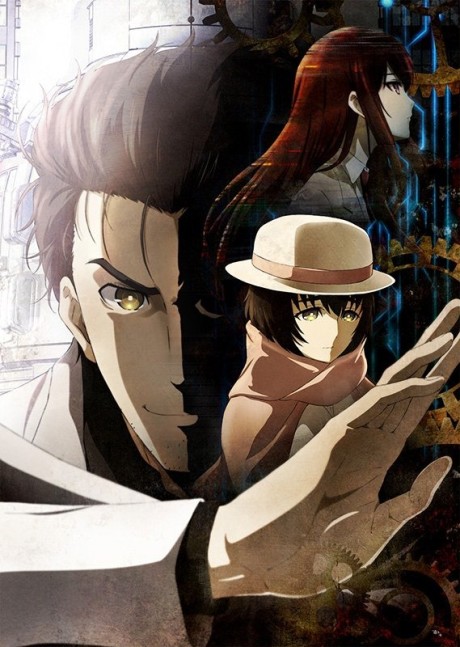


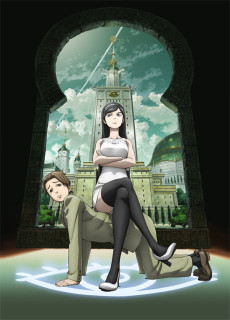
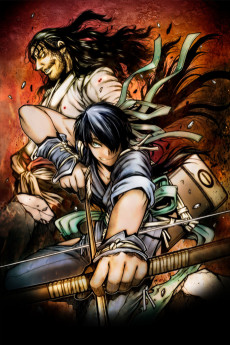
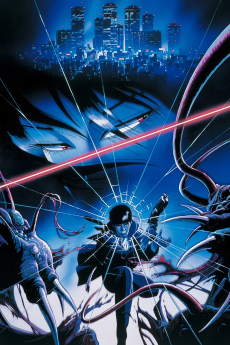
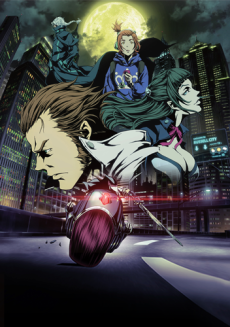
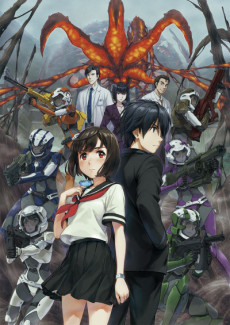
Match Dimensions Explained
❓Frequently Asked Questions
Why is No Game, No Life Zero recommended for Dawn of War fans?
Because both lean hard into tactical warfare in a crumbling, hyper-technological dystopia—think Sora and Shiro’s desperate last stand against the Kuzunoha forces mirroring the Blood Ravens’ brutal trench fights on Tartarus. The game’s emphasis on resource-scarce, high-stakes skirmishes (like the Siege of Meridian) lines up with Zero’s constant survival calculus and layered faction politics.
Is there an anime adaptation of Dawn of War: Anniversary Edition?
No—there’s never been an official anime adaptation of Dawn of War (1 or Anniversary Edition). But if you’re craving that same grimdark, squad-level RTS intensity translated to animation, BLAME! delivers it visually and tonally: Killy’s silent, methodical combat across decaying megastructures feels like watching a Space Marine patrol through a ruined hive city—same oppressive scale, same relentless threat density.
How does Casshern Sins compare to BLAME! for Dawn of War vibes?
Casshern Sins leans harder into emotional exhaustion and moral decay—like watching Captain Gabriel Angelos question his faith after the Tyranid betrayal—while BLAME! mirrors Dawn of War’s cold, systemic dread (e.g., the unrelenting Ladder assault sequences feel like facing off against Ork WAAAGH! waves without respite). Both nail the ‘survival in a broken world’ vibe, but Casshern adds more tragic character arcs à la the Blood Ravens’ internal fractures.
What’s the best anime like Dawn of War for that gritty, low-tech-but-high-stakes war mood?
Memories (specifically the ‘Stink Bomb’ and ‘Magnetic Rose’ segments) nails it—especially ‘Magnetic Rose’, where a salvage crew uncovers a derelict warship haunted by AI-driven combat ghosts. It’s got the same claustrophobic, isometric tension as Dawn of War’s indoor base assaults (like the catacombs of Calderis), plus that signature 40k blend of tech awe and existential horror—no flashy graphics needed, just raw, weighty stakes.