
Vinland Saga
Thorfinn is son to one of the Vikings' greatest warriors, but when his father is killed in battle by the mercenary leader Askeladd, he swears to have his revenge. Thorfinn joins Askeladd's band in order to challenge him to a duel, and ends up caught in the middle of a war for the crown of England.
(Source: Kodansha USA)
📺Anime Details
📝Editorial Analysis
The salt-sting of blood on Thorfinn’s lips as he kneels in the mud of a Danish field—not after a duel, but after dragging his own father’s corpse from the rain-slicked earth. His hands shake, not from exhaustion, but from the silence that follows the roar of battle—the hollow, ringing quiet where grief has no language yet, only weight. That moment isn’t spectacle. It’s the first crack in a boy who believes vengeance is geometry: line up the blade, measure the distance, strike true. But the world refuses straight lines.
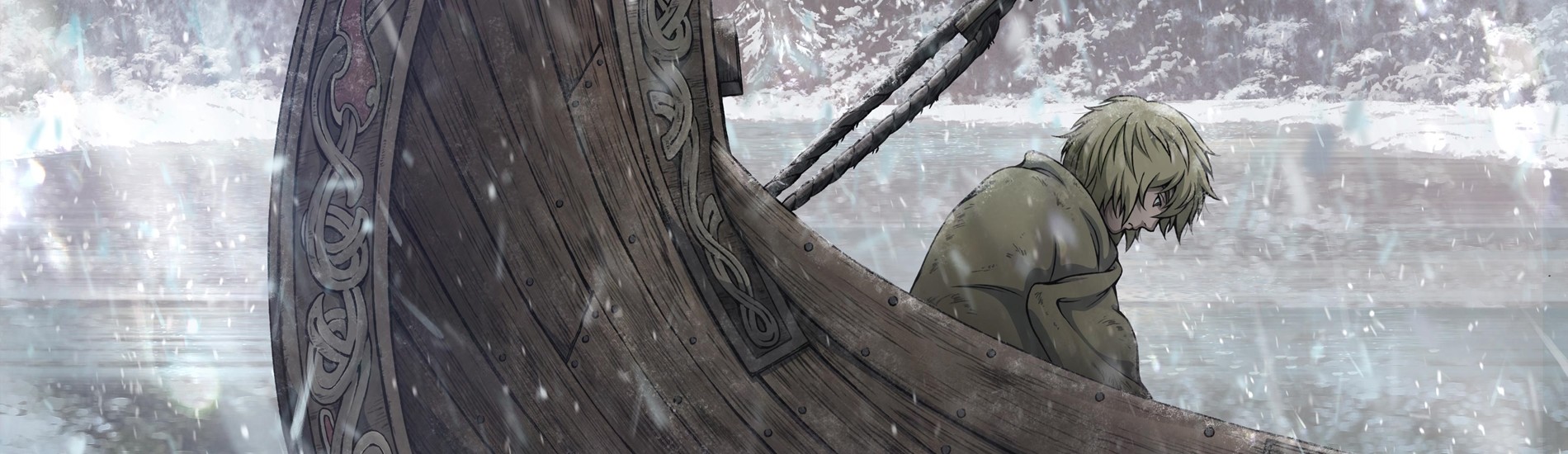
What makes Vinland Saga ache so deeply isn’t its Viking ships or swordplay—it’s the relentless erosion of certainty. Every victory curdles. Every oath frays. Even Askeladd’s cruelty carries the sour tang of exhausted pragmatism, not cartoon villainy. You don’t feel adrenaline here—you feel dread, then doubt, then—slowly, painfully—tenderness, like moss pushing through frozen soil. It’s a story that treats philosophy not as dialogue, but as weather: cold, persistent, altering the landscape of the soul over seasons. There’s no catharsis in triumph—only the heavier burden of surviving what you thought you wanted.
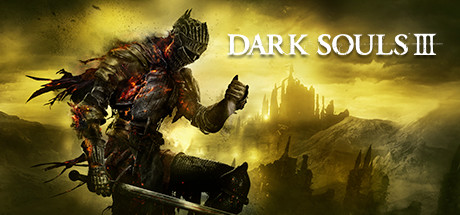
That emotional DNA pulses strongest in DARK SOULS™ III, where the player review asks, “Why Do We Still Reach for the Fire When It Is Dying?”—a question Thorfinn lives in his bones. Both refuse easy answers. Both bury meaning in ruins—not just physical ones, but moral, historical, existential. The game’s “Adult & Dark Seinen” dimension mirrors the anime’s refusal to let youth be innocent or violence redemptive. You don’t level up into wisdom; you wear it like scar tissue. And like Thorfinn wandering England’s mist-choked fields, the player walks landscapes steeped in melancholic exploration—where every crumbling chapel, every ash-choked throne room, whispers the same truth: empires fall, ideals calcify, and the only thing that endures is the quiet, stubborn act of choosing how to carry on.
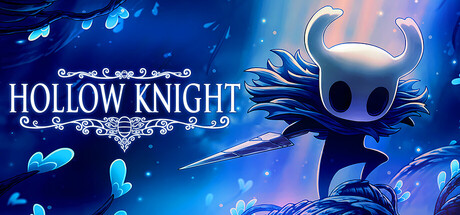
Then there’s Hollow Knight, whose description promises an “epic action adventure through a vast ruined kingdom of insects and heroes”—but the player review cuts deeper: “Lovely story.” Not “epic.” Not “hard gameplay.” Lovely. That word lands like a feather on a grave—soft, unsettling, tender. Because Hollow Knight’s tragedy isn’t in grand battles, but in forgotten names, abandoned nurseries, and the quiet horror of devotion outliving its purpose. Like Thorfinn watching Askeladd die not with a roar, but a sigh—and realizing the man he hated was also a son, a strategist, a ghost already walking. Both works treat loss as architecture: the Hollow Knight’s kingdom isn’t destroyed by war alone, but by silence, by erasure, by the slow suffocation of memory. The melancholic exploration isn’t optional—it’s the only lens that lets you see what’s truly been lost.
Even Assassin's Creed™: Director's Cut Edition, flawed and dated as players note—“some of the models and textures are quite dated but no issues with me”—holds this resonance. Its “Political Thriller” dimension maps directly onto Vinland Saga’s English succession crisis: power isn’t seized by heroes, but negotiated in candlelit rooms, betrayed in whispers, inherited by children who never asked for crowns. The game’s “Melancholic Exploration” isn’t just wandering cities—it’s seeing Jerusalem’s markets bustle while your own soul starves for meaning. Thorfinn doesn’t fight for Vinland because it’s paradise. He fights because it’s the one word left uncorrupted by blood. Same with Altaïr: his creed isn’t faith—it’s the weight of seeing clearly, even when clarity offers no comfort.
This pairing isn’t for fans of revenge arcs or Viking cosplay. It’s for the person who watches Thorfinn plant barley in a foreign field and feels their throat tighten—not at the labor, but at the terrifying, beautiful ordinariness of healing. It’s for the player who spends twenty minutes staring at a broken lantern in Hollow Knight, not to solve a puzzle, but because its dim light feels like the first honest thing they’ve seen all day. It’s for those who understand that dread, tenderness, exhaustion, and quiet persistence aren’t moods—they’re the weather of growing up in a world that refuses to simplify itself. They don’t want escape. They want recognition. And in these stories—gritty, unflinching, achingly human—they find it.
🎮64 Games That Match the Vibe















Match Dimensions Explained
❓Frequently Asked Questions
Why does Assassin's Creed: Director's Cut Edition match Vinland Saga so well despite being set in the Holy Land?
It’s all about that brooding, morally gray political thriller vibe—like when Thorfinn wrestles with vengeance vs. peace, you’re similarly navigating Altaïr’s disillusionment with the Brotherhood while climbing Acre’s sun-baked rooftops. The melancholic exploration of crumbling empires (Jerusalem’s fractured factions mirroring Vinland’s warring clans) and quiet, weighty dialogue scenes—think Altaïr’s conversations with Al Mualim echoing Thors’ philosophical talks—make it a surprisingly resonant match, even with the desert instead of fjords.
Is there a Vinland Saga video game adaptation?
No official Vinland Saga game exists yet—no licensed RPG, action-adventure, or visual novel. But fans often reach for Hollow Knight or DARK SOULS™ III because they nail the same emotional texture: Hollow Knight’s silent, grief-soaked journey through Hallownest (like Thorfinn wandering alone after Gudrid’s departure) and DARK SOULS™ III’s themes of cyclical violence and weary redemption (think Askeladd’s tragic arc or the fading embers of the First Flame mirroring Vinland’s fading ideals) fill that void powerfully.
Hollow Knight vs. Sacred Gold—which is better for Vinland Saga fans who love quiet, character-driven moments?
Go with Hollow Knight—its emotional narrative dimension is front and center: the haunting silence of Dirtmouth, the slow reveal of the Pale King’s sorrow, or Hornet’s guarded vulnerability all echo Thorfinn’s internal arc far more than Sacred Gold’s bug-ridden, combat-heavy chaos. Sacred Gold leans hard into action spectacle (orc hordes, flashy spells), but its jank and unstable modern performance make it a rough fit for anyone craving the stillness and gravity of Vinland Saga’s quieter scenes.
What’s the best game like Vinland Saga if I want that ‘melancholic exploration’ feeling after watching the farm arc?
Hollow Knight is your top pick—it’s *built* for that mood. Wandering the decaying, rain-slicked ruins of City of Tears, listening to the mournful piano of the ‘Dreamers’ theme, or finding Zote’s lonely campfire in Deepnest? That’s pure post-farm-arc Thorfinn energy: tender, heavy, and full of unspoken loss. Even DARK SOULS™ III delivers it, but Hollow Knight’s insect world feels more intimate and emotionally exposed—like Vinland Saga’s most devastating silences given form and music.