ELDEN RING
THE CRITICALLY ACCLAIMED FANTASY ACTION RPG. Rise, Tarnished, and be guided by grace to brandish the power of the Elden Ring and become an Elden Lord in the Lands Between.
🎮Game Details
💬What Players Say
"I got Elden Ring as a Christmas present from my big brother, which was a pretty bold choice since it was my first souls-like. At first it felt like the game was personally offended by my existence, and I died… a lot. Like, A LOT...."
"The ultimate GAMING experience! Honestly, this is one of those cases where writing a review feels unnecessary, because there’s simply no point… I hadn’t bought a Collector’s Edition in a long time, but even before this game came out, I knew I had to get the Collector’s Edition of Elden Ring. The game is perfect, and it belongs in the category of ‘you absolutely have to play this before you die...."
"This game is very addictive and it is huge! It took me 275 hours to play and now I have started the DLC. One of the best games I have ever played, and I have been playing games for 50 years!"
📝Editorial Analysis
The first time you die in ELDEN RING, it’s not dramatic — no slow-motion fall, no heroic last breath. It’s a stumble off a cliff near the Weeping Peninsula, your character tumbling silently into black water while the wind howls just a little louder than before. You’re back at the grace site, heart thudding, screen dimmed by fog and exhaustion — exactly as the player review says: “the game was personally offended by my existence.” That isn’t frustration; it’s intimacy. A shared, breathless acknowledgment that you are small, unmoored, and utterly alive in this world — not because it rewards you, but because it witnesses you.
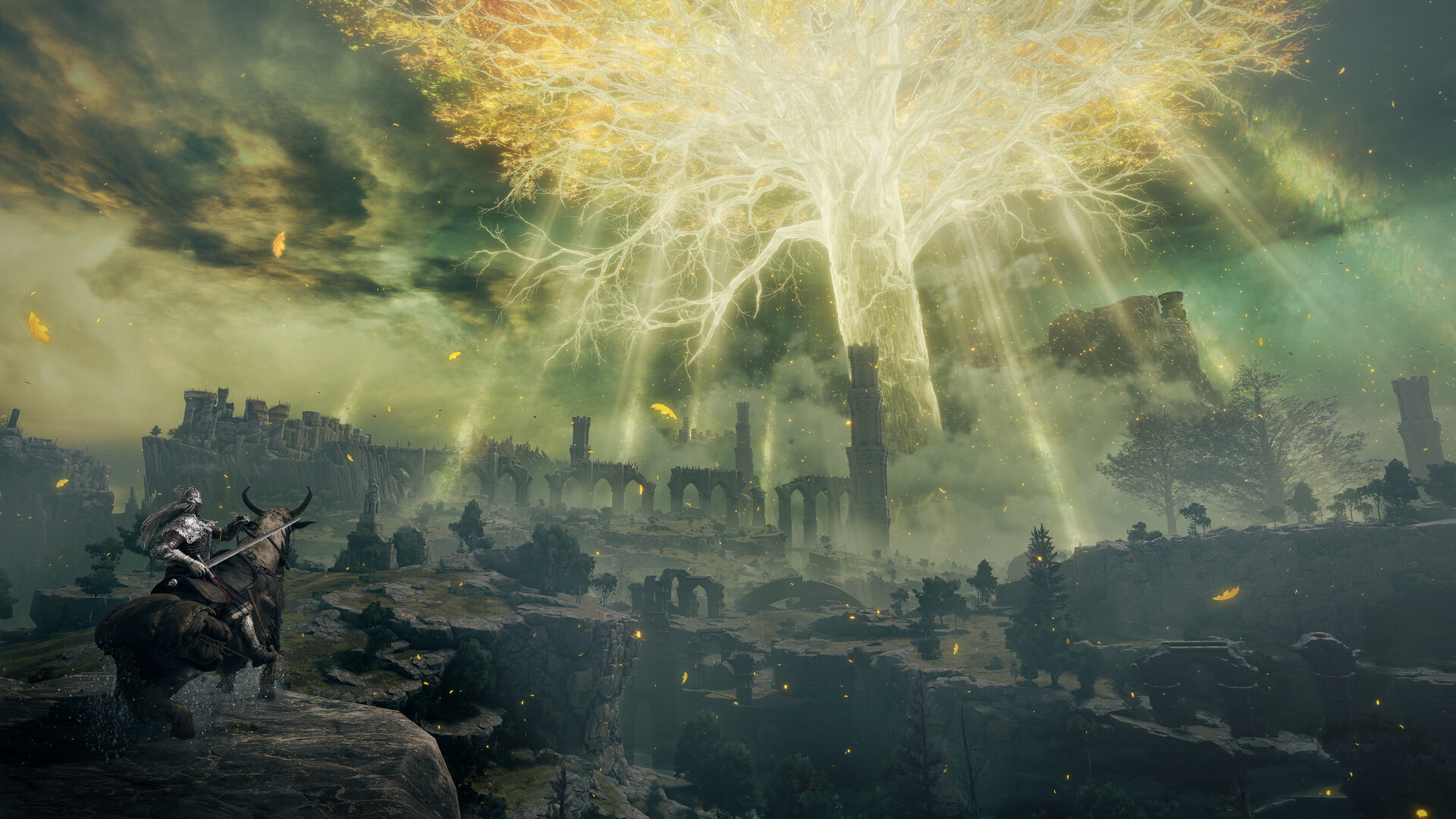
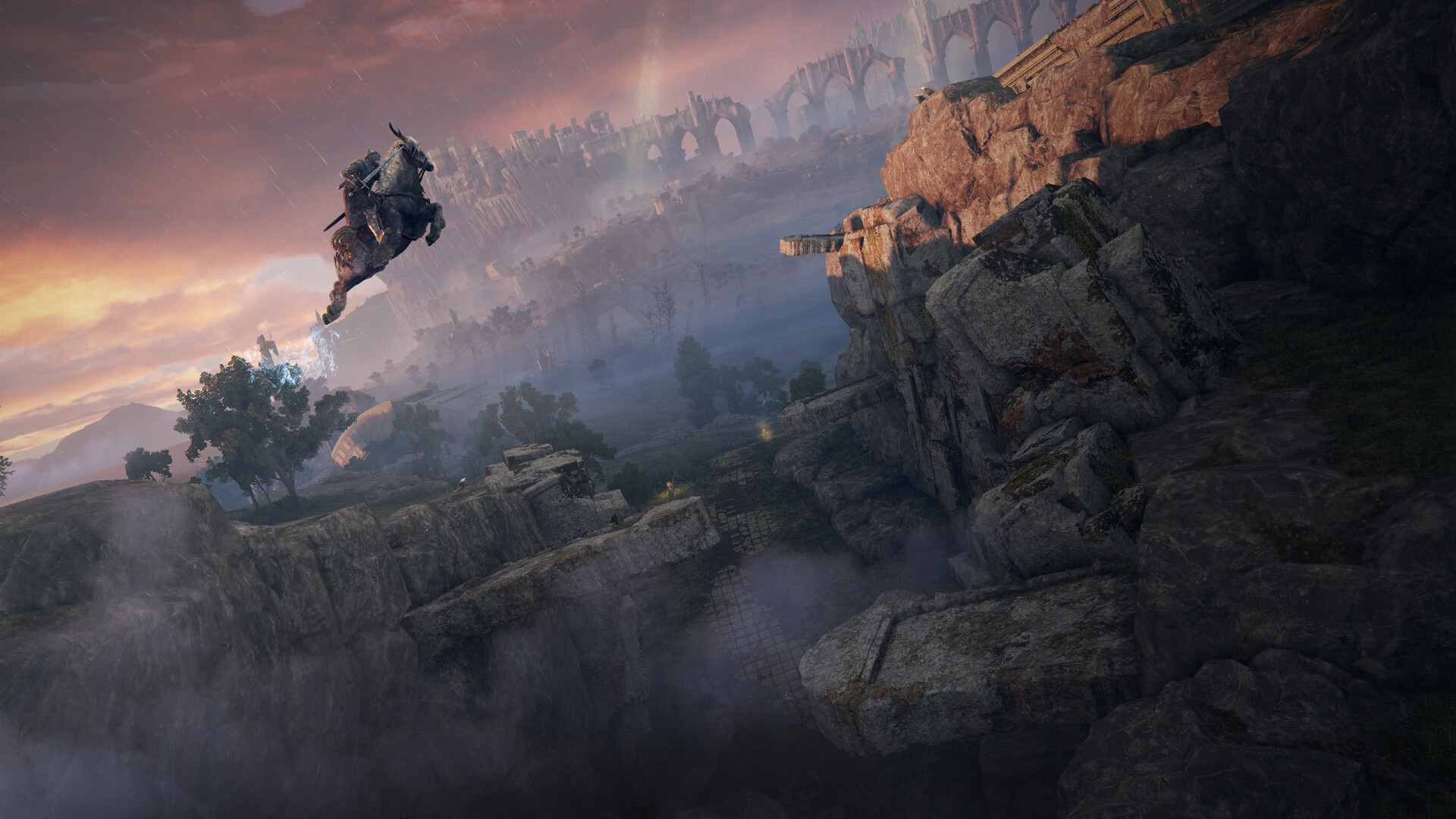
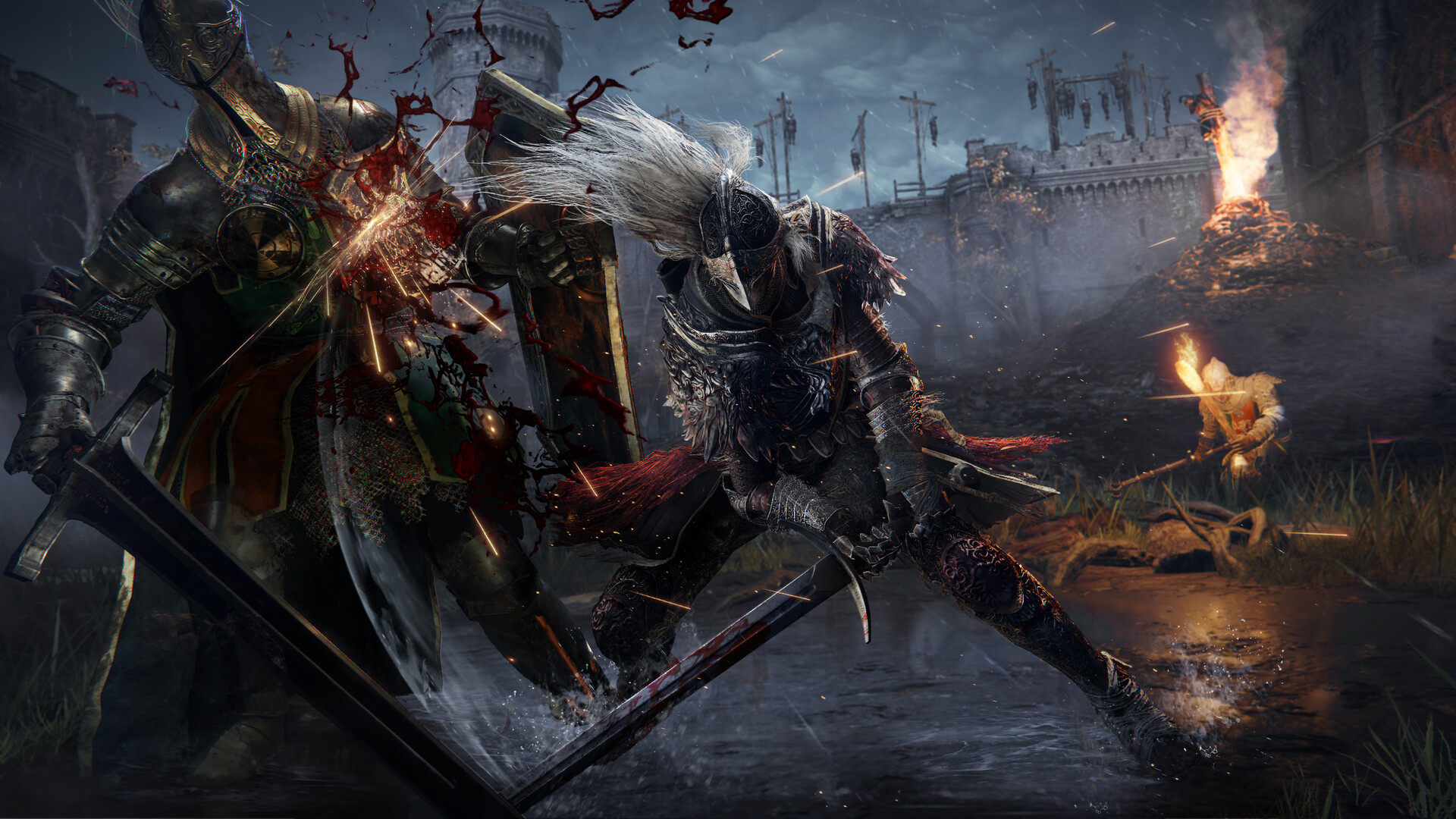
What makes ELDEN RING’s atmosphere singular isn’t its scale or lore density — though both are staggering — but the weight of quiet persistence. It’s the feeling of walking for twenty minutes across a dead marsh under bruised twilight, knowing no quest marker will blink, no voice will guide you, yet still choosing to step forward — because something else is calling: not victory, not even survival, but recognition. The Lands Between don’t care if you win. They care if you notice: the way light fractures through a shattered cathedral dome, how a boss’s final roar echoes with grief rather than malice, how every ruin whispers of failure that wasn’t personal — just inevitable. It’s melancholy, yes, but also tenderness — the kind that lingers after reading a letter from a dead NPC who signed off, “I hope you find peace, even if I do not.”
That emotional DNA pulses strongest in anime where darkness isn’t spectacle, but texture — where fantasy serves as a vessel for adult reckoning. Owarimonogatari Second Season, for instance, shares that same suffocating, lyrical gravity. Its world isn’t haunted by monsters — it’s haunted by memory, regret, and the unbearable lightness of choices already made. Like ELDEN RING, it refuses exposition; meaning accrues slowly, painfully, through repetition, silence, and the unbearable weight of a glance held too long. Both demand you sit with discomfort until it reshapes you — not with catharsis, but with clarity.
Then there’s BAKI, which at first glance feels like pure kinetic contrast — roaring muscles, snapping spines, sweat flying under fluorescent lights. But dig deeper: its core isn’t dominance — it’s devotion. Every brutal training montage, every near-fatal spar, every scar earned in obscurity mirrors the Tarnished’s pilgrimage — not toward power as conquest, but as honor earned in solitude. The arena isn’t about winning; it’s about standing tall after collapse. That same competitive spirit isn’t ego-driven — it’s sacred ritual. You fight not to prove you’re better, but to confirm you’re still here, still willing, still human beneath the strain.
And From Old Country Bumpkin to Master Swordsman, despite its title’s humble framing, lives in that same hushed, weathered space. Its protagonist doesn’t rise through charisma or destiny — he rises through calluses, missteps, and nights spent sharpening blades under cold stars. His growth isn’t flashy; it’s accumulated, like the 275 hours one player poured into ELDEN RING, then returned for more. There’s no fanfare when he lands his first perfect parry — just wind, a breath, and the quiet certainty that something has shifted inside him. That’s the same resonance: dark fantasy not as escapism, but as mirror — reflecting how real transformation happens: slowly, silently, and always on your knees first.
This pairing speaks to someone who doesn’t flinch at silence — who finds solace in the space between notes, strength in the act of continuing without promise. It’s for the person who rereads a letter from a dead NPC, who pauses mid-fight to watch rain slide down a crumbling statue’s face, who watches Call of the Night Season 2 not for the vampires, but for the way the protagonist stares out a window at dawn — exhausted, changed, and unbroken. They don’t seek stories where heroes conquer worlds. They seek ones where people learn, again and again, how to hold themselves upright in a world that offers no guarantees — only grace, if you know how to kneel for it.
→64 Anime That Match the Vibe

Dark worlds where beauty and brutality coexist — every victory comes at a cost.
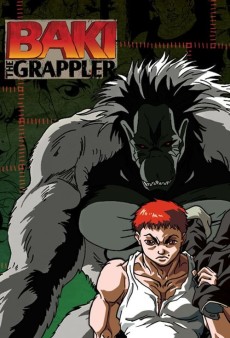
Dark worlds where beauty and brutality coexist — every victory comes at a cost.

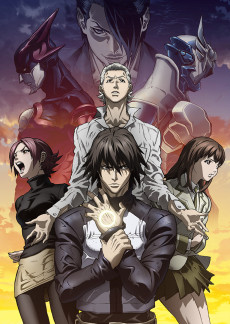
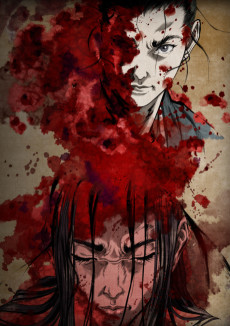
Baki’s brutal sparring with the “Pit Fighter” in Season 2—bloodied, breathless, yet grinning mid-impact—mirrors the Tarnished staggering up after a Lands Between boss collapse, hollowed but unbroken. Where Elden Ring weaponizes despair into cathartic triumph through relentless trial, BAKI (the 2018 ONA) treats violence as sacred discipline, forging strength not for conquest, but for *recognition*—a dark fantasy resonance rooted in visceral, earned mastery. This pairing surprises because both elevate suffering into ritual: one in crumbling gothic ruins, the other in concrete gym floors drenched in sweat and blood.

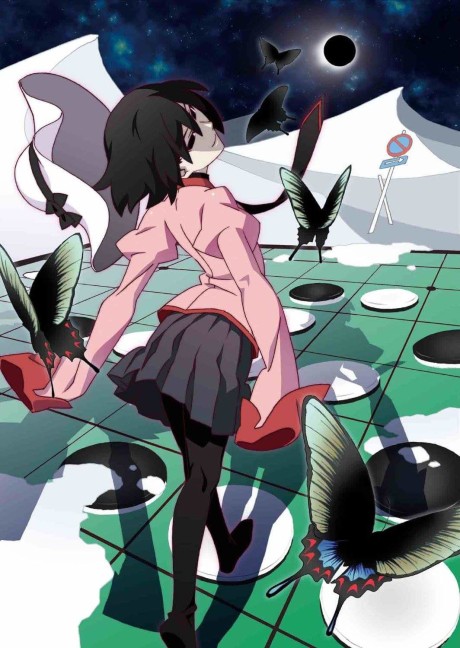
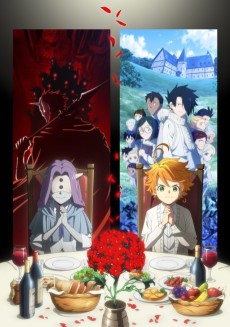
Mayoi Hell’s decaying, labyrinthine shrine—where childhood trauma calcifies into supernatural stasis—mirrors the Lands Between’s crumbling Erdtree grace: both weaponize decay as narrative architecture. Unlike most dark fantasy, *Elden Ring* and *Owarimonogatari Second Season* fuse psychological unraveling with metaphysical collapse, where Koyomi’s fractured selfhood echoes the Tarnished’s hollowed-out identity amid ruin. This resonance in 🖤 Adult & Dark Seinen isn’t coincidence—it’s the shared weight of grace lost, not through spectacle, but silence.
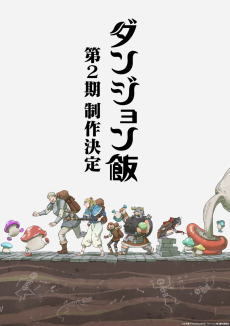
Dark worlds where beauty and brutality coexist — every victory comes at a cost.
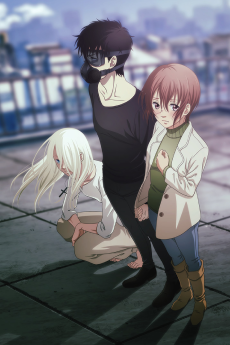
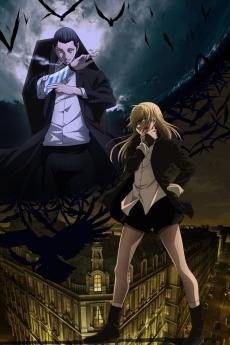
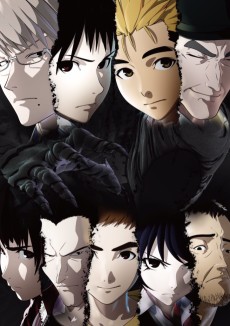
Where Elden Ring’s shattered, grace-scarred Lands Between force players to confront decay as both setting and spiritual condition, Devils’ Line reframes vampirism not as curse but as systemic oppression—Anzai’s daily struggle to suppress bloodlust mirrors the Tarnished’s battle against frenzy. This dark fantasy resonance thrums with adult, psychological weight: neither offers easy salvation, only grim choices in worlds where power corrupts and humanity is perpetually provisional. The shared dark seinen tone makes their bleak intimacy startlingly coherent—not escapism, but excavation.
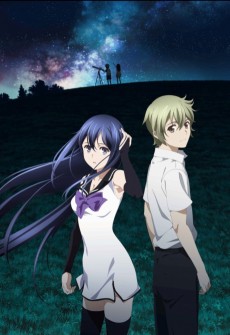
Dark worlds where beauty and brutality coexist — every victory comes at a cost.

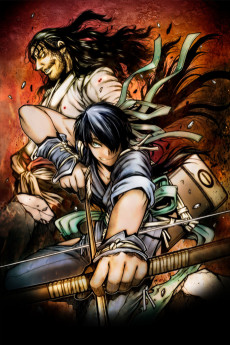
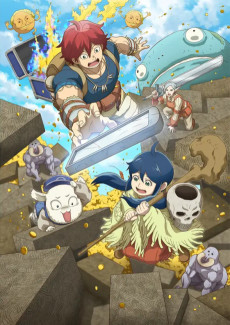
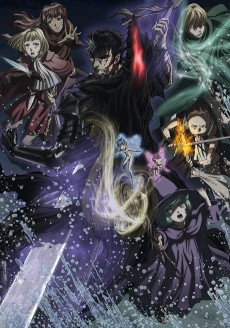
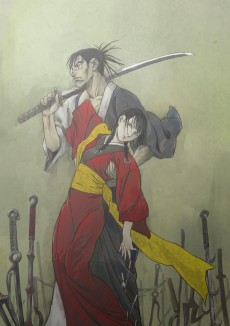
Beryl Gardinant’s weathered hands—calloused from decades of rural sword training—mirror the Tarnished’s scarred knuckles gripping a broken greatsword at Stormveil’s ruins. Where Elden Ring weaponizes despair into solemn pilgrimage, *From Old Country Bumpkin to Master Swordsman* transmutes it into wry, weary mentorship—both steeped in **Dark Fantasy**’s reverence for decayed grandeur and quiet resilience. That resonance isn’t nostalgic; it’s structural: grace and grit as twin languages of hard-won mastery.

Dark worlds where beauty and brutality coexist — every victory comes at a cost.

Dark worlds where beauty and brutality coexist — every victory comes at a cost.










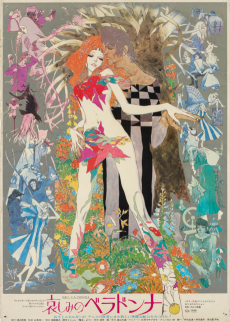

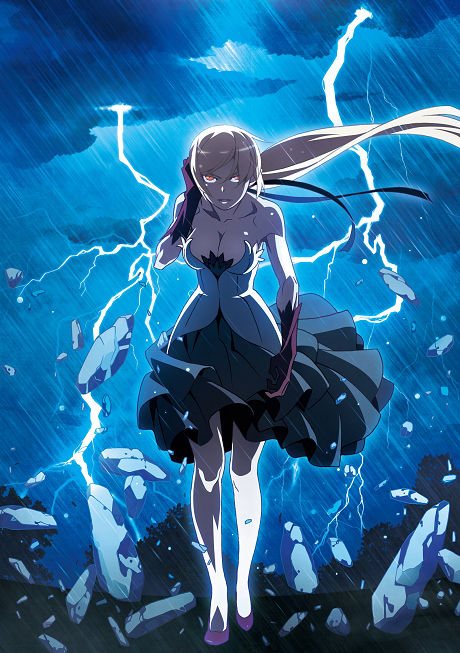



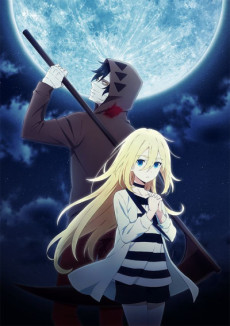




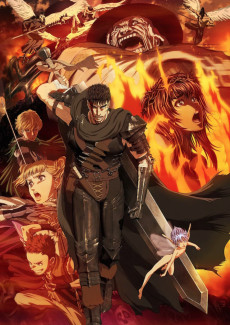







![Fate/stay night [Heaven’s Feel] III. spring song](https://s4.anilist.co/file/anilistcdn/media/anime/cover/large/bx21719-MSdTlkno0Z0u.jpg)









Match Dimensions Explained
❓Frequently Asked Questions
Why does Owarimonogatari Second Season feel like Elden Ring even though it’s not an action RPG?
Because both hit that same oppressive, layered dread—like when Koyomi Araragi stumbles through the rain-soaked, decaying shrine in Episode 5, his exhaustion palpable and every shadow feeling *intentionally* hostile, just like your first encounter with the Erdtree’s roots or the fog gate to Stormveil. The slow-burn psychological weight, adult themes, and sense of fragmented lore you piece together from cryptic dialogue? That’s straight out of the Lands Between’s storytelling DNA.
Is there an anime adaptation of Elden Ring?
No official anime adaptation exists—FromSoftware hasn’t announced one, and there’s zero licensing or production news. But if you’re craving that same grim, myth-drenched atmosphere, *From Old Country Bumpkin to Master Swordsman* nails it: watch protagonist Ryoji’s brutal early training sequences—bloodied knuckles, collapsing under gravity-like fatigue—mirroring how players feel grinding stamina and posture in Stormveil’s courtyard.
How is BAKI different from Owarimonogatari if they both score 76 for Elden Ring vibes?
BAKI trades Elden Ring’s gothic melancholy for raw, visceral physicality—think Hanma Baki’s bone-crunching fight against Muhammad Ali Jr., where every impact echoes the game’s punishing stamina management and risk/reward parry timing. Owarimonogatari, meanwhile, leans into eerie stillness and existential decay (like Nadeko’s fractured shrine scenes), closer to exploring the Weeping Peninsula’s fog-choked ruins than a Colosseum brawl.
What’s the best anime like Elden Ring for that ‘275-hour obsessive deep-dive’ mood?
Call of the Night Season 2—it’s got that same addictive, slow-unfolding immersion: watching Nazuna navigate Tokyo’s moonlit alleys feels like mapping Liurnia at 3 a.m., where every alleyway hides lore (or a vampire twist) and small character beats land like discovering a hidden cave with a Spirit Ash. It’s dark, patient, and rewards rewatching like Elden Ring rewards revisiting Stormveil after learning its rhythms.