
Tokyo Ghoul
The suspense horror/dark fantasy story is set in Tokyo, which is haunted by mysterious "ghouls" who are devouring humans. People are gripped by the fear of these ghouls whose identities are masked in mystery. An ordinary college student named Kaneki encounters Rize, a girl who is an avid reader like him, at the café he frequents. Little does he realize that his fate will change overnight.
(Source: Anime News Network)
📺Anime Details
📝Editorial Analysis
The café light is too warm. Kaneki’s fingers tremble around his coffee cup—steam curling, unread book open on the table—while Rize leans in, laughing at something he just said. Her voice is soft, familiar, human. Then the world cracks: a flash of teeth, a wet crunch, the sickening lurch of his own bones rearranging. Not transformation—it’s unmaking. His ribs split from within. His nails blacken and curl like dead roots. That first breath as a ghoul isn’t oxygen—it’s iron, bile, and the horrifying clarity that he is now the thing people scream about in subway tunnels.
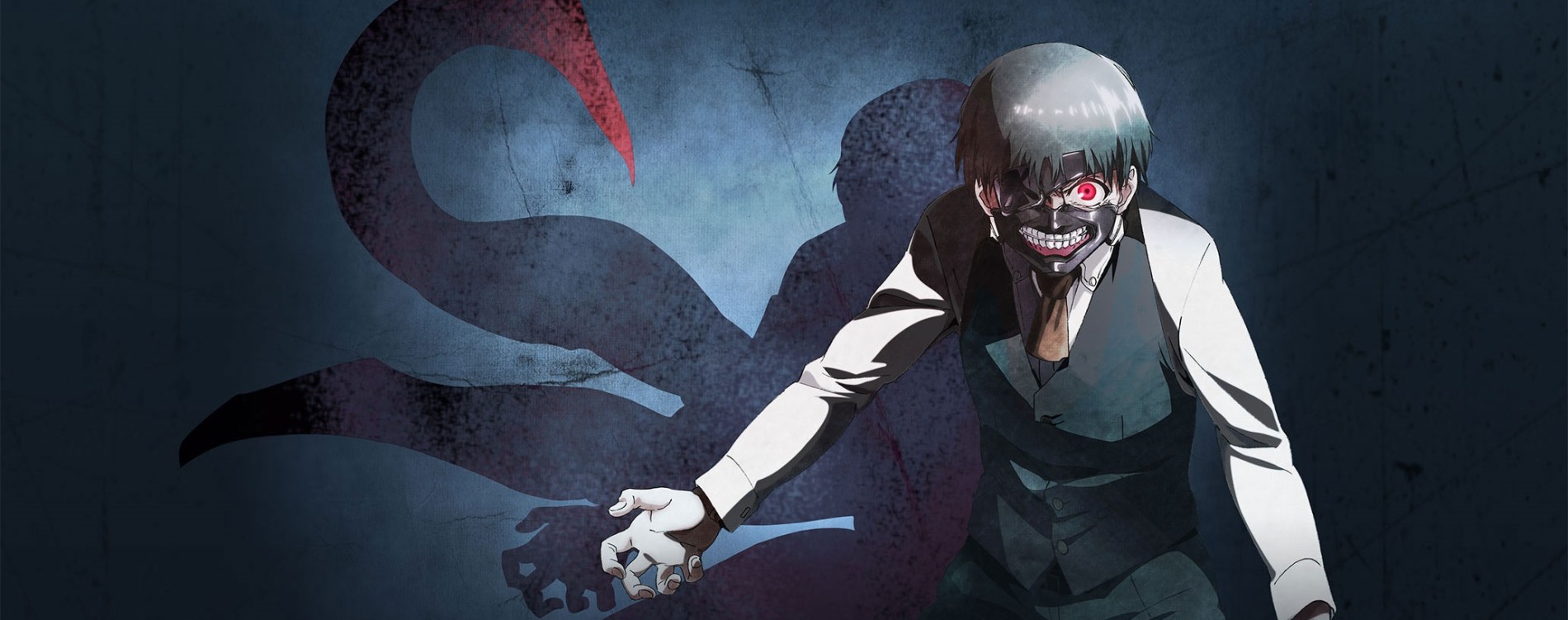
That’s the core vibration of Tokyo Ghoul: not horror as spectacle, but horror as recognition. It’s the dread of looking in the mirror and seeing your reflection blink back with alien hunger—of realizing your empathy has become a liability, your kindness a wound you keep reopening. This isn’t supernatural escapism. It’s psychological claustrophobia dressed in urban decay: rain-slicked alleys reeking of blood and damp concrete, fluorescent signs flickering over abandoned convenience stores, the muffled thud of a heartbeat echoing louder than any scream. You don’t fear the ghouls because they’re monstrous—you fear them because their pain is articulated, their survival negotiated, their identity sutured from trauma and shame. It makes you question what “human” even means when morality bleeds into biology—and when every meal becomes an act of violence against yourself.
That same weight, that same suffocating intimacy between choice and consequence, lives in The Witcher 3: Wild Hunt. Its description calls it a “war-torn, monster-infested continent”—but the real terrain is Geralt’s silence after a contract goes sideways, the way his voice catches when Ciri’s name slips out raw and unguarded. Player reviews call it “Emotional Narrative” and “Adult & Dark Seinen”—not because it’s grim for grimness’ sake, but because its tragedies land like bruises: a mother’s grief isn’t backstory—it’s a quest that hollows you out, then asks you to make peace with the hollow. Like Kaneki choosing between the Anteiku safehouse and the CCG’s sterile labs, Geralt’s decisions aren’t good vs. evil—they’re survival vs. self-betrayal, repeated until your thumbs ache from holding the weight.
Then there’s The Witcher 2: Assassins of Kings Enhanced Edition, where the description says “armies on the march are not enough to stop a beast”—and the player review notes it feels “more thoughtfully designed” than its sequel. That precision mirrors Tokyo Ghoul’s surgical brutality: no fight scene is just action. Every clash in The Witcher 2 carries political gravity—like Kaneki’s first fight in the 20th Ward, where victory doesn’t mean safety, only deeper entanglement in a system that grinds both humans and ghouls to dust. The game’s “Dark Fantasy” dimension isn’t dragons or spells—it’s the way a king’s decree can turn a healer into a target, just as the CCG’s protocols turn Kaneki’s body into evidence.
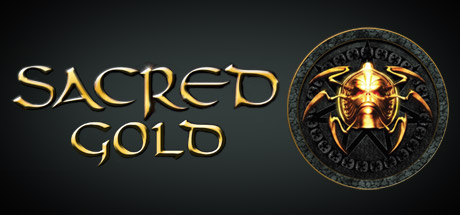
Even Sacred Gold, buried under jank and instability (“Full of bugs… not very stable”), shares that raw, unvarnished survival pulse. Its description frames Ancaria as a kingdom fallen under “a shadow of evil”—not abstract, but perilous, immediate, demanding constant recalibration of strength and ethics. You don’t level up to transcend suffering; you grind because stopping means being torn apart by orcs now. That’s Kaneki’s reality too—not epic destiny, but the visceral, grinding necessity of hiding your claws while ordering ramen, of swallowing blood pills that taste like rust and regret.
Who lives for this? Not the viewer who wants catharsis. Not the player chasing power fantasies. It’s the one who keeps rewinding Kaneki’s hospital scenes—not for gore, but for the micro-expression when he tries, and fails, to smile at Touka. It’s the player who replays Geralt’s conversation with Triss not for romance options, but for the way his knuckles whiten when he lies about remembering her. It’s the person who boots up a glitchy, 20-year-old RPG not for polish, but for the honesty in its broken systems—the way its instability mirrors how fragile identity really is. They love stories where horror isn’t outside the door—it’s in the throat, in the pulse, in the quiet second before you decide whether to feed… or starve. Where every choice leaves a scar, and every scar whispers: you are still becoming.
🎮57 Games That Match the Vibe







Match Dimensions Explained
❓Frequently Asked Questions
Why does The Witcher 3 keep coming up when I search for games like Tokyo Ghoul?
Because both dive deep into morally gray worlds where monstrous identity clashes with humanity—like Geralt’s mutations and Ciri’s powers mirroring Ken Kaneki’s half-ghoul struggle. The emotional weight of choices (e.g., deciding Triss or Yennefer’s fate in The Witcher 3) echoes Tokyo Ghoul’s gut-wrenching loyalty tests, and the ‘Adult & Dark Seinen’ dimension fits perfectly.
Is there a Tokyo Ghoul video game adaptation I should play?
No official, well-regarded Tokyo Ghoul game exists—none made it onto this curated list. Instead, fans lean into titles that *feel* like the series: The Witcher 2’s political intrigue and brutal personal stakes (like Roche vs. Iorveth branching paths) deliver that same intense, consequence-heavy atmosphere without relying on anime licensing.
How does Dark Messiah of Might & Magic compare to The Witcher 2 for Tokyo Ghoul vibes?
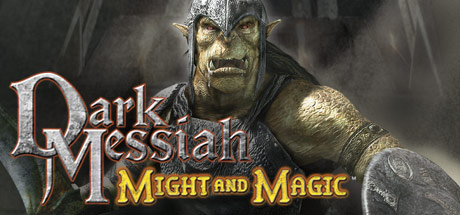
Dark Messiah nails the visceral, close-quarters horror—think Kaneki’s first fight with Rize, but with bone-crunching melee physics and environmental takedowns (slamming enemies into walls, using traps). The Witcher 2 trades that raw spectacle for layered dialogue trees and morally suffocating choices (e.g., siding with Scoia’tael or Nilfgaard), hitting Tokyo Ghoul’s psychological tension harder.
What’s the best Tokyo Ghoul-like game if I want that brooding, rain-soaked, ‘hunted monster’ mood?
The Witcher: Enhanced Edition Director’s Cut—it’s got that gritty, grounded tone from day one: Geralt hunted by witch hunters, branded a freak, forced to navigate suspicion in every tavern. Scenes like the Bloody Baron’s estate or the cursed village of Vizima drip with the same oppressive, melancholic dread as Kaneki’s early days in the 20th Ward.