Silent Hill Homecoming
🎮Game Details
💬What Players Say
"everyone is leaving negative reviews because the game crashes too much. But It's really a good thing because it means you don't have to play the game."
"I really like this game. The bosses are really unique and scary and it's very charmingly of-its-time gameplay-wise."
"First of all, I had to play the game on PS3 because the steam version crashed on me too many times and I couldn't play the game on steam 💀. Also, the lighting in the game was really bad in some places. The camera placement in the game was also goated [sarcasm]...."
📝Editorial Analysis
The flicker—just before the crash. That’s the moment that lingers: Alex Shepherd stepping into the fog-choked intersection of Silent Hill, flashlight beam trembling in his hand, the radio static rising like breath catching in the throat… and then black. Not a fade, not a cut—just the sudden, jarring silence of the PS3 fan whining back to life. One player says it’s “a good thing” the game crashes so much—because you don’t have to play it. Another plays on PS3 just to avoid the Steam version’s instability, enduring muddy lighting and stuttering shadows just to stay inside that world a little longer. It’s not immersion—it’s interference: the hardware groaning under the weight of what the town demands you hold. You’re not watching Alex unravel—you’re feeling the system strain to render his disintegration.
What makes Silent Hill Homecoming ache like this isn’t its monsters or fog (though both are there), but how relentlessly it ties fragility to access. The town doesn’t just distort reality—it corrupts the interface itself. Bad lighting isn’t a flaw; it’s the visual corollary to Alex’s fraying memory. Crashes aren’t bugs—they’re involuntary blackouts, mirroring his lapses, his brother’s absence, the town’s refusal to be fully known. You don’t solve puzzles here—you endure them, fingers stiff on unresponsive controls, waiting for the next glitch to confirm: nothing is stable, nothing is whole, not even the ground beneath your controller. It’s less about fear of death and more about the dread of continuity breaking—of waking up mid-sentence, mid-step, mid-self.
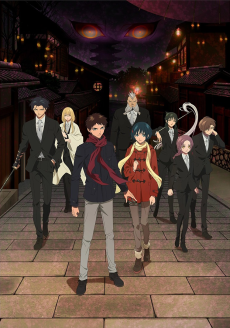
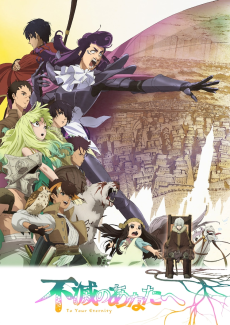
That exact tremor lives in Made in Abyss: Wandering Twilight, where descent isn’t progress—it’s erosion. The Body Horror isn’t spectacle; it’s slow, irreversible unmaking, like Alex’s fractured recollection made flesh. The Survival & Crafting dimension isn’t about resource bars—it’s about binding wounds with scavenged wire while your own bones hum with alien resonance, just as Alex tapes his flashlight together between hallucinations. And the Adult & Dark Seinen pulse? It’s in the quiet horror of realizing you’ve stopped asking what happened and started wondering if you were ever supposed to remember at all.
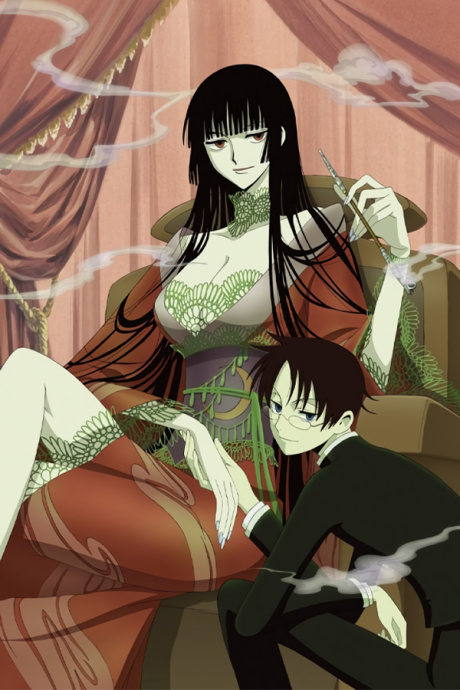
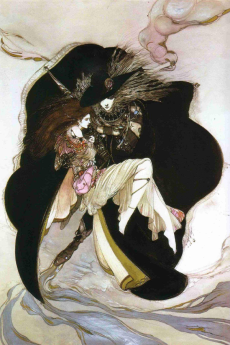
Then there’s Fate/stay night [Heaven’s Feel] III. spring song, where every spell incantation feels like holding a live wire—and every cut to Sakura’s trembling hands mirrors Alex’s grip on his own sanity. The Body Horror isn’t grotesque for shock; it’s intimate, internal—the way her skin pulses with something ancient and wrong, like Alex’s reflection warping in a rain-slicked window he knows shouldn’t be there. Occult isn’t lore—it’s inheritance, guilt coded into blood and bone. Survival isn’t evasion; it’s choosing which truth to bury deeper: the one about your brother, or the one about yourself. Both demand you stare into a mirror that shows only static—and keep walking.
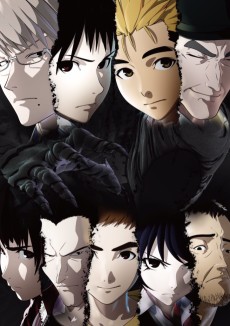
And Hell’s Paradise Season 2—not with grand battles, but with the way Gabimaru’s body betrays him mid-leap: tendons snapping like frayed wires, vision tunneling as poison floods his veins. That’s the same physical dissonance Alex feels when the screen stutters just as a monster lunges—not because the engine failed, but because his nervous system did first. No exposition needed. Just the gut-drop of muscle memory failing, light bleeding out of the frame, and the chilling certainty: this isn’t gameplay—it’s physiology collapsing.
This pairing isn’t for fans of polished scares or seamless worlds. It’s for the ones who lean in when the audio cuts out—because they know the silence holds more than sound. It’s for people who rewatch scenes not for plot, but for the way a character blinks too slowly, or how a shadow lingers half a second too long on the wall. It’s for those who’ve ever held a controller during a crash and felt, weirdly, relieved—like the game finally admitted what they already knew: some truths won’t load, some doors won’t open, and some brothers are gone in ways no save file can fix. They don’t want answers. They want the weight of the question—heavy, unstable, and utterly, devastatingly real.
→63 Anime That Match the Vibe

The body as a site of transformation and terror — both push physical boundaries.

The body as a site of transformation and terror — both push physical boundaries.
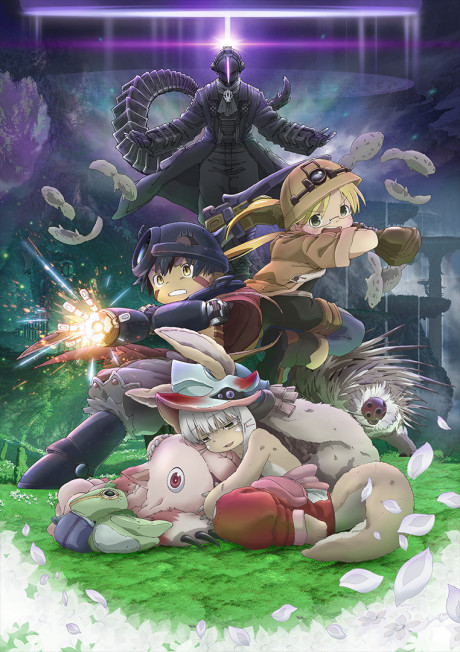
Riko’s descent into the Twilight in *Wandering Twilight*—where her body fractures and reassembles amid bioluminescent decay—mirrors Alex Shepherd’s grotesque transformations in *Silent Hill: Homecoming*, both weaponizing **Body Horror & Occult** to externalize inherited trauma. Unlike most survival narratives, neither offers catharsis through mastery; instead, Alex’s desperate crafting of makeshift weapons and Riko’s trembling attempts to stabilize her unraveling form frame **Survival & Crafting** as acts of fragile, self-eroding will. That resonance feels unsettlingly intimate—not because they’re similar, but because each forces its protagonist to *become* the horror they seek to escape.

The body as a site of transformation and terror — both push physical boundaries.

The body as a site of transformation and terror — both push physical boundaries.

The body as a site of transformation and terror — both push physical boundaries.

The body as a site of transformation and terror — both push physical boundaries.
The body as a site of transformation and terror — both push physical boundaries.

Kageyama’s climactic psychic meltdown in *Mob Psycho 100 II*’s “Divine Tree Arc”—where his repressed trauma warps reality into fleshy, pulsating architecture—mirrors Alex Shepherd’s descent through Silent Hill’s shifting, biomechanical corridors. Unlike most psychological thrillers, both weaponize 🖤 Adult & Dark Seinen dread not for shock, but to anatomize how suppressed guilt metastasizes into literalized body horror. That resonance feels startlingly precise: trauma doesn’t just haunt—it *grows*, grotesque and undeniable.
The body as a site of transformation and terror — both push physical boundaries.
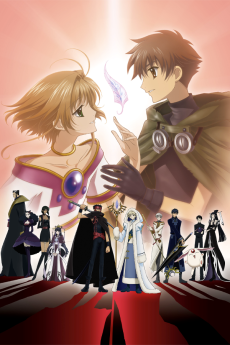


![Fate/stay night [Heaven’s Feel] III. spring song](https://s4.anilist.co/file/anilistcdn/media/anime/cover/large/bx21719-MSdTlkno0Z0u.jpg)


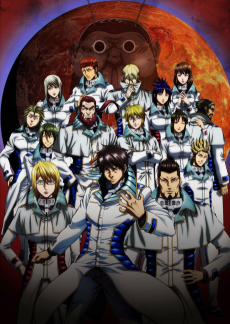
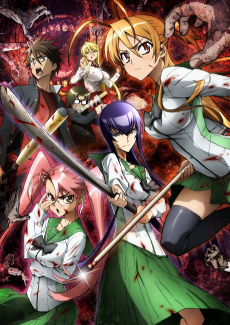


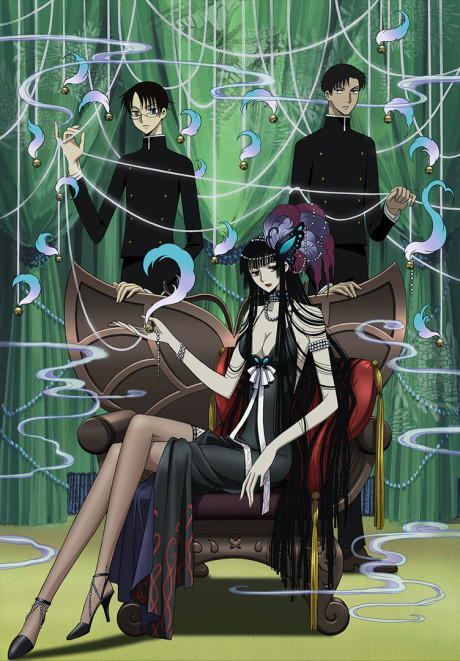
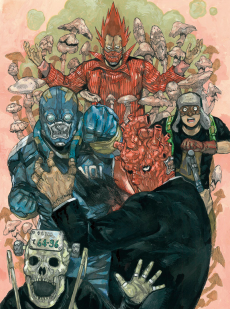






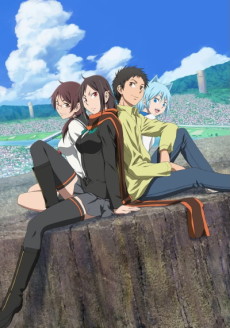


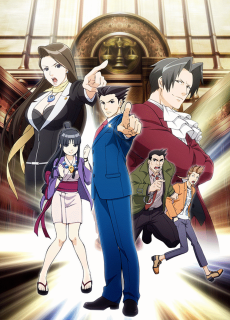

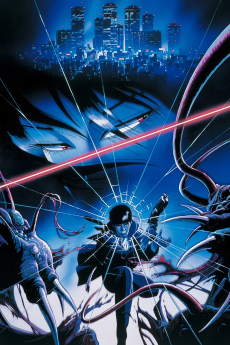
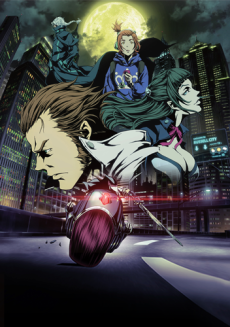


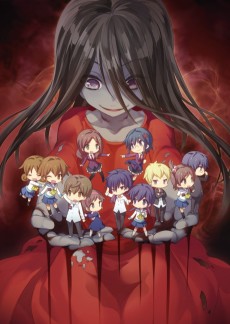
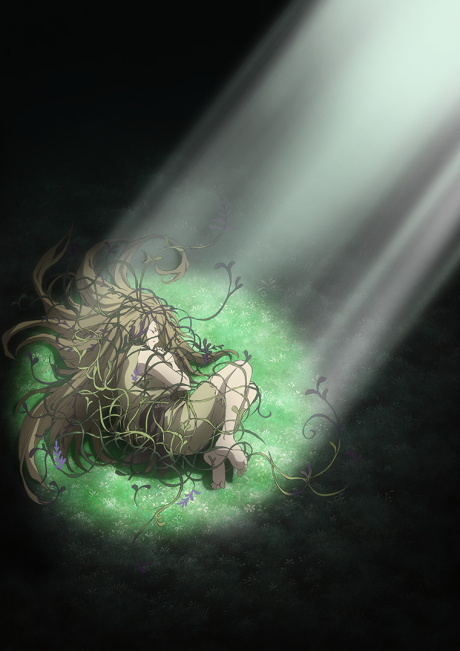

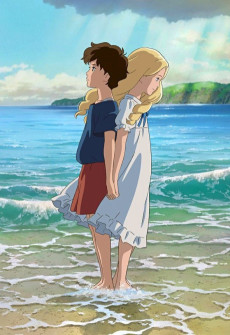

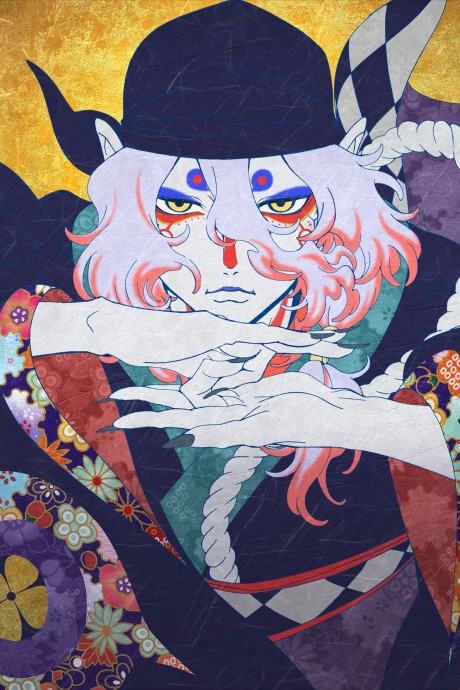
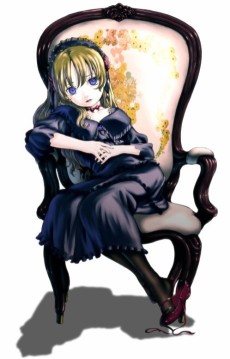
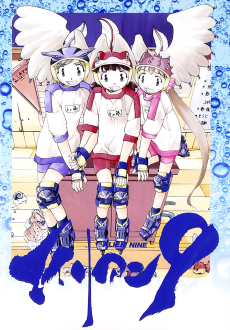


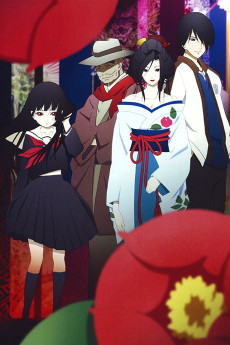

Match Dimensions Explained
❓Frequently Asked Questions
Why is Made in Abyss: Wandering Twilight recommended for Silent Hill Homecoming fans?
Because both hit that same gut-punch of descending into a decaying, fog-choked world where reality unravels—like when Riko and Reg descend into the Twilight Line’s bioluminescent hellscape, their bodies warping under grotesque environmental pressure, mirroring Alex Shepherd’s disintegrating grip on truth as he walks Shepherd’s Glen’s collapsing streets. The Body Horror & Occult dimension (72 score) nails Homecoming’s vibe: think Pyramid Head’s rusted geometry meets the Abyss’s flesh-and-bone mutations, all wrapped in oppressive, slow-burn dread.
Is there an anime adaptation of Silent Hill Homecoming?
No—there’s never been an official anime adaptation of Homecoming (or any Silent Hill game, really). Konami hasn’t greenlit one, and the closest we’ve gotten are fan edits or clips from the PS3 version’s famously janky lighting—like those grainy, flickering hallway scenes where shadows swallow characters whole, which fans ironically love for how they accidentally amplify the psychological unease.
How does Fate/stay night [Heaven’s Feel] III. spring song compare to Silent Hill Homecoming in tone?
Both weaponize guilt and fractured memory: just like Alex relives his brother’s disappearance through glitchy flashbacks and distorted radio static, Shirou grapples with Sakura’s trauma through surreal, blood-soaked dream logic—especially in the ‘True Ending’ where her corrupted shadow self manifests like a boss fight straight out of Homecoming’s Otherworld. Their shared 64-score in Body Horror & Occult means you’ll get visceral, symbolic grotesquerie—not just gore, but meaning rotting from within.
What’s the best anime like Silent Hill Homecoming if I want that ‘crashing, unreliable reality’ vibe?
Hell’s Paradise Season 2—it’s got that same disorienting, system-breaking tension: when Gabimaru’s body mutates mid-fight or the island’s terrain shifts without warning, it mimics Homecoming’s infamous crashes *as aesthetic*, like the game’s bugs accidentally reinforcing Alex’s unraveling sanity. Even the lighting feels intentional—deep shadows swallowing characters whole, just like those PS3-only scenes where ambient occlusion fails and darkness becomes a character.