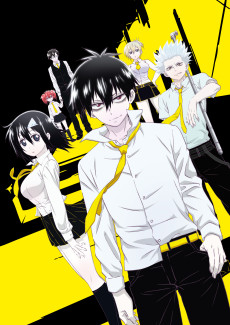
Blood Lad: Wagahai wa Neko de wa Nai
Bundled with the tenth limited-edition volume of Blood Lad manga.
📺Anime Details
📝Editorial Analysis
The first time Staz’s apartment flickers under that bruised-purple neon glow—cigarette smoke curling past a half-unpacked box of Dragon Ball Z DVDs, his fangs catching the light as he sighs over a cracked laptop screen playing Touhou Project—you feel it: not horror, not awe, but recognition. This isn’t a demon lair. It’s an otaku’s basement transplanted into the Demon World—cluttered, self-aware, humming with the low thrum of something almost tragic, if it weren’t so stubbornly, tenderly human.



That’s the core feeling Blood Lad: Wagahai wa Neko de wa Nai cultivates—not grand mythos or cosmic dread, but intimacy in the grotesque. Its atmosphere lives in the gap between body horror and banality: a vampire who bleeds glitter when stressed, a ghost girl whose spectral form glitches like corrupted RAM, a kemonomimi heroine whose tail twitches with nervous energy while she debates whether to reboot her cursed Nekomimi mod. It’s seinen, yes—but not the brooding kind. It’s the kind that knows trauma wears sweatpants, that grief tastes like convenience-store melon soda, and that love often begins with someone fixing your broken emulator. You don’t feel small in this world—you feel seen, precisely because nothing is polished, nothing is sacred, and everything leaks emotional static.
Which is why Vampire: The Masquerade – Bloodlines resonates so deeply—not because both feature vampires, but because both treat the supernatural as infrastructure. In Bloodlines, vampirism isn’t power fantasy; it’s chronic fatigue, social anxiety coded as bloodlust, and the constant, low-grade panic of maintaining a facade. The player review nails it: “BUY IT ON GOG; if you want to use the steam version you need to download the unofficial patch…” That line isn’t just tech talk—it’s tone. Like Staz wrestling with his own game console mid-battle, Bloodlines forces you to tinker, patch, and negotiate with broken systems—because surviving here means working with the glitch, not around it. The “Dark Fantasy, Body Horror & Occult” dimension isn’t spectacle—it’s the visceral drag of fangs sinking too deep, of skin peeling during a failed discipline roll, of realizing your character’s hunger isn’t metaphorical. It’s the same exhaustion Staz feels trying to explain anime tropes to a literal demon bureaucrat.
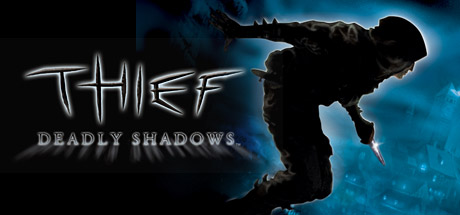
Then there’s Thief: Deadly Shadows, where Garrett moves through candlelit alleys thick with whispered prayers and rotting floorboards—and the world feels alive, just like the anime’s Demon World does when a stray cat knocks over a stack of manga in the background of a tense negotiation. The player review calls it “the best stealth game, rich atmosphere and the world feels alive…” That aliveness isn’t visual polish—it’s texture: the way dust motes hang in slanted light, how guards mutter about rent hikes in Hell’s District 7, how a single creak echoes like guilt. Blood Lad shares that tactile weight—the sticky residue of spilled juice on a spellbook, the muffled thump of bass from a neighboring ghoul’s apartment, the way a character’s voice cracks mid-sarcastic retort because they’re tired, not dramatic. Both refuse to flatten their worlds into backdrops. They insist on clutter, consequence, and quiet, unscripted breaths between crises.
And Alice: Madness Returns, with its Victorian London bleeding into Wonderland’s warped logic—“Visit the grim reality… and travel to the beautiful yet ghastly Wonderland…”—mirrors how Blood Lad treats trauma: not as a wound to be healed, but as a geography. Alice’s hallucinations aren’t metaphors—they’re architecture. So are Staz’s flashbacks: jagged, non-linear, scored with chiptune stings and sudden silence. The player review’s frustrated, loving precision—“You have to edit the FPS cap manually in a config file…”—echoes the anime’s ethos: meaning isn’t handed to you. It’s recovered, patched together, sometimes duct-taped. You don’t “beat” the madness—you learn its rhythm, its faulty wiring, its stubborn, glittering heart.
This pairing isn’t for fans of “dark fantasy” as genre wallpaper. It’s for the person who pauses mid-gameplay to reorganize their Steam library by release year, who cries at a boss fight and laughs at the loading screen tip about proper ramen broth temperature, who keeps a shrine of bootleg figurines next to their tax documents. It’s for the viewer who watches Staz try—and fail—to cook instant ramen twice before giving up and ordering takeout, then immediately recognizes themselves in Geralt’s weary shrug after another morally ambiguous contract. These are stories built for those who know healing isn’t linear, horror isn’t always loud, and the most radical act in any broken world is choosing to make coffee, even if the pot’s cracked.
🎮72 Games That Match the Vibe











Match Dimensions Explained
❓Frequently Asked Questions
Why does Vampire: The Masquerade - Bloodlines keep showing up in 'Games Like Blood Lad' lists?
Because it nails that same blend of snarky, morally gray supernatural characters and darkly comedic worldbuilding — like when you play as a fledgling vampire navigating L.A.'s blood-soaked nightclub scene while juggling rival clans and your own hunger mechanics. It’s got the same adult-oriented, dark-seinen vibe as Blood Lad: think Staz’s chaotic charm meets Smiling Jack’s ruthless pragmatism, all wrapped in body-horror transformations and occult bureaucracy.
Is there an anime or game adaptation of 'Wagahai wa Neko de wa Nai'?
No — there’s no official anime or game adaptation of *Wagahai wa Neko de wa Nai* (the manga sequel to *Blood Lad*). But if you’re craving that same tone — deadpan yokai banter, grotesque yet stylish monster designs, and Tokyo-underground-meets-demon-world worldbuilding — *Alice: Madness Returns* delivers hard: just imagine Alice’s distorted Victorian London as a stand-in for Blood Lad’s Shibuya demon district, with the Queen of Hearts’ twisted logic echoing Staz’s stubborn, cat-obsessed logic.
How does Thief: Deadly Shadows compare to Dark Messiah of Might & Magic for Blood Lad fans?
Both lean into dark fantasy and visceral combat, but *Thief: Deadly Shadows* is all about sly, atmospheric stealth — think Staz sneaking past Demon Lord guards to rescue Fuyumi — while *Dark Messiah* goes full berserker melee, with dismemberment physics and spell-enhanced kicks that feel like watching Wolf’s brutal, over-the-top takedowns. If you love Blood Lad’s balance of slapstick and sudden gore, *Dark Messiah* scratches that itch harder; if you prefer its quieter, more sarcastic tension, *Thief* is your pick.
What’s the best game like Blood Lad if I want something dark but with absurd humor and messed-up charm?
Go straight to *Alice: Madness Returns* — it’s got that exact cocktail: a traumatized, sharp-tongued protagonist (Alice = Staz’s emotional volatility + dry wit), grotesque-yet-beautiful art direction (Wonderland’s decaying splendor mirrors Blood Lad’s demon realm), and surreal, self-aware humor that lands like Staz’s terrible puns or Bell’s exasperated sighs. Even the player review admitting it ‘kinda works after editing config files’ feels like something Bell would mutter while fixing Staz’s latest magical disaster.