Manhunt
You awake to the sound of your own panicked breath. In Manhunt, you must run, hide and fight to survive. If you can stay alive long enough, you may find out who did this to you. This is a brutal blood sport.
🎮Game Details
💬What Players Say
"This is disgusting. Not because of the graphic content, but because Cockstar released a PAID STEAM COPY of this game that's unplayable due to anti-piracy measures!"
"Just all around fun, I enjoy beating the life out of these bad guys. For people saying this game is too gorey, its ps2 graphics dude, cmon."
"It's ♥♥♥♥♥♥ up. I'm telling you, pirate the game."
📝Editorial Analysis
You wake up gasping—your own panicked breath tearing from your throat in the dark. No memory. No name. Just concrete dust in your mouth, the distant whine of surveillance drones, and the wet thunk of something heavy hitting pavement just beyond the dumpster where you’re curled. That’s not a cutscene—it’s the first five seconds of Manhunt, ripped straight from its official description: “You awake to the sound of your own panicked breath.” It’s not about control. It’s about violation—of your body, your autonomy, your very sense of continuity. And then comes the review that nails it: “This is disgusting… not because of the graphic content, but because Cockstar released a PAID STEAM COPY… unplayable due to anti-piracy measures!” The horror isn’t just in the gore—it’s in the betrayal. You paid to be trapped. You paid to be broken. You paid to be watched, and then denied even the dignity of functional software. That dissonance—between intention and execution, agency and sabotage—is the game’s true signature.
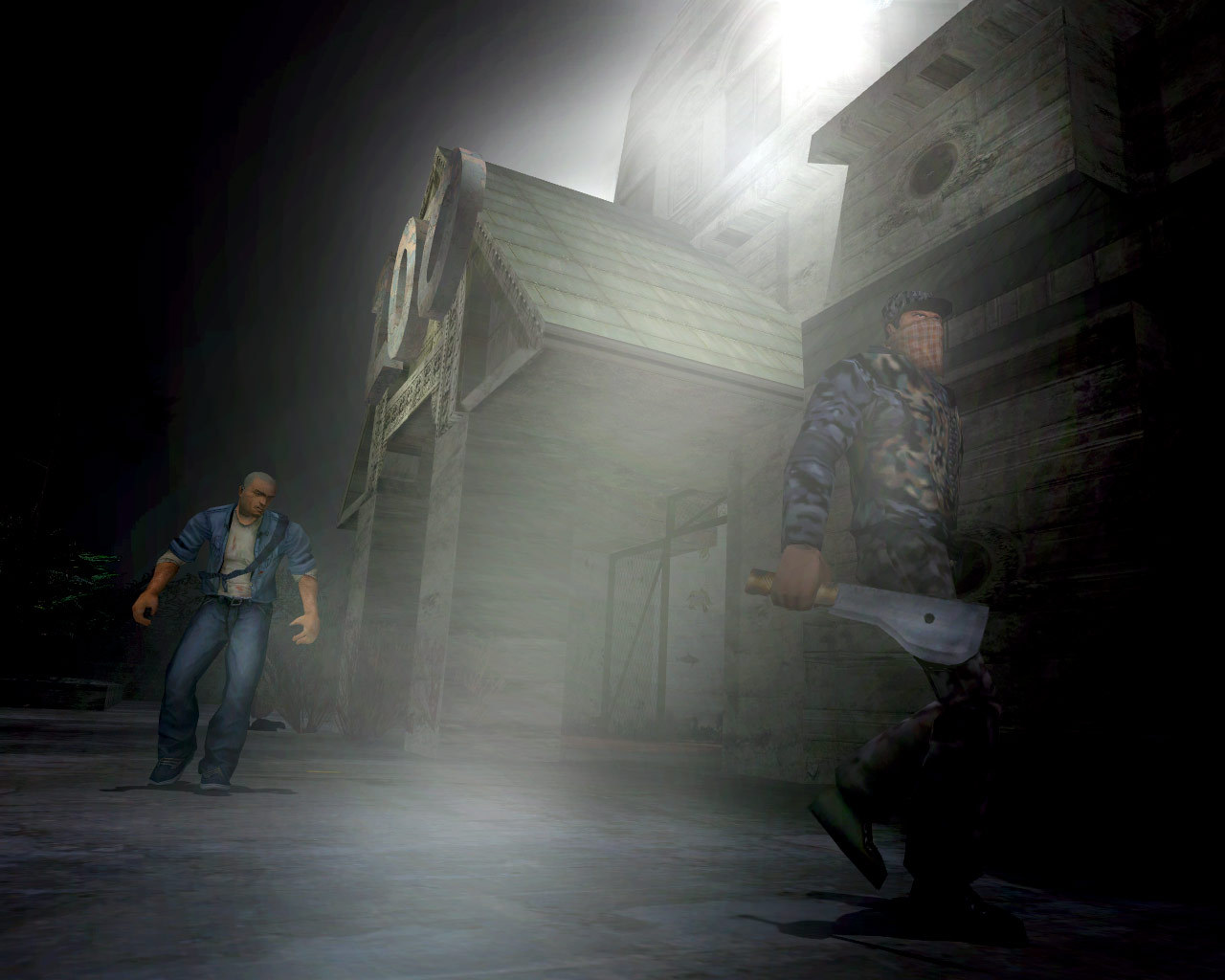
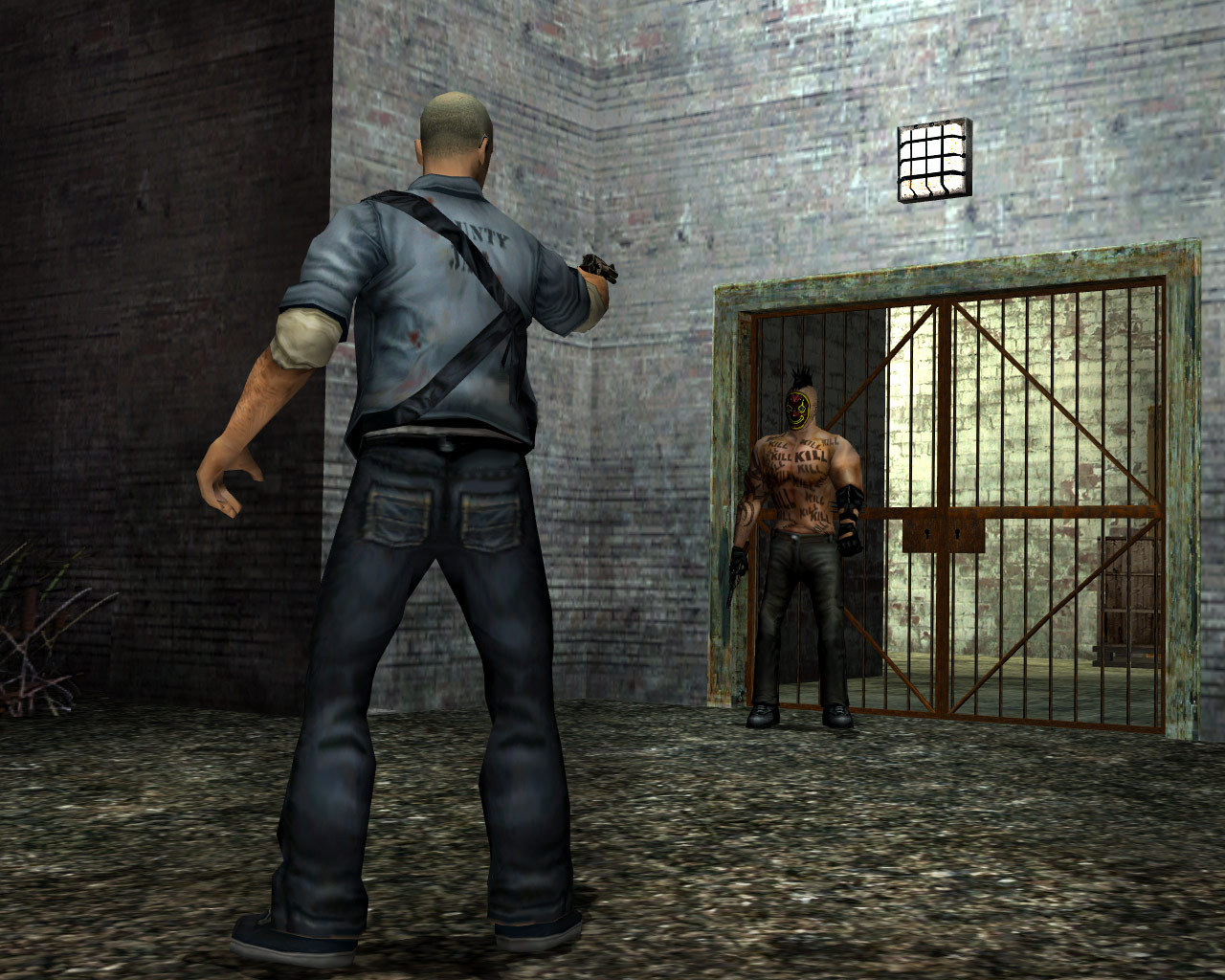
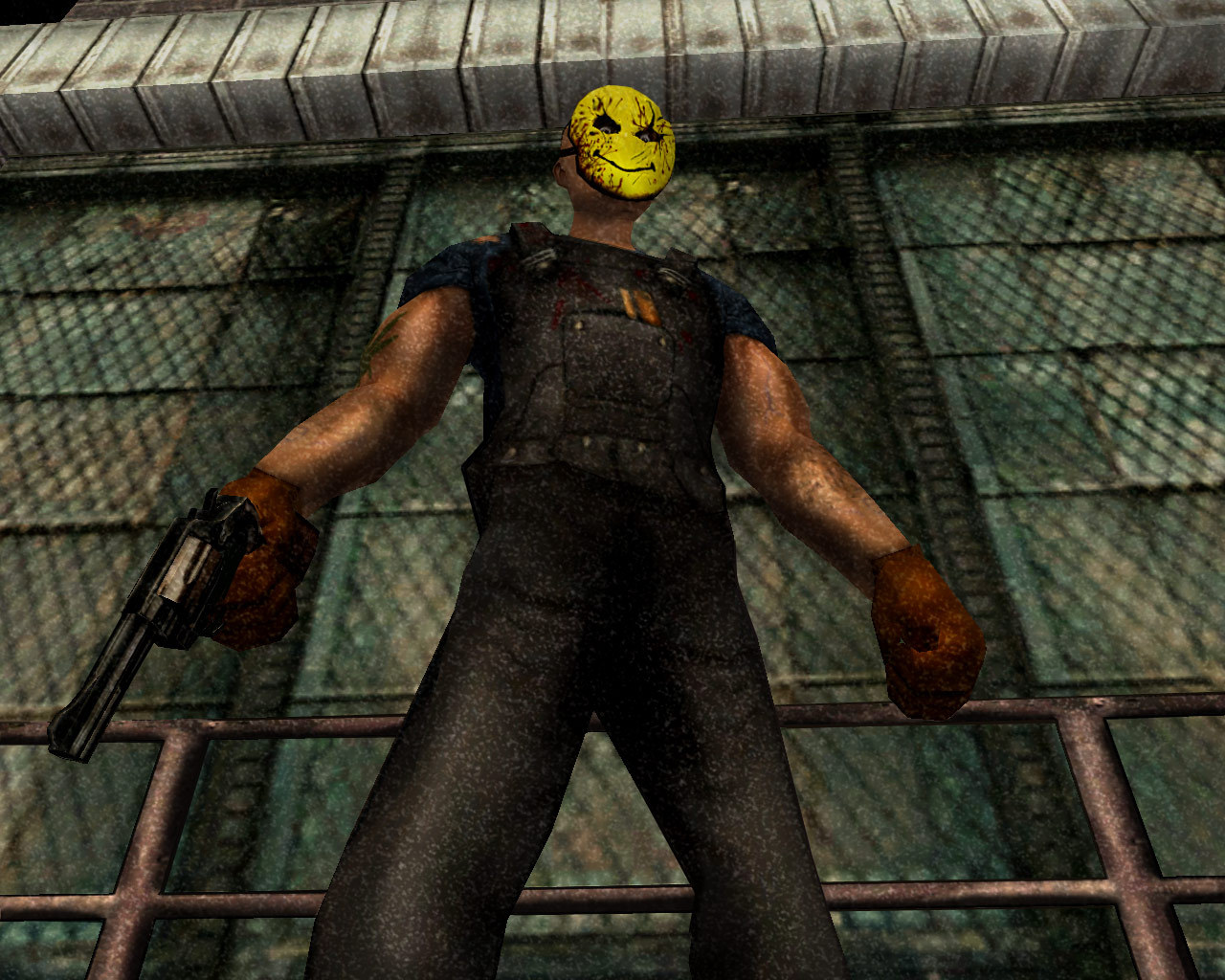
What makes Manhunt’s atmosphere singular isn’t its PS2-era textures or its stealth mechanics—it’s the claustrophobia of complicity. Every kill feels less like triumph and more like surrender to the voyeuristic gaze of the unseen “Director.” You don’t choose violence—you perform it under duress, for an audience you can’t fight, in environments rigged to punish hesitation. Player Review 2 shrugs: “cmon… ps2 graphics dude,” as if visual fidelity dilutes moral weight—but it does the opposite. The jagged, low-res limbs, the stiff animations, the way enemies twitch like corrupted puppets—they make the brutality feel uncanny, not cartoonish. It’s not shock for shock’s sake; it’s dread worn thin, fraying at the edges until you question whether survival is even desirable. You don’t feel powerful. You feel used. And worse—you start to wonder if you’re enjoying being used.
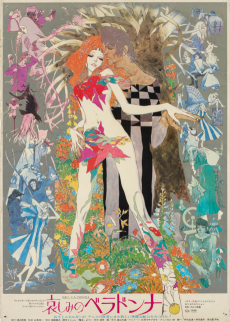
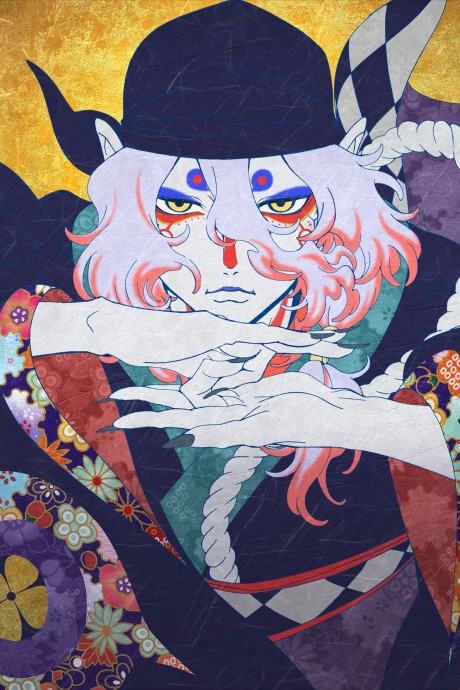
That same suffocating resonance lives in Made in Abyss: Wandering Twilight, where descent isn’t adventure—it’s metabolic unraveling. The Body Horror & Occult dimension isn’t spectacle; it’s slow, irreversible transformation, like when Reg’s arm bleeds black ichor and his bones begin singing. Survival & Crafting here isn’t resource management—it’s jury-rigging sanity with fraying rope and rusted wire. Like Manhunt, every decision carries occult consequence: you don’t just climb deeper—you consent to dissolution. Then there’s Paprika, where the Neon Noir isn’t aesthetic—it’s neurological. The dream-world glitches aren’t transitions; they’re seizures made visible. When Paprika’s parade swallows reality whole, it mirrors Manhunt’s core violation: your mind isn’t yours to navigate—it’s a stage, wired, lit, and scored by forces you didn’t invite. Both weaponize disorientation until orientation itself feels like a lie. And Kizumonogatari Part 2: Nekketsu—that blood-soaked, crimson-drenched confrontation—doesn’t glorify violence. It stares at it. The Body Horror & Occult here is visceral: teeth shattering, skin peeling like old paint, time distorting as Kiss-Shot’s regeneration becomes less resurrection and more reassembly. Like Manhunt, the fight isn’t about winning—it’s about enduring the grotesque intimacy of your own breaking point, witnessed.
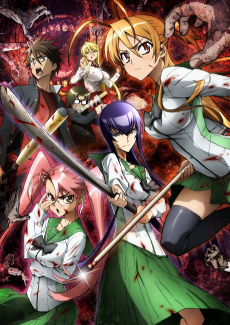
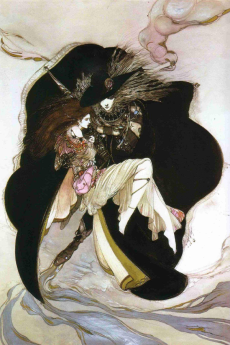
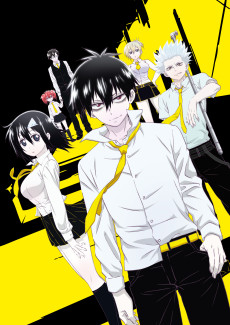
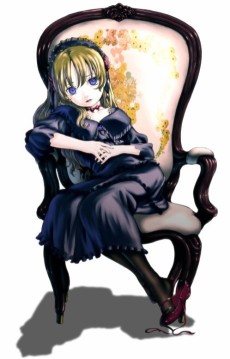
This isn’t for players who want mastery. Not for viewers who crave catharsis. It’s for the ones who recognize dread as texture—the ones who pause mid-gameplay not to reload, but to catch their breath because their pulse is too loud. It’s for the person who watches Hell’s Paradise Season 2, sweat on their upper lip, not because of the action—but because Gabimaru’s hand trembles just so as he chooses which part of himself to sever next. It’s for the reader who flips back through Fate/stay night [Heaven’s Feel] III. spring song, not for the magic, but for the silence after Sakura’s final incantation—when the air tastes like burnt sugar and static. These pairings speak to those who understand that horror isn’t what jumps out of shadows—it’s the shadow you grow into, slowly, inevitably, while someone else holds the light. They love the weight of consequence. They love the sting of compromised ethics. They love the quiet, terrifying thrill of realizing—I’m still breathing. But why?
→61 Anime That Match the Vibe
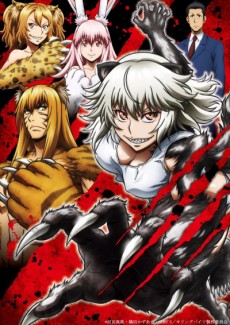
The body as a site of transformation and terror — both push physical boundaries.

The body as a site of transformation and terror — both push physical boundaries.

That gut-churning moment when Paprika’s parade of distorted, melting faces floods the screen mirrors Manhunt’s first-person view of a shattered jaw snapping shut mid-scream—both weaponize 🖤 Adult & Dark Seinen through visceral body horror that refuses to let the viewer look away. Where Manhunt traps you in a decaying urban hellscape lit by flickering neon signs and distant police sirens, Paprika’s dream machine dissolves reality into a similarly oppressive, kaleidoscopic noir labyrinth. Their shared obsession with fractured identity isn’t metaphorical—it’s physical, grotesque, and terrifyingly immediate.

The body as a site of transformation and terror — both push physical boundaries.
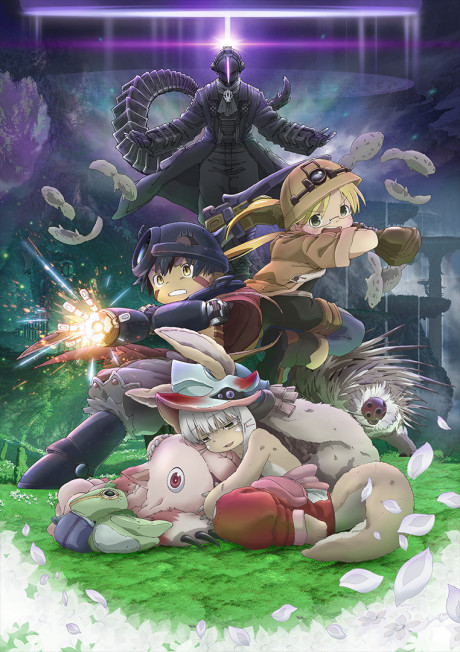
Riko’s descent into the Twilight of the Abyss—where flesh mutates and time unravels—mirrors the choked, ragged breath of Manhunt’s unnamed protagonist awakening in darkness. Unlike most survival narratives, both weaponize body horror & occult dread not for shock, but as structural logic: every wound, every transformation, every whispered broadcast is a clue to a buried, violating truth. That Wandering Twilight frames Riko’s maternal mystery through visceral decay—and Manhunt forces you to *perform* degradation—makes their resonance unnervingly precise.
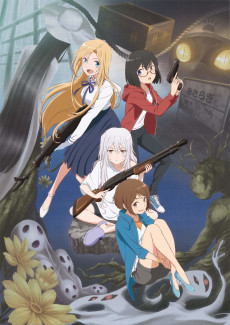
The body as a site of transformation and terror — both push physical boundaries.

The body as a site of transformation and terror — both push physical boundaries.
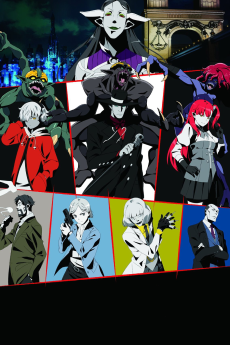
The body as a site of transformation and terror — both push physical boundaries.
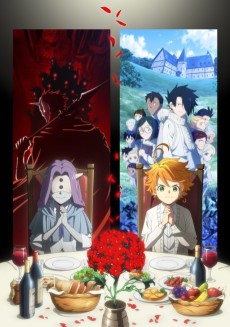
The body as a site of transformation and terror — both push physical boundaries.
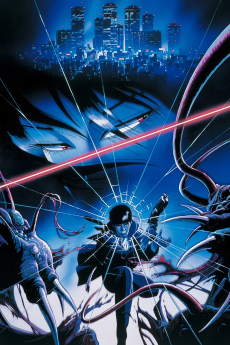
The body as a site of transformation and terror — both push physical boundaries.
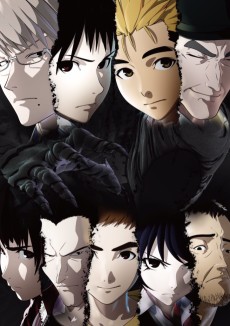
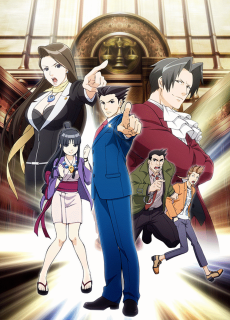
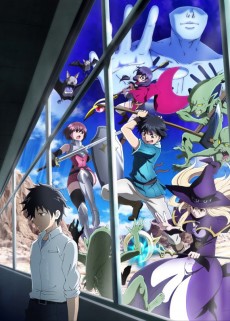
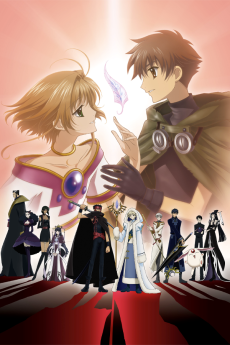
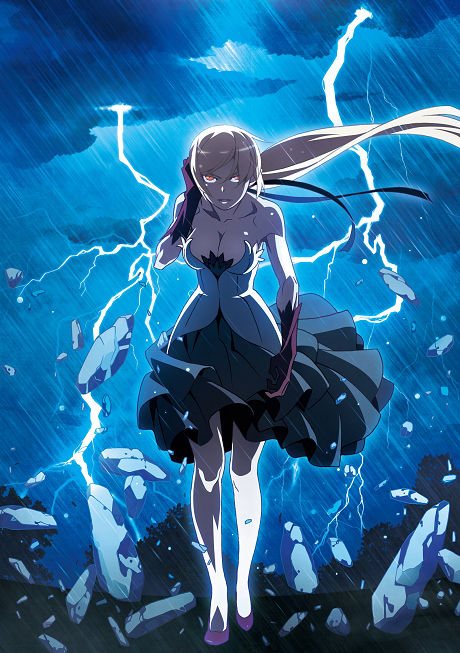



![Fate/stay night [Heaven’s Feel] III. spring song](https://s4.anilist.co/file/anilistcdn/media/anime/cover/large/bx21719-MSdTlkno0Z0u.jpg)


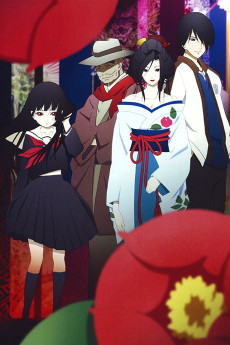











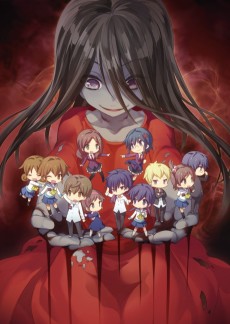
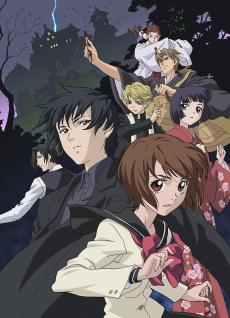
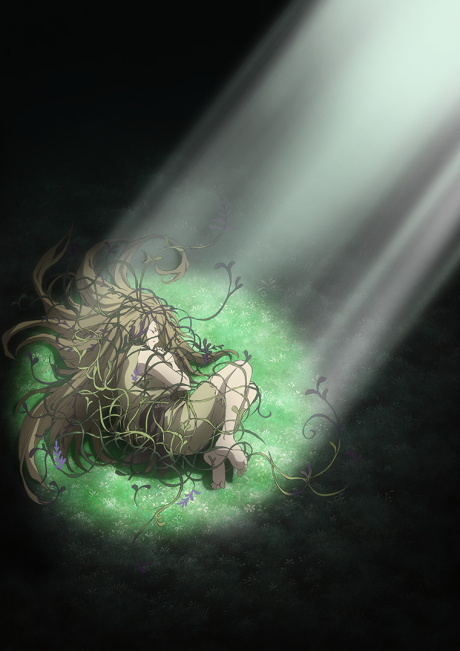

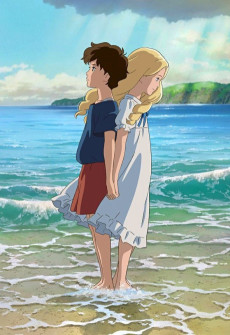



Match Dimensions Explained
❓Frequently Asked Questions
Why is Made in Abyss: Wandering Twilight recommended for Manhunt fans?
Because both trap you in a hostile, decaying environment where survival hinges on resourcefulness and visceral body horror—like Riko’s descent into the Abyss mirroring your panicked crawl through Manhunt’s slaughterhouse levels, and the grotesque transformations of Abyss creatures echo the game’s unflinching focus on physical violation and decay. The 'Survival & Crafting' dimension hits hard here: just as you scavenge pipes and bricks to improvise kills in Carcer City, Riko and Reg constantly jury-rig gear while their bodies literally unravel under pressure.
Is there an anime adaptation of Manhunt?
No—Manhunt has never been adapted into an anime, and there are no official announcements or licensed projects in development. What *does* exist are tonally aligned anime like Paprika, which shares that same suffocating, reality-bending dread: think of Paprika’s surreal chase sequences through collapsing dreamscapes—especially the distorted hospital corridor scene—mirroring Manhunt’s disorienting, claustrophobic stealth sections where every shadow hides a threat and your own breathing feels like a betrayal.
How does Hell’s Paradise Season 2 compare to Fate/stay night [Heaven’s Feel] III. spring song for Manhunt vibes?
Hell’s Paradise S2 leans harder into raw, tactical survival—like when Yamada fights barehanded in the Execution Grounds, using terrain, timing, and environmental hazards (collapsing scaffolds, acid pools) much like Manhunt’s emphasis on ambushes and improvised takedowns. Heaven’s Feel III, meanwhile, delivers more psychological body horror: Sakura’s corrupted form and the visceral, fleshy distortions during the Shadow battle channel Manhunt’s 'disgusting' unease—but with gothic weight instead of gritty immediacy.
What’s the best anime like Manhunt if I want that ‘panicked breath’ survival tension?
Kizumonogatari Part 2: Nekketsu—it opens with Koyomi’s near-death gasping in a blood-soaked alley, then escalates into relentless, close-quarters brutality where every punch, laceration, and regenerative horror feels tactile and urgent. The neon-noir lighting, sudden cuts, and sound design (that amplified heartbeat during Kiss-Shot’s transformation scenes) directly mirror Manhunt’s oppressive audiovisual rhythm—especially how both weaponize silence before violence erupts.