
The Summer Hikaru Died
Two best friends living in a rural Japanese village: Yoshiki and Hikaru. Growing up together, they were inseparable… until the day Hikaru came back from the mountains, and was no longer himself. “Something” has taken over Hikaru’s body, memories, feelings… and everything they know begins to unravel.
(Source: Netflix)
📺Anime Details
📝Editorial Analysis
The silence after the mountain wind stops. That’s the first thing you feel—not dread, not yet, but the weight of absence. Yoshiki watches Hikaru sit across the tatami floor, fingers tracing the rim of a teacup the same way he always did—but the tilt of the wrist is half a second too slow, the blink too deliberate, like someone rehearsing humanity in front of a cracked mirror. No scream, no grand reveal—just that quiet, suffocating wrongness in the ordinary: steam rising from tea, cicadas holding their breath, and the unbearable intimacy of knowing every freckle on your best friend’s face—yet not recognizing the eyes behind them.

This isn’t horror that leaps from shadows. It’s horror that settles, like dust in sunlit air—slow, inevitable, deeply personal. The Summer Hikaru Died doesn’t ask you to fear monsters; it asks you to grieve a self that’s been hollowed out and worn like borrowed clothing. The rural setting isn’t backdrop—it’s complicit. The village hums with unspoken rules, old names whispered at shrines, gods who don’t answer prayers but notice when you lie. There’s cosmic scale in how small the tragedy feels—two boys, one body, an entire mythology breathing down their necks—and yet the pain is devastatingly human: love that can’t name itself, grief that has no ritual, identity fraying at the edges like damp paper. You don’t just watch Yoshiki unravel—you feel the floor give way beneath your own assumptions about memory, consent, and what it means to be inhabited.
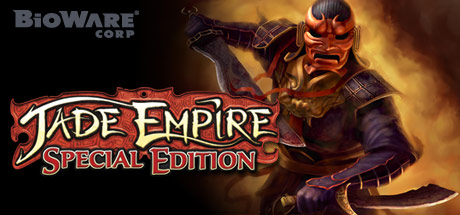
That emotional DNA pulses strongest in games where myth isn’t spectacle, but pressure. Jade Empire™: Special Edition, for instance, centers on a martial-arts master walking a path shaped by ancient philosophies—open palm or closed fist—not as combat choices, but as moral gravity. Its description names “Mythology & Folklore” and “Emotional Narrative” as core dimensions, and the player review confirms its resonance: “Fantastic game…”—not for combat systems or graphics, but for the weight of choice within a living cosmology. Like The Summer Hikaru Died, it treats belief as architecture: gods aren’t distant—they’re in the soil, the oaths, the way a character hesitates before striking. The tragedy isn’t that myths are real. It’s that they demand something of you—and you might not survive paying the price.
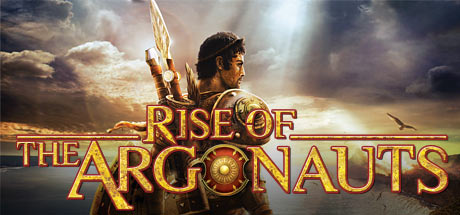
Then there’s Rise of the Argonauts, where Jason’s vow to resurrect his murdered fiancée cracks open Greek myth not as legend, but as raw, adult consequence. Its description flags “Mythology & Folklore” and “Adult & Dark Seinen”—and the player review nails the tone: “If you love games based on ancient history this one does it right…” Not “fun” or “epic,” but right—as in morally textured, historically weighted, emotionally unflinching. Like Yoshiki confronting the thing wearing Hikaru’s skin, Jason doesn’t get clarity—he gets ambiguity wrapped in divine bureaucracy, sacrifice disguised as salvation. Both stories refuse catharsis. They linger in the aftermath of violation—bodily, spiritual, relational.
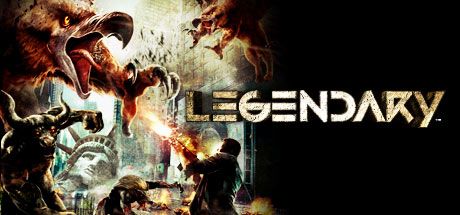
And Legendary, with its Pandora’s Box full of “creatures of ancient myth, legend and lore… sealed away… waiting,” hits the body horror axis with chilling precision. Its description explicitly names “Body Horror & Occult,” and while the player review praises animation, it’s the jank—the uncanny physicality, the glitches in movement—that echoes the anime’s central terror: a familiar form moving just off-rhythm, betraying its alien occupancy. When Deckard handles artifacts that shouldn’t be touched, it’s not action—it’s trespass. Just as Yoshiki touches Hikaru’s hand and feels the ghost of muscle memory beneath something else, Legendary makes the supernatural tactile, visceral, uncomfortably close.
These pairings aren’t for fans of jump scares or power fantasies. They’re for the person who rewatched that single scene—the teacup, the too-long blink—three times, trying to locate the exact frame where Hikaru ended and the other began. For the player who paused Jade Empire mid-dialogue to stare at a shrine’s carvings, wondering if the god depicted was judging the protagonist—or them. For the one who read Jason’s vow and felt not hope, but dread—for what resurrection costs, and who pays. This is for those who seek stories where love and loss are indistinguishable from theology, where the most terrifying monster isn’t under the bed—it’s sitting beside you, sipping tea, remembering your birthday… but forgetting how your laugh sounds. Where every silence hums with presence, and every ordinary gesture carries the unbearable weight of absence.
🎮92 Games That Match the Vibe













Match Dimensions Explained
❓Frequently Asked Questions
Why does The Summer Hikaru Died feel so similar to Jade Empire in its emotional pacing and romance options?
Both lean hard into quiet, character-driven moments—like Jade Empire’s intimate dialogues with Dawn Star or Silk Fox where choices ripple through relationships, mirroring Hikaru’s tender, bittersweet bonds. The game’s ‘Open Palm’ vs. ‘Closed Fist’ moral weight echoes the manga’s thematic tension between acceptance and resistance, and players consistently praise its emotional narrative dimension (83 score) for landing those heartfelt beats without melodrama.
Is there a video game adaptation of The Summer Hikaru Died?
No—there’s no official game adaptation. But if you’re craving that same blend of melancholy beauty and slow-burn emotional resonance, Prince of Persia (2024) nails it: its new Prince grapples with loss and legacy across sun-drenched ruins, and its Romance & Shoujo + Healing & Slow Life dimensions (84 score) deliver the same hushed, reflective tone—especially during quiet campfire scenes with Zola.
How does Rise of the Argonauts compare to Legendary for mythology fans who love The Summer Hikaru Died’s emotional weight?
Rise leans into tragic, human-scale myth—Jason’s grief over Medea’s death on their wedding day hits with raw, personal sorrow, matching Hikaru’s emotional narrative core (83 score). Legendary, meanwhile, swaps intimacy for wild, janky body-horror spectacle (‘Pandora’s Box’ creatures, Deckard’s grotesque transformations)—great for myth buffs, but far less focused on quiet heartbreak.
What’s the best game like The Summer Hikaru Died if I want healing vibes and zero combat stress?
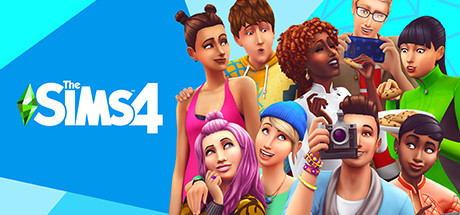
The Sims™ 4 is your best bet—especially with custom storytelling mods—because its Romance & Shoujo and Healing & Slow Life dimensions (84 score) let you craft gentle, everyday moments: think tending a rooftop garden at sunset, sharing tea with a loved one, or rebuilding a home after loss. Just be warned—the base game feels thin without DLC, and players complain about bugs and paywalls.