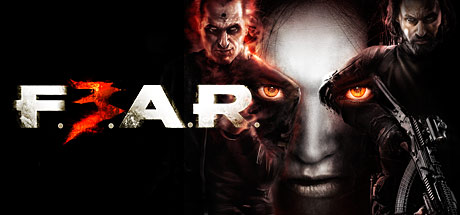
F.E.A.R. 3
F.E.A.R. 3 delivers all the hallmarks that define the F.E.A.R. brand: terrifying paranormal experience, frenetic combat and a dramatic storyline.
🎮Game Details
💬What Players Say
"F.E.A...."
"This game ♥♥♥♥♥♥♥ sucks when you play it alone, BUT if you play it with a friend it still sucks."
"Is it a good FEAR game? Not really. This game makes a huge detour in quality and fright...."
📝Editorial Analysis
The flicker of a hallway light—stuttering, then gone—leaving only the hum of a distant HVAC and the wet, ragged sound of your own breath. You’re not sure if that shape at the end of the corridor moved or just unfolded. But before you can react, your co-op partner yells, “Cover me!” and bursts forward with a rocket launcher while a spectral figure dissolves into static mid-lunge. That’s F.E.A.R. 3 in its rawest pulse: not dread that settles like fog, but panic that detonates in real time—less about what’s watching you, more about who’s beside you when it lunges. The official description promises “a terrifying paranormal experience,” yet player reviews cut straight to the nerve: “the atmosphere of mystery is simply not there,” “not on the level of the first 2 instalments,” “makes a huge detour in quality and fright.” What remains isn’t horror as isolation—it’s horror as shared overload: frantic, loud, physically immediate, and emotionally unstable.
This game doesn’t make you feel haunted. It makes you feel overloaded—sensory, moral, relational. The paranormal isn’t subtle; it’s explosive, grotesque, often absurd. Your brother’s voice crackles over comms—not reassuring, but competitive, laced with resentment and dark humor. The combat isn’t tactical silence punctuated by screams; it’s dual-wielding chaos, bullet-time stutters synced to a buddy’s grenade toss, bodies contorting mid-air as psychic blasts warp physics. There’s no slow unraveling of lore—you’re sprinting through exposition while dodging a levitating corpse that sprouts teeth from its ribcage. What lingers isn’t fear of the unknown, but the dissonance: between what the game says it is (a F.E.A.R. title) and what it does (prioritizes co-op friction, tonal whiplash, visceral spectacle over psychological weight). It’s less “what’s behind the door?” and more “why did my teammate just body-slam a ghost into a chandelier while laughing?”
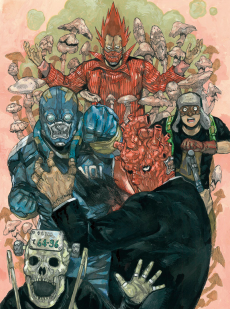
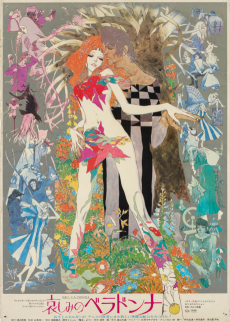
That exact dissonance—body horror colliding with occult stakes, adult themes wrapped in chaotic energy—is where DAN DA DAN, xxxHOLiC◆Kei, and Malevolent Spirits: Mononogatari lock in. Not because they’re “scary” in the same way, but because they share F.E.A.R. 3’s core aesthetic tension: body horror & occult fused with adult & dark seinen sensibility. DAN DA DAN doesn’t treat cosmic entities as unknowable voids—it turns them into squirming, biomechanical punchlines, limbs splitting open to reveal nested eyes, cultists vomiting black starlight while cracking jokes about dating apps. Like F.E.A.R. 3, it weaponizes absurdity to bypass dread and land straight in visceral unease. xxxHOLiC◆Kei trades quiet melancholy for something sharper: Watanuki’s body warping under spiritual debt, his skin peeling into translucent layers as contracts tighten—not to terrify, but to externalize moral consequence as physical violation. It’s adult not because it’s grim, but because it treats the occult as bureaucracy, trauma as anatomy, and every spell has collateral damage written in tendon and cartilage. Same with Malevolent Spirits: Mononogatari: spirits don’t whisper—they invade, possessing hosts whose mouths unhinge vertically, whose spines twist into spirals mid-sentence. The horror isn’t supernatural distance; it’s proximity, intimacy turned invasive, control slipping through the flesh itself. All three reject atmospheric patience. They accelerate. They overload.
Who lives for this? The viewer who rewinds fight scenes not to study choreography, but to count how many times a character’s jaw dislocates while delivering exposition. The player who keeps F.E.A.R. 3 installed solely for that one co-op run where their friend screamed, “I AM THE BULLET-TIME!” and then immediately got eaten by a floor that breathed. Not the purist who demands fidelity to genre tradition—but the one who craves tonal friction, who finds catharsis in the moment a psychic blast tears through a possessed nun’s abdomen and her monologue about guilt at the same time. They don’t want horror to be solemn. They want it loud, messy, shared, and unapologetically physical—where the scariest thing isn’t the monster in the dark, but the laugh your partner lets out right before the screen bleeds static.
→28 Anime That Match the Vibe
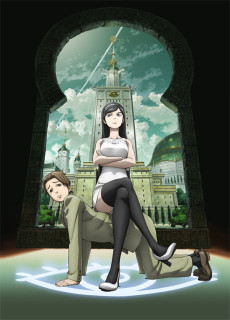
The body as a site of transformation and terror — both push physical boundaries.

The body as a site of transformation and terror — both push physical boundaries.

The body as a site of transformation and terror — both push physical boundaries.

The body as a site of transformation and terror — both push physical boundaries.

Momo’s spirit-channeling seizures—writhing, eyes blackened, bones audibly shifting—echo F.E.A.R. 3’s Alma-induced body horror with uncanny precision. Where the game weaponizes psychic trauma through distorted limbs and rupturing flesh, DAN DA DAN treats occult metamorphosis as both visceral threat and romantic vulnerability—Okarun’s alien transformations mirror Point Man’s unstable psi-powers, grounding sci-fi spectacle in bodily intimacy. This shared commitment to body horror & occult makes their collision of terror and tenderness startlingly coherent.

The body as a site of transformation and terror — both push physical boundaries.
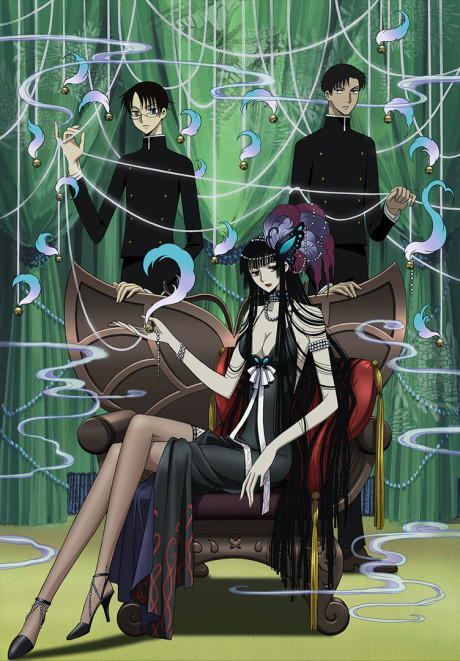
Watanuki’s trembling hands—suddenly translucent, veins pulsing like exposed wiring—mirror Point Man’s involuntary limb distortions during F.E.A.R. 3’s “reflex time” seizures. Unlike most psychological horror pairings, this resonance isn’t just thematic: both weaponize *Body Horror & Occult* through visceral, destabilizing physical violations that fracture identity mid-action. That *xxxHOLiC◆Kei*’s quiet shrine courtyard and F.E.A.R. 3’s flickering basement labs converge on the same dread—that the self is porous, and perception is the first organ to fail.

The body as a site of transformation and terror — both push physical boundaries.
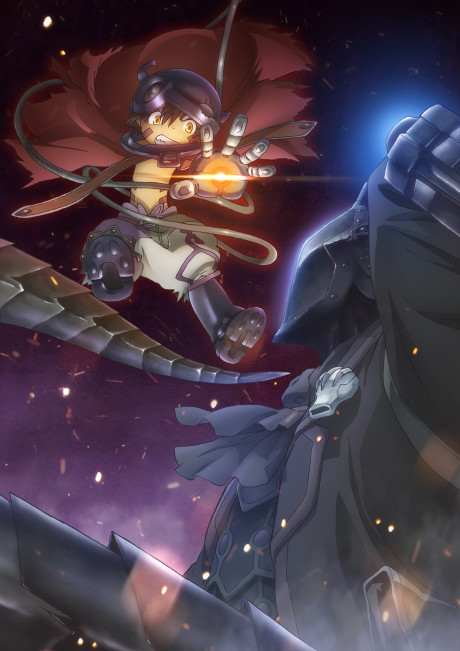
Riko’s descent into the Sea of Corpses—where bodies melt into coral and memories warp perception—mirrors Point Man’s psychic flashbacks in F.E.A.R. 3, where reality fractures under occult dread. Unlike most horror hybrids, both weaponize body horror not for shock but as visceral metaphors for trauma’s physical erosion. This resonance feels unnervingly precise: Dawn of the Deep Soul’s fifth-layer grotesquerie and F.E.A.R. 3’s paranormally corrupted soldiers share a dark-seinen commitment to psychological disintegration made flesh.

The body as a site of transformation and terror — both push physical boundaries.














Match Dimensions Explained
❓Frequently Asked Questions
Why is xxxHOLiC◆Kei considered similar to F.E.A.R. 3 despite being an anime?
Because both lean hard into Body Horror & Occult dimensions—like when Kei confronts the Hollow Shrine’s parasitic spirit that warps bodies and perception, mirroring F.E.A.R. 3’s Alma-induced hallucinations and grotesque entity designs. It nails that same uneasy blend of psychological dread and visceral, reality-bending threats—even if it swaps guns for spiritual contracts.
Is there an anime adaptation of F.E.A.R. 3?
No—there’s never been an official anime adaptation of F.E.A.R. 3, and none are in development. But if you’re craving that same vibe (paranormal tension + co-op chaos), DAN DA DAN hits surprisingly close: think Momo’s body-horror transformations during the ‘Karma Virus’ arc, or the occult-tech fusion in the space battles—very F.E.A.R.-adjacent energy without the license.
How does Mob Psycho 100 II compare to F.E.A.R. 3 in terms of horror execution?
Mob Psycho 100 II goes full-body-horror with psychic manifestations—like Dimple’s grotesque flesh-melding or Toichiro’s corrupted form—but it leans into dark satire and emotional stakes, whereas F.E.A.R. 3 tries (and stumbles) to replicate the first game’s oppressive dread. Both use escalating paranormal escalation, but Mob Psycho commits; F.E.A.R. 3 winks at it while firing rockets.
What’s the best anime like F.E.A.R. 3 if I want that ‘fun co-op horror’ vibe?
Made in Abyss: Dawn of the Deep Soul—it’s got that same grim, high-stakes partnership energy: Riko and Reg descending deeper together, facing biomechanical horrors like the Colossus of the Deep or the flesh-sculpting Nanachi experiments. It’s not multiplayer, but the shared vulnerability, escalating dread, and body-occult weirdness hit the same sweet spot as playing F.E.A.R. 3 with a friend (even if the game itself admits it ‘only takes 4–5 hours to get through’).