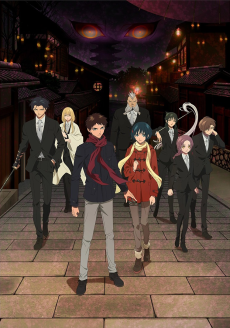
Malevolent Spirits: Mononogatari
Filled with rage against spirits known as tsukumogami, Kunato Hyoma is sent to live with Nagatsuki Botan to help him see a different side. Though both are part of a clan that return the spirits back to their world with divine powers, their experiences with the otherworldly vessels are vastly different. Kunato, robbed of a loved one, and Nagatsuki, saved by them. Can she get through to him?
(Source: Crunchyroll)
📺Anime Details
📝Editorial Analysis
The first time Kunato Hyoma’s fist shatters a tsukumogami’s porcelain face—cracks spiderwebbing across its grinning, cracked-glaze mask as it shrieks—not with magic light or holy chant, but raw, knuckle-splitting impact—you feel the weight of his grief in your molars. No slow-motion. No dramatic pause. Just the wet thunk of ceramic giving way, then silence before the next lunge. That’s not spectacle for spectacle’s sake. That’s rage made kinetic, precise, bodily. His hands are weapons because his heart is a locked vault, and every strike is a failed attempt to break in.
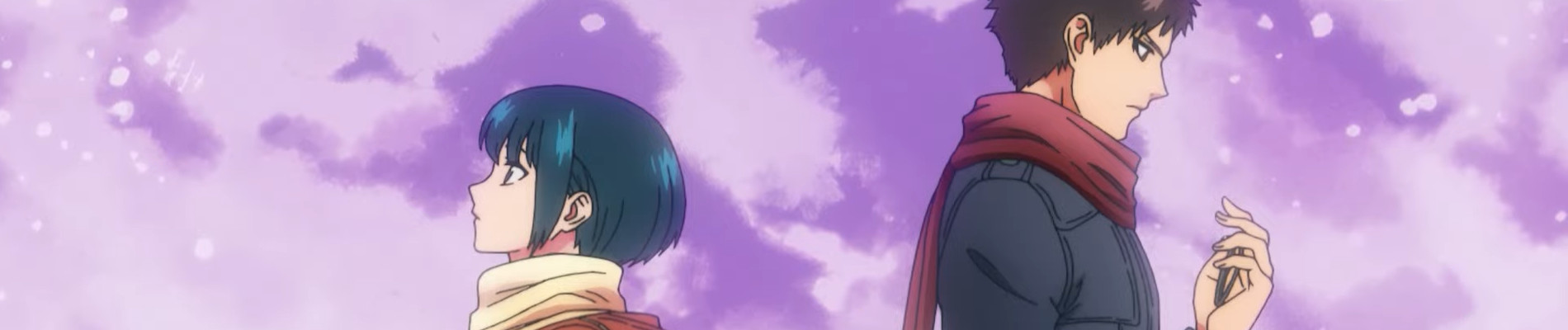
What makes Malevolent Spirits: Mononogatari vibrate at this frequency isn’t just its urban fantasy setting or shapeshifting yokai—it’s the tension between containment and rupture. The city hums with hidden spirits, yes—but so do the characters. Nagatsuki Botan moves through crowded streets like she’s breathing smoke; Kunato walks like his spine is braced against an invisible tide. Their clan’s divine power doesn’t feel celestial—it feels muscular, earned in callus and scar. This isn’t about transcending the body; it’s about wrestling with it—grief lodged in the jaw, salvation remembered in the tremor of a saved hand, violence that’s never cathartic, only necessary. You don’t escape the dark here—you learn its grammar, its rhythm, its terrible, intimate logic.
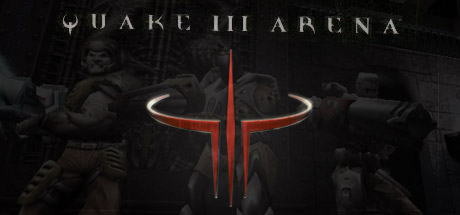
That same grammar lives in Quake III Arena, where combat isn’t choreographed—it’s collision physics made sacred. The description calls it “battle for the amusement of an ancient alien race,” and that cold, cosmic indifference mirrors how tsukumogami operate: not evil, not moral, just there, ancient, indifferent, demanding response. The player review’s offhand “smush in ioquake3” nails it—the game’s visceral immediacy, its reliance on split-second spatial reading and physical feedback (the screen shake, the weapon kick, the gut-punch hit registration), echoes Kunato’s fights: no exposition mid-swing, no breathing room, just impact. It’s adult not because of gore, but because it assumes you understand consequence without explanation.
Then there’s DOOM + DOOM II, where id Software’s 1993–94 vision still pulses with unrelenting physicality. The description’s dry “definitive, newly enhanced versions” belies the truth: this is a world where hell is textured—flesh tears, demons roar from throat cavities you can almost smell, and every shotgun blast is a concussive event. The player review’s warm nostalgia—“the reason my dad and I built our first computer”—hints at something deeper: this game forged bonds through shared intensity, much like the found family slowly forming around Kunato and Nagatsuki. Both demand presence, not contemplation. Both treat the body as battlefield and archive—where trauma isn’t spoken, but embedded in movement, recoil, reload timing.
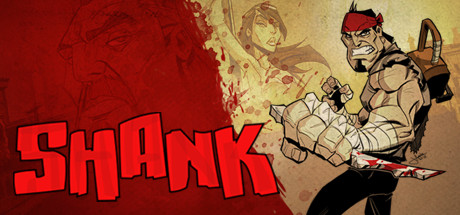
And Shank, with its “grindhouse” aesthetic and “over-the-top” combat, shares the anime’s refusal to sanitize violence. Its description boasts “enemies, bosses, combos, and more”—but what sticks is the weight of each chain, each slash, each dismemberment rendered with cartoonish brutality that somehow feels honest. The player review’s wistful “rose tinted glasses” admission reveals the core: it’s not about polish—it’s about commitment to tone. Like Kunato’s fists meeting spirit-flesh, Shank’s animations commit fully to the grotesque, the kinetic, the adult reality of bodies breaking under pressure—not as metaphor, but as grammar.
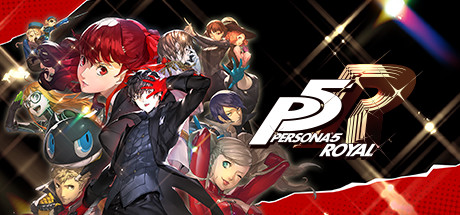
This pairing isn’t for fans of “cool powers” or “mysterious lore.” It’s for the person who watches Kunato wipe blood from his lip after a fight—not to see if he’s okay, but to count how many breaths he takes before stepping forward again. It’s for the player who boots up Persona 5 Royal, not for the jazz soundtrack (though yes, that soundtrack), but for the quiet ache in Ann’s voice when she hesitates before saying “I’m fine”—a hesitation that lands with the same gravity as Nagatsuki’s unspoken choice to keep cooking dinner after a spirit attack. These are works that trust their audience to sit with discomfort, to recognize love in restraint, and to feel rage not as noise, but as a kind of terrible, necessary music. They’re for those who know healing isn’t a destination—it’s the next stance, the next reload, the next meal set on the table, steaming, imperfect, held.
🎮147 Games That Match the Vibe



















Match Dimensions Explained
❓Frequently Asked Questions
Why does Quake III Arena match Malevolent Spirits: Mononogatari so well despite being a shooter?
Because both lean hard into Body Horror & Occult and Adult & Dark Seinen vibes — think Quake III’s alien arena where warriors are ritually pitted against biomechanical horrors, echoing Mononogatari’s grotesque spirit manifestations and morally ambiguous confrontations. The Action Spectacle dimension nails it too: dodging railgun shots while chaining strafe-jumps feels as intense and stylized as evading a cursed mononoke’s curse-laced attack pattern.
Is there a Persona 5 Royal anime or manga adaptation that captures the same tone as Malevolent Spirits: Mononogatari?
No — Persona 5 Royal is strictly a game (no official anime/manga adaptation mirrors its full narrative depth or Dark Seinen edge), but its JRPG Narrative and Emotional Narrative dimensions align tightly with Mononogatari’s layered character arcs and psychological tension. You’ll feel that same weight in Ryuji’s loyalty quest or Ann’s Palace — not just ‘teen drama,’ but trauma, identity, and rebellion rendered with mature, haunting precision.
How does Shank compare to DOOM + DOOM II for someone who loves Malevolent Spirits’ blend of gore and mythic stakes?
Shank leans into grindhouse-style, hyper-stylized melee chaos — imagine slicing through hordes of tattooed yakuza with chainsaws and dual pistols while flashbacks reveal your tragic past, much like Mononogatari’s fragmented, emotionally charged storytelling. DOOM + DOOM II goes darker and more occult: ripping demons limb-from-limb in Hellish UAC facilities, with the same unrelenting pace and body horror as Mononogatari’s most visceral spirit battles — plus that iconic 1993 Sound Blaster-era rawness fans still cherish.
What’s the best game like Malevolent Spirits: Mononogatari if I want something cathartic and stylish but less punishingly fast-paced?
Persona 5 Royal — its turn-based combat gives you breathing room to savor every decision, like carefully timing a Confuse exploit during a boss fight in Mementos while reflecting on Makoto’s quiet resolve or Futaba’s growth. The Emotional Narrative and JRPG Narrative dimensions deliver that same rich, psychologically grounded yet myth-tinged atmosphere — just swapped for Tokyo alleyways and midnight trains instead of fog-draped shrines and cursed corridors.