DOOM 3
🎮Game Details
💬What Players Say
"doom 3 is so good that I could not control myself and also I was sick while playing it for the first time on pc so that is also how much I loved it, and how much I could not resist it."
"Looks and feels great despite being ages old. It's a simple kill-everything-on-the screen first-person shooter. To play it in 2026 you need to download dhewm3...."
"Awesome game I love the old school graphics and the details in all of the screens throughout the game."
📝Editorial Analysis
The flicker of a dying emergency light. Your breath ragged in the helmet mic. A low, wet scrape from the ventilation shaft above—then silence so thick it presses against your eardrums. You’re alone in the UAC Mars Research Facility, and the official description tells you plainly: a massive demonic invasion has overwhelmed it. Not “attacked.” Not “breached.” Overwhelmed. That word lands like a boot heel on your sternum. Player Review 1 says they were sick while playing it for the first time on PC—not from motion sickness, but from the sheer, unrelenting pressure of being hunted in places that should be safe: labs, dormitories, server rooms lit only by CRT glow and blood-smeared glass. That nausea wasn’t a flaw—it was the game’s nervous system syncing with yours.


What makes DOOM 3’s atmosphere singular isn’t its darkness—it’s the intimacy of dread. This isn’t cosmic horror where you’re insignificant; it’s claustrophobic, tactile, bodily. Every flashlight beam trembles—not because of controller shake, but because you are holding your breath, finger hovering over the trigger, waiting for something to peel itself off the ceiling. The “old school graphics” praised in Review 3 aren’t nostalgic—they’re textural: grainy monitors scrolling corrupted logs, flickering fluorescent tubes casting long, unstable shadows, the way light bleeds just so across a metal floor before vanishing into blackness. It’s not about seeing everything—it’s about not trusting what you see. You feel trapped, watched, unmoored—not by demons alone, but by architecture that breathes wrong, by systems that fail mid-sentence, by a facility that feels less like a setting and more like a living wound.
That emotional DNA—body horror, occult rupture, dystopian collapse—resonates fiercely with GOOD NIGHT WORLD, where reality frays at the seams of a corporate-controlled digital afterlife, and characters physically unstitch themselves to survive. Its “Adult & Dark Seinen” weight mirrors how DOOM 3 refuses catharsis: no triumphant music swells as you reach the reactor core—just deeper silence, heavier breathing, and the sickening realization that hell isn’t down there—it’s already inside the walls. Then there’s Dorohedoro Season 2, where the Hole’s grime-caked alleyways and flesh-warping magic share DOOM 3’s obsession with visceral wrongness: limbs sprout teeth, faces melt into static, and every corridor smells like burnt wiring and old meat. No exposition—just presence, thick and suffocating. And AJIN: Demi-Human, with its sterile UAC-like labs and clinical dissection of immortality, taps the same cold dread: what if your own body is the breach? The “Cyberpunk & Dystopia” dimension isn’t about neon or rain—it’s about institutions rotting from within, their logos still glowing faintly on cracked screens while something older crawls through the vents.
This isn’t for players who want mastery. It’s for those who love the shiver when the flashlight dies mid-turn. For viewers who don’t flinch at a jaw unhinging sideways—but lean in when the camera holds on the twitch of a severed nerve. It’s for people who read a log entry about “Subject 7’s dermal layer exhibiting autonomous motility” and feel their own skin prickle. Who understand that “awesome” in Review 2 isn’t about polish—it’s about raw, unfiltered intensity, preserved like amber in dhewm3’s patched binaries. Who know that “simple kill-everything-on-the-screen” is a lie—the real loop is scan, hesitate, listen, pray, fire, reload, breathe, repeat, until your pulse syncs with the distant, rhythmic thump-thump-thump of something massive pacing behind reinforced bulkheads. These pairings belong to the ones who don’t play to win—they play to survive the feeling. To sit in the dark, headset on, screen dim, and let the air grow thin—not because the game demands it, but because they recognize the hunger in it. The kind of hunger that doesn’t ask for light. It asks for more shadow.
→32 Anime That Match the Vibe

The body as a site of transformation and terror — both push physical boundaries.

The body as a site of transformation and terror — both push physical boundaries.

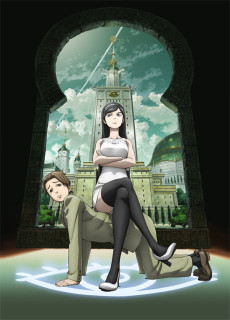
The flickering emergency lights of DOOM 3’s Reactor Level—where skin peels from unseen forces—mirror the uncanny disintegration of “Planet”’s avatars in GOOD NIGHT WORLD’s Episode 7, as The Akabane Family’s digital bodies glitch into fleshy static. Unlike most cyberpunk fare, both root body horror & occult dread not in machinery, but in the violation of *interface itself*: what bleeds when the game world stops pretending to be a game. That shared tension—between control and collapse, avatar and meat—makes their resonance unnervingly precise.

The body as a site of transformation and terror — both push physical boundaries.
The body as a site of transformation and terror — both push physical boundaries.

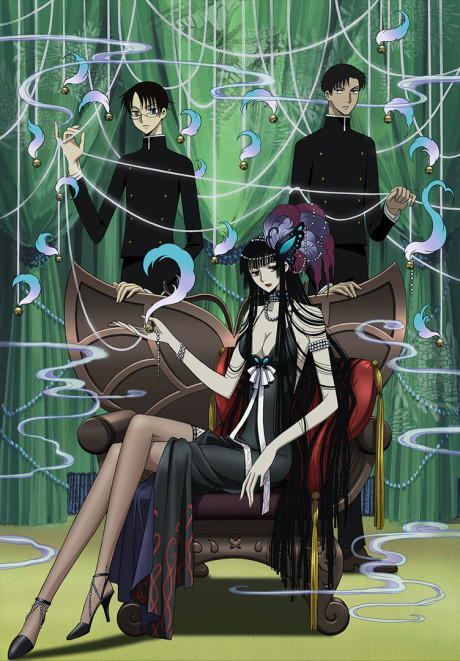
Caiman’s grotesque, ever-shedding skin in *Dorohedoro* Season 2—especially during his hallucinatory confrontations with the Cross-Eyes’ boss—mirrors the visceral, fleshy disintegration of DOOM 3’s zombified enemies under flickering fluorescent light. Where DOOM 3 weaponizes claustrophobic dread through oppressive darkness and sudden body horror, Season 2 escalates its occult chaos with surreal, gory transformations rooted in the same warped logic: flesh as unstable conduit for cosmic rot. This shared commitment to **Body Horror & Occult** makes their resonance deeply unsettling—and weirdly harmonious.

The body as a site of transformation and terror — both push physical boundaries.

Kei Nagai’s first resurrection—limbs reknitting in clinical silence, eyes snapping open with hollow dread—echoes the DOOM 3 marine’s crawl from unconsciousness into the flickering hell of Sector 3’s blood-slicked labs. Where DOOM 3 weaponizes claustrophobic body horror & occult dread through audio logs and decaying flesh, AJIN: Demi-Human grounds its cyberpunk dystopia in bureaucratic horror: Kei’s dehumanization by the government mirrors the marine’s erasure by UAC’s corrupted systems. This pairing is startlingly resonant—not for spectacle, but for how both treat the body as contested, violated, and unnervingly *reclaimable* under adult, dark seinen logic.

The body as a site of transformation and terror — both push physical boundaries.

Momo’s trembling hands—glowing with spirit energy as she exorcises a parasitic entity from Okarun’s spine—echo the visceral dread of DOOM 3’s flashlight-lit corridors where demons erupt *from* human bodies. Unlike most sci-fi horror that separates the cosmic from the corporeal, both weaponize **Body Horror & Occult** to fuse spiritual violation with biological rupture: Okarun’s alien-possessed transformations mirror the game’s possessed marines, while the anime’s UFO cults and Mars-based revelations deepen DOOM 3’s buried extraterrestrial theology. That they anchor existential terror in teenage intimacy—not grand spectacle—makes the resonance startlingly tender.



















Match Dimensions Explained
❓Frequently Asked Questions
Why does GOOD NIGHT WORLD feel like playing DOOM 3 in anime form?
Because both drop you into a collapsing, occult-saturated facility overrun by grotesque, reality-warping entities — like when Ryoji’s body unravels mid-fight in Episode 7, mirroring DOOM 3’s infamous locker-room jump-scare where a demon bursts through metal grating. The oppressive lighting, claustrophobic Mars base corridors, and that same desperate, lone-survivor energy? All there — just swap the plasma rifle for cursed sigils and a bleeding wristband.
Is there an anime adaptation of DOOM 3?
No official anime adaptation exists — Bethesda hasn’t greenlit one, and no studio has licensed it. But if you want the *vibe* of DOOM 3’s UAC Mars meltdown rendered in hand-drawn chaos, Dorohedoro Season 2 nails it: the Enchanted’s flesh-melting experiments, the flickering fluorescent lights of the Hole’s labs, and that same ‘run while reloading’ panic when a multi-limbed horror peels itself off the ceiling.
How does AJIN: Demi-Human compare to GOOD NIGHT WORLD for DOOM 3 fans?
AJIN leans harder into cyberpunk surveillance dread and clinical body horror — think Kei’s first regeneration scene, organs snapping back into place like corrupted game assets — while GOOD NIGHT WORLD mirrors DOOM 3’s *environmental* horror: flickering monitors, distorted PA announcements, and that suffocating sense you’re trapped in a dying facility (like UAC’s Reactor Control Room, but with more cursed contracts and less plasma fire).
What’s the best anime like DOOM 3 if I want that ‘sick-but-can’t-stop-playing’ adrenaline rush?
GOOD NIGHT WORLD — hands down. It’s got the same visceral, nauseating escalation: Episode 4’s hallway chase where the walls *breathe*, the way your stomach drops when Ryoji’s eyes glitch like corrupted HUD text, and that relentless pacing that leaves you breathless — just like Player Review 1 said about DOOM 3 making them physically ill *and* unable to look away.