
Tokyo Ghoul √A
The second season of Tokyo Ghoul.
The ghouls of Anteiku invaded the Aogiri's site in order to rescue Ken Kaneki who is being tortured. Due to provocation, he unleashed greater power enough to defeat Yamori. To become stronger, he decided to join Aogiri and left Anteiku. Ghoul investigators also making their moves by collecting information about the eye-patched ghoul - Ken Kaneki.
(Source: Anime News Network)
📺Anime Details
📝Editorial Analysis
The smell of copper and burnt sugar hangs thick in the air—not from cooking, but from Ken Kaneki’s cracked ribs knitting back together under his shirt as he staggers out of Aogiri’s ruined compound, one eye still weeping black fluid, the other fixed, unblinking, on the city skyline. His knuckles are split raw. His breath hitches—not from pain, but from the wrongness of breathing at all, like inhaling glass. That moment isn’t triumph. It’s surrender dressed as strength. He walks away from Anteiku not with resolve, but with the hollow, echoing silence of a man who just realized his body is no longer his own—and that the thing it’s become likes the taste of blood.
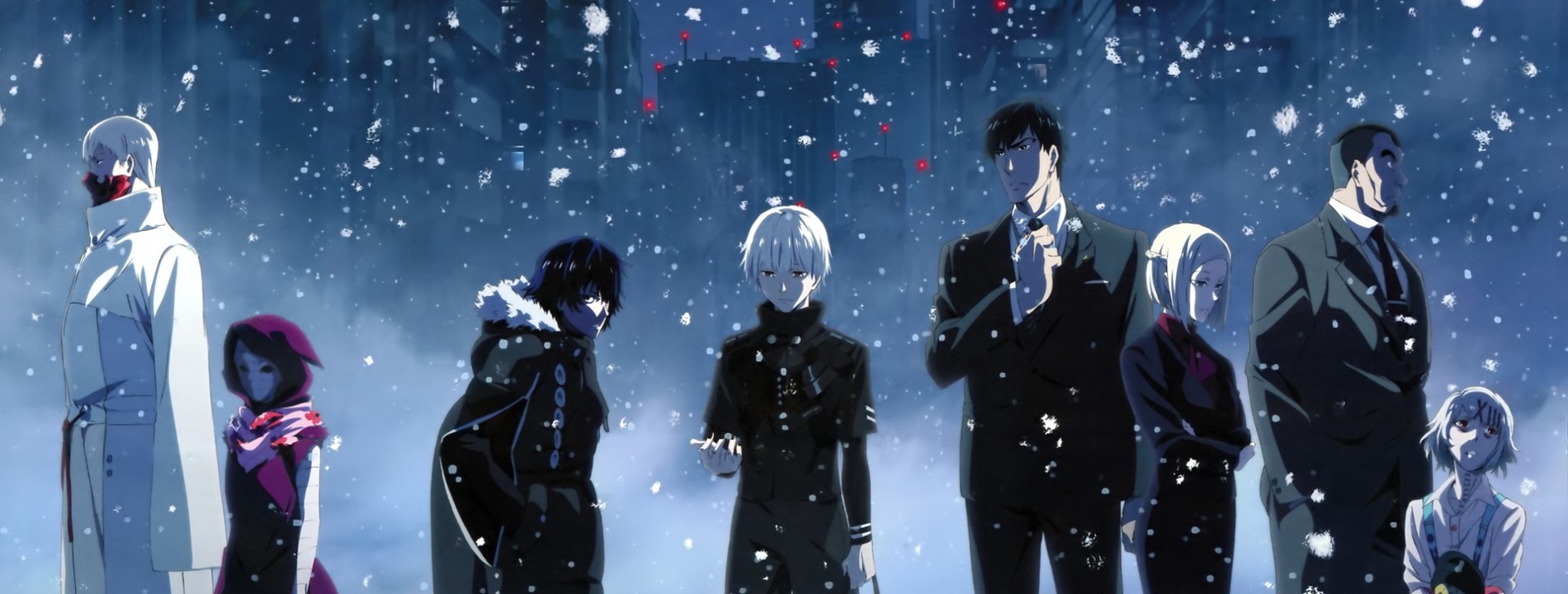
That’s the core feeling Tokyo Ghoul √A weaponizes: erosion. Not of morality, exactly—but of self-cohesion. It’s the slow, grinding dread of waking up inside your own skin and finding the wiring reversed. The horror isn’t just gore—it’s the intimacy of violation. Every severed tendon, every grotesque kagune unfurling like wet muscle from the spine, every time Kaneki’s jaw unhinges just too wide—it’s body horror that doesn’t shock from distance, but from recognition. You flinch because your own joints remember how they should move, and his don’t. This isn’t fantasy power—it’s biological betrayal. And the urban decay of Tokyo isn’t backdrop; it’s complicit. Neon bleeds into rain-slicked asphalt like old bruises. Police radios crackle with bureaucratic calm while ghouls tear through walls three stories up. The tension lives in the gap between order and biology gone feral—between what the world demands you be, and what your cells scream you’ve already become.
That same suffocating, adult dissonance pulses through Vampire: The Masquerade - Bloodlines. Its description nails it: Dark Fantasy, Body Horror & Occult, Adult & Dark Seinen. You don’t just play a vampire—you play a corpse learning to mimic life, your hunger a physical ache that warps perception, your reflection vanishing not as metaphor but as system mechanic. Like Kaneki, you’re trapped between factions that see you only as weapon or liability. And the player review’s insistence—“BUY IT ON GOG; if you want to use the steam version you need to download the unofficial patch…”—mirrors √A’s own fractured production: both demand effort to access their full, broken beauty. They refuse polish. They reward persistence—not because they’re hard, but because their texture is essential: glitchy, raw, morally porous.
Then there’s Max Payne, where the description declares him “a fugitive undercover cop framed for murder, hunted by cops and the mob… a man with his back against the wall.” That’s Kaneki after Anteiku—no longer protected, no longer trusted, moving through a city that now reads his face as threat first, person second. The Mystery & Detective dimension isn’t about solving puzzles—it’s about piecing together your own identity from surveillance footage, witness lies, and your own unreliable memory. The player review’s nostalgic warmth—“Back in the PS2 era, my friends and I used to play Max Payne 1 and 2 together. We had a rule: once you died, you passed the controller…”—hints at something deeper: this game, like √A, turns trauma into rhythm. Bullet-time isn’t just mechanics—it’s the elongated second where Kaneki watches his own hand tear through flesh and wonders whose will it answers.
And Condemned: Criminal Origins, with its chilling question—“What twists the mind of an ordinary human into a serial killer?”—lands with the same gut-punch as √A’s quietest scenes: Kaneki staring at his hands in a bathroom mirror, water running, not washing blood off—but wondering if the blood was ever his to begin with. Its Mystery & Detective and Body Horror & Occult dimensions aren’t set dressing. They’re diagnostic tools. The player review’s urgency—“Get this game… find a way. Whether it’s a steam key from G2A or from another platform. This is a gem”—echoes how √A fans cling to its most uncomfortable truths: that some transformations leave no clean exit, only deeper corridors of the self to explore.
This pairing isn’t for fans of cool powers or stylish fights. It’s for the ones who pause mid-episode when Kaneki blinks too slowly, who replay Max Payne’s monologues not for plot, but for the tremor in his voice, who dig through mod forums for Bloodlines patches because they need the texture intact. It’s for people who don’t want catharsis—they want resonance. Who find comfort not in resolution, but in recognition: that sometimes, the most terrifying monster isn’t outside the door. It’s the one learning to breathe in the dark, right behind your ribs.
🎮152 Games That Match the Vibe






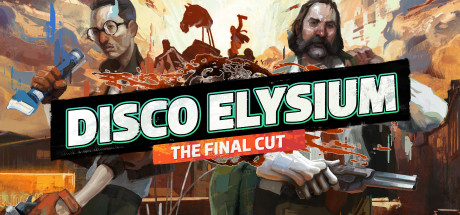
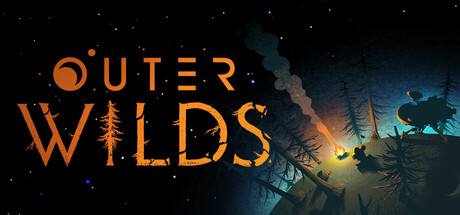
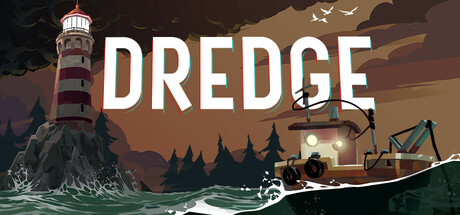
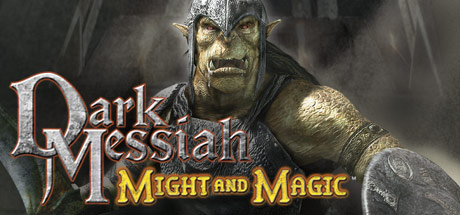





























Match Dimensions Explained
❓Frequently Asked Questions
Why does Vampire: The Masquerade - Bloodlines keep showing up in Tokyo Ghoul √A game recommendations?
Because both dive deep into the psychological toll of monstrous transformation—like Ken Kaneki’s forced kakuja evolution, Bloodlines forces you to grapple with bloodlust, moral decay, and losing your humanity as a newly turned vampire in LA’s brutal Camarilla hierarchy. The body horror isn’t just visual (think cracked skin, grotesque feeding animations); it’s baked into dialogue choices, skill checks, and consequences that escalate based on how much you embrace or resist your vampiric nature.
Is there a Tokyo Ghoul √A video game adaptation?
No—there’s never been an official Tokyo Ghoul √A game adaptation. The closest licensed titles are mobile games like *Tokyo Ghoul: Dark War*, which lack the tone and depth of √A’s political intrigue and identity crisis. That’s why fans lean hard into matches like *Condemned: Criminal Origins*, where you play as an investigator descending into madness while hunting serial killers—mirroring √A’s Amon-like descent into obsession and blurred lines between hunter and hunted.
How does Max Payne compare to Condemned: Criminal Origins for Tokyo Ghoul √A vibes?
Both nail the ‘haunted lone wolf’ energy, but *Max Payne* leans into noir tragedy and bullet-time action—think Kaneki’s rooftop monologues mixed with visceral, slow-mo shootouts against yakuza-like syndicates. *Condemned*, meanwhile, trades guns for blunt-force melee and oppressive silence, echoing √A’s claustrophobic CCG HQ scenes and the gut-punch dread of facing off against former allies like Kishou Arima—especially during its hallucination sequences and forensic crime-scene investigations.
What’s the best Tokyo Ghoul √A-like game if I want that grim, rain-soaked, morally exhausted mood?
Go straight to *Condemned: Criminal Origins*. Its decaying urban environments, distorted audio cues, and relentless tension—like investigating a blood-smeared subway tunnel while your sanity meter frays—mirror √A’s suffocating atmosphere after the Anteiku raid. You’re not just fighting enemies; you’re fighting paranoia, institutional betrayal, and the creeping realization that the system you serve is rotten—just like Kaneki staring at his own distorted reflection in a broken mirror.