Left 4 Dead 2
Set in the zombie apocalypse, Left 4 Dead 2 is a co-operative action horror FPS takes you and your friends through the cities, swamps and cemeteries of the Deep South, from Savannah to New Orleans across five expansive campaigns.
🎮Game Details
💬What Players Say
"I probably have another 500 hours of total playtime in Left 4 Dead 2 on my old Steam account alone. In fact, this game was the reason I registered on Steam in the first place, after already spending who knows how many hours playing the cracked version with friends over LAN, or even solo. For some time, it was literally the only legit game I owned lol...."
"The Chinese servers really ruined my experiences on playing this game. Here are the annoying things i got when i play Chinese servers: - High ping, can even reach hundreds of pings - Overly modified gameplay. Players’ healths and ammo will reach above the usual - Teammates barely interact with other teammates on chat - If you joined some Chinese servers and leave, once you join an official or non-Chinese server that is stable, there’s a chance you’ll disconnect and “no steam logon” text will appears I’ve tried several tips and tricks regarding this problem but all of them didn’t work...."
"Left 4 Dead 2 is one of those rare games that never stops being fun, no matter how many times you play it. Even years after its release, it still holds up as one of the best cooperative shooters ever made. The gameplay is smooth and chaotic in the best way — you’re constantly fighting to survive while working closely with your team, and every match feels different thanks to the game’s AI Director, which changes the pace and intensity dynamically...."
📝Editorial Analysis
The swamp breathes. Not metaphorically—literally. You’re knee-deep in black water beneath a canopy of Spanish moss, flashlight beam trembling as it catches the glisten on a bloated corpse snagged in cypress knees. Somewhere ahead, a distant thump-thump-thump—not a heartbeat, but the wet, dragging gait of a Charger—and your teammate’s voice cracks over comms: “Don’t stop moving.” That’s Left 4 Dead 2 in its rawest pulse: not just survival, but shared breath held in unison, across Savannah, New Orleans, the rotting ribs of the Deep South—all five campaigns stitched together by sweat, ping, and the stubborn refusal to let your friend get dragged into the dark. One player logged 500 hours—not because it’s easy, but because every run rekindles that same frantic trust, the kind that makes you register on Steam just to keep it alive.
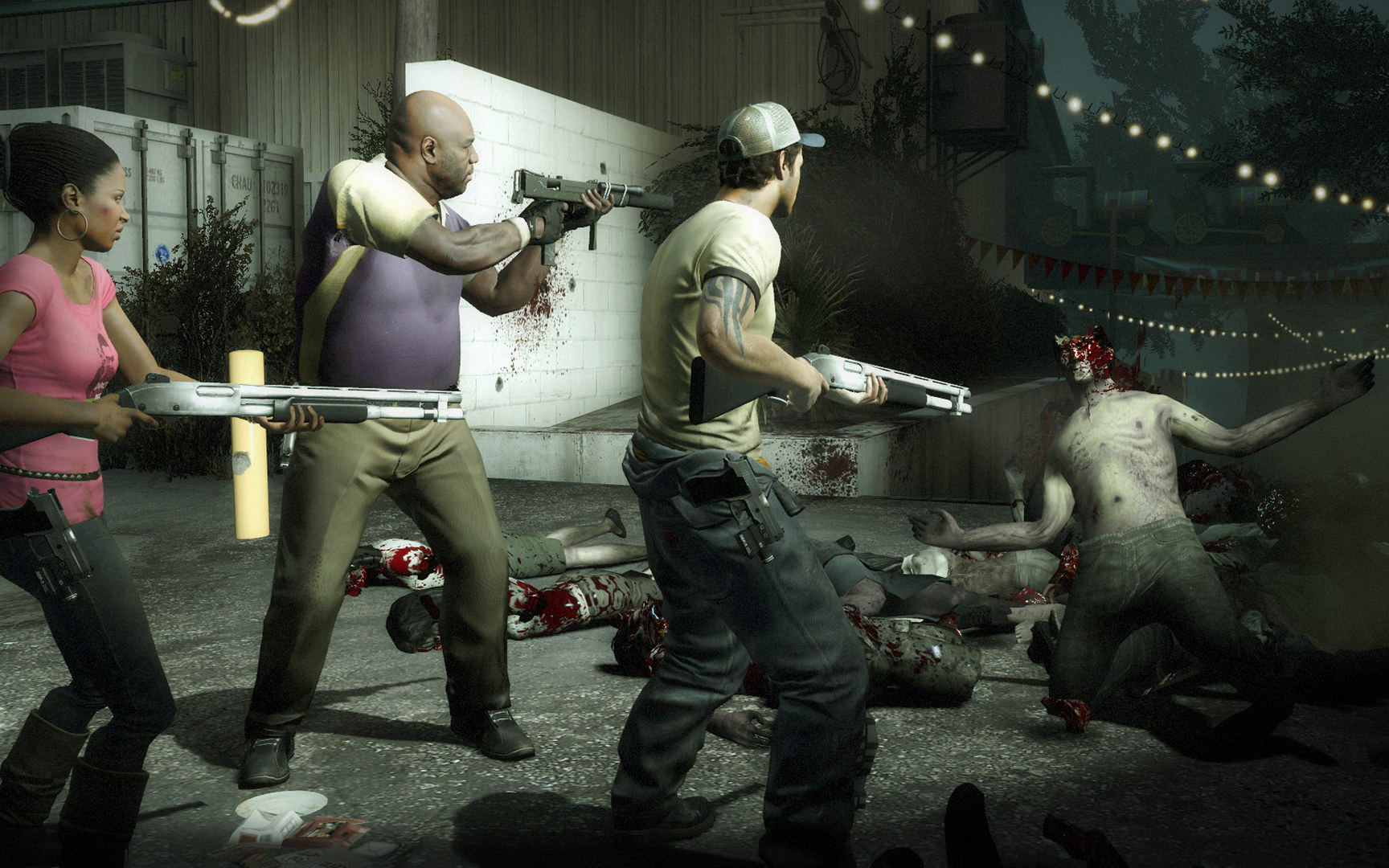
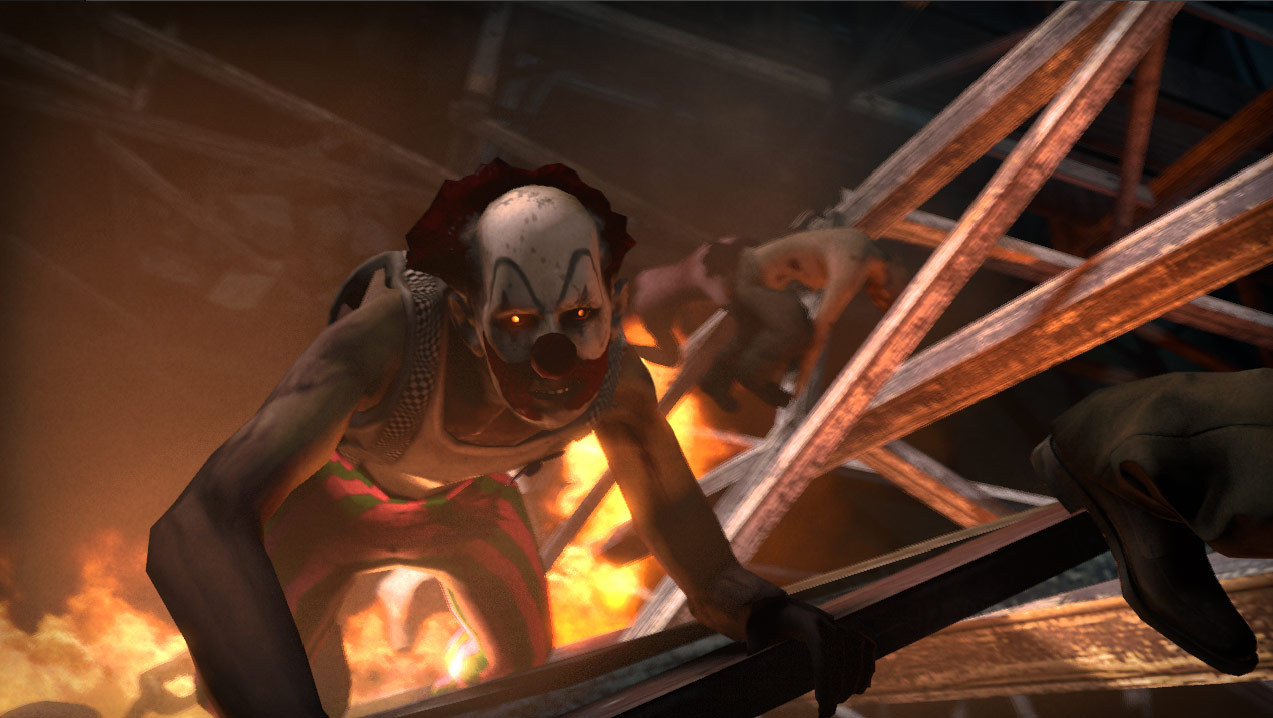
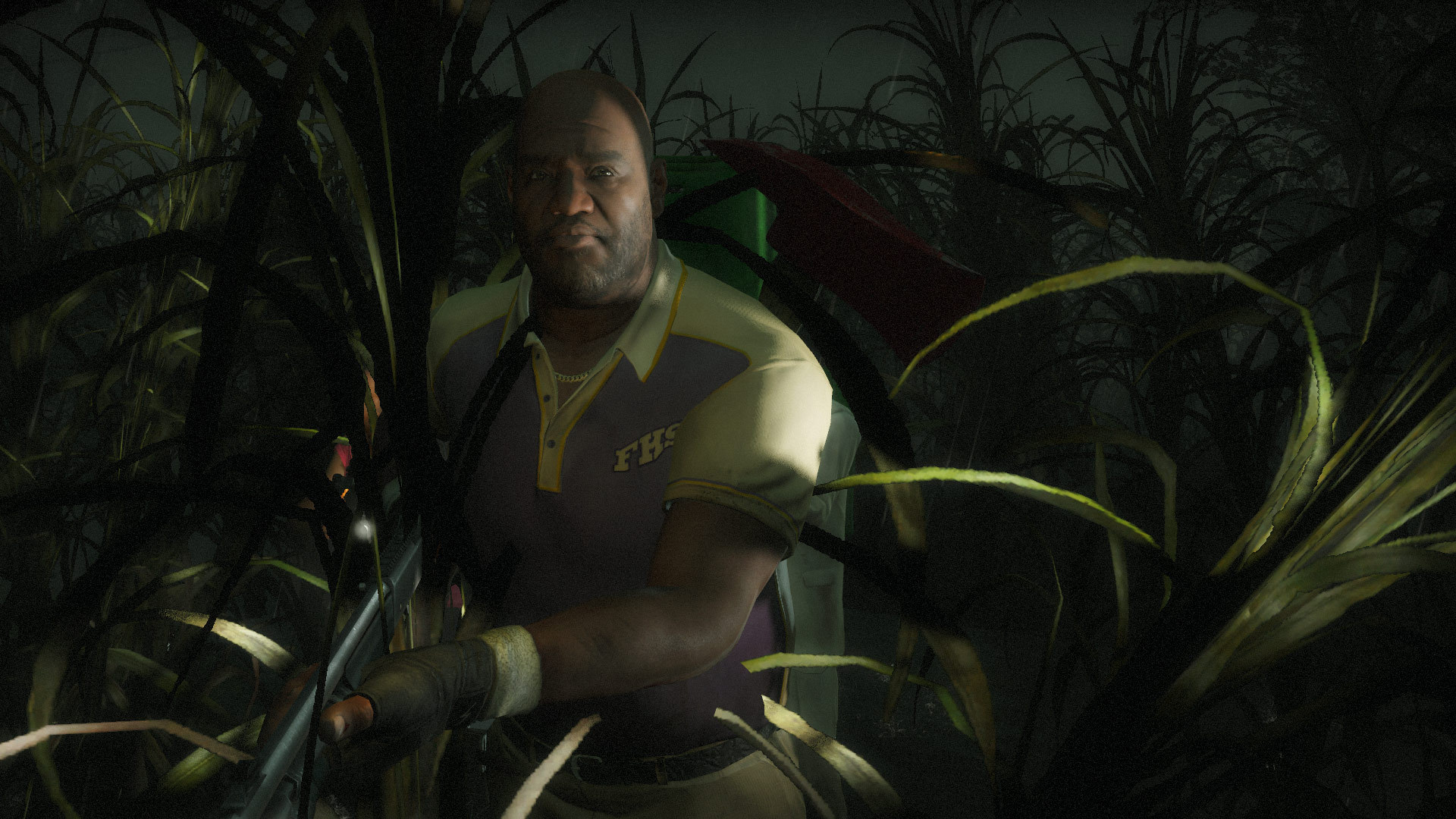
What lingers isn’t the gore—it’s the weight of proximity. The game doesn’t isolate you in dread; it forces intimacy with chaos. A Smoker’s tongue wraps around your neck, not yours alone—you feel it through your teammate’s shout, their frantic shot, the split-second delay before they yank you free. High ping on Chinese servers didn’t break the game—it deepened the tension, turning latency into a physical barrier between intention and rescue. That’s the feeling: urgency without control, where strategy is born mid-stumble, where every reload, every shove, every shouted “I’m down!” lands like a shared nerve impulse. It’s not horror as spectacle—it’s horror as coordinated reflex, as bodily memory forged in repetition. Even after years, it still holds up—not because it’s polished, but because its systems breathe with you, adapting, punishing, forgiving, always demanding presence.
Made in Abyss: Wandering Twilight shares that same suffocating body horror & occult texture—not through jump scares, but through irreversible transformation. Riko’s descent isn’t just vertical; it’s cellular. Like L4D2’s infected, the Abyss warps flesh with eerie logic—limbs elongating, skin calcifying, minds fraying under pressure. Both demand survival & crafting: sealing wounds with scavenged gauze or stitching nerves with abyssal residue, each act a fragile bulwark against dissolution. The horror isn’t externalized evil—it’s the environment inside you, reshaping you while you cling to each other.
Hell’s Paradise Season 2 mirrors L4D2’s brutal calculus of tactical warfare under duress. Gabimaru doesn’t duel for glory—he fights to keep his squad breathing, reading enemy tells mid-lunge, sacrificing position for cover, improvising binds from broken bone and cloth. The body horror & occult here isn’t grotesque for shock—it’s functional, almost surgical: organs repurposed, limbs weaponized, pain metabolized into motion. Just like calling out “Boomer incoming!” isn’t panic—it’s triage in real time. Both worlds treat the human body as both battlefield and blueprint.
Fate/Zero Season 2 adds another layer: the tactical warfare of fractured alliances and collapsing fronts. Kiritsugu doesn’t just aim—he calculates angles of betrayal, weighs collateral cost per bullet, chooses who lives based on microseconds of hesitation. That’s L4D2’s AI Director in narrative form: no fixed script, only dynamic escalation, where every decision ripples into new threats. The occult isn’t magic spells—it’s the cold, procedural logic of consequence, the way a single misstep in Ryuudou Temple echoes like a failed grenade toss in the New Orleans cemetery.
This isn’t for players who want mastery over chaos—it’s for those who love surrendering to rhythm: the sync of four voices coordinating a push through a flooded gas station, the way a perfectly timed shove sends a Hunter skidding off your friend’s back, the quiet awe when, after 500 hours, the swamp still feels alive, still watches, still waits. It’s for anime fans who don’t flinch at exposed sinew or splintered ethics—who find beauty in the grit of sustained effort, in the way trust becomes muscle memory, in how horror, when shared, stops being terror and starts being home.
→44 Anime That Match the Vibe
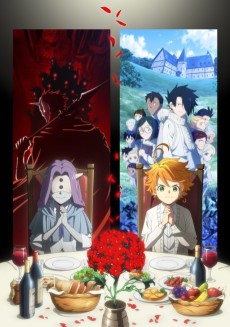
The body as a site of transformation and terror — both push physical boundaries.

The body as a site of transformation and terror — both push physical boundaries.

The body as a site of transformation and terror — both push physical boundaries.
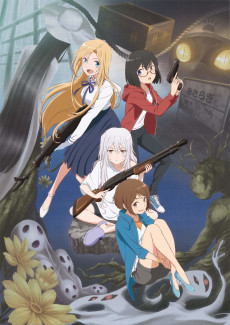
The body as a site of transformation and terror — both push physical boundaries.

The body as a site of transformation and terror — both push physical boundaries.

The body as a site of transformation and terror — both push physical boundaries.
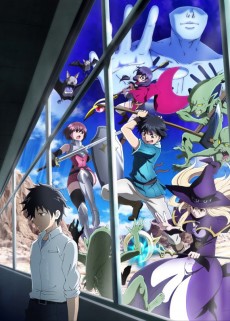
The body as a site of transformation and terror — both push physical boundaries.
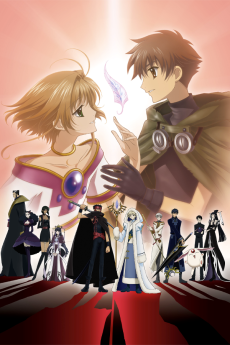
The body as a site of transformation and terror — both push physical boundaries.

Both dive into neon-soaked futures where technology blurs the line between human and machine.
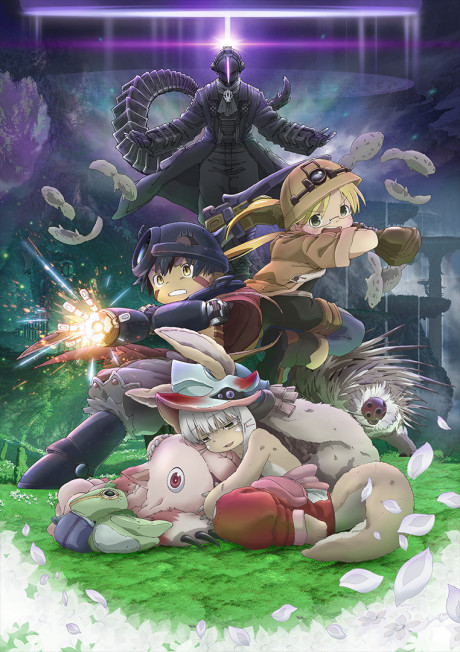
Riko’s descent into the Twilight Realm—where bodies warp under pressure and light itself feels diseased—mirrors the swampy, fungal dread of Left 4 Dead 2’s Louisiana bayous, where infected flesh blooms grotesquely in humid decay. Both deploy **Body Horror & Occult** not for shock alone, but as environmental language: mutated limbs and collapsing anatomy signal systemic corruption, whether from Abyssal curse or viral cascade. Unlike most survival narratives that privilege gear over grit, *Wandering Twilight* and L4D2 force intimacy with deterioration—Riko’s trembling hands adjusting her rope, Coach’s ragged breath as he reloads mid-horde—making resilience feel raw, biological, and fiercely communal.







![Fate/stay night [Heaven’s Feel] III. spring song](https://s4.anilist.co/file/anilistcdn/media/anime/cover/large/bx21719-MSdTlkno0Z0u.jpg)












Match Dimensions Explained
❓Frequently Asked Questions
Why is Made in Abyss: Wandering Twilight considered similar to Left 4 Dead 2?
Because both throw you into relentless, escalating survival horror where every descent or campaign leg forces brutal resource management and split-second teamwork—like when Riko and Reg navigate the Abyss’s 5th Layer, dodging flesh-melting miasma and mutated creatures that swarm like Hunters or Smokers. The Body Horror & Occult dimension hits hard here, especially with the Curse-induced body distortions mirroring L4D2’s grotesque infected mutations.
Is there an anime adaptation of Left 4 Dead 2?
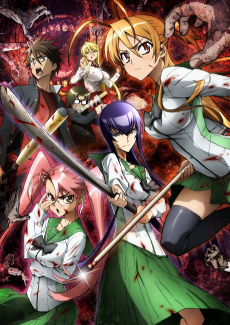
Nope—Valve has never licensed or produced an official anime adaptation of Left 4 Dead 2, and none of the top matches on the list (like High School of the Dead or Dorohedoro) are adaptations—they’re just tonally aligned. That said, High School of the Dead *feels* like what L4D2 would be if it were animated: think Takashi’s squad coordinating shotgun blasts against hordes in the school gym, complete with tactical reloads and chokepoint defense just like the New Orleans cemetery finale.
How does Hell’s Paradise Season 2 compare to Fate/Zero Season 2 for Left 4 Dead 2 fans?
Hell’s Paradise leans harder into raw survival & crafting—think Yamada forging weapons mid-battle in the island’s toxic jungles, improvising traps like the L4D2 team rigging pallets and propane tanks in Savannah. Fate/Zero Season 2 swaps that for Tactical Warfare: Kiritsugu’s sniper ambushes and Saber’s precise flanking mirror how L4D2 players call out Special Infected spawns and rotate fire to protect the medic—both score 64 and 63 respectively, but Hell’s Paradise nails the visceral, desperate scramble.
What’s the best anime like Left 4 Dead 2 if I want that chaotic co-op ‘last stand’ vibe?
High School of the Dead is your go-to—it’s got the exact same high-stakes, squad-based chaos: Saeko’s katana parries, Rei’s rifle support, and Takashi’s leadership under siege, all echoing how four players lock down a gas station or pharmacy against waves of infected. The Tactical Warfare + Survival & Crafting dimensions (score 62) make every hallway fight feel like holding the line at the New Orleans train yard—with real consequences if someone gets pounced.