
Deadman Wonderland
Ganta is the only survivor after a mysterious man in red slaughters a classroom full of teenagers. He's framed for the carnage, sentenced to die, and locked away in the most twisted prison ever built: Deadman Wonderland. And then it gets worse.
At Deadman Wonderland, convicts are forced into brutal deathmatches for the amusement of the masses, the cheers of the crowd drowning out the screams of the dismembered. Even when Ganta befriends Shiro, an unusual female inmate, his dark fate crushes all hope —until he discovers the strange ability to wield his spilled blood as a weapon. Ganta learns his new skill might be related to the murderous man in red and uncovers disturbing secrets that could expose those who stole his freedom. He's determined to see justice served —but first he'll have to fight for his life in a prison that holds a million ways to die.
(Source: FUNimation)
📺Anime Details
📝Editorial Analysis
The blood doesn’t pool—it splatters, hot and arterial, across Ganta’s cheek as he stumbles backward from the classroom door, his breath gone, his ears ringing not with silence but with the wet crunch of bone giving way under a crimson glove. That first frame—Ganta’s wide, unblinking eyes reflecting the red figure mid-swing—isn’t horror as spectacle. It’s horror as violation of safety, the shattering of a world so ordinary it had no name for what was coming.
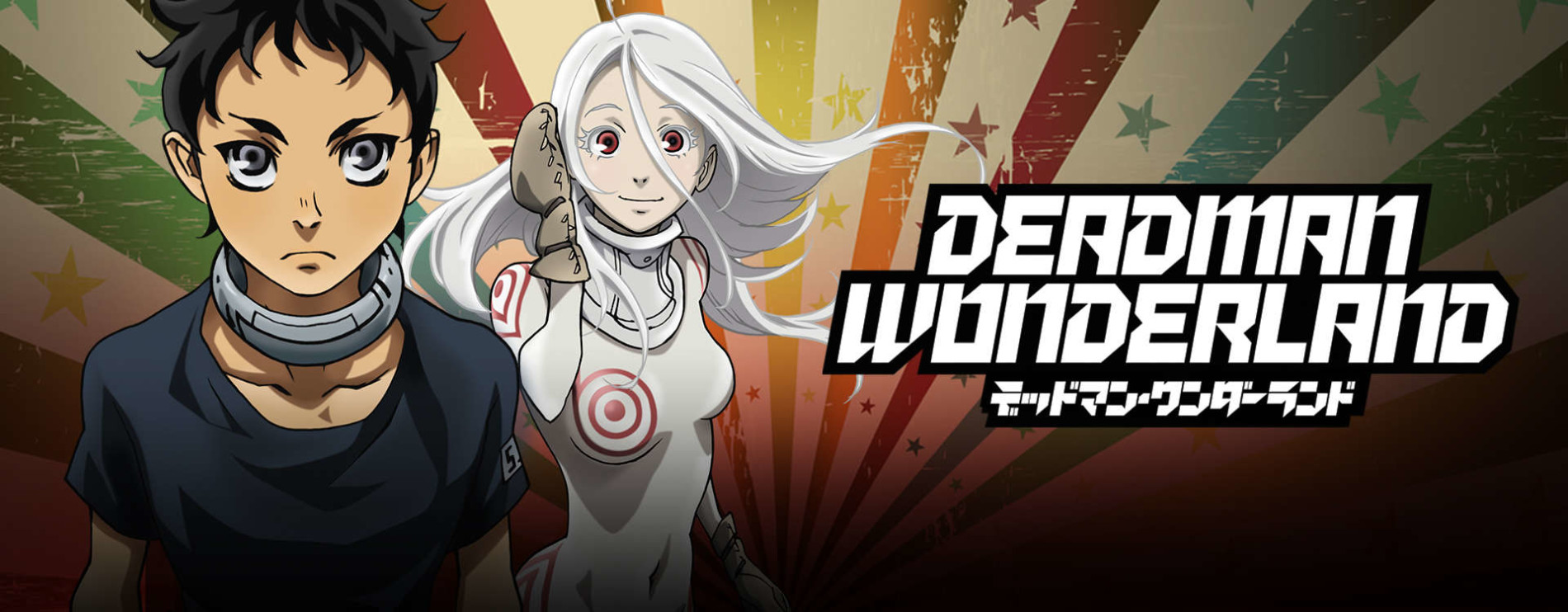
What makes Deadman Wonderland’s atmosphere unique isn’t its prison setting or its superpowers—it’s the relentless dissonance: children laughing in the bleachers while limbs detach on the arena floor; Shiro humming a lullaby seconds before her nails split open into serrated blades; the cheerful jingle of the Wretched Egg vending machines playing over the gurgle of a dying inmate. It doesn’t ask you to look away—it forces you to witness, then makes you question why your pulse quickens at the spectacle, why your throat tightens when Ganta’s knuckles bleed raw against concrete, why you ache for connection even as the world insists connection is fatal. It’s trauma dressed in carnival lights, grief masquerading as game show energy—and that duality leaves you hollowed out, not shocked, but unsettled in your bones.
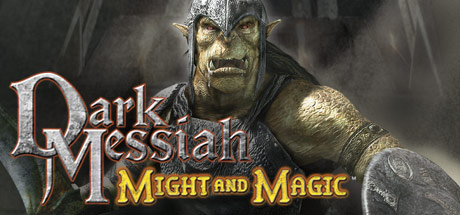
That same unsettling resonance flickers in Dark Messiah of Might & Magic, where ferocious combat unfolds in a dark, immersive world built on visceral physicality—the crunch of a skull under a warhammer, the tear of flesh during spell-fueled dismemberment. Its description names “Body Horror & Occult” as core dimensions—not as garnish, but as grammar. A player review calls it “a fantastic melee combat game that still holds up pretty well today,” and that endurance speaks to something deeper: the way its systems make violence tactile, not abstract. Like Ganta’s desperate, clumsy swings in the early matches, every parry and riposte in Dark Messiah carries weight, consequence, exhaustion. You don’t win by leveling up—you win by feeling the strain in your own shoulders, mirroring Ganta’s trembling arms after dragging himself across broken glass.
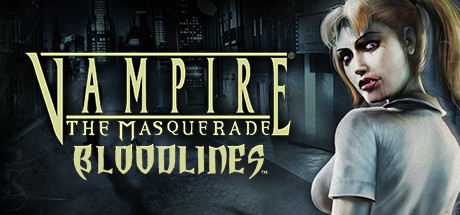
Then there’s Vampire: The Masquerade - Bloodlines, where the emotional narrative isn’t delivered through cutscenes alone but through corruption as texture: your character’s reflection warping in puddles, hunger gnawing at your HUD, dialogue choices fraying relationships like overstretched sinew. Its description confirms “Body Horror & Occult” and “Emotional Narrative” as foundational—not optional themes, but structural pillars. A player review insists, “*BUY IT ON GOG; if you want to use the steam version you need to download the unofficial patch…”—a telling detail. This isn’t just technical friction; it’s the effort required to stay immersed, to keep the fragile illusion of control alive amid systems that constantly undermine it. Just like Ganta must relearn how to trust his own body—how to interpret Shiro’s smiles, how to read the warden’s calm tone—Bloodlines demands you navigate morality while your own physiology betrays you. Both force you to ask: When your flesh lies, what part of you is still real?*
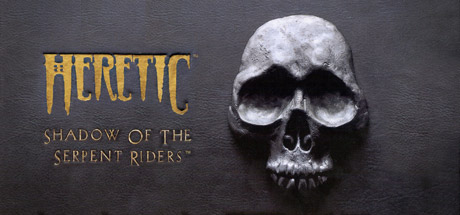
Heretic: Shadow of the Serpent Riders shares that same grim, ritualistic dread—the description places you as “a heretic… one of the last Sidhe elves,” hunted in a realm “corrupted by the evil magic of three brothers.” There’s no grand army, no heroic lineage—just isolation, ancient rot, and vengeance as the only compass. A player review simply says, “Pick up the remaster…” — terse, urgent, like a whisper in a tomb. That minimalism echoes Deadman Wonderland’s refusal to explain. No exposition dumps about the Red Man’s origin. No lore-dumps about the Deadmen’s biology. You learn through consequence: a twitch in Shiro’s hand, a stain on the arena floor, the way guards step back when she smiles too long. Both demand you feel your way forward, trusting instinct over intel.
This pairing isn’t for fans of clean catharsis or power fantasies. It’s for the ones who pause mid-battle to stare at a cracked wall in Bloodlines, wondering whose blood dried there. For the ones who replay Dark Messiah’s opening duel not to win faster—but to hear again how the sword clangs when it hits bone just right. For the ones who watch Ganta’s hands shake—not because he’s weak, but because they recognize that tremor as their own after watching too many sunrises through prison bars. They love stories where survival isn’t triumph—it’s endurance with a heartbeat, where every act of kindness feels like rebellion, and every moment of peace tastes faintly of rust.
🎮57 Games That Match the Vibe








Match Dimensions Explained
❓Frequently Asked Questions
Why does Dark Messiah of Might & Magic feel like Deadman Wonderland’s prison brawls?
Because both lean hard into visceral, physics-driven melee combat where every hit feels weighty and brutal—like when you slam a guard into a blood-splattered wall in Dark Messiah’s sewer levels, echoing Ganta’s desperate, close-quarters fights in the Deadman Wonderland prison yard. The game’s Source Engine enhances that raw, chaotic energy, and fans specifically call out its ferocious combat as holding up better than most RPGs from that era.
Is there a Deadman Wonderland game adaptation?
No official Deadman Wonderland game exists—but if you're craving that same dark fantasy + body horror + emotional narrative blend, Vampire: The Masquerade – Bloodlines nails it. Its gothic L.A. setting, morally gray choices, and grotesque transformations (like your character’s vampiric decay during frenzy) mirror the psychological toll and grotesque mutations seen in Deadman Wonderland’s Carnival Corpse arc.
How is Heretic: Shadow of the Serpent Riders different from Vampire: The Masquerade – Bloodlines for body horror fans?
Heretic leans into fast-paced, first-person occult chaos—think blasting Serpent Rider cultists while dodging mutating flesh constructs in cursed temples—whereas Bloodlines slows things down with dialogue trees, faction politics, and personal stakes like your sire’s betrayal. Both deliver body horror (Heretic’s cursed weapons warp your limbs; Bloodlines’ blood addiction triggers visceral physical breakdowns), but Heretic’s arcade-y pace matches Deadman Wonderland’s relentless action, while Bloodlines mirrors its emotional narrative depth.
What’s the best game like Deadman Wonderland if I want oppressive atmosphere + emotional storytelling without heavy crafting?
Go straight to Dark Messiah of Might & Magic—it ditches survival/crafting entirely and doubles down on grim, emotionally charged moments like confronting your corrupted mentor in the catacombs beneath the Citadel, all wrapped in tight melee combat and environmental storytelling. It shares Deadman Wonderland’s tone of betrayal, trauma, and visceral consequences, and players consistently praise how well its combat and narrative hold up—even calling it a spiritual cousin to Arx Fatalis, another title known for immersive dread.