Left 4 Dead
From Valve (the creators of Counter-Strike, Half-Life and more) comes Left 4 Dead, a co-op action horror game for the PC and Xbox 360 that casts up to four players in an epic struggle for survival against swarming zombie hordes and terrifying mutant monsters.
🎮Game Details
💬What Players Say
"Don't let the low hours fool you. Played this a lot on my Xbox 360. Plus I replayed the whole campaign through L4D2...."
"zombie game good better and magnificent then any other zombo gome so nana"
"best zombie game ever created if your get the second game you get all the levels from left 4 dead 2 i recommend it to anyone who likes zombie horror"
📝Editorial Analysis
The flashlight beam cuts a trembling cone through the rain-slicked alley—suddenly, a wet thump from above. You freeze. Your teammates’ breath hitches over voice chat. Then—screech, crunch, shriek—a Hunter drops, claws out, and the world collapses into pure, shared panic: no time to aim, no time to think, just push, shove, cover, revive. That’s Left 4 Dead—not as lore or map design, but as shared breath held too long, as Valve’s official description says: “an epic struggle for survival against swarming zombie hordes and terrifying mutant monsters.” Not solitary dread, not slow-burn decay—but co-op action horror, where “epic” means four voices cracking in unison, where “survival” isn’t abstract—it’s the three seconds it takes to reload while your friend staggers bleeding behind you. Player reviews don’t praise graphics or story—they praise replaying the whole campaign through L4D2, calling it “one of the best co-op games ever too,” because the game lives in that fragile, electric loop: trust, fail, recover, trust again.

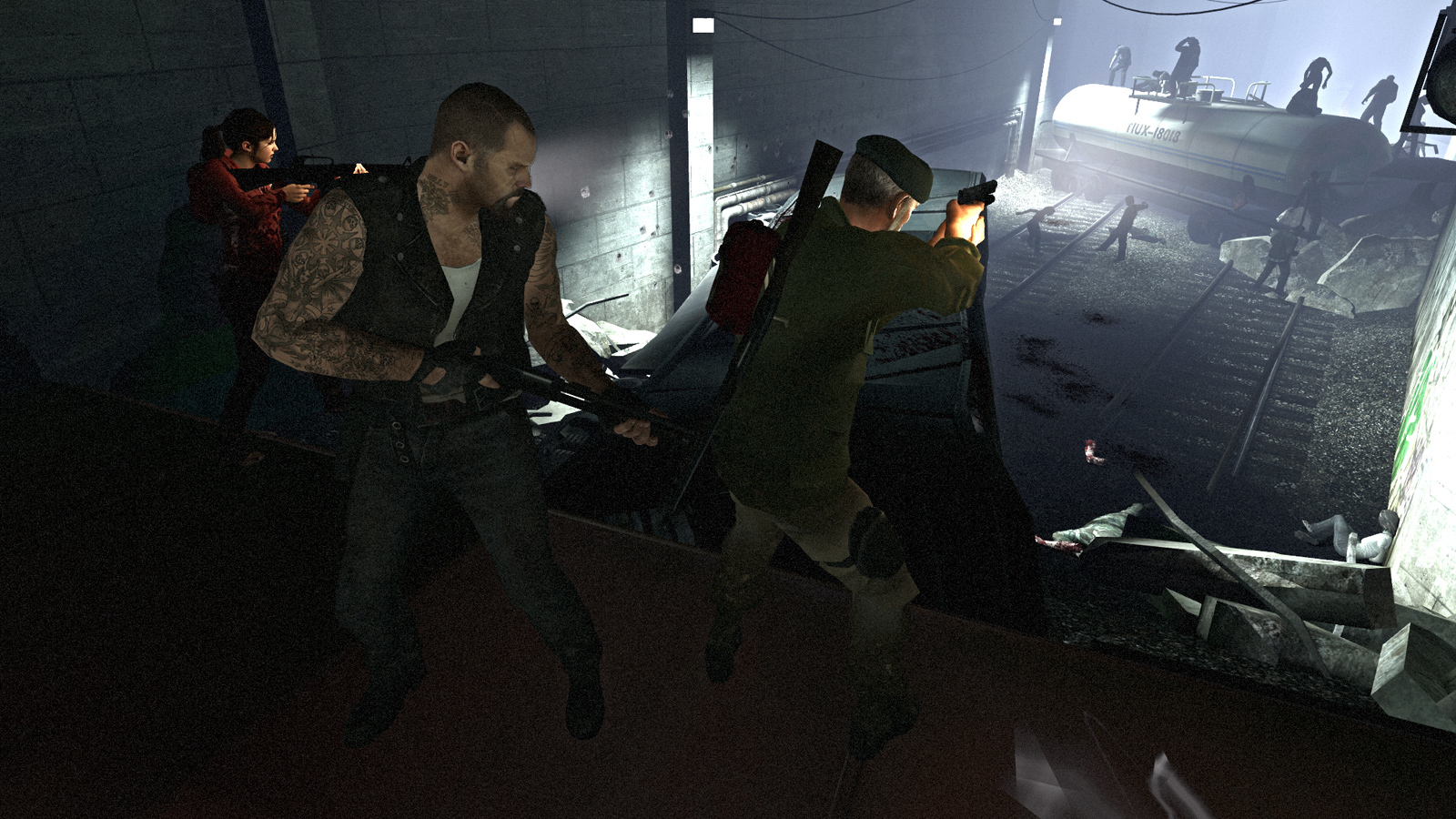
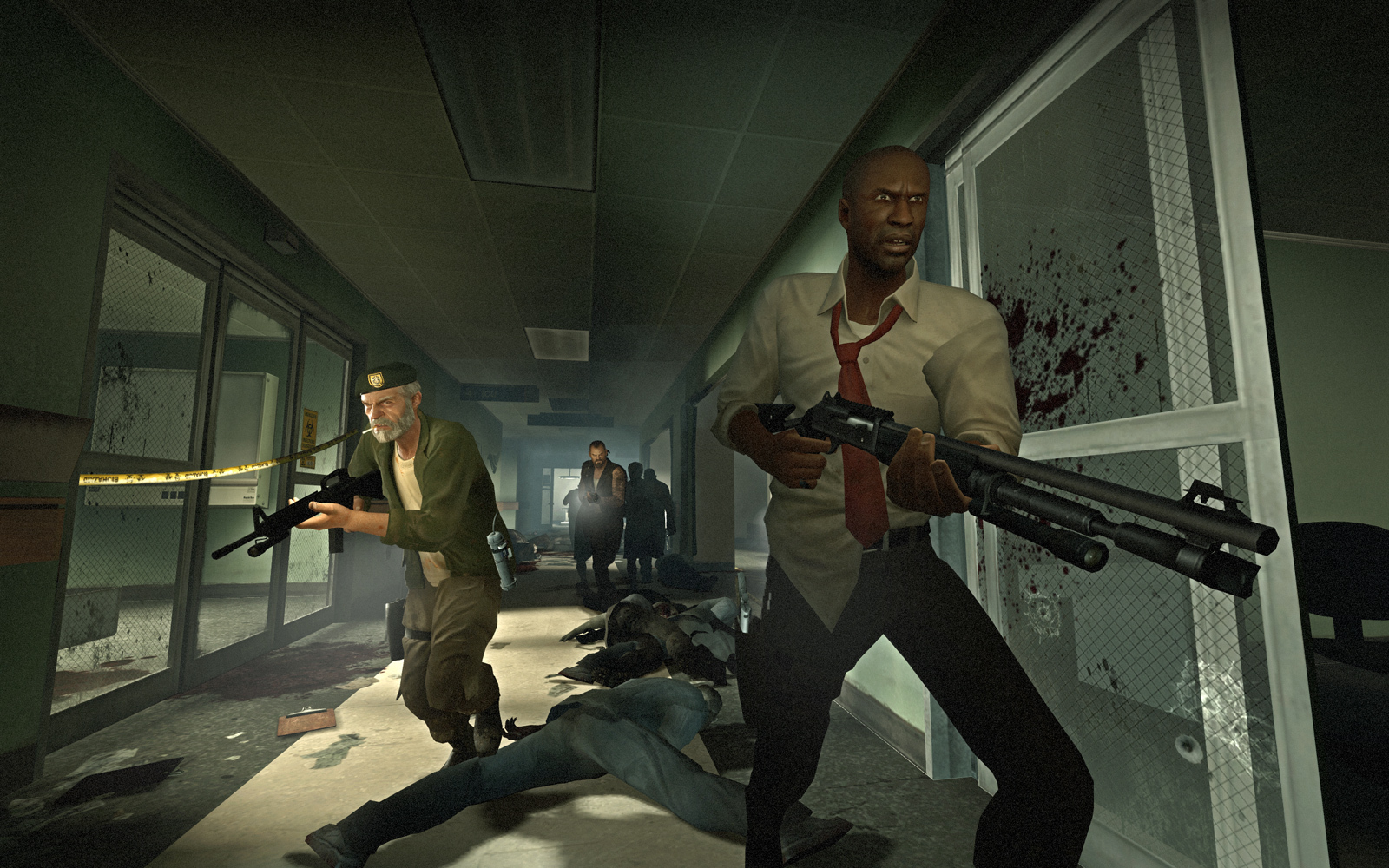
What makes it ache so deeply isn’t the zombies—it’s the weight of reliance. You don’t just fight together; you breathe together. When someone yells “I’m down!” and two others drop cover to drag you back, when a Smoker’s tongue wraps your ankle and three rifles snap toward the rooftop before you even name the threat—that’s not mechanics. That’s muscle memory made emotional. It makes you feel fragile, yes—but also fiercely capable, because capability here is never solo. It’s the quiet certainty that your teammate will spot the Witch before she stirs, that someone will toss you a medkit without being asked. It makes you think about how vulnerability isn’t weakness when it’s named aloud, when it’s met—not with judgment, but with a shotgun blast and a shouted “Go, go, GO!”
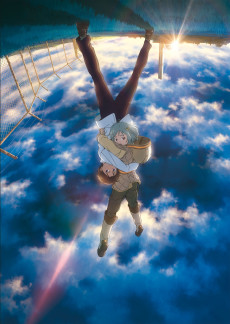
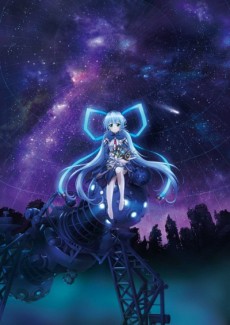
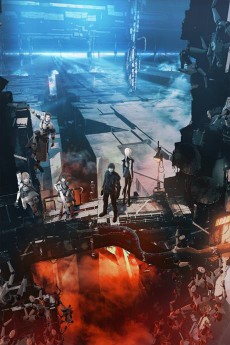
That same raw nerve hums in Bubble, where gravity fails and Tokyo drowns—not in water, but in silence broken only by breathless coordination. Its Survival & Crafting and Cyberpunk & Dystopia dimensions mirror Left 4 Dead’s ruined cityscapes and desperate resource calculus: every rope tied, every ledge scaled, every oxygen gauge watched, is a tiny pact between characters who must hold each other up—or fall forever. There’s no grand strategy, just split-second choices forged in shared airlessness.
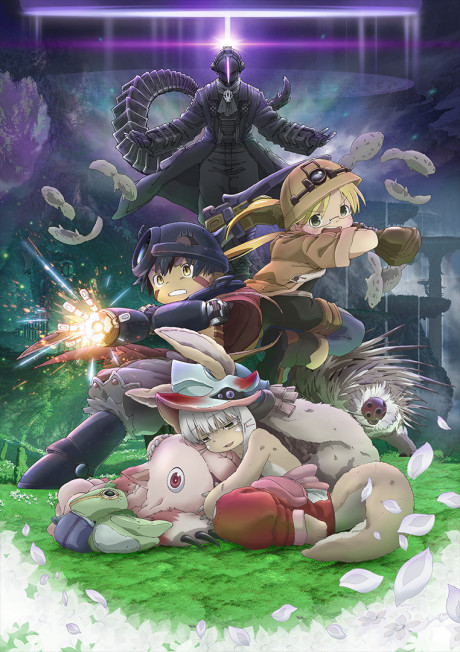
Then there’s Made in Abyss: Wandering Twilight, where descent isn’t metaphorical—it’s physical, visceral, biological. The Body Horror & Occult dimension isn’t just gore; it’s the slow, irreversible unraveling of self—like watching a teammate mutate mid-fight after a Tank’s punch, or hearing their voice distort as infection creeps in (even if only imagined). But crucially, it shares Left 4 Dead’s Survival & Crafting: every bandage wrapped, every makeshift barricade built, every ration divided—these aren’t chores. They’re rituals of care, performed under crushing pressure, where the line between healing and harm blurs like blood on rain-wet concrete.
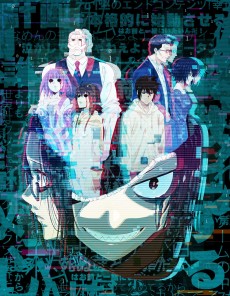
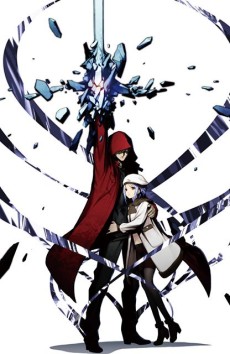
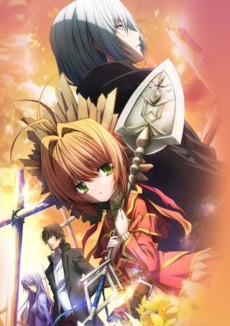
And Fate/Zero Season 2—yes, the one steeped in sorcery and war—lands its resonance not in magic, but in tactical warfare fused with Body Horror & Occult. Think of Kiritsugu’s cold, precise commands amid collapsing buildings and screaming allies—not unlike calling out “Boomer incoming—left flank!” while reloading mid-sprint. The horror isn’t just in dismemberment or curses—it’s in the cost of survival: what you sacrifice, what you break in yourself to keep others standing. Like Left 4 Dead, it refuses catharsis. Victory is exhausted, stained, temporary—and always shared.
This isn’t about zombies versus spirits or guns versus spells. It’s about the tremor in the hand when you reach to heal someone else instead of saving yourself. It’s about the way exhaustion and adrenaline blur into something like love—rough, urgent, unspoken until the safe room door slams shut and someone laughs, shaky, because they made it, together.
You’d love these pairings if you’ve ever muted your mic for five seconds—just to hear your own heartbeat—then unmuted because someone needed you to say “I got you” right then. If you replay campaigns not for trophies, but for the memory of how your friend yelled “NO—DON’T SHOOT THE TANK YET!” and you listened, and lived. If you believe horror hits hardest not when you’re alone in the dark—but when you’re shoulder-to-shoulder in it, knowing the only thing holding back the swarm is the person beside you, breathing just as hard.
→108 Anime That Match the Vibe

Gravity-defying bubbles float over Tokyo’s fractured skyline as Rikuo and Uta sprint across warped skyscrapers—mirroring the Left 4 Dead survivors’ desperate parkour across collapsed overpasses in the Quarantine Zone. Where *Bubble* transforms survival into lyrical, weightless choreography, *Left 4 Dead* weaponizes it through brutal, tactile **Survival & Crafting**—jamming shotguns, sharing meds, barricading doors. That contrast—ethereal physics versus gritty co-op pragmatism—makes their resonance startlingly rich: dystopia felt not just as ruin, but as rhythm.
The body as a site of transformation and terror — both push physical boundaries.
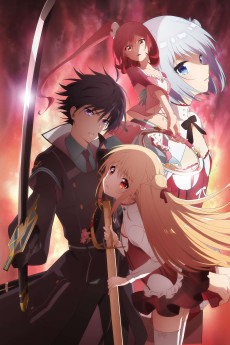
The body as a site of transformation and terror — both push physical boundaries.

The body as a site of transformation and terror — both push physical boundaries.
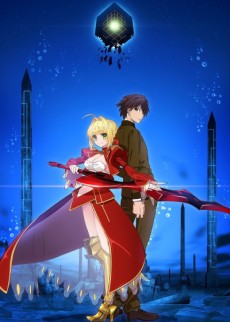
Both dive into neon-soaked futures where technology blurs the line between human and machine.
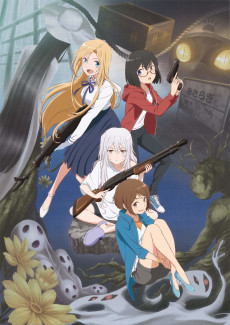
The body as a site of transformation and terror — both push physical boundaries.

The body as a site of transformation and terror — both push physical boundaries.

Hikaru’s trembling hands gripping the Go board—Sai’s ghostly presence flaring as a surge of ancient skill floods his nerves—echo the visceral, body-horror tremors of a Smoker’s tongue yanking a survivor into darkness. Unlike most competitive narratives, both weaponize the occult not for spectacle but as destabilizing pressure: Sai’s possession fractures Hikaru’s autonomy just as infected mutations rupture human form. That shared tension—where mastery emerges *through* violation—makes their resonance startlingly intimate, not thematic coincidence.

The body as a site of transformation and terror — both push physical boundaries.
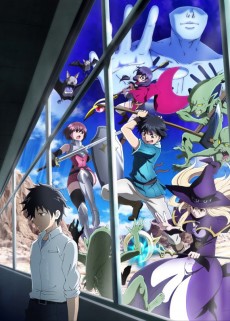
The body as a site of transformation and terror — both push physical boundaries.
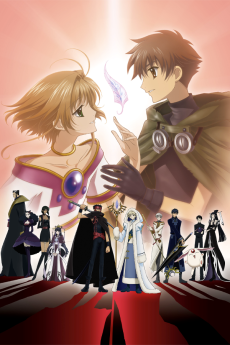
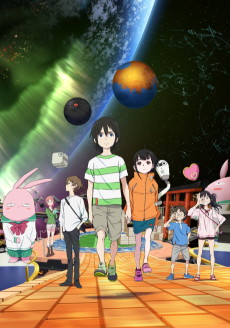

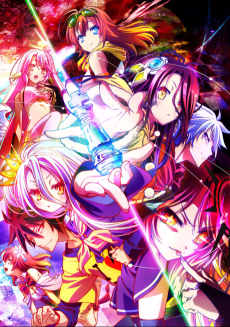

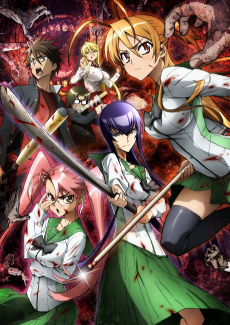



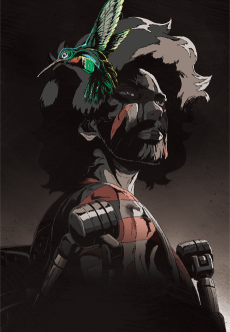

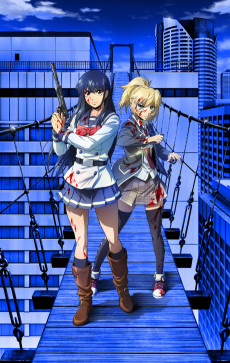

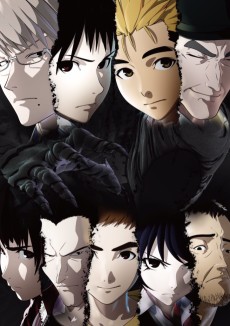




![Fate/stay night [Heaven’s Feel] III. spring song](https://s4.anilist.co/file/anilistcdn/media/anime/cover/large/bx21719-MSdTlkno0Z0u.jpg)



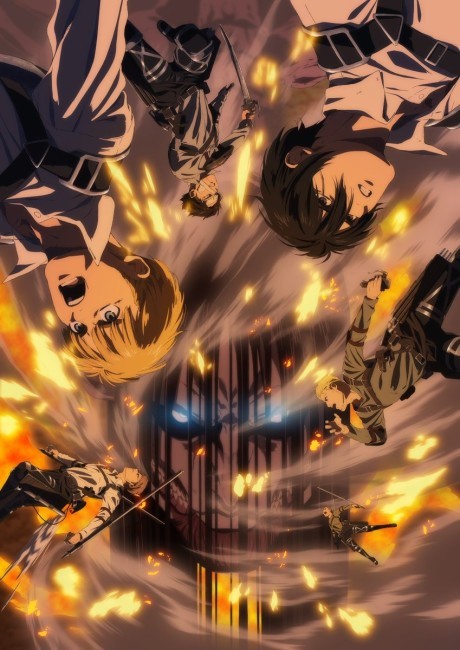




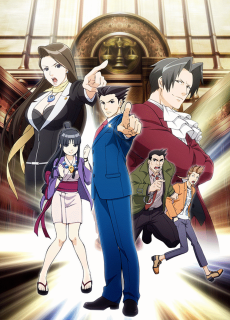
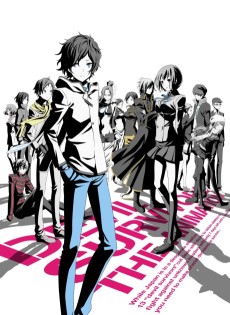

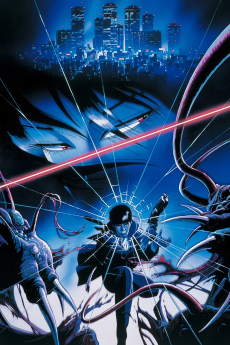
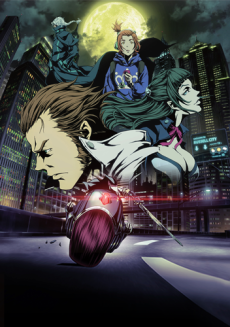


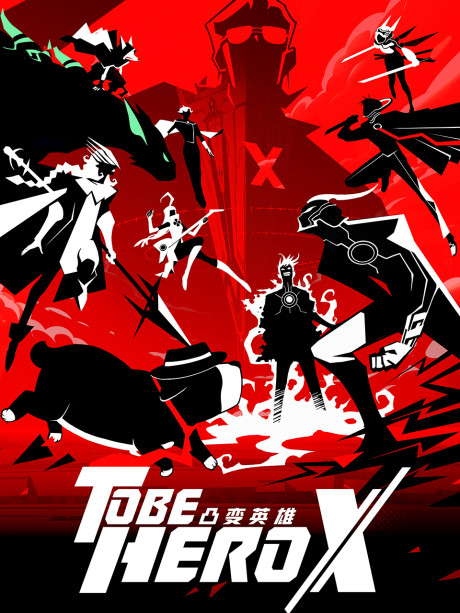

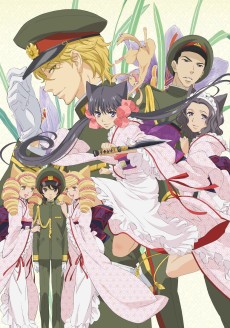
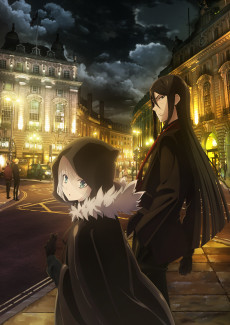

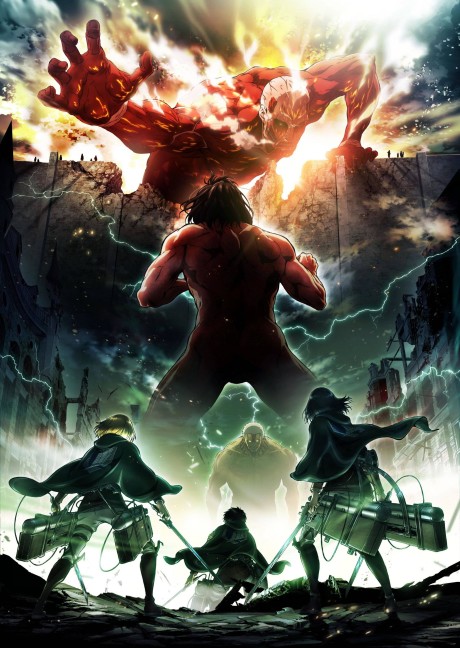

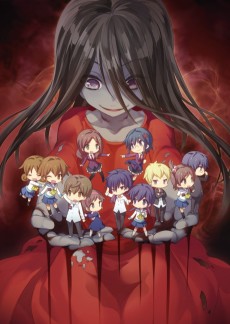

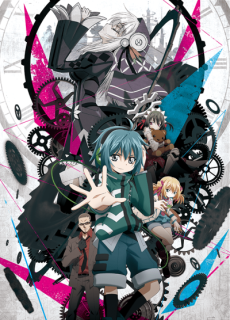
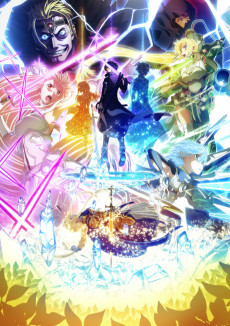

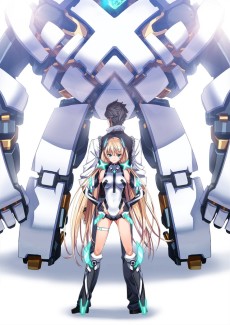
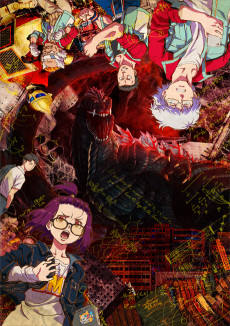

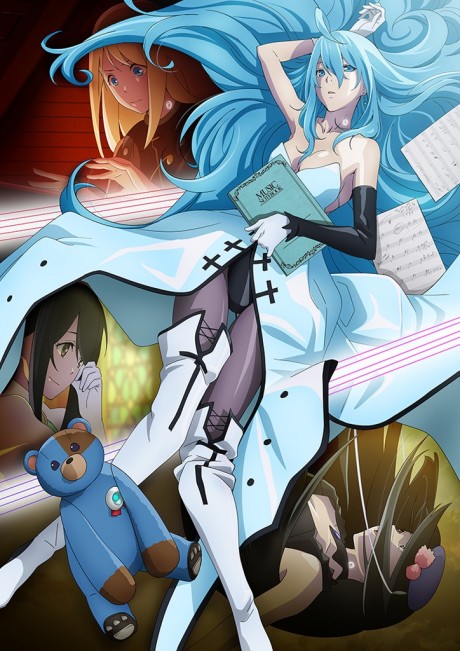
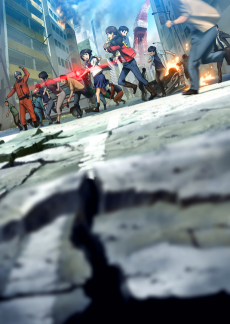
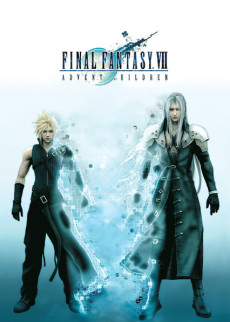
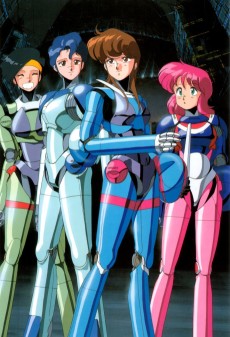


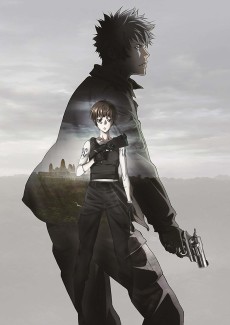


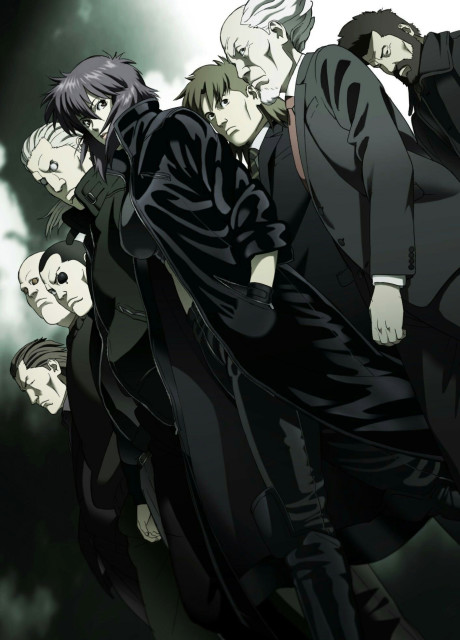
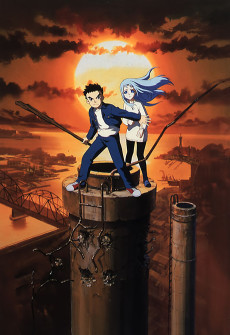

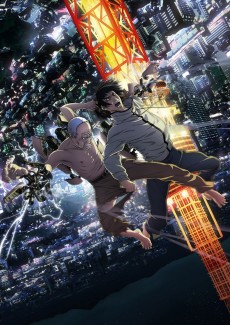
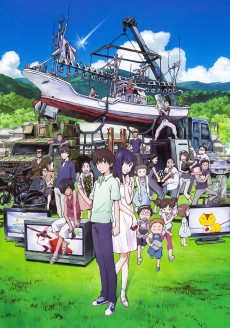
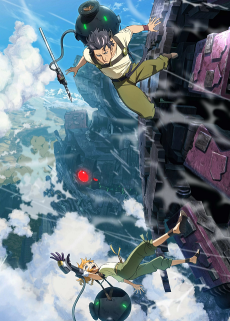
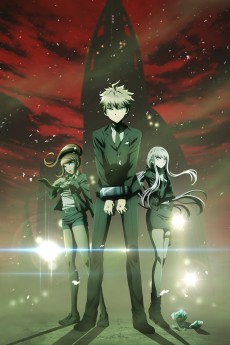

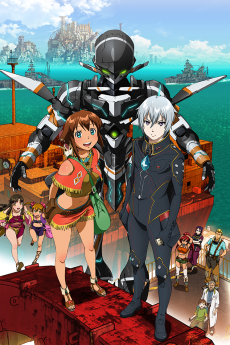


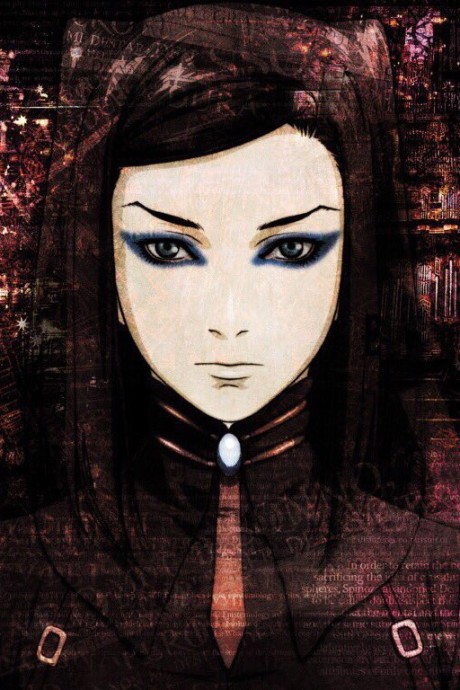
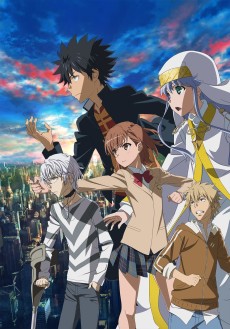
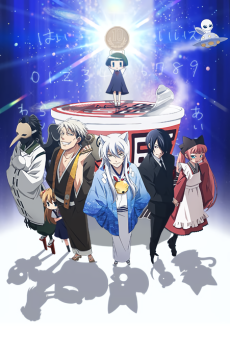
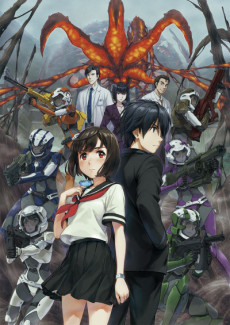
Match Dimensions Explained
❓Frequently Asked Questions
Why is Dorohedoro Season 2 considered similar to Left 4 Dead?
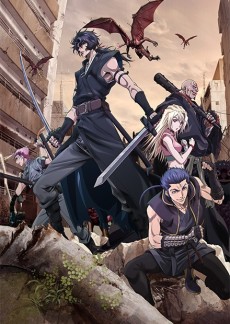
Because both thrive on chaotic, close-quarters survival against grotesque, unpredictable mutants—like Dorohedoro’s Hole residents turning into screaming, flesh-melting monsters mid-fight, mirroring L4D’s Special Infected ambushes (Hunter pounces, Smoker tongue-yanks). The grimy, decaying urban hellscape of the Sorcerer’s world feels like a hand-drawn, blood-splattered version of L4D’s abandoned malls and subway tunnels.
Is there an anime adaptation of Left 4 Dead?
No—Valve has never released or licensed an official anime adaptation of Left 4 Dead. But if you love L4D’s co-op tension and body horror, Bubble nails the cyberpunk dystopia + survival crafting vibe (think hacking terminals while dodging drone swarms), and Fate/Zero S2 delivers tactical warfare with visceral consequences—like Kiritsugu’s sniper duel in the church where every missed shot risks teammate death, just like a failed rescue in L4D’s finale.
How does Made in Abyss: Wandering Twilight compare to Fate/Zero Season 2 for Left 4 Dead fans?
Both lean hard into Body Horror & Survival & Crafting, but differently: Wandering Twilight hits L4D’s dread with slow-burn escalation—like Riko’s arm rotting after the Curse of the Abyss, echoing how L4D’s Tank punch can cripple you mid-run. Fate/Zero S2 swaps environmental decay for battlefield precision: Kiritsugu’s team coordination, explosive traps, and split-second calls under fire mirror L4D’s callouts and chokepoint holds—e.g., the warehouse fight where Saber’s timing saves Shirou like a well-placed pipe bomb saving your squad from a horde.
What’s the best anime like Left 4 Dead if I want that frantic, co-op survival vibe?
Bubble is your top pick—it’s literally built around four teens surviving a gravity-defying, ruined Tokyo while crafting gear, calling out threats, and relying on each other to dodge collapsing structures and AI-controlled drones (like L4D’s Director AI spawning chaos). When Moka dives to save Ruri mid-air while shouting ‘Left flank—now!’, it’s pure L4D energy: no solo wins, just trust, timing, and shared breathless panic.