
VIRGIN PUNK Clockwork Girl
The year is 2099.
Humanity has advanced, overcoming all injuries and illnesses with the development of the Medical Android Technology “Somadea.” However, along with the development of Somadea, crimes misusing said technology have rapidly increased.
Somadea grants physical abilities far superior to those of normal flesh and blood, and by illegally modifying it, Somadea can be misused for criminal purposes.
To deal with these Somadea crimes, the government established the Bounty Hunter System. Civilians registered as bounty hunters are permitted to kill illegal Somadea users designated as wanted criminals by the police. In return, they are rewarded with large amounts of bounty money.
Conditions for Receiving Bounty:
Bring the brain of a wanted criminal possessing illegal Somadea to authorities.
Whether the target is alive or dead…is irrelevant.
In this unforgiving world, Ubu Kamigori makes a living hunting down criminals as a bounty hunter. But one day, when she returns home from a job, she finds the man with whom she has a sordid history waiting there – Mr. Elegance. And so, her destiny begins to unravel.
A tale woven by mechanical girls and the smell of gunpowder smoke, this suspenseful action begins!
(Source: Aniplex USA, edited)
📺Anime Details
📝Editorial Analysis
Rain slicks the neon-drenched rails of Neo-Kobe’s elevated train lines—not gently, but in jagged, electric sheets that catch the flicker of a dying ad-banner: SOMADEA HEALS. SOMADEA OBEYS. Then—crack—a Somadea-modified assassin drops from the undercarriage of a passing mag-lev, landing silent on the wet steel, her left arm already unwinding into a segmented railgun barrel. No music swells. No voiceover explains. Just the hiss of steam, the low thrum of the city’s failing grid, and the wet shink as she reloads mid-crouch, blood mixing with coolant dripping from her elbow joint. That’s VIRGIN PUNK Clockwork Girl: not a world where tech dazzles—it leaks, it fails, it bleeds.

This isn’t cyberpunk as chrome fantasy. It’s cyberpunk as urban fatigue—the weight of 2099 pressing down like humidity before a storm that never breaks. You feel the grit in your teeth, the static cling of synth-fabric uniforms, the way every gunfight ends not with victory, but with a cough, a stumble, a glance at a cracked wrist-display showing somatic decay accelerating despite the Somadea core. It makes you think about bodies as infrastructure: fragile, repairable, weaponizable—and always, always one misfire away from becoming evidence. There’s no awe here, only grim arithmetic: how many rounds before the servo fails? How many seconds before the neural dampeners overload? The emotional DNA isn’t rebellion or wonder—it’s exhausted vigilance. You don’t cheer the protagonist—you hold your breath when she blinks.
That same exhausted vigilance lives in Nuclear Dawn, where the description promises “war-torn post-apocalyptic landscapes” and “tactical warfare”—but the player review cuts straight to the marrow: “the servers are 100% dead with 0 active players.” That desolation isn’t just setting—it’s texture. Like VIRGIN PUNK Clockwork Girl’s abandoned subway tunnels lined with rusting Somadea chassis, Nuclear Dawn’s empty maps aren’t backdrops; they’re testaments to collapse. You move through them knowing no one’s coming to reinforce you—not because the story says so, but because the infrastructure itself has given up. The silence between gunfire isn’t suspense—it’s abandonment made audible.
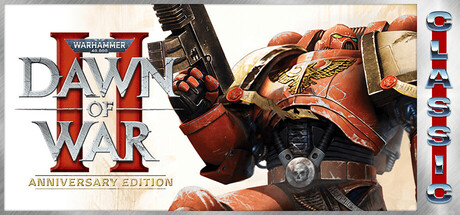
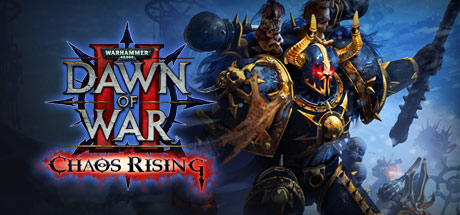
Then there’s Warhammer 40,000: Dawn of War – Anniversary Edition, described as “blood-soaked glory” with “four complete campaigns,” yet the player review fixates on pragmatic survival: troubleshooting modern PC compatibility, hunting for DLC, patching glitches. That’s the same energy—the anime’s cops rerouting damaged Somadea limbs mid-chase, jury-rigging police drones with scavenged med-tech, all while sirens wail off-screen, unheard. The game doesn’t offer mythic heroism; it offers maintenance. You don’t command legions—you troubleshoot them. And when the review notes “this is what I have found that works…”, it echoes the anime’s quietest moments: a technician wiping grease off her glasses, recalibrating a girl’s ocular implant while the city burns outside the clinic window. Both demand respect for the grind, not the grand gesture.
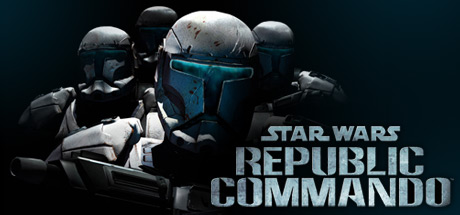
Even STAR WARS™ Republic Commando™, with its elite squad and “infiltrate, dominate, annihilate” directive, lands in this emotional orbit—not through scale, but through intimacy of failure. The player review’s edit—“Just finished the game, its cliffhanger…”—mirrors the anime’s unresolved tension: no clean endings, only operational pauses. You lead your squad not because you’re infallible, but because everyone else is already compromised. The game’s tactical commands—“take offensive formation”—feel less like battlefield mastery and more like delaying the inevitable. Like the anime’s train sequences: velocity as both escape and trap, momentum as the only thing keeping you upright while your systems scream warnings.
This pairing isn’t for fans of sleek upgrades or triumphant arcs. It’s for the ones who pause mid-gameplay to stare at a broken HUD overlay, who rewatch the anime’s third episode not for the action—but for the two-second shot of a Somadea’s palm print scanner flickering twice before going dark, unexplained. It’s for players who keep modding Republic Commando not to make it flashier, but more fragile: lowering health regen, adding audio distortion on critical hits, making every reload feel like a gamble. They love the weight—not of lore, but of consequence. The ones who know the most haunting line in VIRGIN PUNK Clockwork Girl isn’t shouted in battle, but whispered over a corpse’s cooling chassis: “Her last log entry was ‘battery at 12%. Requesting recharge.’” That’s the shared heartbeat—tired, precise, unforgiving.
🎮32 Games That Match the Vibe


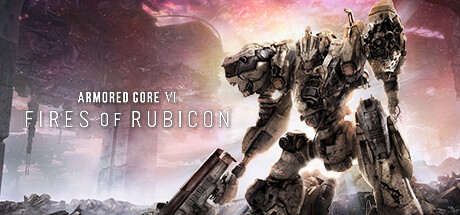
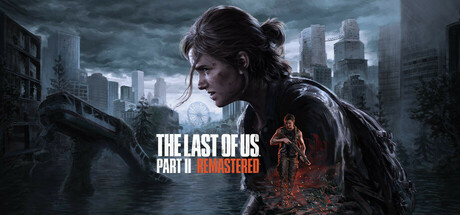
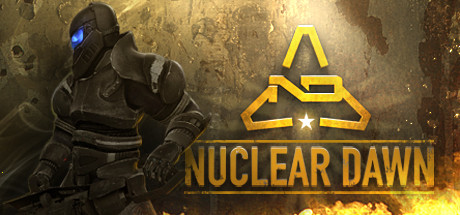






Match Dimensions Explained
❓Frequently Asked Questions
Why is Nuclear Dawn listed as similar to VIRGIN PUNK Clockwork Girl when it’s mostly dead servers?
It’s the shared gritty, war-torn cyberpunk/dystopia vibe—think rain-slicked ruins, flickering neon signs over ruined cityscapes, and tactical squad-based combat where positioning matters more than spray-and-pray. Even though its multiplayer is ghost-town quiet (0 active players, per that blunt player review), its FPS/RTS hybrid mechanics and oppressive atmosphere mirror Clockwork Girl’s tense, high-stakes urban warfare feel—just swap VIRGIN PUNK’s clockwork rebels for Nuclear Dawn’s ragtag resistance fighters scrambling through collapsed infrastructure.
Is there a VIRGIN PUNK Clockwork Girl anime or movie adaptation?
No official anime or film exists yet—but if you’re craving that same blend of grimy cyberpunk worldbuilding and morally grey tactical storytelling, Warhammer 40,000: Dawn of War – Anniversary Edition delivers hard. Its four campaigns drop you straight into the Emperor’s brutal crusades with characters like Gabriel Angelos and scenes dripping in gothic dread—like storming the Blood Ravens’ fortress-monastery under siege—plus those blood-soaked RTS cutscenes hit *exactly* the same tonal notes as Clockwork Girl’s rebel uprisings and rust-gilded betrayals.
How does STAR WARS Republic Commando compare to VIRGIN PUNK Clockwork Girl in terms of squad control?
Both demand tight, real-time squad coordination—but Republic Commando leans into immersive first-person command: you bark orders like 'Take offensive formation!' while your Delta Squad mates flank, breach, and suppress just like Clockwork Girl’s customizable rebel units. You’ll recognize the same weighty, tactical rhythm—especially during claustrophobic industrial missions (think Geonosis droid factories vs. Clockwork Girl’s steam-choked clocktower sieges)—and yes, that cliffhanger ending? It’s got the same unresolved, urgent energy fans love about VIRGIN PUNK’s narrative pacing.
What’s the best game like VIRGIN PUNK Clockwork Girl if I want that desperate, scrappy underdog vibe?
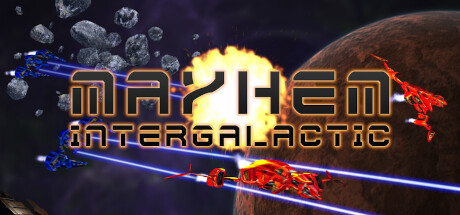
Mayhem Intergalactic—it’s the scrappiest of the bunch. You start with limited counters on cramped maps, improvising strategies with mismatched units (no fancy tech, just duct-taped mechs and jury-rigged turrets), and that ‘simple but surprisingly strategic’ feel nails Clockwork Girl’s DIY rebellion spirit. Plus, it’s built for quick, high-stakes matches against AI or friends—perfect when you want that same rush of outsmarting overwhelming odds, just without needing a full campaign or stable servers.