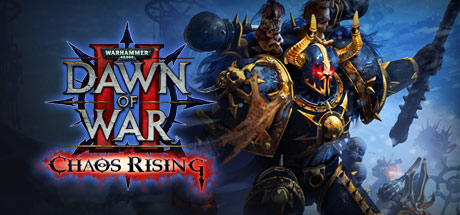
Warhammer® 40,000: Dawn of War® II Chaos Rising
In Dawn of War II: Chaos Rising you will take command of the Blood Ravens and defend the sector against the Chaos Space Marines of the Black Legion. Purge the Chaos filth and hold the chapter together as traitorous forces work from within to try bring down the Blood Ravens.
🎮Game Details
💬What Players Say
"full co op story and fun multiplayer. What else could you ask for?"
"I read a lot of negative reviews telling that this game is worse than the first part in every possible way. I didn't play the first part. I only played Dawn of War II and its dlc Chaos Rising...."
"Peak, 10/10. The game knows what it wants to be and nails it in every way."
📝Editorial Analysis
The air in the Blood Ravens’ command deck is thick—not with smoke, but with doubt. You’re not watching a cutscene; you’re standing there, helmet visor flickering with corrupted data streams, listening to your own Chapter’s vox-channels fracture into static and whispers. One voice begs for reinforcements. Another—lower, slower—quotes scripture backward. The official description nails it: “hold the chapter together as traitorous forces work from within.” Not just outside the walls. Inside. That’s the gut-punch. Not the Black Legion’s warships blotting out the sun—but the silence after a trusted sergeant fails a loyalty check, his armor suddenly wrong, joints clicking like broken prayer beads. Player Review 3 calls it peak—not because it’s polished, but because it knows what it wants to be: a slow, suffocating siege of faith, where every tactical decision feels like holding back a tide with your bare hands.
This isn’t grimdark as spectacle. It’s grimdark as pressure. The weight isn’t in the scale of destruction—it’s in the narrowing of options. You don’t get to rebuild. You don’t get redemption arcs handed out like promissory notes. You purge, you retreat, you reassign squads mid-battle because someone’s gene-seed just itched. The game makes you feel cornered, not by enemies, but by consequence. Every mission is less about victory and more about containment: contain the corruption, contain the mutiny, contain your own fraying certainty. It’s tactical warfare stripped of heroism—just disciplined men and women doing terrible things to keep something worse from spilling through the cracks. There’s no catharsis in the final boss fight. There’s only relief, cold and metallic, when the last corrupted Librarian collapses—not dead, but sealed, still breathing, still whispering. That’s the feeling: inescapable duty, worn like cracked ceramite.
Final Fantasy VII: Advent Children shares that same claustrophobic dread beneath its neon glare. Not the flash of summons or the sweep of Cloud’s sword—but the way Midgar’s ruins aren’t backdrops, they’re wounds. The cyberpunk sheen hides rot that spreads internally: Geostigma isn’t caught—it grows, like Chaos taint, rewriting biology from within. Both demand you fight while already compromised—Cloud’s arm fused with mako, the Blood Ravens’ gene-seed laced with doubt. Tactical Warfare here isn’t about flanking—it’s about triage, choosing which infection to cauterize first.
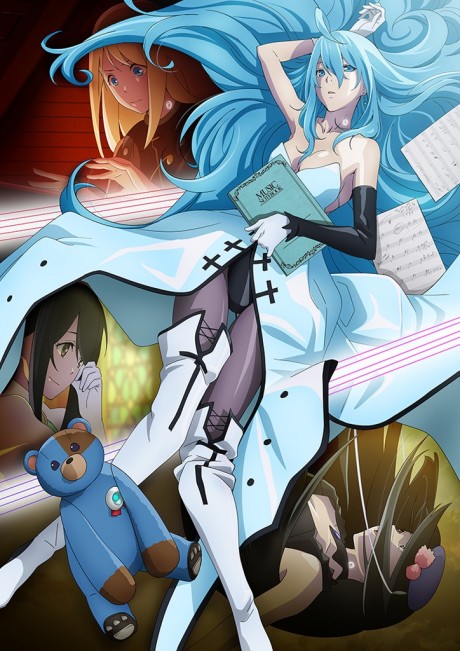
GOOD NIGHT WORLD hits even deeper in the Body Horror & Occult dimension. Its world doesn’t break at the edges—it unspools from the center outward, like a corrupted cogitator core overheating. Characters don’t fall to madness—they reconfigure, limbs folding wrong, memories glitching into liturgical fragments. That’s the exact texture of Chaos Rising’s insidiousness: not sudden possession, but erosion. A squad’s morale meter doesn’t drop—it flickers, then holds steady… until it doesn’t. The horror isn’t the demon—it’s the moment you realize the marine you just ordered into the breach smiled as he stepped through the warp-static.
And TRIGUN STAMPEDE, for all its kinetic energy, carries the same adult & dark seinen gravity. Vash isn’t dodging bullets—he’s dodging meaning, refusing to let violence settle into narrative inevitability. Like the Blood Ravens’ Captain, he operates under self-imposed limits in a universe that rewards brutality. Both are stories where mercy isn’t soft—it’s tactical, exhausting, and constantly punished. When Vash lowers his gun mid-barrage, or when you hold fire on a corrupted apothecary who might still be salvageable—that’s not weakness. It’s the most dangerous kind of discipline.
This pairing isn’t for fans of clean victories or moral clarity. It’s for the ones who replay the same mission three times—not to win faster, but to see if the third time, the sergeant doesn’t hesitate before opening fire on his former brothers. It’s for viewers who pause GOOD NIGHT WORLD not to admire the animation, but to stare at the way light bends just wrong around a character’s iris. For players who read Player Review 1’s “full co op story” and think: so even shared struggle can’t dilute the isolation. These are stories built for people who understand that the heaviest armor isn’t plasteel—it’s the quiet, unblinking choice to stand guard while the thing you swore to protect starts whispering your name in tongues.
→49 Anime That Match the Vibe
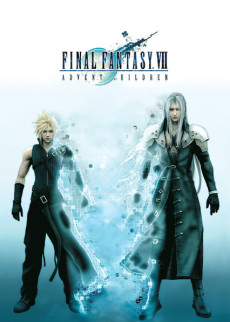
A shattered Midgar skyline bleeds neon and ash—just as the Blood Ravens’ bastion crumbles under Black Legion siege. Where *Chaos Rising* weaponizes tactical warfare amid cyberpunk-dystopian decay—orbital strikes failing, commanders fracturing under psychic rot—*Advent Children* mirrors that erosion: Cloud’s Geo-stigma isn’t just illness, but systemic corruption echoing Chaos’ insidious spread. This resonance feels startlingly intimate: both use sci-fi as a scalpel to dissect faith under siege—not of gods, but of purpose, loyalty, and the body itself.
Both dive into neon-soaked futures where technology blurs the line between human and machine.

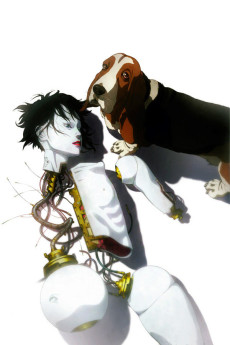
Magnetic Rose’s derelict space station—where grief warps reality into a lethal simulation—mirrors the Blood Ravens’ crumbling sanity aboard the *Litany of Fury*, as both confront psychological decay amid 🚀 Sci-Fi & Space horror. Unlike most tactical shooters, *Chaos Rising* makes corruption visceral: each failed morale check echoes Eva’s fragmented memories haunting the *Alexandria*. This resonance isn’t thematic coincidence—it’s structural: trauma weaponized by technology, where 🖤 Adult & Dark Seinen depth emerges from systems failing inward.

Vash’s shattered smile as he absorbs a plasma blast in *TRIGUN STAMPEDE*’s orbital debris field echoes the Blood Ravens’ grim resolve amid the crumbling spires of Aurelia—both worlds weaponize hope in unrelenting **Cyberpunk & Dystopia**. Unlike most space operas, neither flinches from showing how ideology fractures under fire: Meryl’s notebook fills with contradictions just as Chapter Master Azariah grapples with heresy’s seductive logic. That shared tension—between duty and doubt, pacifism and annihilation—makes their resonance startlingly intimate.

Both dive into neon-soaked futures where technology blurs the line between human and machine.
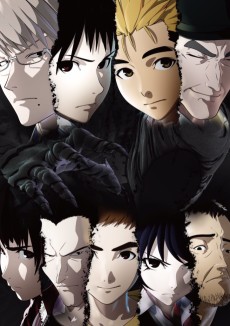
Kei Nagai’s first resurrection—limbs reknitting, eyes snapping open in sterile horror—mirrors the Blood Ravens’ grim discovery of Chaos-corrupted marines *regrowing* flesh mid-battle on Aurelia. Unlike most tactical sci-fi, both weaponize 🖤 Adult & Dark Seinen dread through irreversible bodily violation: Kei’s immortality as curse, the Space Marines’ mutations as spiritual rot. That shared descent into self-betrayal—flesh as battlefield, identity as casualty—makes their resonance chillingly precise.

JP’s blistering drift through Redline’s neon-drenched, gravity-defying Casino City—tires shrieking, chassis screaming—mirrors the Blood Ravens’ desperate, last-stand trench warfare on Aurelia’s ash-choked plains. Where Chaos Rising weaponizes dystopian decay as psychological siege, Redline transforms cyberpunk spectacle into visceral, high-stakes velocity. Both fuse sci-fi scale with raw, bodily stakes: one in bolter fire and corrupted flesh, the other in nitro burns and shattered windshields—surprisingly kin in their refusal to let awe dilute agony.
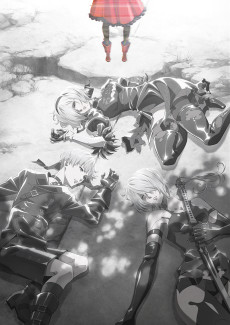
Both dive into neon-soaked futures where technology blurs the line between human and machine.
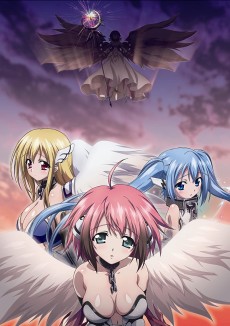
Kazane Hiyori’s clockwork angeloid—fractured, self-repairing, and laced with unstable chronal energy—mirrors the Blood Ravens’ desperate, near-suicidal purges amid warp-corrupted ruins on Aurelia. Unlike most sci-fi pairings, this resonance isn’t about heroism but *entropic decay*: both works weaponize Cyberpunk & Dystopia aesthetics to frame technology as simultaneously salvific and sacrilegious. That the movie’s climax hinges on Kazane choosing love over deterministic time-loops while the game forces you to sacrifice loyal marines to contain Chaos? That tension between devotion and dissolution feels eerily, compellingly aligned.
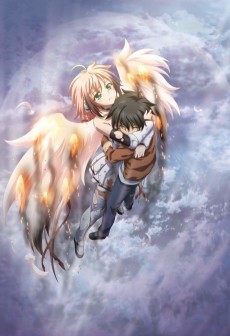
Both dive into neon-soaked futures where technology blurs the line between human and machine.
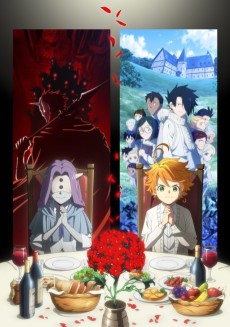

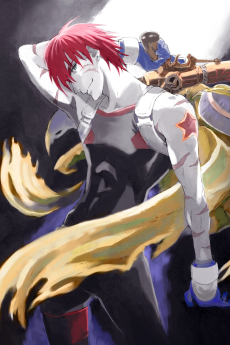
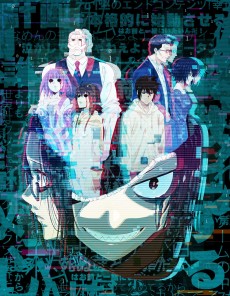
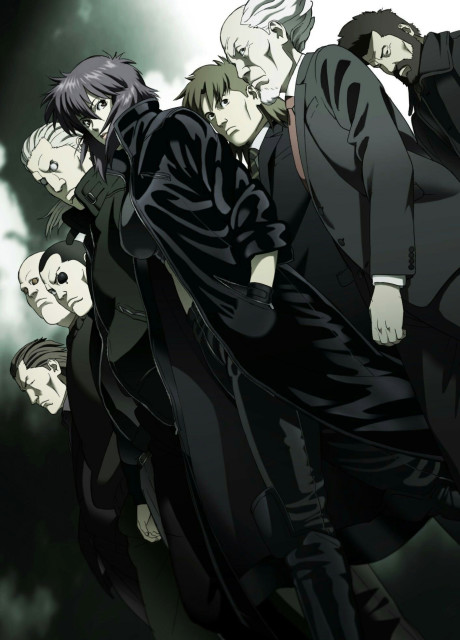






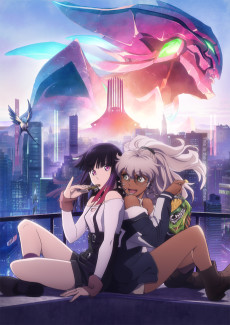

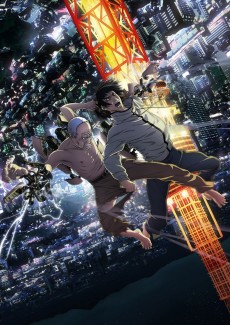
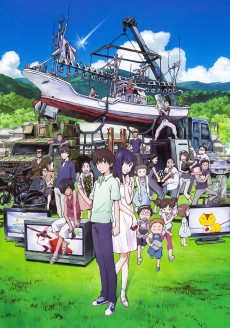

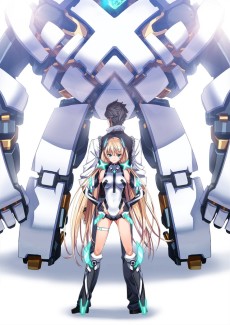


Match Dimensions Explained
❓Frequently Asked Questions
Why is TRIGUN STAMPEDE on the 'Anime Like Dawn of War II: Chaos Rising' list?
Because both lean hard into tactical, squad-level sci-fi warfare in a crumbling, dystopian galaxy — like Vash and Nicholas D. Wolfwood’s precise, high-stakes gunplay mirroring the Blood Ravens’ cover-based firefights and suppression mechanics against Black Legion berserkers. The game’s internal betrayal arc (e.g., Chapter Master Azariah Kyras turning traitor) echoes STAMPEDE’s themes of ideological fracture and hidden corruption within a once-unified order.
Is there an anime adaptation of Dawn of War II: Chaos Rising?
No — there’s never been an official anime adaptation of Chaos Rising, despite its rich lore and Blood Ravens-focused story. But if you’re craving that same vibe, GOOD NIGHT WORLD nails the adult, dark seinen tone with body horror and occult dread — think of how the game’s Warp-tainted Marines twist and mutate mid-battle, just like GNW’s grotesque, reality-warping entities emerging from corrupted data streams.
How does AJIN: Demi-Human compare to Final Fantasy VII: Advent Children for Chaos Rising fans?
AJIN hits harder on body horror and moral ambiguity — like when Kei Nagai’s regenerative trauma mirrors the Blood Ravens’ desperate, self-destructive purges of Chaos-tainted brothers — while Advent Children leans into cyberpunk spectacle and large-scale tactical set pieces (e.g., the Midgar ruins battle echoing the game’s fortified stronghold sieges). Both share the ‘tactical warfare’ dimension, but AJIN’s grittier, grounded stakes feel closer to Chaos Rising’s claustrophobic, chapter-in-peril tension.
What’s the best anime like Chaos Rising if I want grim, morally gray squad warfare with internal betrayal?
Memories — specifically the ‘Magnetic Rose’ segment — delivers that exact vibe: isolated deep-space marines confronting psychological collapse and hidden treachery aboard a derelict vessel, much like the Blood Ravens’ descent into paranoia as Kyras manipulates them from within. Its oppressive atmosphere, slow-burn dread, and emphasis on unit cohesion under existential threat match Chaos Rising’s campaign far more than flashy shonen battles.