
Strike the Blood: Kingdom of the Valkyria
📺Anime Details
📝Editorial Analysis
The air in the ruined cathedral hangs thick—not with smoke, but with silence that vibrates. A single shaft of fractured light cuts through stained glass, illuminating dust motes dancing above a fallen spear embedded in marble. Her breath is steady, bare feet silent on cold stone, crimson hair catching the glow like spilled wine—no flinch, no tremor, just the quiet certainty of someone who has already decided what she will sacrifice. That’s not a battle cry. That’s Valkyria.
This isn’t urban fantasy as escapism—it’s urban fantasy as pressure. The school corridors hum with suppressed power, the harem dynamics feel less like wish-fulfillment and more like diplomatic minefields draped in silk and skirts, and every act of “ecchi” exposure carries the weight of vulnerability in a world where terrorism isn’t background noise but a tactical variable woven into royal succession. You don’t watch Strike the Blood: Kingdom of the Valkyria to relax—you watch it to feel the tension of sovereignty held together by sheer will, where a kuudere’s stillness is armor, and spearplay isn’t choreography but calibrated threat assessment. It makes you think about legitimacy—not as birthright, but as endurance under scrutiny, where every glance, every unspoken boundary, every flicker of nudity isn’t titillation but exposure in the literal sense: political, bodily, existential.
That same tension lives in REMNANT II®, where players navigate crumbling cities choked with biomechanical decay and factional distrust—not just fighting monsters, but negotiating alliances where one misstep triggers war. Player reviews cite its “relentless tactical warfare” and “dark fantasy stakes,” mirroring how Kingdom of the Valkyria treats diplomacy like combat: every conversation in the royal chamber has cover fire, every alliance comes with embedded conditions, and survival depends on reading intent faster than your opponent draws steel. Likewise, ARMORED CORE™ VI FIRES OF RUBICON™ doesn’t let you coast on spectacle—it forces split-second loadout decisions amid collapsing infrastructure and ideological siege lines. Its “cyberpunk & dystopia” dimension isn’t neon gloss; it’s rust, static, and the exhaustion of rebuilding order while bullets whistle past your cockpit. That’s the same fatigue you see in the protagonist’s eyes after mediating between vampire clans and human counter-terrorism units—not heroics, but stewardship under fire.
Even Apex Legends™, with its high-speed skirmishes across irradiated megacities and shifting territorial control, channels that same urgency. Reviews highlight its “tactical warfare” precision—how positioning, intel, and team coordination outweigh raw firepower—and that’s the heartbeat of Kingdom of the Valkyria: fights aren’t won by strength alone, but by reading enemy formations mid-leap, exploiting environmental chokepoints in abandoned subway tunnels, or turning a school festival parade route into a live-fire evasion course. The emotional DNA isn’t adrenaline—it’s responsibility, sharpened to a blade’s edge.
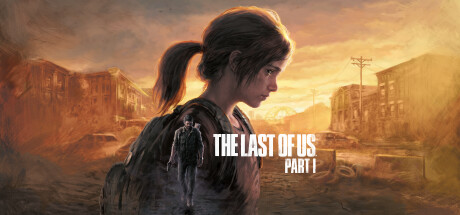
You’d love this pairing if you’ve ever paused mid-battle in The Last of Us™ Part II Remastered, not for the gore, but for the way silence swells before violence—how grief reshapes tactics, how loyalty calcifies into protocol, how “cyberpunk & dystopia” here means moral architecture collapsing under its own weight. That game’s 80-score resonance isn’t about setting—it’s about consequence: every choice fractures trust, every victory costs something irreplaceable. So does Kingdom of the Valkyria, where a kiss might seal an alliance—or trigger a coup. And SIGNALIS, with its eerie, recursive dread and “tactical warfare” stripped down to inventory management and whispered radio static? It mirrors the anime’s most unsettling moments: when the camera holds on an empty hallway after a threat retreats, and you realize the real danger isn’t the monster outside—it’s the system failing within, the protocols fraying, the crown heavy not because it’s gold, but because no one else is holding it upright.
This isn’t for fans of power fantasies. It’s for people who find beauty in restraint, intimacy in withheld glances, thrill in the precise moment a spear tip halts a millimeter from skin—not to wound, but to measure resolve. For those who know that the most electric scene isn’t the explosion, but the breath before ignition.
🎮34 Games That Match the Vibe








Match Dimensions Explained
❓Frequently Asked Questions
Why does REMNANT II keep showing up in 'Games Like Strike the Blood: Kingdom of the Valkyria' lists?
Because both lean hard into that brooding, gothic-tinted tactical combat where you're constantly juggling vampiric-style abilities—like dodging mid-air or chaining blood-fueled dashes—against hordes of grotesque, lore-heavy enemies. REMNANT II’s Hollows and Root monsters hit the same dark fantasy + dystopian dread vibe as the Valkyria’s cursed bloodlines and ruined cityscapes, and its co-op boss fights (like the Labyrinth Guardian) mirror the high-stakes, character-driven duels from the anime’s cathedral battles.
Is there a Strike the Blood anime game adaptation?
No—there’s no official Strike the Blood game adaptation, which is why fans turn to titles like ARMORED CORE VI, where you pilot a heavily customized mech (like Akatsuki’s Valkyria armor) through rain-lashed, cyber-dystopian ruins while facing off against elite, story-locked rivals—very much like the anime’s faction wars and power-scaling rivalries between Kojou and the Lion King’s forces.
How does SIGNALIS compare to The Last of Us Part II Remastered for Valkyria-style tension?
SIGNALIS nails the psychological, claustrophobic dread of being hunted in decaying, symbol-laden spaces—think Kojou’s isolation in the abandoned school during the ‘Crimson Eclipse’ arc—while TLOU2 leans into raw, visceral human conflict and moral exhaustion, like the brutal, emotionally charged confrontations in the ‘Revenge’ chapter. Both use environmental storytelling and limited ammo to ratchet tension, but SIGNALIS layers in surreal body horror and ritualistic motifs straight out of Valkyria’s blood-magic lore.
What’s the best game like Strike the Blood if I want that intense, stylish vampire-vs-soldier combat vibe?
ARMORED CORE VI is your best bet—it swaps fangs for plasma blades and gives you full control over a Valkyria-tier war machine (like the ‘Valkyria’-named AC chassis in late-game DLC), letting you dash-cancel, parry heavy attacks, and trigger cinematic finishers against elite enemy pilots—exactly mirroring Kojou’s duel with Asmodeus or Yukina’s precision strikes in the Tokyo Tower siege.