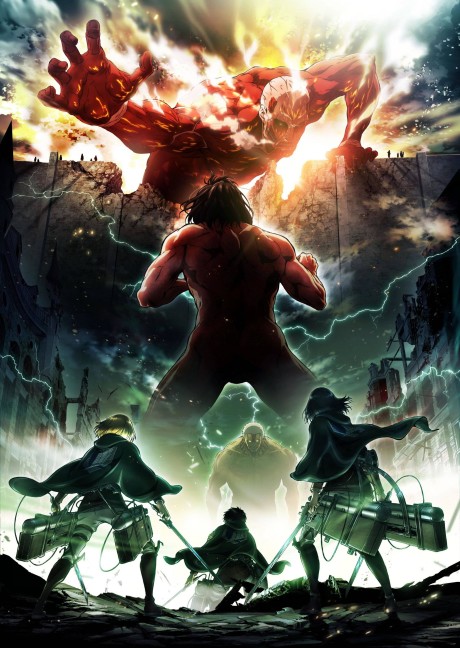
Attack on Titan Season 2
Eren Jaeger swore to wipe out every last Titan, but in a battle for his life he wound up becoming the thing he hates most. With his new powers, he fights for humanity's freedom facing the monsters that threaten his home. After a bittersweet victory against the Female Titan, Eren finds no time to rest—a horde of Titans is approaching Wall Rose and the battle for humanity continues!
(Source: Funimation)
📺Anime Details
📝Editorial Analysis
The air in Trost District still tastes like burnt hair and wet iron. You’re crouched behind a splintered timber beam, heart hammering against your ribs—not from exertion, but from the wrongness of Eren’s scream as his body splits open, bones cracking outward like rotten fruit, flesh reknitting into something that shouldn’t breathe, shouldn’t think, shouldn’t remember your name. That moment isn’t transformation—it’s violation. A betrayal written in tendon and tendon and blood. You don’t cheer. You flinch. You hold your breath until your vision blurs at the edges.
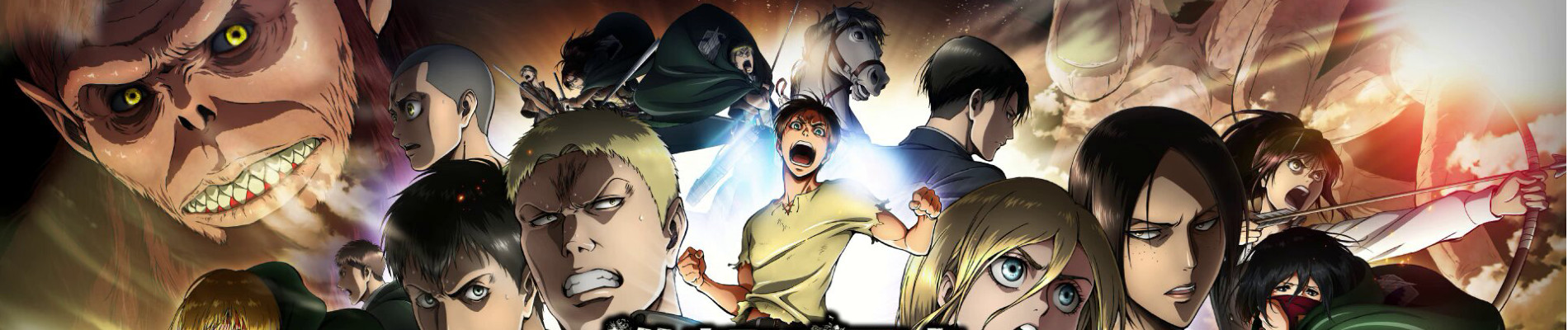
What makes Attack on Titan Season 2 ache so deeply isn’t its kaiju-scale battles or military precision—it’s the suffocating intimacy of collapse. This is tragedy that doesn’t roar from mountaintops; it whispers from inside locked barracks, tightens in the silence between Mikasa’s clenched jaw and Armin’s trembling hands, festers in the way Levi’s knuckles whiten not when he draws his blades, but when he watches Eren’s eyes flicker—just once—toward something hungry. There’s no safe distance here. No heroic remove. Every victory is laced with ash, every strategy built on bodies you knew by name. It’s dread, yes—but also recognition: that survival isn’t endurance. It’s complicity, recalibrated daily.
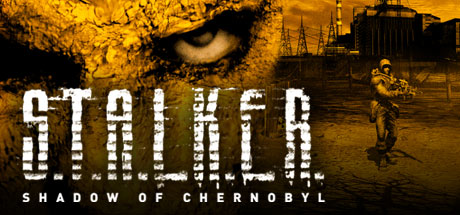
That emotional DNA pulses strongest in games where systems don’t just challenge you—they wear you down. Take S.T.A.L.K.E.R.: Shadow of Chernobyl. Its description nails it: “a very dangerous place, where you fear not only the radiation, anomalies and deadly creatures, but other S.T.A.L.K.E.R.s.” Not monsters alone—not even the Zone’s grotesque mutants—but people. Like the Survey Corps’ own fractured loyalties, like Erwin’s quiet calculus before the charge, like the way trust curdles the moment someone glances too long at Eren’s nape. A player review says, “You’re intrigued in the whole thing… The map is big and beautiful…”—but beauty here is rust on rebar, mist clinging to skeletal trees, silence so thick it vibrates. That’s the same awe-as-terror you feel watching Wall Rose’s fields stretch beneath an indifferent sky while Titans lumber over the horizon—beautiful, yes, but only because it’s already doomed.
Then there’s Rust, whose description flatly states: “The only aim in Rust is to survive. Everything wants you to die—the island’s wildlife, other inhabitants, the environment, and other survivors.” No grand ideology. No banners. Just teeth, fire, and the slow, grinding erosion of self-preservation into something colder. A player review cuts deeper: “I’ve never played a game that simulates emotional damage this accurately. Rust is less of a survival game and more of a full-time job where everyone…” That ellipsis? That’s the sound of Mikasa lowering her blade after the Female Titan fight—not relief, but exhaustion so deep it hollows out joy. In Rust, you don’t craft armor to feel powerful. You craft it because last night, three strangers burned your base while you slept. In Season 2, Eren doesn’t wield Titan form to win. He wields it because stopping means remembering what he tore apart—and that memory is worse than the blood.
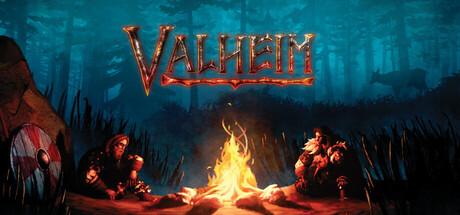
Even Valheim, with its viking purgatory and troll-wrecked houses, shares that raw nerve. Its description calls it “a brutal exploration and survival game… set in a procedurally-generated purgatory.” Purgatory—not hell, not heaven. A limbo of consequence. A player review captures the dissonance: “It’s like Minecraft but instead of punching trees you spend 40 minutes looking for the perfect tree, then a troll destroys your entire house…” That absurd, grinding futility—the search, the build, the annihilation—is pure Season 2. Remember the desperate fortification of Wall Rose? The frantic, half-burnt blueprints? The way every wall they raise feels less like defense and more like delaying the inevitable? Valheim doesn’t let you win. It lets you persist, ragged and sunburnt, until your next mistake becomes myth.
This pairing isn’t for fans of clean catharsis or power fantasies. It’s for the ones who pause mid-battle to watch dust settle on a fallen comrade’s scarf. For players who reload saves not to avoid death—but to sit with the weight of a choice they know was wrong. For people who understand that dread, complicity, and exhaustion aren’t flaws in storytelling—they’re the texture of being human when the walls are thin, the enemies wear familiar faces, and the most terrifying monster is the one you’re still learning how to name.
🎮16 Games That Match the Vibe
Match Dimensions Explained
❓Frequently Asked Questions
Why does S.T.A.L.K.E.R.: Shadow of Chernobyl keep coming up in Attack on Titan Season 2 game lists?
Because the oppressive dread of navigating the Zone—where invisible anomalies, radioactive fog, and hostile Stalkers lurk around every crumbling Soviet ruin—mirrors the constant tension of Survey Corps missions beyond the walls, especially during the Reiner/Bertholdt arc where trust shatters and danger is everywhere. The game’s emergent storytelling, like stumbling into a firefight between factions near Pripyat’s overgrown Ferris wheel, feels just as unpredictable and high-stakes as the basement confrontation in Season 2.
Is there an official Attack on Titan Season 2 video game adaptation?
No—there’s no licensed game specifically covering Season 2. The closest official releases are the older *Attack on Titan* (2016) and *Attack on Titan 2* (2018), which include Season 1–3 story content but don’t isolate or faithfully recreate Season 2’s pacing, tone, or key moments like the Forest of Giant Trees ambush or Erwin’s charge. So fans turn to atmospheric, high-stakes survival games like *Rust* or *S.T.A.L.K.E.R.* for that same visceral, desperate energy.
Valheim vs. Rust: which one captures the ‘Survey Corps comradery and loss’ vibe better?
Valheim nails the camaraderie—building longboats together, chanting before storming a boss like the Elder, and sharing mead after surviving a troll siege feels like Levi’s squad planning a mission. Rust, though? It’s all betrayal and exhaustion—like when your base gets raided hours after you finally craft that perfect armor, echoing how Season 2 strips away safety and trust. If you want shared purpose and mythic stakes, go Valheim; if you want raw, gut-punch vulnerability, Rust’s the grim mirror.
What’s the best game like Attack on Titan Season 2 if I want that ‘desperate, grounded survival with tactical urgency’ feeling?
S.T.A.L.K.E.R.: Shadow of Chernobyl—it’s the only one where every meter you move matters: scanning for radiation hotspots with your Geiger counter, swapping ammo mid-firefight with Bandits near the Jupiter Plant, and hearing distant mutant screeches while your flashlight flickers—just like the Survey Corps moving silently through the forest, hearts pounding, knowing one wrong step could mean death. Even its slow-burn mystery (who *are* the Monoliths? What happened to Strelok?) mirrors Season 2’s layered reveals about the Walls and the Founding Titan.