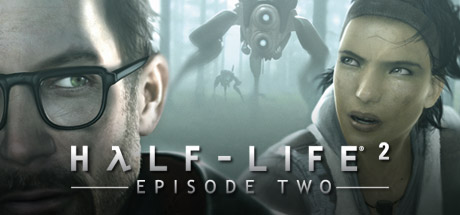
Half-Life 2: Episode Two
Half-Life® 2: Episode Two is the second in a trilogy of new games created by Valve that extends the award-winning and best-selling Half-Life® adventure. As Dr. Gordon Freeman, you were last seen exiting City 17 with Alyx Vance as the Citadel erupted amidst a storm of unknown proportions.
🎮Game Details
💬What Players Say
"Oh, Look at me. Owning Another steam game thats unlisted! Based valve, keep doing this MORE!"
"The final traditional Half-Life game as of late, and I think its on par with base Hl@, but god I need the 3."
"A classic, but not sure Valve can count to three..."
📝Editorial Analysis
The Citadel’s collapse isn’t just destruction—it’s unmooring. One moment you’re stumbling beside Alyx through rain-slicked rubble, the sky boiling with that storm of unknown proportions, and the next—gravity itself feels like a rumor. That’s the heartbeat of Half-Life 2: Episode Two: not spectacle, but disorientation layered over deep, quiet loyalty. You’re not saving the world—you’re holding onto one person while physics frays at the edges. The official description nails it: “exiting City 17 with Alyx Vance as the Citadel erupted”—that with is everything. Not alone. Not triumphant. Just two people, moving forward because stopping would mean dissolving into the static.
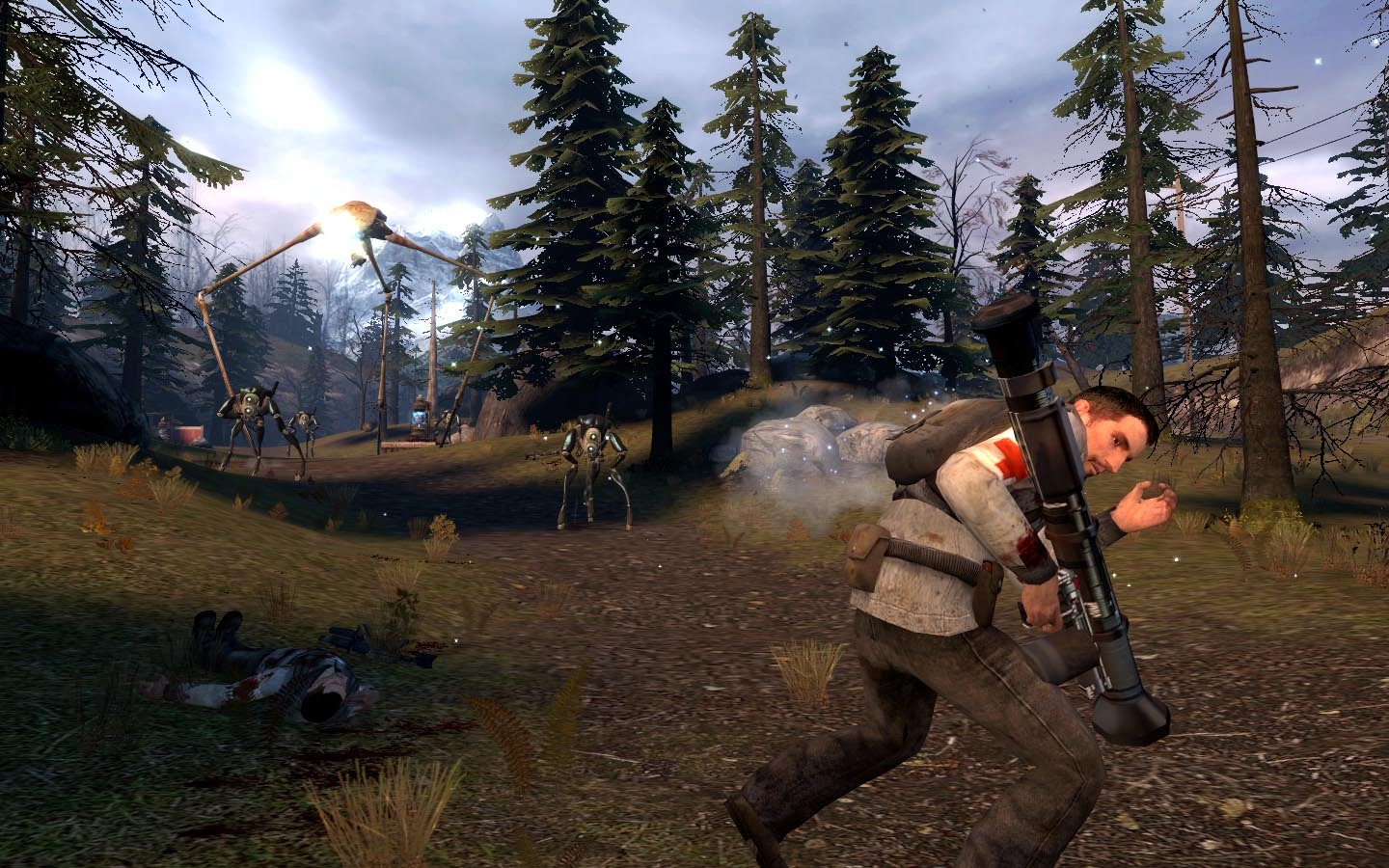
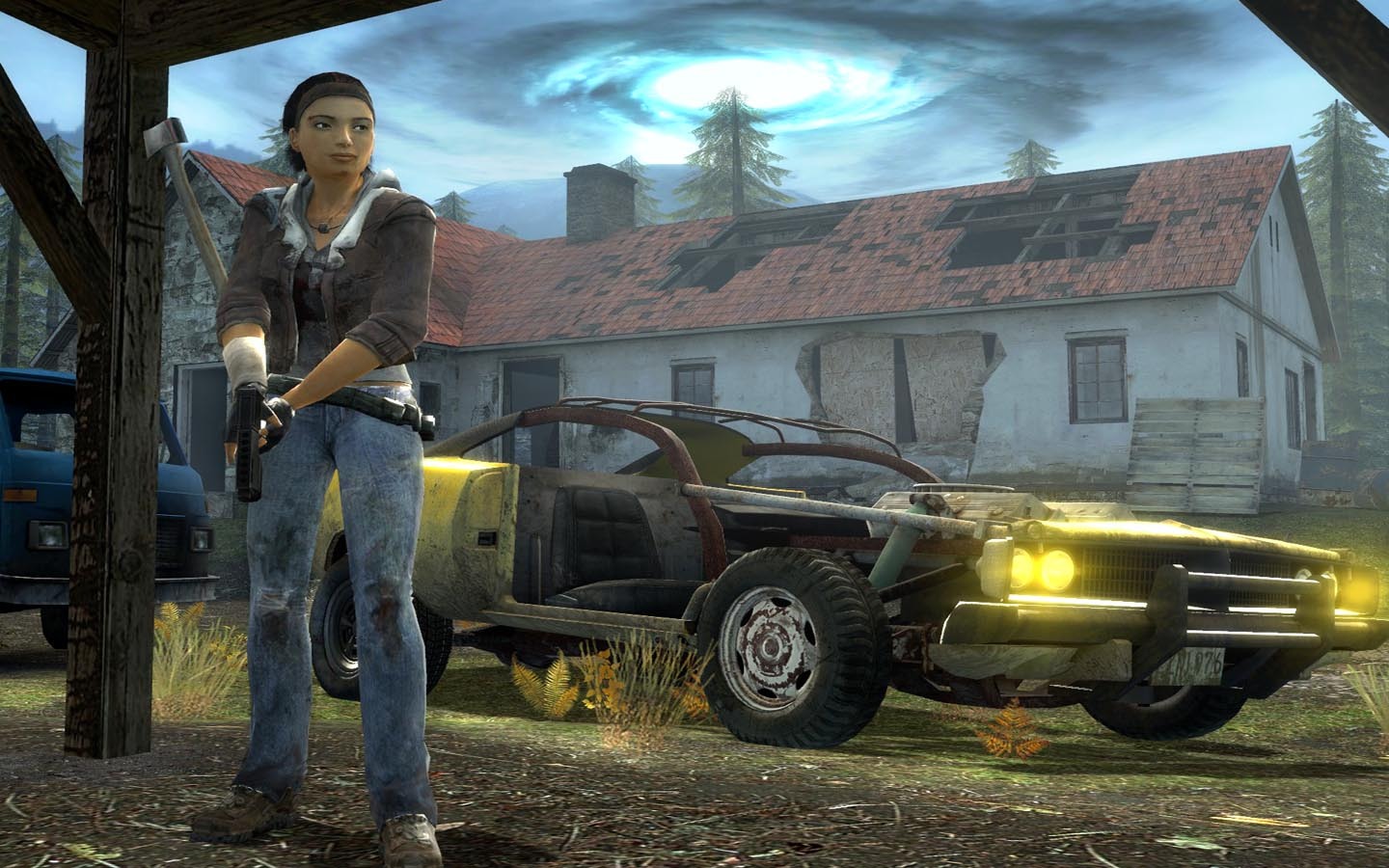
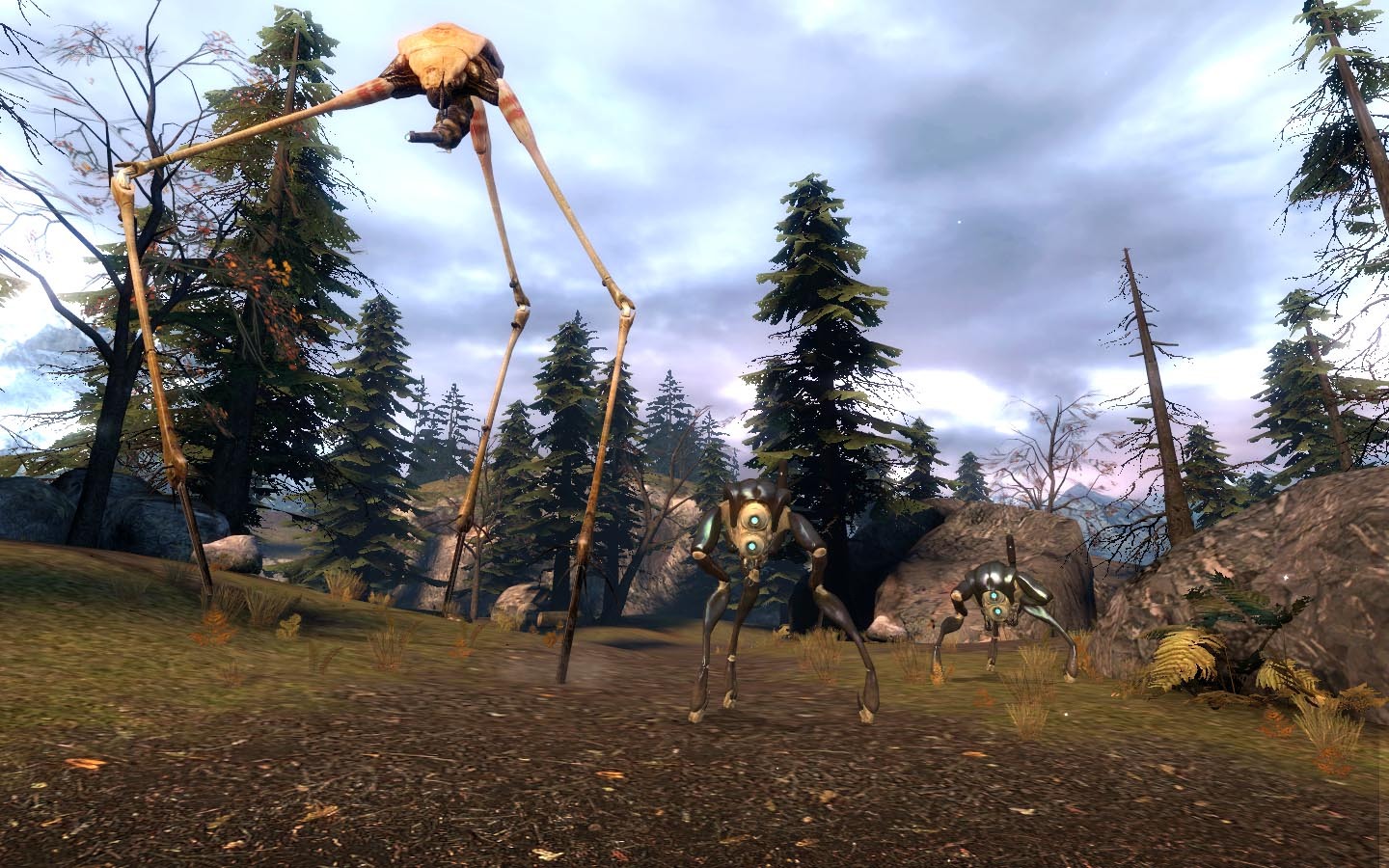
This isn’t dystopia as backdrop—it’s dystopia as atmosphere, thick as the pine-scented mist in the White Forest. It makes you feel tired, yes—but also tender. There’s no HUD scream, no quest marker blinking like a panic attack. Just the weight of your crowbar, the warmth of Alyx’s voice over radio static, the way she pauses to adjust her goggles before stepping into the dark. Player Review 2 calls it “the final traditional Half-Life game”—and that word traditional matters: it’s rooted, tactile, human-scaled. Even when Striders loom or the sky bleeds violet lightning, the emotional center stays stubbornly small: a shared glance, a half-finished sentence, the unspoken dread behind “I think we need to go faster.” It makes you think about continuity—not just story, but care persisting across broken systems. The silence between gunshots is louder than the shots themselves.
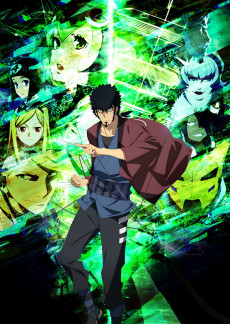
That same ache lives in Heaven’s Lost Property the Movie: The Angeloid of Clockwork, where clockwork wings grind against celestial gears and every flight feels like defiance against entropy. Its Cyberpunk & Dystopia isn’t neon alleys—it’s rusted orbital ruins and angeloids whose bodies are both weapon and wound. Like Episode Two, it treats wonder and weariness as siblings: you watch Ikaros descend through fractured light, and it hits the same as watching Alyx shield Gordon from falling debris—not with grandeur, but with bone-deep habit. Then there’s Dorohedoro Season 2, where the Hole’s grime clings like humidity and body horror isn’t shock—it’s texture. Limbs reassemble mid-sentence; faces peel and reform like old wallpaper. That matches Episode Two’s visceral unease: the way antlions skitter just off-screen, how the Vortigaunts’ chants vibrate in your ribs—not as lore dumps, but as physical tremors in a world that refuses to hold its shape. And GOOD NIGHT WORLD, with its adult-seinen exhaustion and occult dread, mirrors the game’s hushed urgency—the sense that reality isn’t collapsing around you, but within you, cell by cell, memory by memory. When the G-Man’s briefcase clicks shut in Episode Two, it lands with the same hollow finality as a ritual dagger being sheathed in GOOD NIGHT WORLD’s shadow-choked corridors.
These pairings aren’t for fans of “cool powers” or “epic battles.” They’re for the person who replays the White Forest lab sequence just to hear Alyx say “Gordon?”—soft, uncertain, hopeful—over the hum of dying servers. For the viewer who watches Dorohedoro’s Caiman wipe blood from his mouth and thinks he’s been doing this longer than he remembers. For the one who pauses Heaven’s Lost Property not at the explosions, but at the quiet shot of Nymph’s hand trembling as she holds a broken gear—small, fragile, insistent. They love stories where the apocalypse isn’t a finish line, but a long walk home—where the real tension isn’t whether you’ll survive, but whether you’ll still recognize each other when the storm clears. That’s the DNA: not genre, not plot, but the weight of staying close while everything else comes apart.
→124 Anime That Match the Vibe

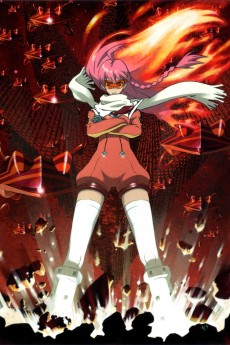
JP’s blistering descent through Redline’s neon-drenched, gravity-defying mountain pass mirrors Gordon Freeman’s frantic escape from the collapsing White Forest rocket silo—both hurtling toward salvation amid crumbling infrastructure. Where Episode Two grounds its sci-fi dystopia in tactile decay and desperate human collaboration, Redline’s cosmic race weaponizes that same cyberpunk tension into pure, unrelenting velocity. This mutual obsession with high-stakes momentum within oppressive, technologically saturated worlds makes their resonance unexpectedly kinetic—not just visual, but visceral.
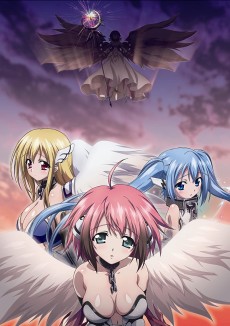
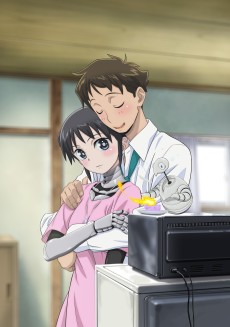
A crumbling clockwork angeloid’s final flight over snow-draped ruins mirrors Gordon Freeman’s desperate trek through the radioactive forests near City 17—both works weaponize 🚀 Sci-Fi & Space not for spectacle, but as existential pressure: Kazane’s self-sacrifice in the movie’s climax refracts Freeman’s silent burden of carrying humanity’s fragile hope. Unlike most ecchi rom-coms, *Heaven’s Lost Property the Movie* leans into dystopian gravity; unlike most FPS narratives, *Episode Two* lingers on quiet grief and broken machinery. That shared tension between delicate emotion and decaying technology feels startlingly, poignantly aligned.
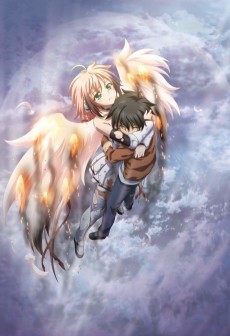
Both dive into neon-soaked futures where technology blurs the line between human and machine.
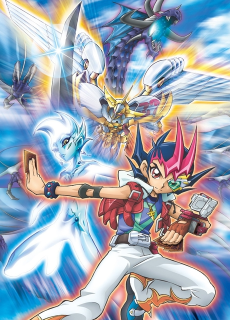
Both dive into neon-soaked futures where technology blurs the line between human and machine.
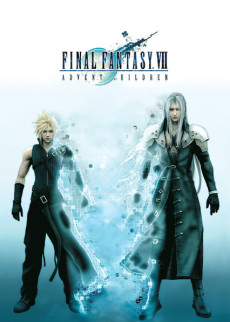
Snow blankets the ruined suburbs of City 17 as Alyx Vance’s flashlight cuts through radioactive fog—mirroring Midgar’s rain-slicked ruins where Cloud stumbles past crumbling Shinra towers. Unlike most dystopias fixated on urban decay, both *Episode Two* and *Advent Children* root their cyberpunk & dystopia in ecological trauma: mutated wildlife and Geo-stigma alike emerge from poisoned land, not just oppressive tech. This shared grief for a wounded Earth makes their sci-fi ache with startling, sorrowful intimacy.
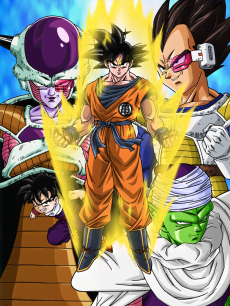
Gordon Freeman’s desperate sprint through the snow-choked ruins of City 17—radiation flares painting the sky sickly green—mirrors Goku’s final, exhausted ascent up Snake Way in *DBZ Kai*’s early arcs: both are solitary journeys through hostile, scaled-down apocalypses where hope hinges on fragile alliances. Unlike most sci-fi dystopias, *Episode Two* and *Kai* share a grounded urgency—their cyberpunk & dystopia textures aren’t decorative but tactile: crumbling concrete, flickering monitors, sweat-streaked faces. That shared insistence on vulnerability amid spectacle makes their resonance startlingly human.

Both dive into neon-soaked futures where technology blurs the line between human and machine.

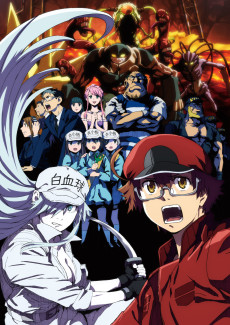
Caiman’s grotesque, ever-shifting face—swelling with cysts and peeling like irradiated flesh—mirrors the decaying, bio-mechanical horrors of City 17’s quarantined outskirts in *Episode Two*, where mutated antlions burst from irradiated soil and Combine synthetics glitch with organic rot. Unlike most dystopias, both weaponize *Cyberpunk & Dystopia* not for sleek futurism but as suffocating backdrops for visceral, grounded body horror—Freeman’s silent struggle through crumbling infrastructure echoes Caiman’s raw, stumbling quest for identity amid occult chaos. That Season 2 deepens the Cross-Eyes’ cultic bureaucracy while *Episode Two* fractures the Combine’s imperial logic makes their resonance unsettlingly precise: systems collapse, bodies betray, and truth leaks from cracks in concrete and skin alike.
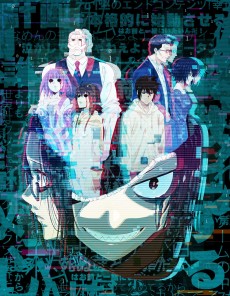
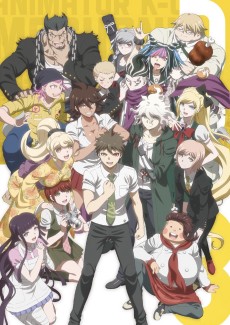
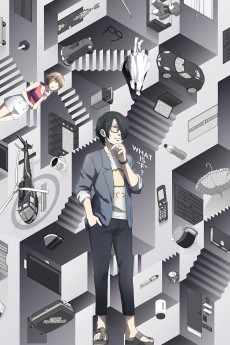
Gordon Freeman’s silent stumble through the radioactive ruins of City 17—where Combine surveillance drones hum like malignant insects—mirrors “GOOD NIGHT WORLD”’s chilling collapse of the online game *Planet* into irreversible psychological fracture. Both weaponize 🌆 Cyberpunk & Dystopia not as backdrop but as cognitive pressure: Episode Two’s decaying rail line to White Forest echoes Akabane Family’s fraying in-game bonds, where fantasy kinship curdles under real-world trauma. That shared descent into destabilized reality—neither fully virtual nor wholly physical—makes their resonance unnervingly precise.

Magnetic Rose’s derelict space station—where ghostly memories bleed into reality—mirrors the decaying, snow-choked ruins of City 17’s outskirts in *Episode Two*, both weaponizing cyberpunk & dystopia to trap protagonists in inescapable psychological labyrinths. Where Gordon Freeman navigates collapsing bridges and alien-infested forests haunted by loss and duty, *Magnetic Rose*’s crew unravels within a sentient archive of grief—making their shared dark seinen resonance startlingly intimate, not just apocalyptic.

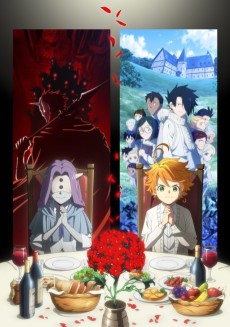

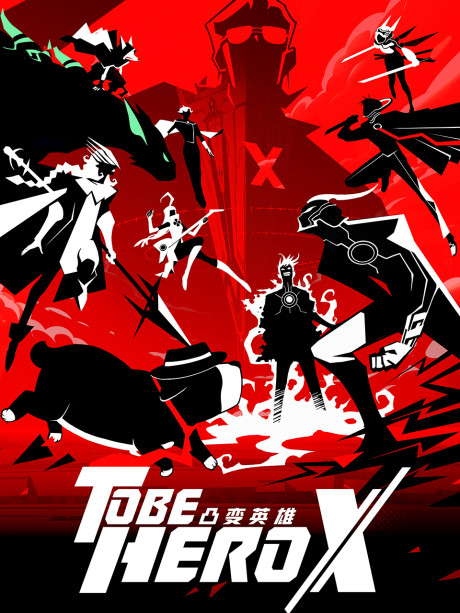

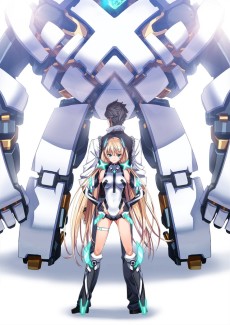


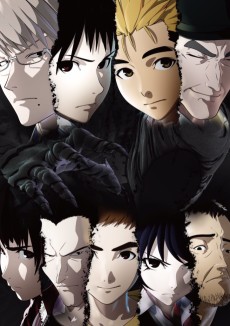


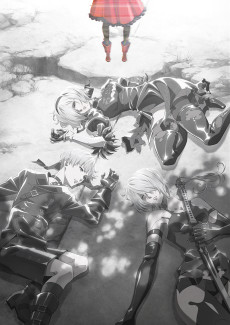
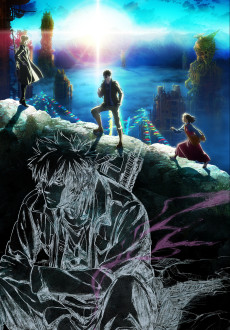


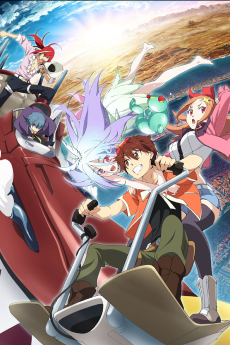
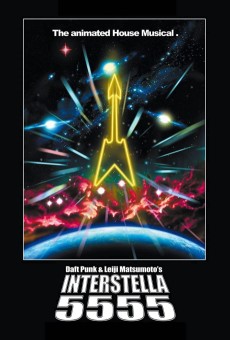




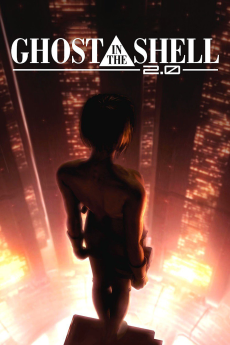


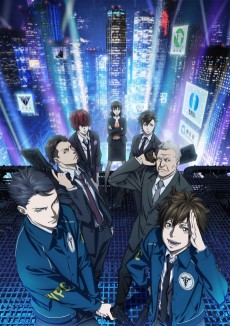
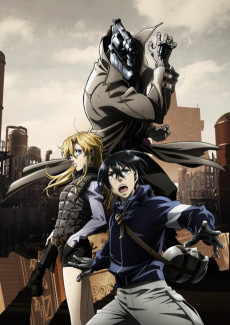
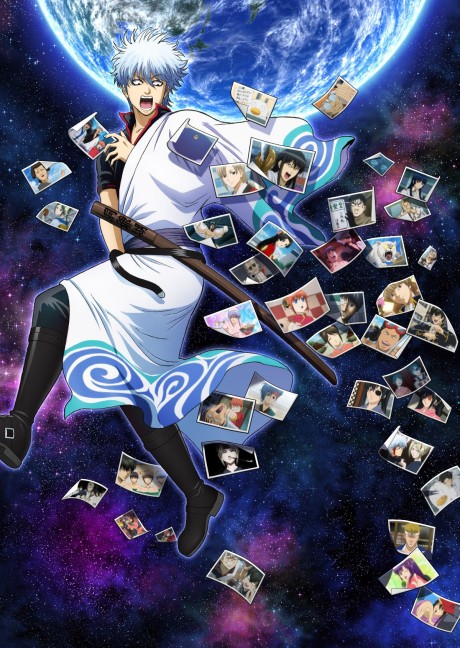
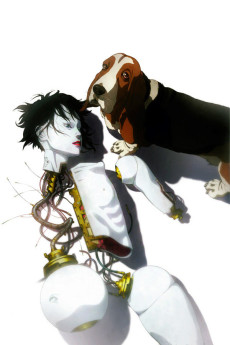

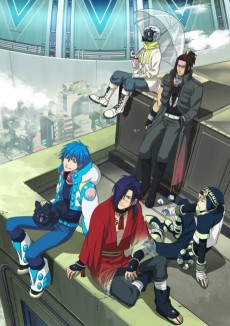
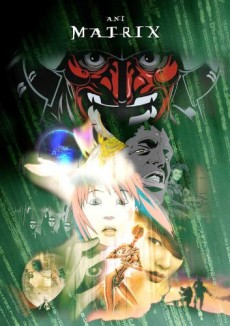
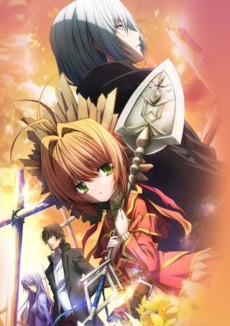
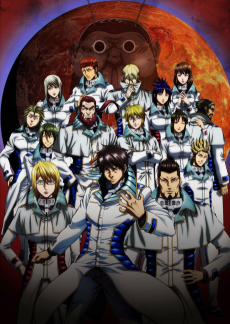
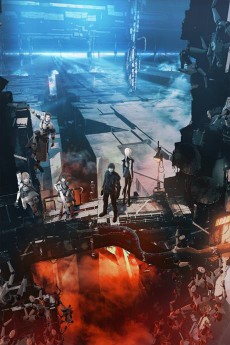
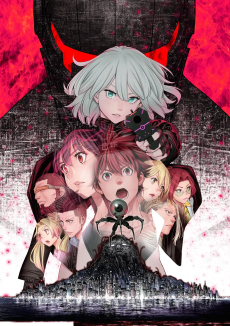
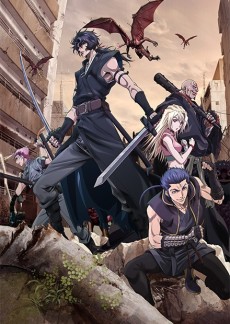
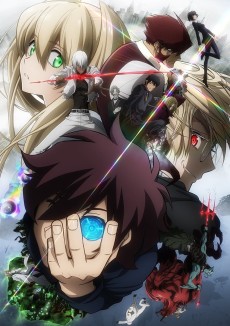
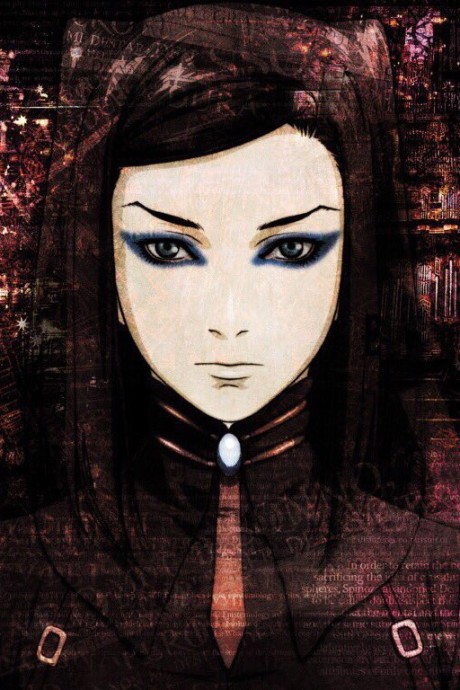
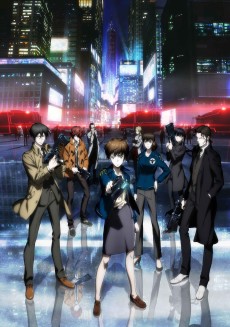





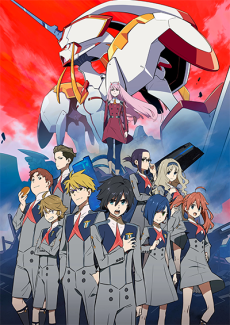
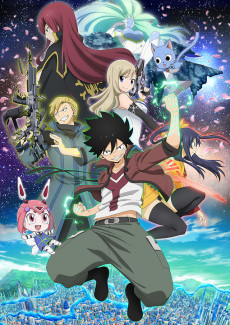
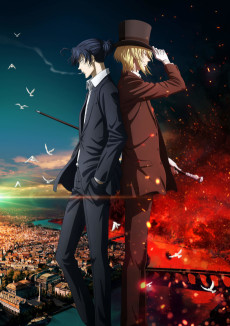
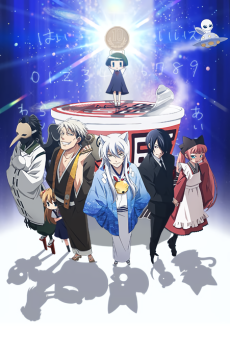







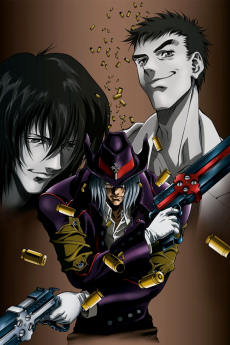
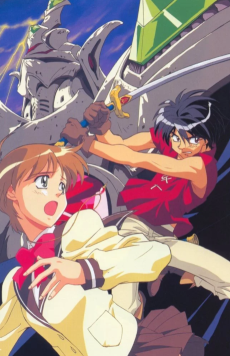
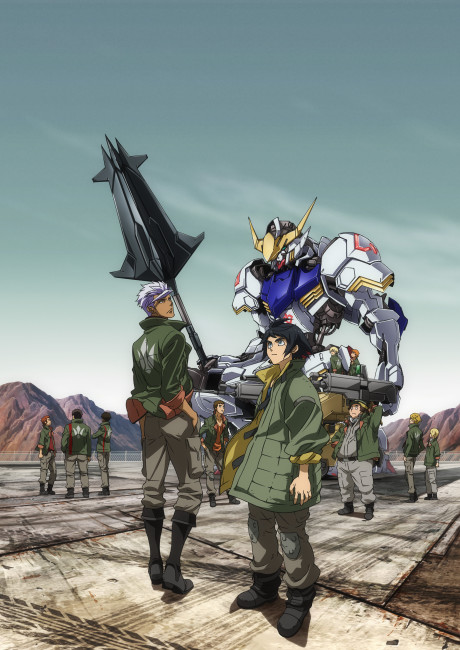


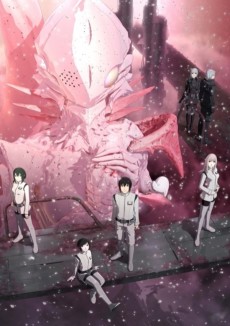












Match Dimensions Explained
❓Frequently Asked Questions
Why does Dorohedoro Season 2 feel like Half-Life 2: Episode Two?
Both hit that grimy, oppressive dystopia vibe where the world’s literally falling apart—Dorohedoro’s Hole mirrors City 17’s decaying infrastructure and authoritarian dread, especially during the brutal, rain-slicked street fights in the Crossroads District. Like Gordon and Alyx scrambling through collapsing Citadel debris, Nikaido and Kuro get chased by grotesque, biomechanical enforcers while uncovering layered conspiracies tied to a broken power structure.
Is there an anime adaptation of Half-Life 2: Episode Two?
Nope—Valve has never licensed or produced an anime adaptation of *Episode Two*, and none of the officially recognized matches (like *Final Fantasy VII: Advent Children* or *Heaven’s Lost Property the Movie*) are adaptations—they’re just tonally and dimensionally aligned. The game remains a standalone PC experience, and as one player put it: 'god I need the 3...' but no anime fill-in is coming.
How does GOOD NIGHT WORLD compare to Final Fantasy VII: Advent Children for Half-Life 2: Episode Two vibes?
Both nail the ‘post-Citadel collapse’ tension, but *GOOD NIGHT WORLD* leans harder into body horror and psychological unraveling—think Alyx’s near-death moment in the mine cart sequence, mirrored by its protagonist’s visceral, reality-warping transformations. Meanwhile, *Advent Children* echoes the scale and melancholy of the final Citadel meltdown with Cloud’s aerial battle over Midgar’s ruined spires, matching Gordon’s desperate sprint across fractured sky-bridges.
What’s the best anime like Half-Life 2: Episode Two if I want that ‘desperate escape through a crumbling dystopia’ mood?
Go straight to *Redline*—not for the racing alone, but for how its opening act drops you into Roboworld’s anarchic, neon-drenched ruins, where JP and Sonoshee flee collapsing megastructures under relentless pursuit, just like Gordon and Alyx barreling out of City 17 amid Citadel shockwaves and falling debris. That breathless, physics-heavy momentum? Pure *Episode Two* energy—'Oh, Look at me. Owning Another steam game thats unlisted!' energy, but animated.